Attractions and Places To See around Estremoz (Santo André) - Top 20
Best attractions and places to see around Estremoz (Santo André) include historical landmarks, cultural sites, and natural features. This region, often called the "White City" due to its marble, is situated on a hilltop in the Alentejo. Visitors can explore a landscape characterized by cork oak forests, vineyards, and significant marble quarries. The area offers a diverse range of points of interest reflecting its rich history and natural resources.
Best attractions and places to see around Estremoz (Santo André)
- The…
Last updated: July 2, 2026
Gadanha Fountain, Estremoz
Highlight • Monument
Translated by Google •
Tip by

Montado Cork Oak Forest
Highlight • Forest
Translated by Google •
Tip by

Sign up now to discover places like this
Get recommendations on the best single tracks, peaks, & plenty of other exciting outdoor places.
Sign up for free
Estremoz Castle
Highlight • Castle
Translated by Google •
Tip by

Statue of Queen Saint Isabel
Highlight • Monument
Translated by Google •
Tip by
Estremoz Marble Quarries
Highlight (Segment) • Structure
Translated by Google •
Tip by

Sign up for free to discover even more attractions around Estremoz (Santo André).
Sign up for free
Already have an account?
Start today with a free account
Your next adventure awaits.
Login or Signup

Tips from the Community

The pousada is a castle built by King Dionysius for Queen Elizabeth of Portugal in the 13th century. It is located in the heart of the old town and is considered one of the most beautiful pousadas in Portugal.
3
0
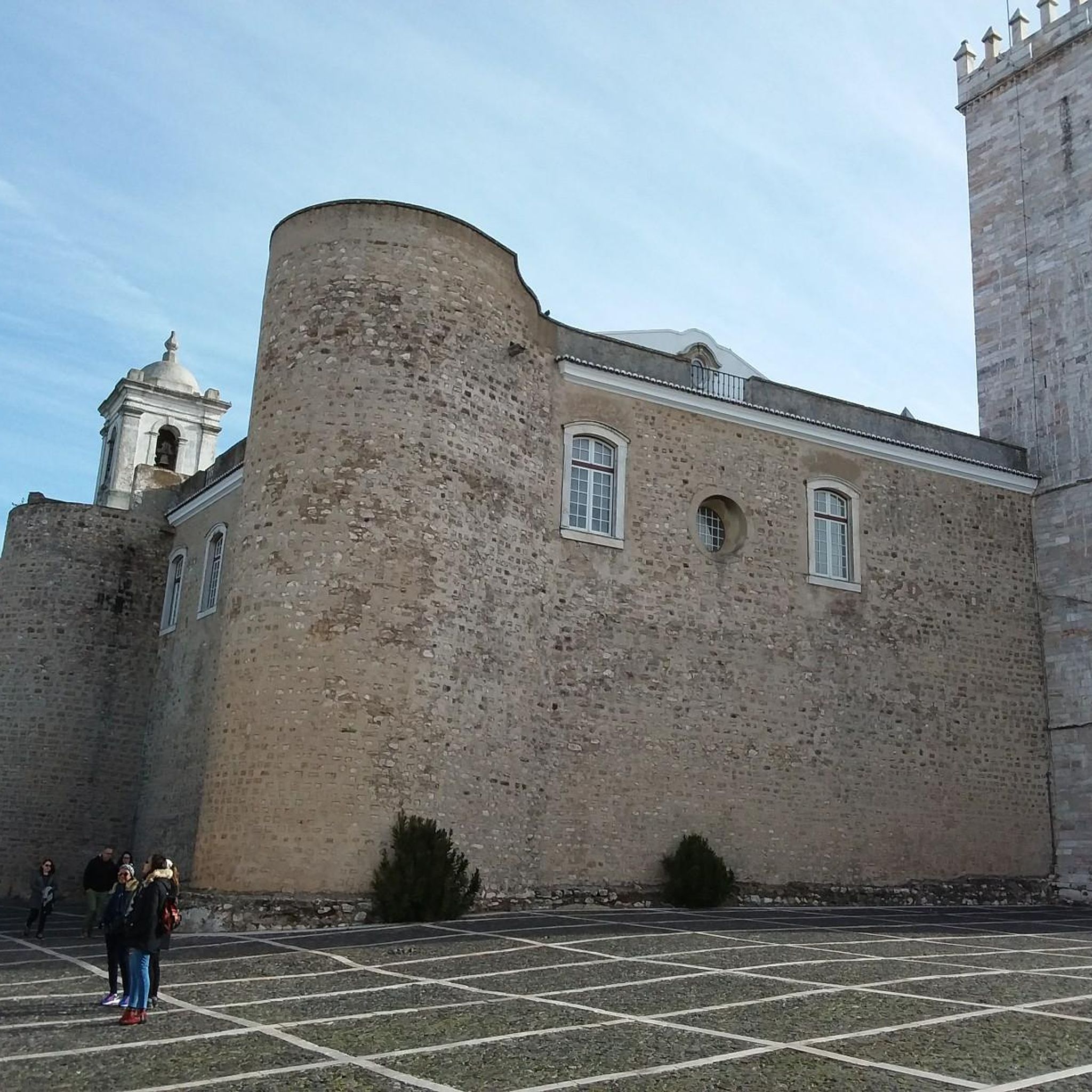
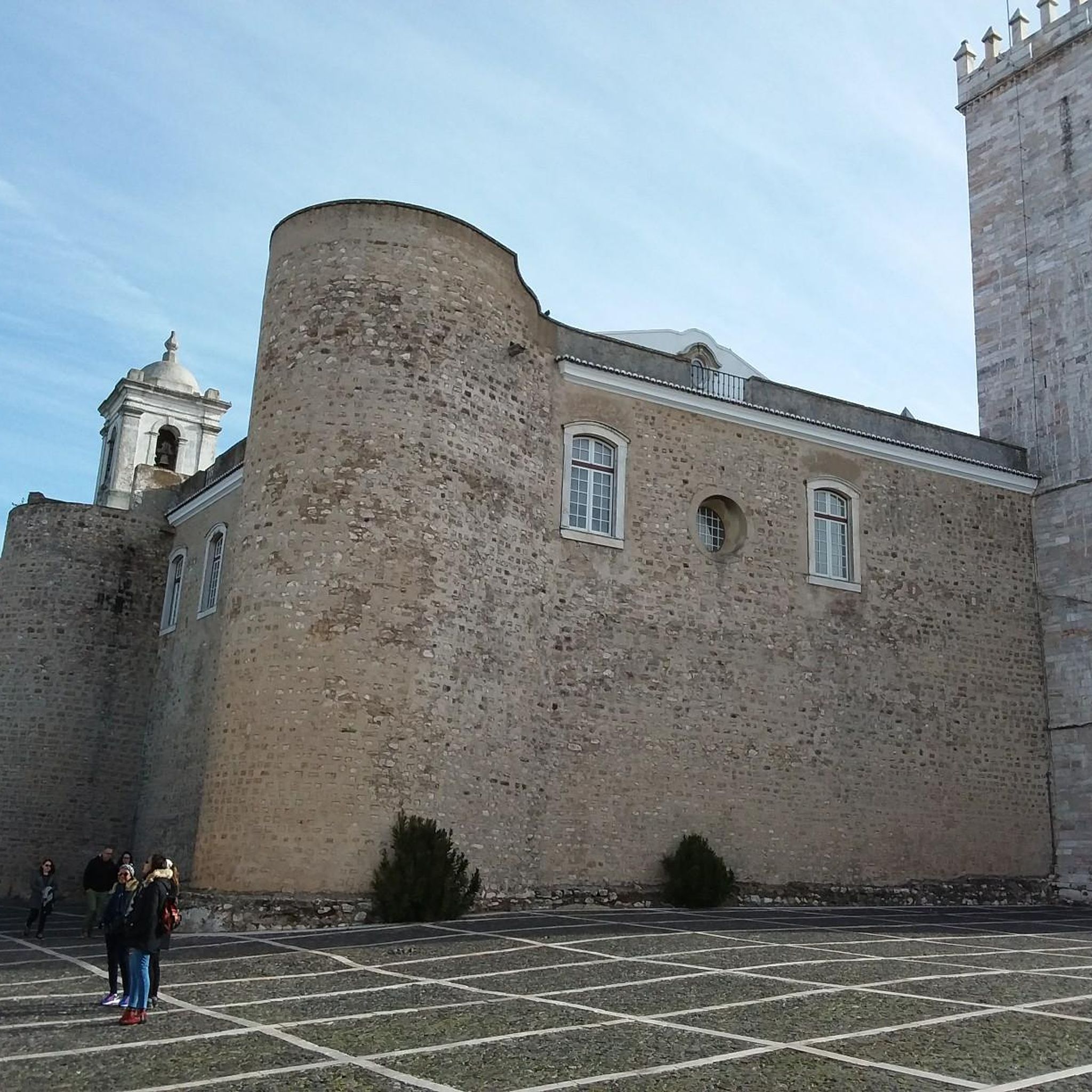
The view of the castle from the west is particularly impressive. There you can clearly see the fortress character with its protruding walls.
5
0
Unfortunately, access to the viewing platform and the statue will be closed in May 2025.
5
1
Fonte da Gadanha Square is dominated by Lake Gadanha. Next to it is the 13th-century Convento São Francisco, dating from the reign of King Afonso III, which served as a barracks after secularization. From here, you have a magnificent view up to the castle and the castle. The square is surrounded by other interesting monuments and fountains.
4
1
The famous statue of "Gadanha," located in the lake, originates from the Congregados Monastery and was only moved to the center of the lake in the mid-19th century. It originally represented the god Saturn, a symbol of abundance. The inscription on the base reads: "Time passes quickly."
3
0

Queen Saint Isabel of Aragon (1270-1336), wife of King D. Diniz (1261-1325), died in the Castle of Estremoz, at the age of 66, on July 4, 1336, from a sudden illness that occurred while she was heading to the border on a mission to bring peace between her son, D. Afonso IV (1291-1357), and her grandson, Alfonso XI of Castile (1311-1350). Against everyone's advice, D. Afonso wanted to fulfill his mother's purpose of being buried in the Monastery of Santa Clara. The long journey took place under the blazing July sun and, to everyone's amazement, despite the intense heat, the coffin gave off such a pleasant perfume that "no one had ever seen such a noble odour", as can be read in her first anonymous biography, known as “Legend or Relation”, written immediately after her death by someone who had been close to her, probably her confessor, Friar Salvado Martins, Bishop of Lamego, or one of the owners of Santa Clara who looked after her during her widowhood. The virtues of the Queen, later considered a Saint, were the reason for her beatification by Leo X (1475-1521) in 1516, with authorisation for her worship to be restricted to the Diocese of Coimbra. In 1556, Pope Paul IV (1476-1559) extended the Elizabethan devotion to the entire Kingdom of Portugal. It would be Pope Urban VIII (1568-1664), given the incorruption of the body and the report of miracles, who would proclaim in 1625, the canonization of Isabella of Aragon as a Holy Queen.
4
1
If you've ever been curious about the origin of the cork in your wine bottle, or questioned the composition of the notice board hanging in your workspace, then this guide is specifically designed to answer your queries. The cork oak, or Quercus suber, is a fascinating tree species that primarily grows in the Mediterranean region. Its unique bark is the source of the world's cork supply, a material that is used in a multitude of applications, from wine stoppers to insulation. In this all-encompassing guide, we will thoroughly investigate the mysteries of the cork oak, examining its native surroundings, its significance in the financial structures of Portugal and Spain, and the multitude of its applications. We will also take a close look at the cork production process, including the art of cork harvesting and the fascinating phenomenon of cork regeneration. Portugal and Spain stand as the global frontrunners in cork production, and much like the white oak of North America, the cork oak occupies a distinct position within the cultural and economic fabric of these nations. In Portugal, the montado landscapes are deeply intertwined with rural life, providing a source of income for many communities through cork production and other activities such as farming and beekeeping. In Portugal, the Montado landscapes are similarly important, with the cork oak providing a range of resources including cork, acorns for livestock, and wood for charcoal production. The cork industry in these countries is a significant employer, providing jobs in areas such as harvesting, processing, and manufacturing. Agroforestry, the practice of combining agriculture with forestry, is a key aspect of sustainable cork production. In the montado and dehesa landscapes of Portugal and Spain, cork oaks are grown alongside crops and livestock, creating a diverse and productive landscape. This form of land use not only provides a range of resources, including cork, food, and timber, but also supports a rich biodiversity and helps to conserve soil and water resources. This illustrates a prime instance of how humanity can coexist harmoniously with nature, utilizing resources sustainably.
5
1
The Estremoz Castle was built in a dominant position on a hill to the north of the Serra de Ossa, in the city of Estremoz, in the district of Évora, in Alentejo, Portugal. It is a pentagonal castle with a walled enclosure, reinforced by buttresses that rise around the Torre de Menagem, a spectacular tower built in white marble, 27 metres high. It is believed that the construction of this monumental tower lasted through three reigns: D. Afonso IV, D. Pedro and D. Fernando, and, for this reason, it is known as the Torre das Três Coroas. Beyond the medieval wall, the town of Estremoz has a vast expanse of fortifications from the epic Restoration War, where the towers with battlements and two arched gates stand out, next to which there is a rectangular tower in the Roman-Gothic style, with several windows.
5
1
Frequently Asked Questions
What historical landmarks can I explore in Estremoz (Santo André)?
Estremoz is rich in history. You can visit the impressive Estremoz Castle, which features the spectacular 27-meter high Torre de Menagem Keep. Other notable sites include the Capela da Rainha Santa Isabel, dedicated to Queen Saint Isabel, and the historic city gates like Porta de Santo António. The Convento dos Congregados, with its pink marble facade, and the Igreja de São Francisco, housing historical tombs, also offer deep insights into the region's past.
Where can I learn about Queen Saint Isabel in Estremoz?
Queen Saint Isabel, who died in Estremoz in 1336, is a significant figure in the city's history. You can visit the Capela da Rainha Santa Isabel, located near the castle, which features tiles and paintings depicting scenes from her life. Additionally, the Statue of Queen Saint Isabel is another point of interest commemorating her legacy.
What is the significance of marble in Estremoz?
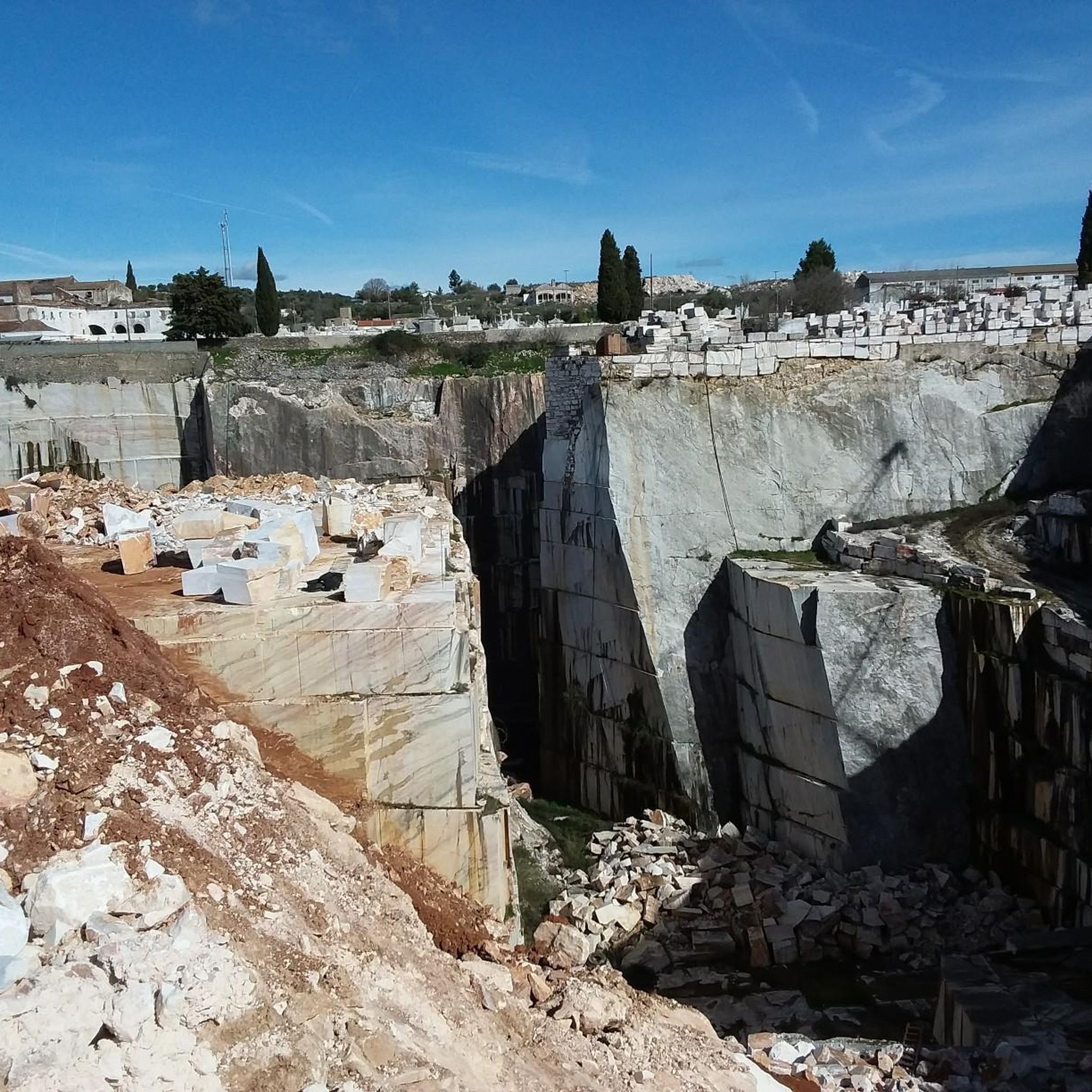
Estremoz is globally renowned as the 'White City' due to its abundant white marble. The region accounts for approximately 90% of Portugal's total marble extraction, making Portugal the second-largest exporter worldwide. You can witness this firsthand by visiting the Estremoz Marble Quarries or observing the extensive use of marble in local architecture, such as the Torre de Menagem at the castle.
Are there opportunities for hiking or outdoor activities near Estremoz (Santo André)?
Yes, the surrounding Alentejo landscape, characterized by vineyards, olive groves, and cork oak forests, is ideal for outdoor activities. You can explore various trails for running, road cycling, and mountain biking. For example, there are several running loops around Estremoz, and road cycling routes like the 'Estremoz – Gadanha Fountain, Estremoz loop'. You can find more details on these activities in the Running Trails around Estremoz (Santo André), Road Cycling Routes around Estremoz (Santo André), and MTB Trails around Estremoz (Santo André) guides.
What kind of natural landscapes can I expect to see around Estremoz?
The region offers picturesque Alentejo scenery, including vast vineyards, olive groves, and significant cork oak forests. A visit to the Montado Cork Oak Forest provides insight into Portugal's cork production. The marble quarries also form a unique part of the natural and industrial landscape.
Are there family-friendly attractions in Estremoz (Santo André)?
Yes, Estremoz offers several family-friendly options. The Montado Cork Oak Forest is an engaging place for families to learn about nature and cork harvesting. The Centro Ciência Viva de Estremoz, housed in the Convento das Maltesas, is an interactive science museum with hands-on galleries covering various topics, making it a great educational and fun experience for children.
What cultural sites are there to visit in Estremoz?
Estremoz boasts several cultural sites. The Museu Municipal Professor Joaquim Vermelho showcases the town's tradition of clay figures and regional crafts. The Museu Berardo Estremoz, located in the historic Tocha Palace, houses a vast private collection of tiles. You can also visit the Museu Rural da Casa do Povo de Santa Maria de Estremoz for insights into local history and rural life.
What is the Rossio Marquês de Pombal?
The Rossio Marquês de Pombal is one of the largest central squares in Portugal and a vibrant hub in Estremoz. It is surrounded by beautiful mansions and unique buildings, including the historic Café Águias D'Ouro, making it a great place for a stroll and to soak in the local atmosphere.
Can I visit a winery in Estremoz (Santo André)?
Yes, for those interested in viticulture, the João Portugal Ramos Winery offers tours and tastings. This provides an excellent opportunity to experience the region's prominent wine production firsthand.
What is the best time to visit Estremoz (Santo André) for attractions and outdoor activities?
The Alentejo region generally experiences hot, dry summers and mild winters. Spring (April-May) and Autumn (September-October) are often considered the best times to visit for a comfortable experience, as the weather is pleasant for exploring historical sites and engaging in outdoor activities like hiking or cycling. During these seasons, the landscape is also particularly beautiful.
What do visitors enjoy most about Estremoz (Santo André)?
Visitors frequently appreciate the city's unique blend of history, culture, and natural beauty. The imposing Estremoz Castle with its panoramic views, the distinctive white marble architecture, and the charming Alentejo landscape are often highlighted. The friendly and hospitable nature of the locals also contributes to a memorable experience.
Is there a prominent urban lake or fountain in Estremoz?
Yes, the Gadanha Fountain, Estremoz is a prominent urban feature. It includes the beautiful Lake Gadanha and a statue known as 'Gadanha,' which originally represented the god Saturn, symbolizing the fleeting nature of time. Adjacent to the lake is the monumental Bicas Fountain, adorned with lion-head spouts and made of marble.

Get inspired with the komoot mobile app


Explore more
Still not found the Highlight you’re looking for? See guides of the top attractions in other regions:
