Attractions and Places To See around Vimieiro - Top 20
Best attractions and places to see around Vimieiro, a parish within the municipality of Arraiolos in Portugal's Alentejo region, offer a blend of history and natural beauty. The area is characterized by local historical sites, traditional architecture, and the serene Alentejo landscape. Visitors can explore agricultural fields, cork oak forests, and small urban clusters, showcasing a harmonious coexistence between human activity and nature.
Best attractions and places to see around Vimieiro
- The most popular attractions is Ecopista of the Ramal de Mora: Évora – Arraiolos, a cycle way that is a green path along an old railway line, ideal for hiking and cycling. It traverses natural settings and connects to nearby cities like Évora and Arraiolos.
- Another must-see spot is Evoramonte Castle, a castle located in the picturesque village of Evoramonte. It offers a glimpse into the region's military history and provides scenic views.
- Visitors also love Gadanha Fountain, Estremoz, a man-made monument in Estremoz, known for its statue of "Gadanha." The square around it features other monuments and offers views towards the castle.
- Vimieiro is known for its historical sites, traditional architecture, and natural landscapes. The region offers a variety of attractions to see and explore, from ancient monuments to scenic trails.
- The attractions around Vimieiro are appreciated by the komoot community, with 2 highlights and 36 photos shared by visitors.
Last updated: July 2, 2026
Ecopista of the Ramal de Mora: Évora – Arraiolos
Highlight (Segment) • Cycleway
Tip by

Evoramonte Castle
Highlight • Castle
Translated by Google •
Tip by

Sign up now to discover places like this
Get recommendations on the best single tracks, peaks, & plenty of other exciting outdoor places.
Sign up for free
Gadanha Fountain, Estremoz
Highlight • Monument
The epithet of “white city” is due, in addition to the color of the houses, to the deposits of white marble, the famous “Estremoz Marble”, which made the city internationally famous. The extraction of this raw material in the Alentejo makes Portugal the second largest exporter in the world, with Estremoz contributing around 90% of the total marble. Consider visiting one of these deposits on a trip to the country.
Translated by Google •
Tip by

Montado Cork Oak Forest
Highlight • Forest
Translated by Google •
Tip by
Estremoz Castle
Highlight • Castle
Translated by Google •
Tip by

Sign up for free to discover even more attractions around Vimieiro.
Sign up for free
Already have an account?
Start today with a free account
Your next adventure awaits.
Login or Signup

Tips from the Community

The view of the castle from the west is particularly impressive. There you can clearly see the fortress character with its protruding walls.
5
0
Fonte da Gadanha Square is dominated by Lake Gadanha. Next to it is the 13th-century Convento São Francisco, dating from the reign of King Afonso III, which served as a barracks after secularization. From here, you have a magnificent view up to the castle and the castle. The square is surrounded by other interesting monuments and fountains.
4
1
The famous statue of "Gadanha," located in the lake, originates from the Congregados Monastery and was only moved to the center of the lake in the mid-19th century. It originally represented the god Saturn, a symbol of abundance. The inscription on the base reads: "Time passes quickly."
3
0

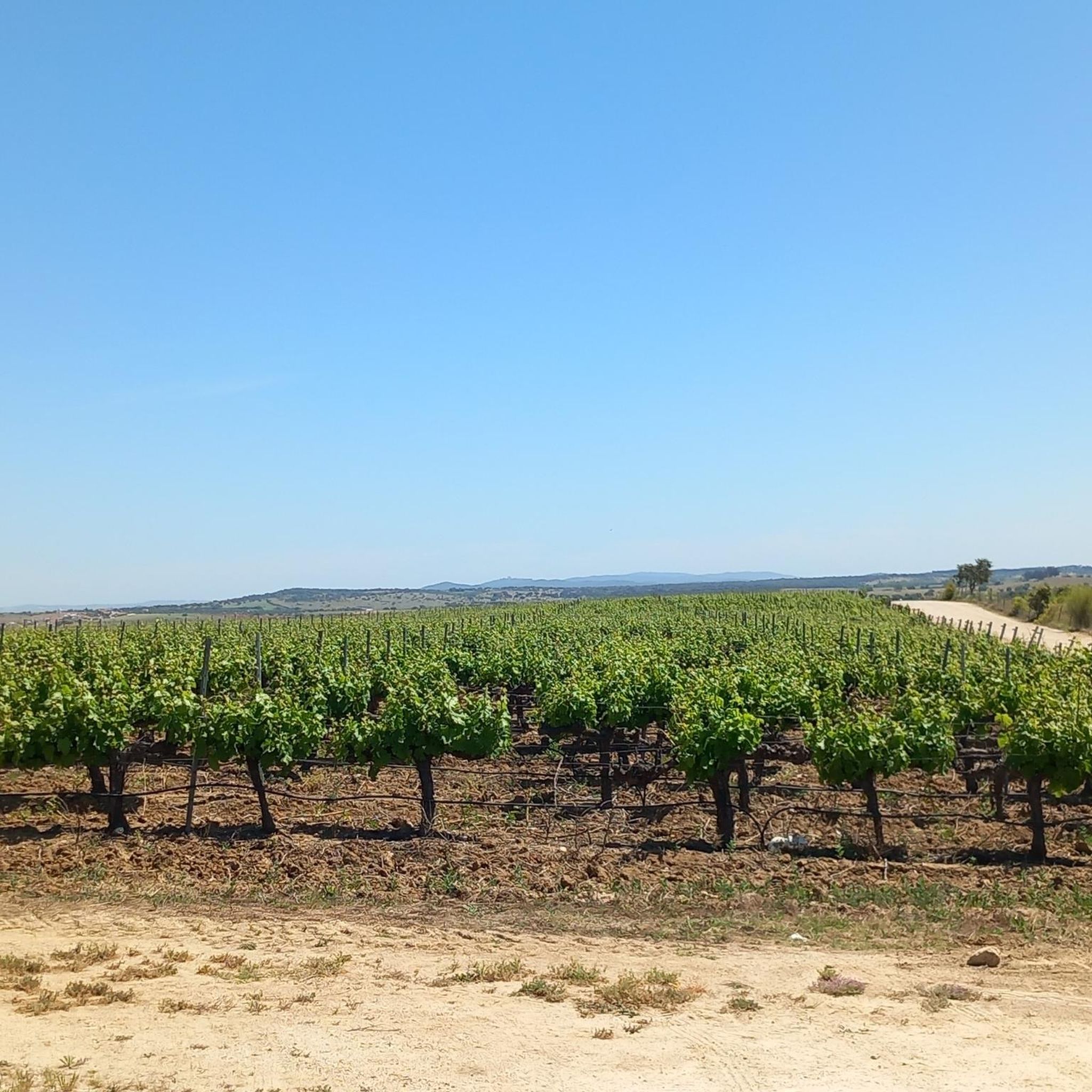
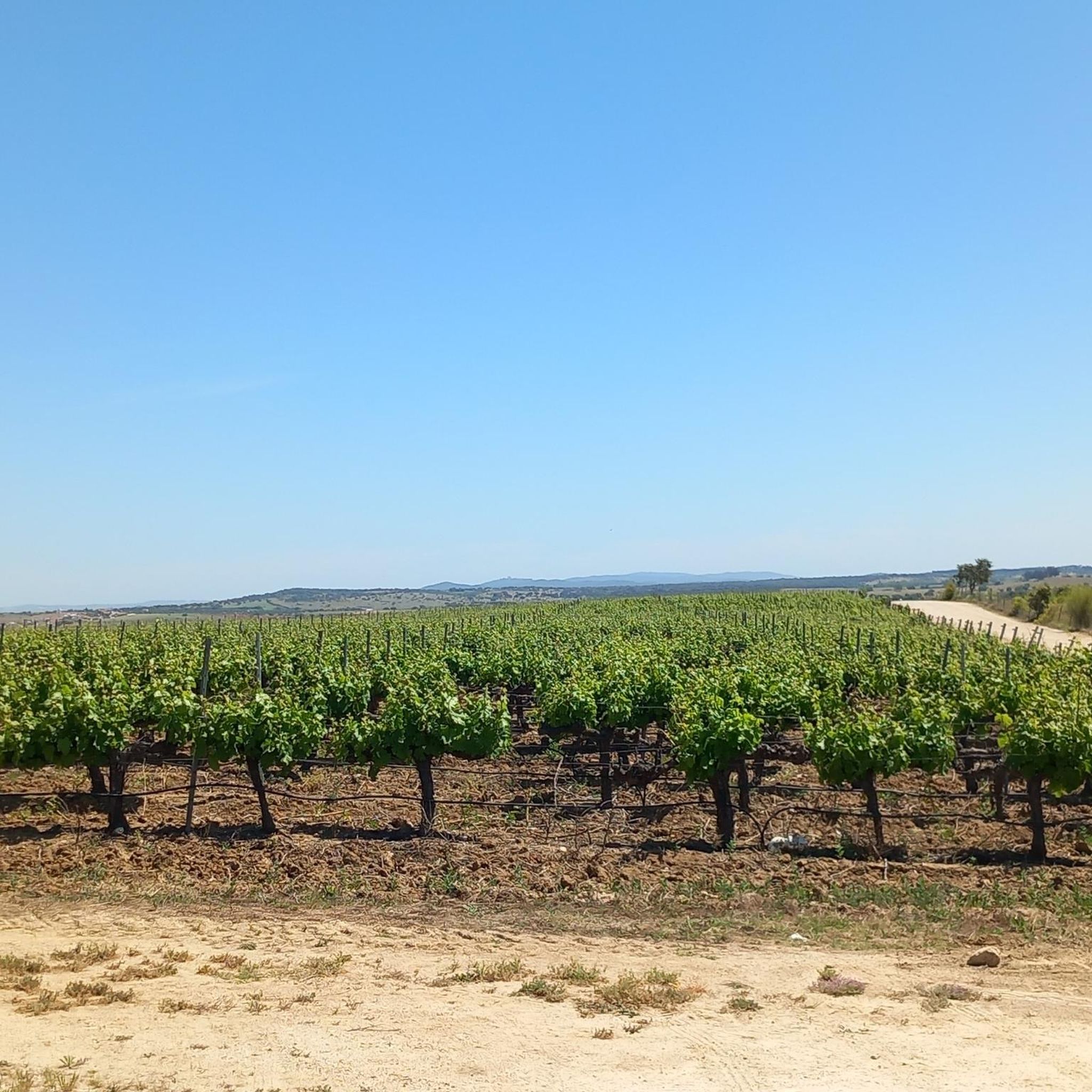
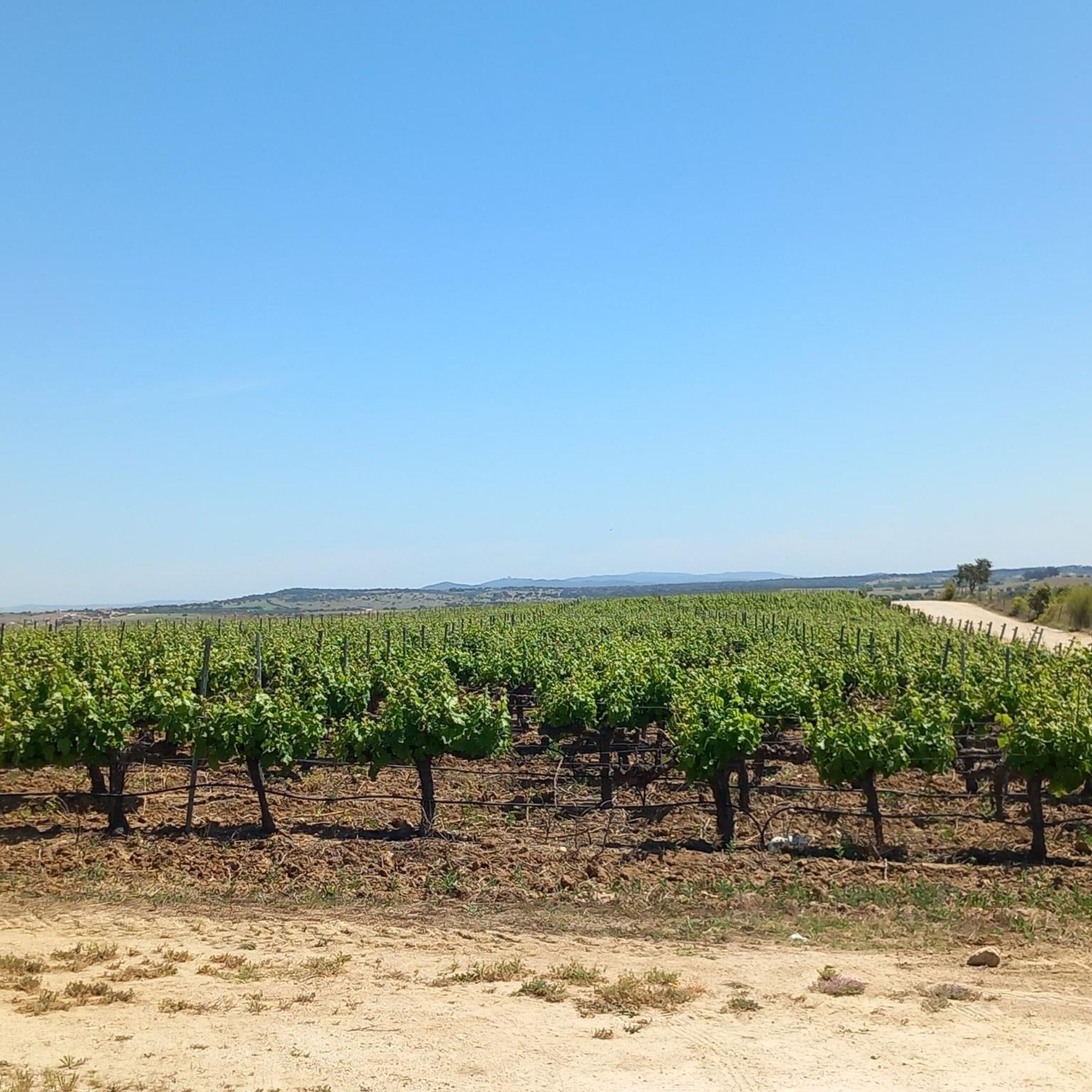
If you've ever been curious about the origin of the cork in your wine bottle, or questioned the composition of the notice board hanging in your workspace, then this guide is specifically designed to answer your queries. The cork oak, or Quercus suber, is a fascinating tree species that primarily grows in the Mediterranean region. Its unique bark is the source of the world's cork supply, a material that is used in a multitude of applications, from wine stoppers to insulation. In this all-encompassing guide, we will thoroughly investigate the mysteries of the cork oak, examining its native surroundings, its significance in the financial structures of Portugal and Spain, and the multitude of its applications. We will also take a close look at the cork production process, including the art of cork harvesting and the fascinating phenomenon of cork regeneration. Portugal and Spain stand as the global frontrunners in cork production, and much like the white oak of North America, the cork oak occupies a distinct position within the cultural and economic fabric of these nations. In Portugal, the montado landscapes are deeply intertwined with rural life, providing a source of income for many communities through cork production and other activities such as farming and beekeeping. In Portugal, the Montado landscapes are similarly important, with the cork oak providing a range of resources including cork, acorns for livestock, and wood for charcoal production. The cork industry in these countries is a significant employer, providing jobs in areas such as harvesting, processing, and manufacturing. Agroforestry, the practice of combining agriculture with forestry, is a key aspect of sustainable cork production. In the montado and dehesa landscapes of Portugal and Spain, cork oaks are grown alongside crops and livestock, creating a diverse and productive landscape. This form of land use not only provides a range of resources, including cork, food, and timber, but also supports a rich biodiversity and helps to conserve soil and water resources. This illustrates a prime instance of how humanity can coexist harmoniously with nature, utilizing resources sustainably.
5
1
The Estremoz Castle was built in a dominant position on a hill to the north of the Serra de Ossa, in the city of Estremoz, in the district of Évora, in Alentejo, Portugal. It is a pentagonal castle with a walled enclosure, reinforced by buttresses that rise around the Torre de Menagem, a spectacular tower built in white marble, 27 metres high. It is believed that the construction of this monumental tower lasted through three reigns: D. Afonso IV, D. Pedro and D. Fernando, and, for this reason, it is known as the Torre das Três Coroas. Beyond the medieval wall, the town of Estremoz has a vast expanse of fortifications from the epic Restoration War, where the towers with battlements and two arched gates stand out, next to which there is a rectangular tower in the Roman-Gothic style, with several windows.
5
1
Estremoz Castle was raised in a dominant position over a hill, up North to the Sierra de Ossa, in the city of Estremoz, inside the district of Évora, in Alentejo, Portugal. It is a castle with a pentagonal floor, with a walled enclosure reinforced with buttress which raises around the Torre de Menagem Keep, an spectacular tower made in white marble and 27 metres height. It is believed that the works for this monumental tower occurred during the reigns D. Alfonso IV, D. Pedro and D. Fernando. That is why it is known as Torres das Três Coroas (The Tower of the Three Crowns). Besides the Medieval fence, the city of Estremoz counts with a vast fortified area from the epic Guerra da Restaruação (Restoration War), where you can distinguish the battlemented towers and two arch doors, and a rectangular tower with Roman-Gothic style with several windows.
5
1
Estremoz is the “white city” of the Alentejo. It can be recognized from afar by its white houses, spread out along a hill, surrounded by old walls and protected, in times gone by, by the imposing Torre de Menagem. The people of Estremoz are friendly and hospitable, like all the people of the Alentejo. The epithet of “white city” is due, in addition to the color of the houses, to the deposits of white marble, the famous “Estremoz Marble”, which made the city internationally famous. The extraction of this raw material in the Alentejo makes Portugal the second largest exporter in the world, with Estremoz contributing around 90% of the total marble. Consider visiting one of these deposits on a trip to the country.
4
1
The Concession of Evoramonte, also known as the Convention of Evoramonte, was a document signed on 26 May 1834, in Evoramonte, in Alentejo, between the Constitutionalists and the Miguelites, that ended the period of civil war (1828–1834) in the Kingdom of Portugal. On the Concession of Evoramonte, Dom Miguel I of Portugal, to end the bloodbath in the country after six years of civil war, surrendered and abandoned his claim to the Portuguese throne, being also subjected to exile and perpetual banishment from the Kingdom of Portugal. It was signed by the representatives of the Constitutionalists, the Marshals of the Army, Duke of Terceira and Count of Saldanha, and by the Miguelite representative, Lieutenant General José António Azevedo e Lemos.
7
0
Frequently Asked Questions
What historical landmarks can I explore in Vimieiro?
Vimieiro is rich in history. You can visit the stately Palácio dos Condes do Vimieiro, several historically significant churches such as Igreja Matriz de Nossa Senhora da Encarnação do Sobral, Igreja da Misericórdia, and Igreja do Espírito Santo. The Former Town Hall Building also offers a glimpse into the village's past as a county seat. For ancient history, the megalithic monument Anta da Venda do Duque is an important archaeological site.
Are there any natural attractions or outdoor spaces to enjoy in Vimieiro?
Yes, Vimieiro offers several natural attractions. The Praia Fluvial de Vimieiro (River Beach) provides a refreshing spot for relaxation. The surrounding Alentejo Landscape features agricultural fields and cork oak forests, rich in biodiversity. You can also visit the Divor Dam near Igrejinha for a serene natural setting.
What outdoor activities are available near Vimieiro?
For outdoor enthusiasts, the Ecopista of the Ramal de Mora: Évora – Arraiolos is a green path along an old railway line, perfect for hiking and cycling. You can find various hiking trails around Vimieiro, including moderate and difficult options like the 'Lake – Montado Cork Oak Forest loop' or the 'View of Évora Monte – Lake loop'. There are also cycling routes and running trails available.
What is the Montado Cork Oak Forest and why is it significant?
The Montado Cork Oak Forest is a unique natural feature where cork is harvested from living cork oak trees. This sustainable practice is vital to the region's economy and ecology, supporting a rich biodiversity. It's a prime example of harmonious coexistence between humanity and nature, providing resources like cork, acorns, and wood.
Are there any castles or historical fortifications to visit nearby?
Absolutely. The region boasts several impressive castles. The Evoramonte Castle, located in the picturesque village of Evoramonte, offers a glimpse into the region's military history and provides scenic views. Further afield, you can explore the Estremoz Castle, known for its dominant position and spectacular white marble tower, or the Arraiolos Castle in the nearby town of Arraiolos.
What is there to see in Estremoz, near Vimieiro?
Estremoz, known as the 'white city' of Alentejo, is famous for its white-washed houses and marble. Besides the impressive Estremoz Castle, you can visit the Gadanha Fountain. This square features a statue of 'Gadanha' (originally representing the god Saturn) and offers magnificent views towards the castle. Estremoz is also renowned for its marble quarries.
Are there family-friendly attractions around Vimieiro?
Many of the outdoor activities and natural sites are suitable for families. The Montado Cork Oak Forest is considered family-friendly, offering an educational and engaging experience in nature. The Praia Fluvial de Vimieiro (River Beach) is also a great spot for families to relax and enjoy the water. Gentle sections of the Ecopista are also suitable for family bike rides or walks.
What is the Ecopista of the Ramal de Mora and what can I do there?
The Ecopista of the Ramal de Mora: Évora – Arraiolos is a green path built along an old railway line. It's ideal for hiking and cycling, traversing natural settings and connecting to nearby cities like Évora and Arraiolos. Much of it is isolated and in the middle of nature, offering a peaceful outdoor experience.
Are there any wheelchair-accessible attractions in the area?
Yes, the Gadanha Fountain in Estremoz is noted as being wheelchair accessible. This historical site allows visitors to enjoy the square, the famous statue, and views towards the castle.
What traditional crafts or cultural experiences can I find near Vimieiro?
In the nearby town of Arraiolos, you can visit the Centro Interpretativo do Tapete de Arraiolos. This interpretive center offers insights into the famous Arraiolos carpets, a traditional craft of the region, showcasing the rich cultural heritage and artistry.
What do visitors enjoy most about the attractions around Vimieiro?
Visitors appreciate the blend of history and natural beauty. The Ecopista of the Ramal de Mora is particularly loved for being a 'hidden gem' and a 'great way to get into the countryside'. The picturesque settings of castles like Evoramonte Castle and the unique landscape of the Montado Cork Oak Forest are also highly valued for their historical significance and natural charm.
Most popular routes around Vimieiro
Most popular attractions around Vimieiro

Get inspired with the komoot mobile app


Explore more
Still not found the Highlight you’re looking for? See guides of the top attractions in other regions:
