The best road cycling routes around Tábua
4.7
(13)
431
riders
24
rides
Road cycling routes near Tábua traverse a landscape characterized by lush greenery, rolling hills, and river valleys. The region is situated between the Serra da Estrela, Lousã, Buçaco, and Caramulo mountains, offering varied terrain for cyclists. Rivers like the Mondego, Alva, and Cavalos carve picturesque paths, while dedicated infrastructure such as the Ecopista do Dão provides a scenic asphalt route. This central Portuguese area combines natural beauty with historical elements, making it suitable for diverse road cycling experiences.
Best road…
Last updated: May 11, 2026
14
riders
83.6km
04:32
1,650m
1,650m
Hard road ride. Very good fitness required. Mostly well-paved surfaces and easy to ride.
5.0
(1)
16
riders
91.1km
04:28
1,350m
1,350m
Hard road ride. Very good fitness required. Some segments of this route may be unpaved and difficult to ride.

Sign up for free
16
riders
75.4km
03:46
1,050m
1,050m
Hard road ride. Very good fitness required. Some segments of this route may be unpaved and difficult to ride.
13
riders
56.4km
02:44
790m
790m
Moderate road ride. Good fitness required. Mostly well-paved surfaces and easy to ride.
12
riders
105km
05:13
1,620m
1,620m
Hard road ride. Very good fitness required. Some segments of this route may be unpaved and difficult to ride.
Get access to more routes and recommendations from other explorers.
Sign up for free
Already have an account?
Our route recommendations are based on thousands of hikes, rides, and runs completed by other people on komoot.
Start today with a free account
Your next adventure awaits.
Login or Signup



Tips from the Community

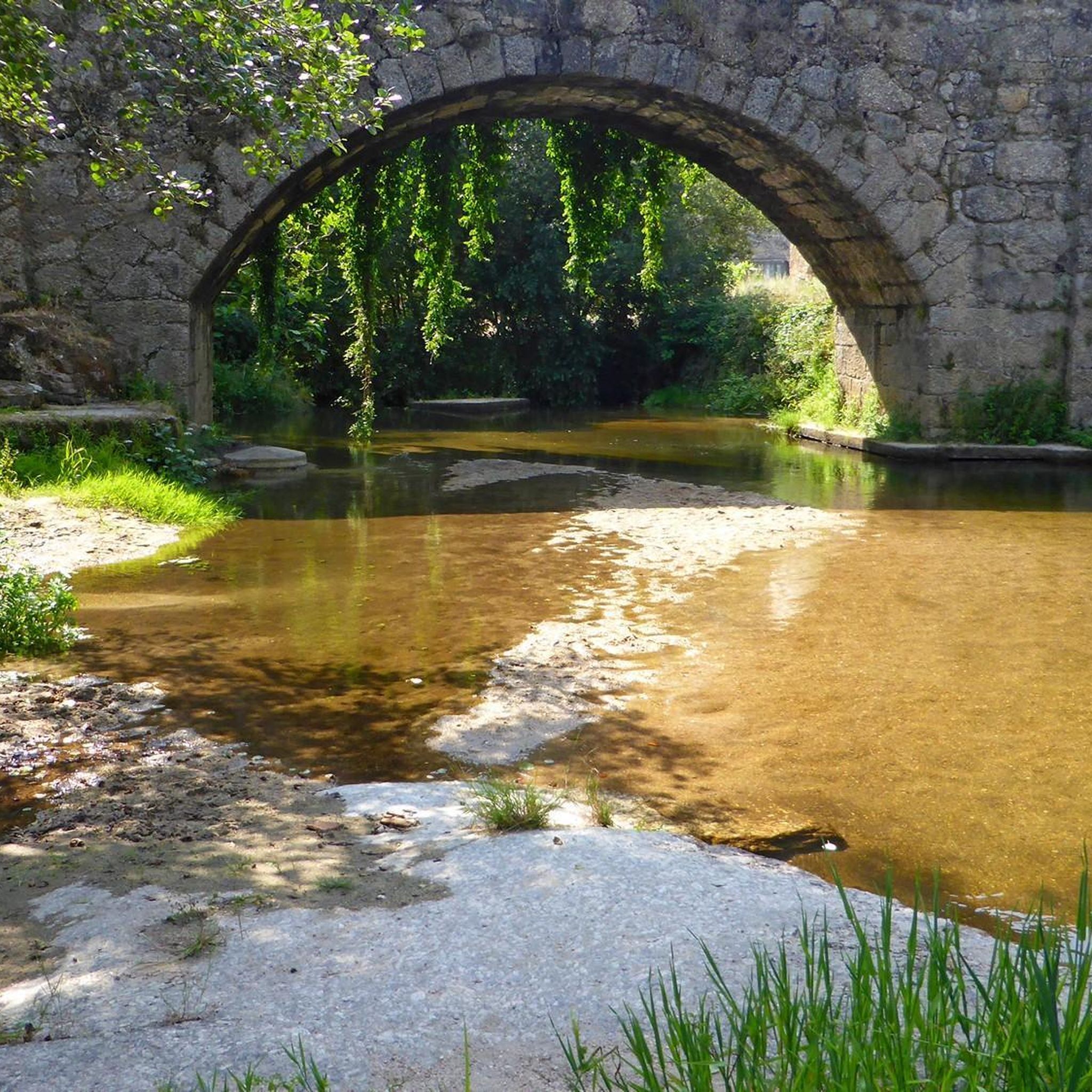
The Ponte Real (or Ponte Velha) over the Ceira River is located in the village of Góis, being one of the historical ex-libris of the region. This medieval-style bridge, later reformed, is an important tourist attraction, crossing the Ceira River, a left-bank tributary of the Mondego River, which originates in the Serra do Açor. Location: Center of the village of Góis, facilitating pedestrian access. Characteristics: Imposing structure with stone arches, typical of crossing constructions from the monarchical period. Surroundings: The Ceira River, near this area, offers river beaches highly sought after during the summer, standing out for the quality of the water and tranquility. History: It is part of the built heritage from the Manueline/medieval period of the region.
1
0

Nestled along the banks of the Alva River, Côja is immersed in a green environment, surrounded by mountains and forests. The village is characterized by traditional architecture, a charming Roman bridge and a peaceful atmosphere.
1
0

In this elevated section, the trail follows the Alva Valley and reveals a breathtaking view. The landscape opens up in a big way and is simply stunning!
1
0

Very good cafe, opens early, always fresh home-made pastries, delicious coffee. Prices are pleasing, staff is friendly.
0
0

AMAZING VIEWS.. TAKE WATER NOT VERY MUCH PLACES TO FILL UP
2
0

The road surface is mostly good. There are height figures with percent for road cyclists. A big problem here, as everywhere in Portugal are the sometimes sharp house dogs, the one barking or even surprisingly incurred from the side, partly inspired by their owners if you get lost in the wrong side street. Too bad.
3
0
Nice center with café behind the church
1
0
Frequently Asked Questions
What kind of terrain can I expect when road cycling around Tábua?
Tábua offers a diverse road cycling landscape characterized by lush greenery, rolling hills, and picturesque river valleys. The region is nestled between the Serra da Estrela, Lousã, Buçaco, and Caramulo mountains, providing varied terrain from moderate climbs to more challenging ascents. You'll find routes along rivers like the Mondego, Alva, and Cavalos, as well as dedicated cycling paths like the Ecopista do Dão.
Are there any challenging road cycling routes for experienced riders in Tábua?
Yes, Tábua provides several challenging routes with significant elevation gain. For instance, the Castelo de Avô – Côja loop from Tábua is a difficult 84 km route with over 1600 meters of elevation gain. Another demanding option is the Royal Bridge over the Ceira River – Fonte de Amandos loop from Tábua, which covers over 105 km with similar elevation.
What are some notable landmarks or natural features I can see along the cycling routes?
Road cycling routes around Tábua offer a blend of natural beauty and historical interest. You can encounter impressive structures like the Roman Bridge of Sumes over the River des Chevaliers, or the scenic Dão River Railway Bridge along the Ecopista do Dão. The region also features panoramic viewpoints like Pedra da Sé, offering stunning views of the Mondego River, and the dramatic Fraga da Pena Waterfall in the Serra do Açor.
Are there any easy or moderate road cycling routes suitable for beginners or families?
While many routes in Tábua feature rolling hills, there are moderate options available. The Côja – Fonte de Amandos loop from Tábua is a moderate 56 km trail that provides a less strenuous option while still showcasing the area's charm. Additionally, the Ecopista do Dão offers a nearly 50 km asphalt path, which is generally flatter and more accessible for a relaxed ride.
What is the best time of year for road cycling in Tábua?
The region's climate generally supports cycling for much of the year. Spring and autumn offer pleasant temperatures and vibrant scenery, making them ideal. Summers can be warm, especially in July and August, so early morning or late afternoon rides are recommended. Winters are milder but can bring more rainfall, though many days remain suitable for cycling.
Are there any long-distance road cycling routes available?
Yes, Tábua serves as a hub for an extensive network of road cycling routes, totaling around 1000 km. Many routes extend towards the Serra da Estrela, Serra do Caramulo, and the Dão wine region, offering options for longer rides. For example, the Royal Bridge over the Ceira River – Fonte de Amandos loop from Tábua is over 105 km, providing a substantial distance for experienced riders.
What kind of amenities can I find along the road cycling routes in Tábua?
The Tábua region, with its traditional villages and towns, offers various amenities for cyclists. You can find cafes and local restaurants in places like Tábua itself, Côja, and other villages along the routes. These spots are perfect for a break, a coffee, or a meal. Accommodation options are also available in the main towns for those planning multi-day tours.
Are there circular road cycling routes around Tábua?
Yes, many of the road cycling routes around Tábua are designed as loops, allowing you to start and end in the same location. Examples include the popular Castelo de Avô – Côja loop from Tábua and the Royal Bridge over the Ceira River – Secarias River Beach loop from Tábua, both offering comprehensive tours of the region's scenery.
How many road cycling routes are available in the Tábua area?
There are over 20 road cycling routes available in the Tábua area, catering to various skill levels. These include a mix of moderate and difficult routes, ensuring options for both casual riders and those seeking a significant challenge.
What do other cyclists say about road cycling in Tábua?
The road cycling routes in Tábua are highly rated by the komoot community, with an average score of 5.0 stars. Cyclists often praise the varied terrain, the stunning natural scenery, and the challenging climbs that make for a rewarding experience. The extensive network of routes and the blend of natural and historical attractions are frequently highlighted.
Are there any river beaches accessible by road bike in the Tábua region?
Yes, some road cycling routes in the Tábua region pass by beautiful river beaches, offering a chance to cool off or relax. For example, the Royal Bridge over the Ceira River – Secarias River Beach loop from Tábua takes you past river beaches, combining natural scenery with your ride. The Ronqueira River Beach is another natural attraction in the area.
Can I find historical sites along the road cycling routes?
Absolutely. Tábua's rich history is woven into its landscape. You can cycle past historical bridges like the Roman Bridge of Sumes and encounter Roman vestiges such as the Via Romana da Pedra da Sé. Traditional villages like Aldeia de Sevilha also offer a glimpse into the region's past with their charming architecture and watermills.
Most popular routes around Tábua
Most popular attractions around Tábua

Get inspired with the komoot mobile app


Explore more
Browse the best Road cycling routes in other regions.
