Attractions and Places To See around Vila Nova De Anços - Top 13
Best attractions and places to see around Vila Nova De Anços include historical landmarks, cultural sites, and natural features. This Portuguese village in the municipality of Soure offers insights into its rich history. Visitors can explore ancient monuments and enjoy tranquil rural landscapes. The area provides opportunities to discover both man-made heritage and natural beauty.
Best attractions and places to see around Vila Nova De Anços
- The most popular attractions is Conímbriga Roman Ruins, a historical site considered the…
Last updated: July 1, 2026
Conímbriga Roman Ruins
Highlight • Historical Site
Translated by Google •
Tip by

Roman Ruins of Conímbriga
Highlight • Historical Site

Sign up now to discover places like this
Get recommendations on the best single tracks, peaks, & plenty of other exciting outdoor places.
Sign up for free
Montemor-o-Velho Castle
Highlight • Castle
Translated by Google •
Tip by

Mouros River Waterfall
Highlight • Waterfall
Translated by Google •
Tip by

Castelo de Montemor-o-Velho
Highlight • Castle
Translated by Google •
Tip by

Sign up for free to discover even more attractions around Vila Nova De Anços.
Sign up for free
Already have an account?
Start today with a free account
Your next adventure awaits.
Login or Signup



Tips from the Community

Conímbriga, an ancient city of Lusitania, is the most impressive Roman complex in Portugal, a place where history still breathes among its baths, forum, amphitheater, and uniquely delicate mosaics, such as those in the famous House of Fountains. Although only a small part has been excavated, the grandeur the city held throughout its almost six centuries under Roman rule is evident. The second wall, hastily erected with stone taken from entire buildings, reveals a time of threat and decline, a prelude to the abandonment that followed the Suebian invasions. Today, among fallen columns and pavements that still gleam in the sun, Conímbriga continues to intrigue and amaze, preserving in its ruins the stories that time has almost erased.
2
0

Barely any original contributions, yet a pioneer. Someone has to try and emulate me.
7
3

Free and accessible for people with disabilities via escalator
11
2


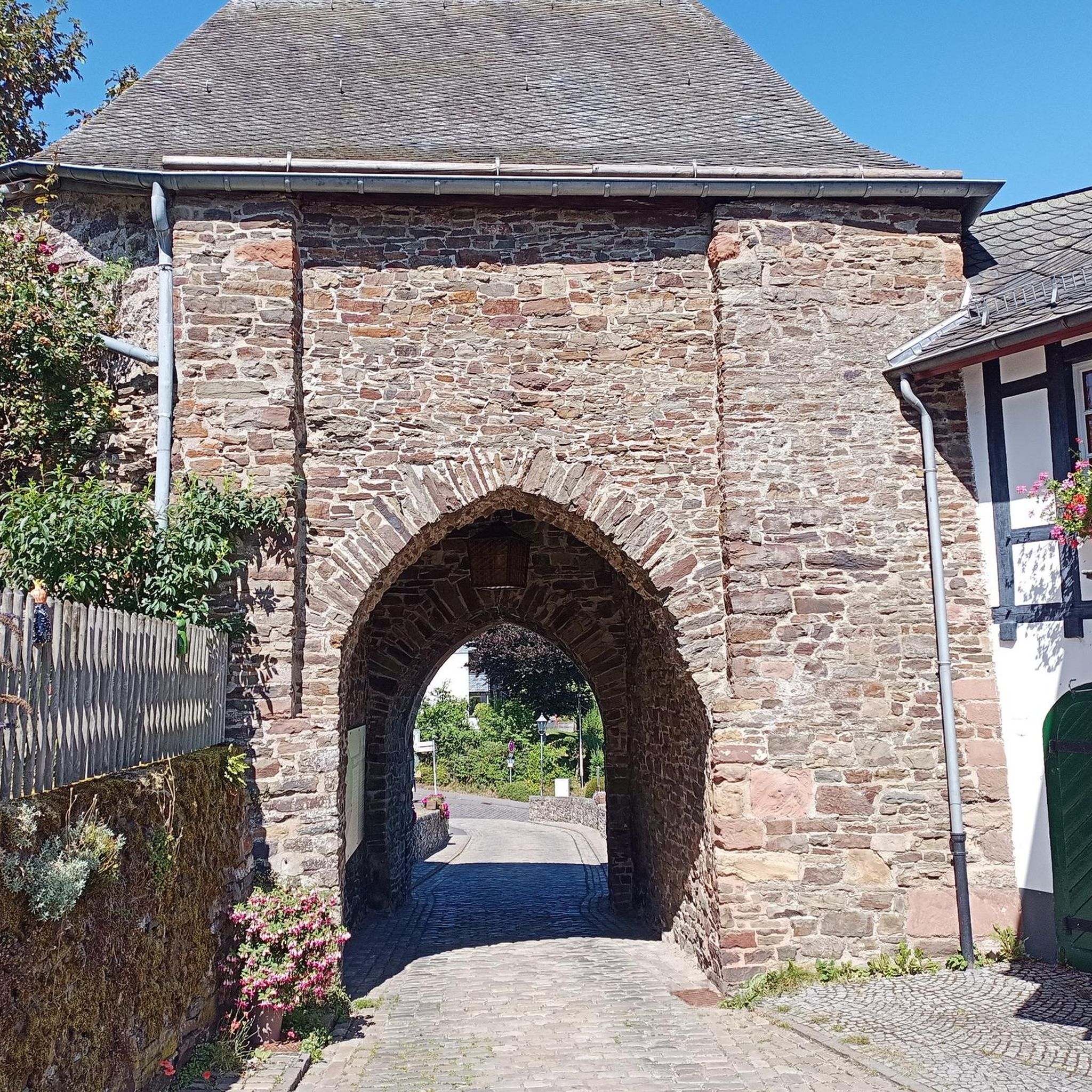
Although there are references to its existence as early as the High Middle Ages, what remains today dates from the late 14th century. Within the walls are remains of the old Medieval Palace, where the death of Dona Inês de Castro was reportedly decided, as well as the Church of Santa Maria da Alcáçova, founded in 1095 but restored in the 16th century. During the Arab occupation, materials imported from Córdoba arrived at Montemayur Castle, including capitals dating back to the Caliphate period, one of which is now part of the collection of the Machado de Castro National Museum in Coimbra. Later, the castle would play a recognized strategic role during the Christian reconquest of the territory. (Source: www.turismodocentro.pt)
13
0

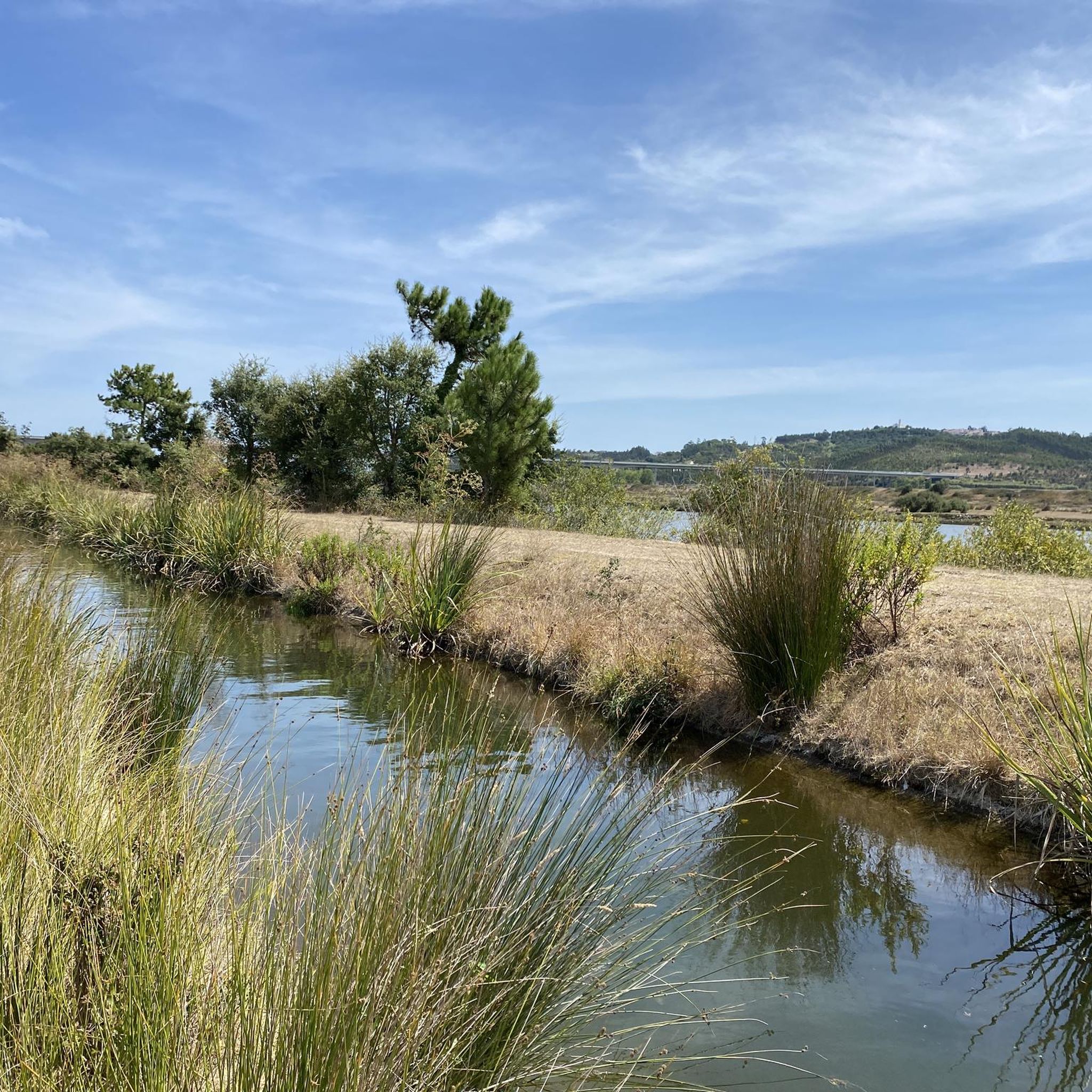
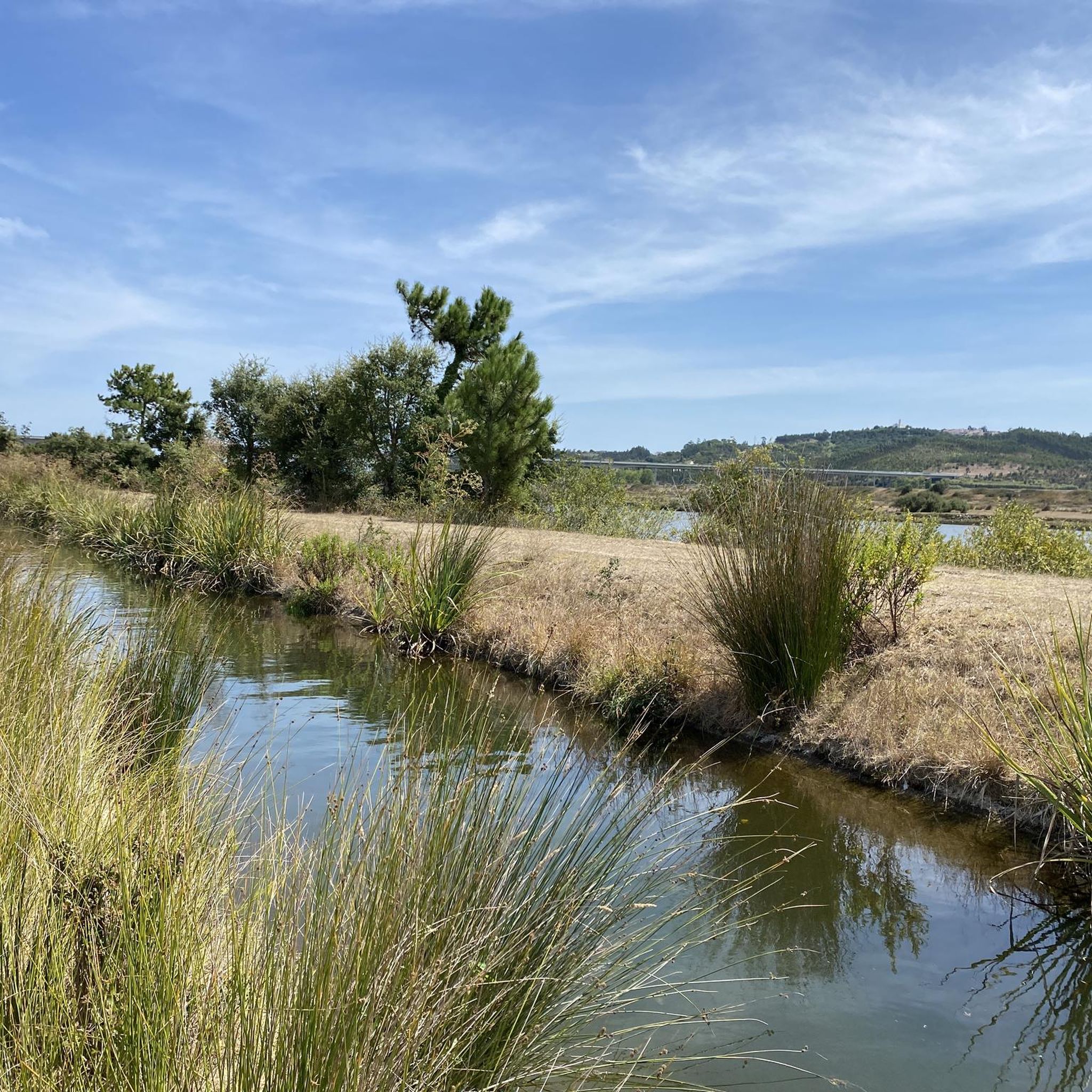
Second week June 2025, not a single drop of water on the river. Seems the river only have water during winter season.
2
0

Here you can watch archaeologists at work.
1
0
Frequently Asked Questions
What historical landmarks can I explore within Vila Nova de Anços?
Within Vila Nova de Anços, you can discover several significant historical sites. These include the 16th-century Manueline Pelourinho de Vila Nova de Anços, the ancient Igreja Matriz (Mother Church) which predates the 15th century, and the Igreja da Misericórdia from 1636. Other notable structures are the Capela de Nossa Senhora dos Remédios and the Cruzeiro do Santo Cristo, both dating to the 17th and 18th centuries. The village also features several historic solar houses, such as those of the Coelho family and the Morgados de Sarinha.
What are the most impressive Roman sites near Vila Nova de Anços?
The most impressive Roman complex nearby is the Conímbriga Roman Ruins, considered one of Portugal's most significant. It features baths, a forum, an amphitheater, and delicate mosaics, including those in the famous 'House of Fountains'. Another Roman structure is the Mãe de Água de Alcabideque, a 1st-century monument designed to capture and raise water for the aqueduct leading to Conímbriga.
Are there any castles to visit in the vicinity of Vila Nova de Anços?
Yes, you can visit the Montemor-o-Velho Castle, which has origins in the High Middle Ages. While its current form dates from the late 14th century, it contains remains of a Medieval Palace and the Church of Santa Maria da Alcáçova. It played a strategic role during the Christian reconquest.
What natural areas or wetlands can I explore near Vila Nova de Anços?
The most notable natural area is the Paul da Madriz, a wetland spanning approximately 40 hectares. It serves as a sanctuary for local flora and fauna. You can enjoy views of Paul da Madriz and the Arunca Valley from the Outeiro da Nossa Senhora dos Remédios.
What outdoor activities are available around Vila Nova de Anços?
The region around Vila Nova de Anços offers various outdoor activities. You can find numerous routes for running, mountain biking (MTB), and gravel biking. For example, there are running loops from Sebal e Belide and Soure, and MTB trails around Montemor-o-Velho Castle. You can explore more options on the dedicated komoot guides for Running Trails, MTB Trails, and Gravel Biking in the area.
Are there any waterfalls or rivers to see near Vila Nova de Anços?
Yes, you can find the Mouros River Waterfall. However, it's important to note that the river only has water between November and March, so the waterfall is best visited during the winter months. During other times of the year, it may be dry.
Are there family-friendly attractions around Vila Nova de Anços?
Absolutely. The Conímbriga Roman Ruins are a great family-friendly option, offering an engaging historical experience with ancient structures and mosaics. The Mãe de Água de Alcabideque, an impressive Roman water capture system, is also suitable for families interested in history and engineering.
What is the best time to visit the attractions around Vila Nova de Anços?
The best time to visit depends on your interests. For outdoor activities like hiking and cycling, spring (April-May) and autumn (September-October) offer pleasant temperatures. If you wish to see the Mouros River Waterfall with water, the winter months (November-March) are ideal. Historical sites like the Roman Ruins of Conímbriga can be visited year-round, though summer can be hot.
What do visitors enjoy most about the attractions near Vila Nova de Anços?
Visitors particularly enjoy the historical depth and preservation of sites like the Conímbriga Roman Ruins, appreciating the detailed mosaics and the scale of the ancient city. The scenic paths and the historical significance of the Montemor-o-Velho Castle also receive high praise. The blend of rich history with tranquil rural landscapes and opportunities for outdoor exploration is a key draw.
Can I find rural landscapes and river paths for walking near Vila Nova de Anços?
Yes, the area surrounding Vila Nova de Anços is characterized by tranquil rural landscapes and offers river paths, particularly along the Mouros River. These paths provide excellent opportunities for walking and exploring the natural beauty of the region.
Are there any specific historical monuments classified as Public Interest Property in Vila Nova de Anços?
Yes, the Pelourinho de Vila Nova de Anços, a 16th-century Manueline pillory, is classified as a Public Interest Property. It's a significant historical monument featuring a hexagonal base, an octagonal shaft, and heraldic elements.
Most popular routes around Vila Nova De Anços

Get inspired with the komoot mobile app


Explore more
Still not found the Highlight you’re looking for? See guides of the top attractions in other regions:
