Attractions and Places To See around Tapéus - Top 20
Best attractions and places to see around Tapéus include significant Roman archaeological sites and unique natural geological formations. This region, situated near Coimbra, offers a blend of historical exploration and outdoor discovery. Visitors can explore ancient ruins and impressive natural landscapes, providing diverse points of interest. The area is characterized by its historical depth and distinctive natural features.
Best attractions and places to see around Tapéus
- The most popular attractions is Buracas do Casmilo, a cave and natural monument…
Last updated: May 4, 2026
Conímbriga Roman Ruins
Highlight • Historical Site
Translated by Google •
Tip by

Roman Ruins of Conímbriga
Highlight • Historical Site

Sign up now to discover places like this
Get recommendations on the best single tracks, peaks, & plenty of other exciting outdoor places.
Sign up for free
Lapiás do Casmilo
Highlight • Natural Monument
Translated by Google •
Tip by
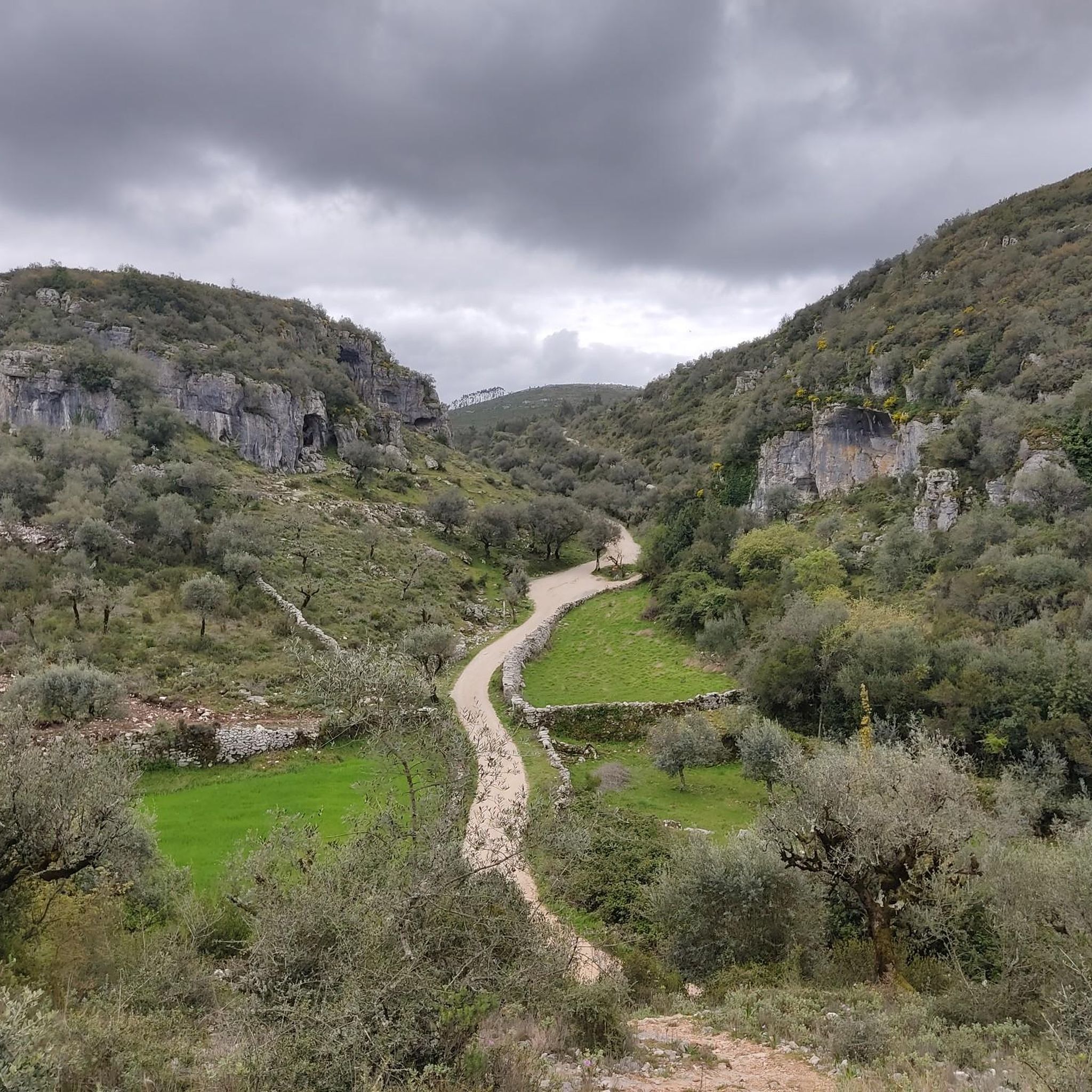
Poios Canyon
Highlight • Gorge
Translated by Google •
Tip by
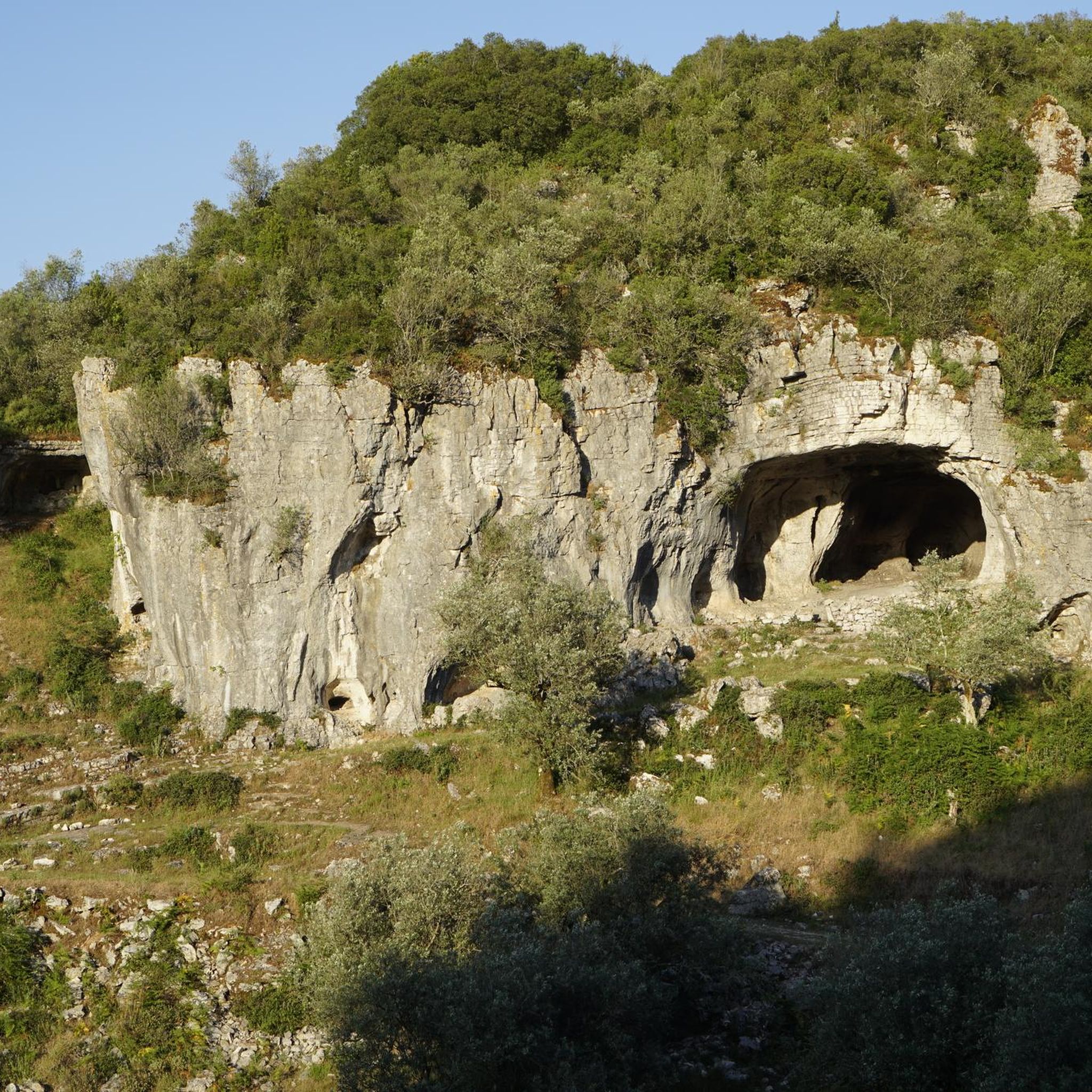
Buracas do Casmilo
Highlight • Cave
🏞️ Lapiaz, dolines and unique rock formations in Portugal;
🌿 Buracas do Casmilo and Bosque do Vale dos Covões are the highlights;
📸 Ideal for photography, geological observation and contemplation;
Translated by Google •
Tip by

Sign up for free to discover even more attractions around Tapéus.
Sign up for free
Already have an account?
Start today with a free account
Your next adventure awaits.
Login or Signup


Tips from the Community

Conímbriga, an ancient city of Lusitania, is the most impressive Roman complex in Portugal, a place where history still breathes among its baths, forum, amphitheater, and uniquely delicate mosaics, such as those in the famous House of Fountains. Although only a small part has been excavated, the grandeur the city held throughout its almost six centuries under Roman rule is evident. The second wall, hastily erected with stone taken from entire buildings, reveals a time of threat and decline, a prelude to the abandonment that followed the Suebian invasions. Today, among fallen columns and pavements that still gleam in the sun, Conímbriga continues to intrigue and amaze, preserving in its ruins the stories that time has almost erased.
2
0
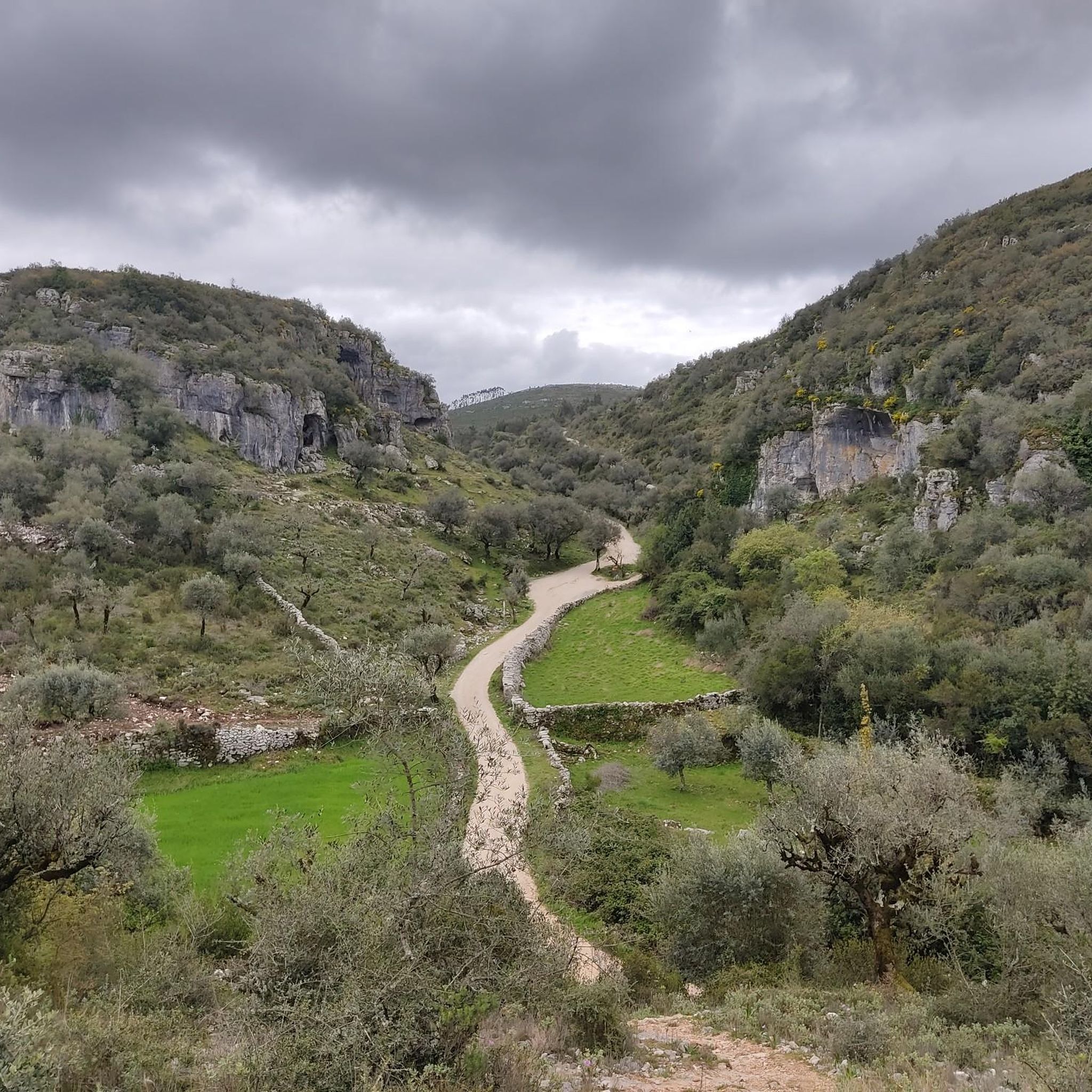
The Poio Valley stands as a well-kept secret of the mountains, preserved for centuries by its rugged, steep, wild, and inaccessible geography. Only shepherds and adventurers used to know these paths. Perhaps that is why a rare fauna found refuge here. It is one of the largest fluviokarstic canyons in Portugal, a valley patiently sculpted by water, which left monumental slopes and a breathtaking landscape. To the south lies Poio Velho; to the north, the more famous Poio Novo, two chapters of the same magnificent landscape.
2
0

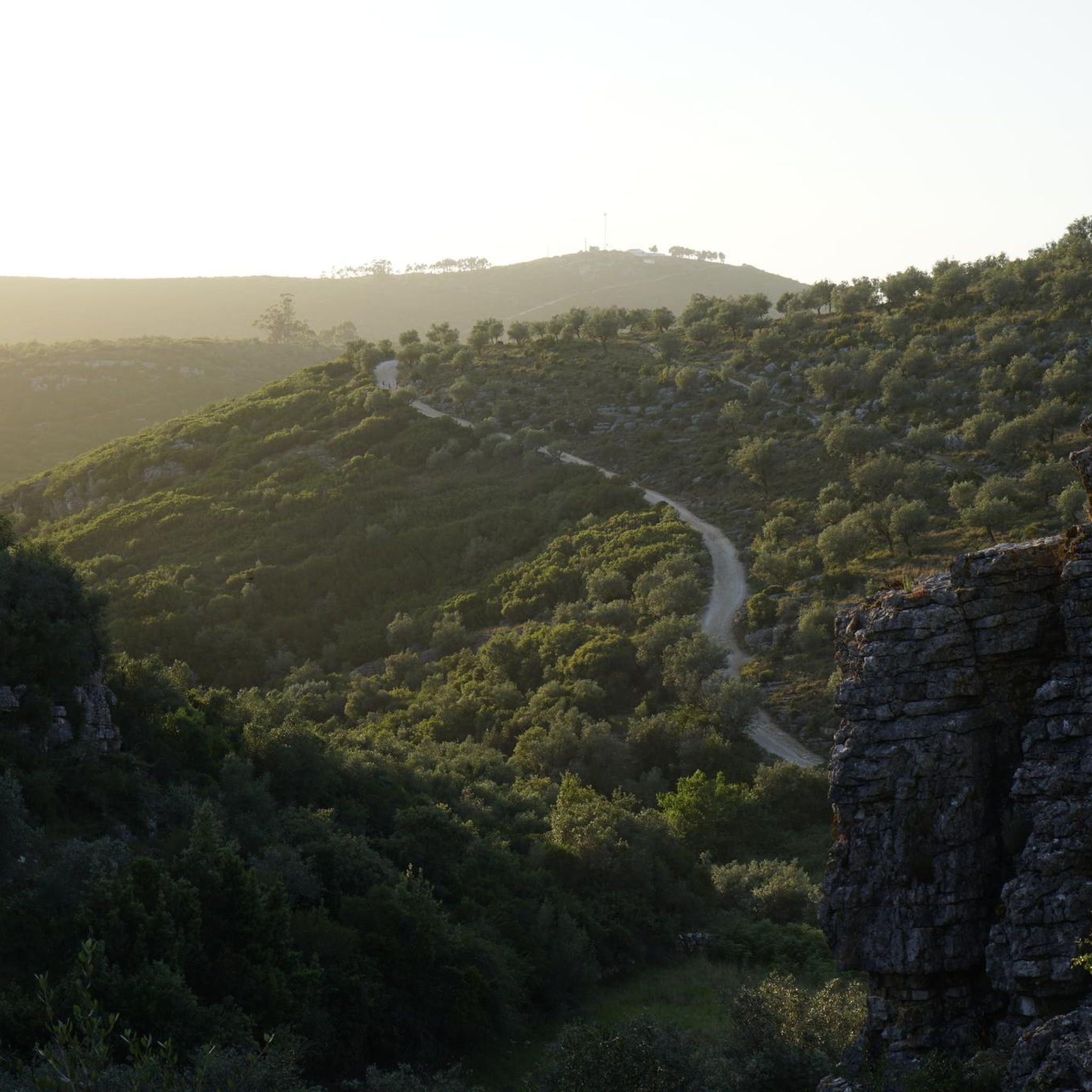
✨ Circular route with landscapes of rare natural beauty; 🏞️ Lapiaz, dolines and unique rock formations in Portugal; 🌿 Buracas do Casmilo and Bosque do Vale dos Covões were the highlights of the day; 📸 Ideal for photography, geological observation and contemplation; 🍂 A perfect trail for autumn, with the valley painted in golden tones.
1
0
✨ Landscapes of rare natural beauty; 🏞️ Lapiaz, dolines and unique rock formations in Portugal; 🌿 Buracas do Casmilo and Bosque do Vale dos Covões are the highlights; 📸 Ideal for photography, geological observation and contemplation; 🍂 Perfect for autumn, with the valley painted in golden tones.
2
0


Here you can watch archaeologists at work.
1
0
Frequently Asked Questions
What historical sites can I visit around Tapéus?
The most prominent historical site is the Conímbriga Roman Ruins, an ancient Roman city featuring thermal baths, a forum, city walls, and intricate mosaics. It's considered the most impressive Roman complex in Portugal.
Are there other significant historical landmarks near Tapéus besides Conímbriga?
Yes, the broader region offers several notable historical sites. You can visit the magnificent Baroque Library (Biblioteca Joanina) within the historic University of Coimbra, the Santa Cruz Church in Coimbra (resting place of Portugal's first two kings), or the medieval Castle of Penela.
What natural geological formations can I explore in the area?
You can explore Buracas do Casmilo, a natural monument featuring unique rock formations, lapiaz, and dolines, ideal for geological observation and photography. Another impressive natural wonder is Poios Canyon, a fluviokarstic canyon with monumental slopes and a rugged landscape, also great for photography and wall climbing.
Are there hiking trails suitable for different skill levels near Tapéus?
Yes, there are various hiking opportunities. For easy walks, you can find trails like the Lapiás do Casmilo – Buracas do Casmilo loop. You can explore more options on the Easy hikes around Tapéus guide.
What cycling opportunities are available around Tapéus?
The region offers diverse cycling experiences. You can find challenging mountain biking routes, such as the Mãe de Água de Alcabideque – Ateanha loop, or explore gravel biking trails. For detailed routes, check out the MTB Trails around Tapéus guide and the Gravel biking around Tapéus guide.
Are there family-friendly attractions or activities in the Tapéus area?
Absolutely. The Conímbriga Roman Ruins are considered family-friendly, offering an educational glimpse into ancient history. Additionally, in Coimbra, you can visit Portugal dos Pequenitos, a theme park designed to educate children about Portuguese history and culture through miniature landmarks.
Can I find trails along the Tagus River near Tapéus?
While Tapéus is not directly on the Tagus River, the broader region features impressive riverside trails. The Barca D'Amieira Trail, opened in 2021, includes a walkway, suspension bridge, and viewpoint. The Tagus Panoramic Trail is another popular riverside route, enhanced with walkways and bridges, and is part of the Great Route of the Tagus (GR12).
Are there any waterfalls to visit near Tapéus?
Yes, you can visit the Mouros River Waterfall. However, it's important to note that the river typically only has water between November and March, so plan your visit accordingly to see the falls in action.
What kind of wildlife can I expect to see around Tapéus?
While specific wildlife sightings vary, the broader region, particularly the Tagus Estuary Natural Reserve, is a prime location for birdwatching. The rugged and inaccessible areas, like Poios Canyon, have historically provided refuge for rare fauna.
Where can I find the best viewpoints in the Tapéus region?
Excellent viewpoints can be found at Buracas do Casmilo for its unique geological landscapes, and Poios Canyon for breathtaking views of its monumental slopes. The Palace of Schools in Coimbra also offers panoramic views of the city.
What do visitors enjoy most about the attractions around Tapéus?
Visitors particularly appreciate the blend of historical exploration and natural beauty. The grandeur of the Conímbriga Roman Ruins and its delicate mosaics, alongside the rare natural beauty and unique rock formations of Buracas do Casmilo, are frequently highlighted as memorable experiences.
What is the best time of year to visit outdoor attractions around Tapéus?
The region offers beauty year-round, but for outdoor activities like hiking and exploring natural formations, spring and autumn are often ideal. Autumn, in particular, is noted for the golden tones in valleys like Buracas do Casmilo. If you wish to see the Mouros River Waterfall, visit between November and March.

Get inspired with the komoot mobile app


Explore more
Still not found the Highlight you’re looking for? See guides of the top attractions in other regions:
