The best road cycling routes around Zambujal
5.0
(8)
380
riders
29
rides
Road cycling routes around Zambujal, located in the Coimbra district of Portugal, offer a diverse terrain for cyclists. The region is characterized by varied landscapes, including challenging climbs and scenic stretches. Cyclists can expect undulating roads with notable elevation changes, providing a test for different skill levels. The area features a mix of natural scenery and proximity to historical sites, enhancing the cycling experience.
Best road cycling routes around Zambujal
- The most popular road cycling route is Montemor-o-Velho Castle –…
Last updated: July 16, 2026
5.0
(1)
32
riders
66.6km
02:55
490m
490m
Moderate road ride. Good fitness required. Some segments of this route may be unpaved and difficult to ride.
33
riders
52.5km
02:45
700m
700m
Moderate road ride. Good fitness required. Some segments of this route may be unpaved and difficult to ride.

Sign up for free
5.0
(1)
29
riders
110km
05:45
1,910m
1,910m
Hard road ride. Very good fitness required. Mostly well-paved surfaces and easy to ride.
24
riders
39.9km
02:01
550m
550m
Moderate road ride. Good fitness required. Some segments of this route may be unpaved and difficult to ride.
18
riders
Moderate road ride. Good fitness required. Mostly well-paved surfaces and easy to ride.
Get access to more routes and recommendations from other explorers.
Sign up for free
Already have an account?
Our route recommendations are based on thousands of hikes, rides, and runs completed by other people on komoot.
Start today with a free account
Your next adventure awaits.
Login or Signup

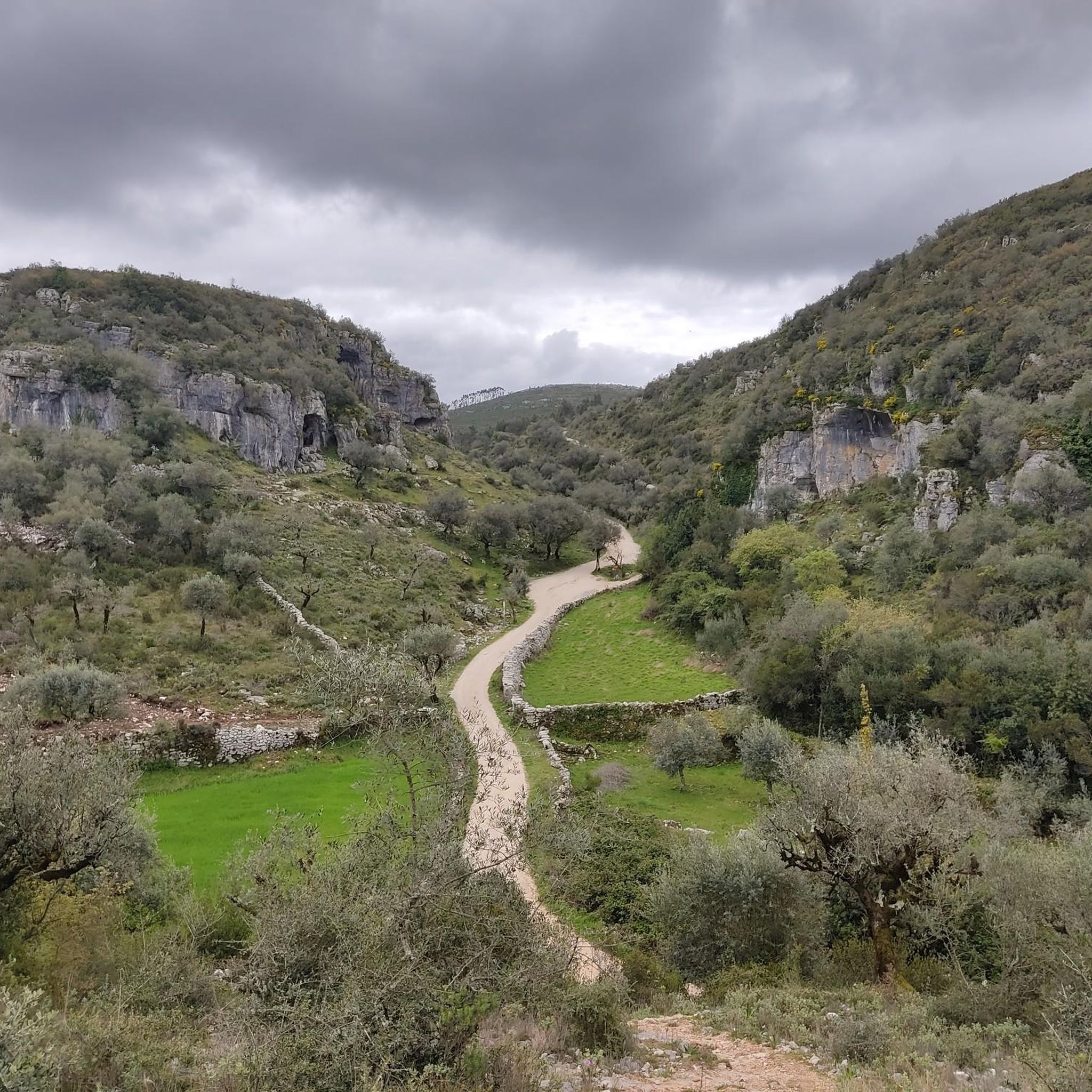
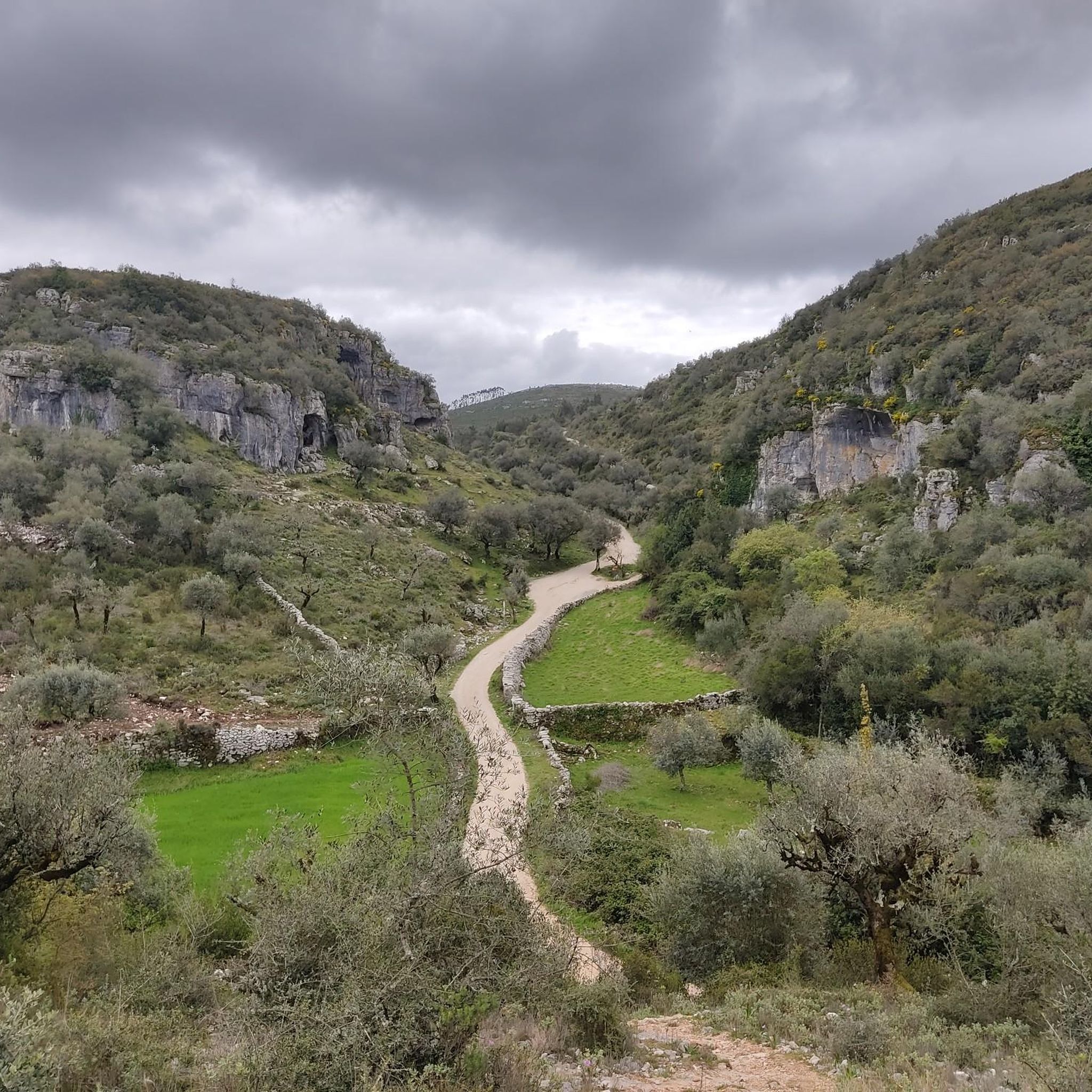
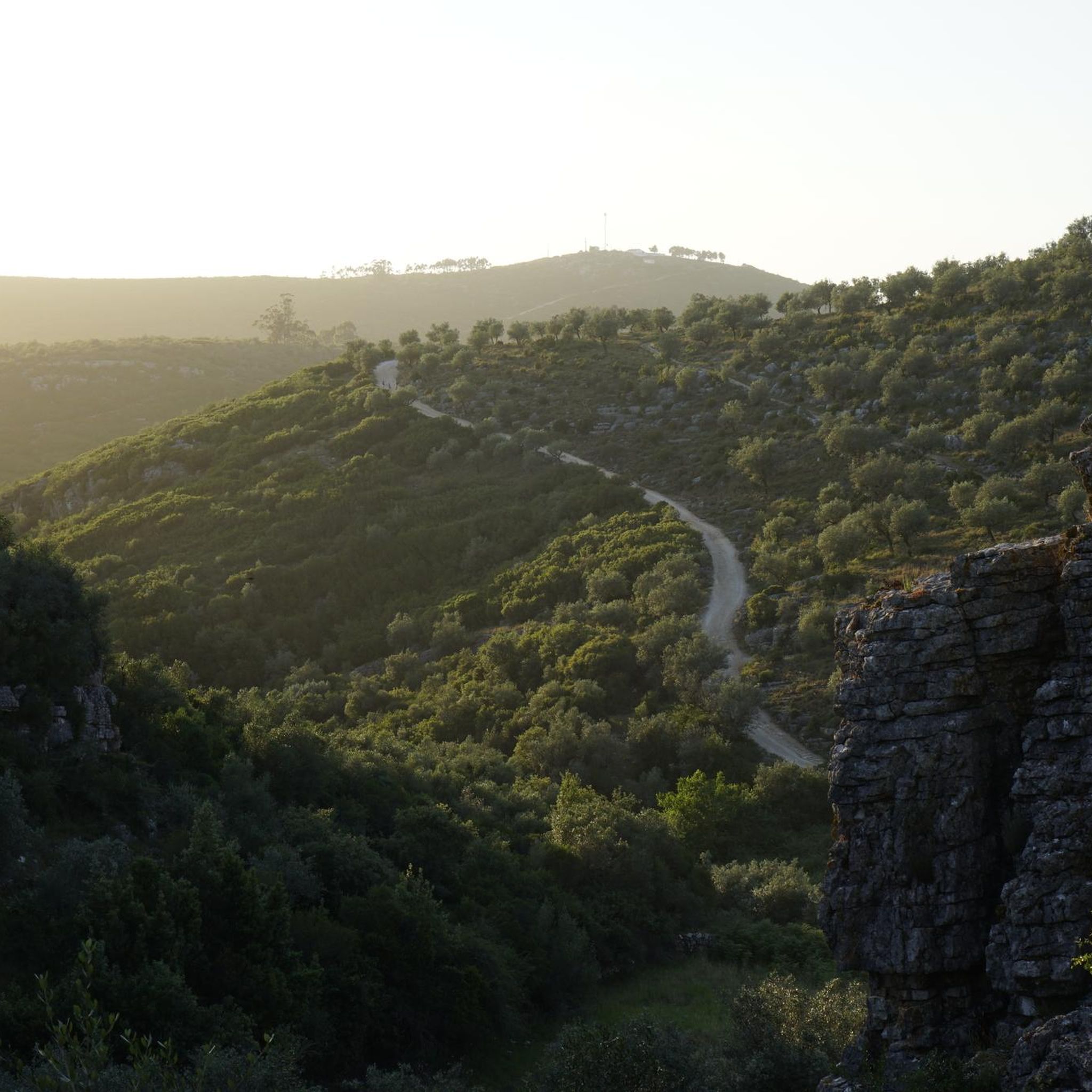

Tips from the Community

whether passing through or sitting there, you will enjoy a magnificent image
0
0

An excellent place for a hike or simply a walk along the Mondego river, from Choupal to the Convent of São Francisco. Steps for Peace Hike, to be held on September 27, 2026, during the Season of Creation, on the occasion of the 800th anniversary of the Easter of Saint Francis of Assisi, pioneer of integral ecology and inspirer of Laudato Si'.
0
0

Penela Castle stands atop the rocky outcrop that gave it its name (peñela, "small stone hill"), dominating the town with imposing walls and towers dating from the 15th and 16th centuries. Founded in the 11th century by D. Sesnando Davides, it formed part of the Mondego defensive line, and its walls still reach 19 meters in height today. From the original fortress arose the castle that later served as a keep. On the walls, facing the Serra da Lousã mountain range, stand out arrow slits and loopholes, marks of its long military life, from arrows to firearms. Penela preserves three historical entrances: the Porta da Vila (Town Gate), the evocative Porta da Traição (Gate of Treason), with its double opening and Moorish inspiration, and the Porta do Relógio (Clock Gate), a reminder of the old breach where two towers collapsed in the 1755 earthquake. In short, a castle small in form, but enormous in history.
1
0

Coimbra is one of the most important cities in Portugal, once the capital of the kingdom and now a World Heritage Site with a renowned university
8
0

There are two beautiful avenues under different trees.
1
0
On the city side at the end of the bridge there are some cafes and restaurants: there you can sit nicely by the river
4
0

Although there are references to its existence as early as the High Middle Ages, what remains today dates from the late 14th century. Within the walls are remains of the old Medieval Palace, where the death of Dona Inês de Castro was reportedly decided, as well as the Church of Santa Maria da Alcáçova, founded in 1095 but restored in the 16th century. During the Arab occupation, materials imported from Córdoba arrived at Montemayur Castle, including capitals dating back to the Caliphate period, one of which is now part of the collection of the Machado de Castro National Museum in Coimbra. Later, the castle would play a recognized strategic role during the Christian reconquest of the territory. (Source: www.turismodocentro.pt)
13
0

Penela Castle is a medieval fortress with an irregular plan and winding outline, stretching from north to south taking advantage of the natural cliff, so that the walls vary in height between 7 and 19 metres. It was part of the Mondego defensive line during the Christian Reconquista.
1
0
Frequently Asked Questions
What kind of terrain can I expect on road cycling routes around Zambujal?
Road cycling around Zambujal, particularly in the Coimbra district, offers a diverse and often challenging terrain. You'll encounter undulating roads with notable elevation changes, including climbs like the one in Gordos, which is a Category 4 climb with an average gradient of 2.9% and a maximum of 15.7%. The region features a mix of natural scenery and proximity to historical sites, providing varied backdrops for your rides.
How many road cycling routes are available in the Zambujal area?
There are over 30 road cycling routes available around Zambujal, catering to various skill levels. The majority of these, 28 to be exact, are classified as moderate, with 2 routes considered difficult, offering a good challenge for experienced cyclists.
Are there any challenging climbs for road cyclists in Zambujal?
Yes, Zambujal is known for its challenging climbs. A notable feature is the 'Zambujal cycling climb' in Gordos, which is a Category 4 climb. It covers 4.66 kilometers with an average gradient of 2.9% and reaches an elevation of 177 meters, with sections as steep as 15.7%. This climb is a popular test for many cyclists.
What scenic views or landmarks can I expect to see on road cycling routes near Zambujal?
Many routes offer scenic views and pass by interesting landmarks. For instance, the route Montemor-o-Velho Castle – View of Coimbra loop from Quinta das Abertas provides views towards Coimbra and passes the historic Montemor-o-Velho Castle. Another route, Pedro and Inês Footbridge – View of Coimbra loop from Quinta das Abertas, offers scenic views of Coimbra and river crossings. You can also explore natural features like the Fraldeu Waterfall on the Fraldeu Waterfall – Drinking Water Fountain loop from São Miguel, Santa Eufémia e Rabaçal route.
Are there any family-friendly road cycling routes in Zambujal?
While the majority of routes around Zambujal are classified as moderate to difficult due to varied terrain and elevation changes, there are no routes specifically designated as 'easy' in the komoot guide. Families with older children or those comfortable with moderate distances and climbs might enjoy some of the less strenuous moderate routes, but caution is advised for beginners.
What do other road cyclists say about the routes in Zambujal?
The road cycling routes in Zambujal are highly regarded by the komoot community, boasting an average rating of 5.0 stars from 6 reviews. Cyclists often praise the challenging climbs, varied terrain, and the natural scenery encountered along the way. Over 300 road cyclists have used komoot to explore this region.
Can I find routes that include historical sites or cultural attractions?
Absolutely. The region around Zambujal is rich in history. You can incorporate visits to nearby historical attractions such as the Roman Ruins of Conímbriga or the Castelo de Penela, which is featured on a loop from Condeixa-a-Nova. These sites provide cultural enrichment and picturesque backdrops for your rides.
Are there any waterfalls or natural gorges accessible by road bike in the area?
Yes, the region offers natural attractions. The Fraldeu Waterfall – Drinking Water Fountain loop from São Miguel, Santa Eufémia e Rabaçal is a route that leads through natural landscapes and includes a waterfall. Additionally, you can find natural features like Buracas do Casmilo (caves) and Poios Canyon nearby, which could be points of interest during your cycling excursions.
What is the best time of year for road cycling in Zambujal?
While specific seasonal recommendations are not provided, the varied terrain of Zambujal suggests that spring and autumn would likely offer the most pleasant cycling conditions, with milder temperatures and less extreme weather. Summer can be hot, and winter might bring cooler, wetter conditions, especially on exposed climbs.
Are there any circular road cycling routes around Zambujal?
Yes, many of the road cycling routes in Zambujal are designed as loops, allowing you to start and finish at the same point. Examples include the Montemor-o-Velho Castle – View of Coimbra loop from Quinta das Abertas and the Palheiros River Beach – View of Coimbra loop from Cernache, offering convenient circular journeys.
What are some of the longer road cycling routes available?
For those looking for longer rides, the Montemor-o-Velho Castle – View of Coimbra loop from Quinta das Abertas covers approximately 66.7 km (41.5 miles). Another substantial option is the Castelo de Penela – Penela Castle loop from Condeixa-a-Nova, which is about 61.9 km long.
Most popular attractions around Zambujal

Get inspired with the komoot mobile app


Explore more
Browse the best Road cycling routes in other regions.
