The best cycling routes around Vila Cova De Alva
4.0
(1)
28
riders
3
rides
Touring cycling around Vila Cova De Alva is characterized by its location on the left bank of the Alva River and at the foothills of the Serra do Açor. The region is part of Portugal's Central Cordillera, offering varied terrain with both challenging climbs and descents. Dense forests and river valleys define the landscape, providing diverse routes for cyclists. This area is also known for its "Aldeias do Xisto" (Schist Villages), integrating cultural heritage into the natural environment.
Best touring…
Last updated: July 16, 2026
1
riders
16.8km
01:37
300m
300m
Moderate bike ride. Good fitness required. Mostly paved surfaces. Suitable for all skill levels.
13.1km
01:09
490m
480m
Hard bike ride. Very good fitness required. Mostly paved surfaces. Suitable for all skill levels.

Sign up for free
6
riders
62.7km
04:14
1,050m
1,050m
Hard bike ride. Very good fitness required. Mostly paved surfaces. Suitable for all skill levels.
6
riders
39.7km
02:36
580m
580m
Hard bike ride. Very good fitness required. Mostly paved surfaces. Suitable for all skill levels.
6
riders
Hard bike ride. Very good fitness required. Mostly paved surfaces. Suitable for all skill levels.
Our route recommendations are based on thousands of hikes, rides, and runs completed by other people on komoot.
Start today with a free account
Your next adventure awaits.
Login or Signup


Tips from the Community

Both Piódão and Foz d'Égua are accessible by car. But it's worth hiking the trail that connects them. It takes about 45 minutes, downhill from Piódão to Foz d'Égua (remember that the return is a slight climb). It's worth crossing the restored suspension bridge in Foz d'Égua before returning to Piódão. The Foz d'Égua pool is a popular spot for a dip in its very cold waters. Dipping your feet in the icy water of the stream is always very pleasant after a hike, immersing yourself in nature. I did it and recommend it. 👍🥾
1
0

Nestled along the banks of the Alva River, Côja is immersed in a green environment, surrounded by mountains and forests. The village is characterized by traditional architecture, a charming Roman bridge and a peaceful atmosphere.
1
0

Nestled in the Açor mountains, near Piódão, the river beach of Foz d’Égua is an enchanted corner that comes alive in the summer. Where the Piódão and Chãs d’Égua streams meet, a natural pool is formed, surrounded by rustic bridges, old mills and shale everywhere.
3
0
Piódão, the charming schist village with blue doors, is still home to around 170 inhabitants. It is said that the blue doors came about by chance (it was the only colour available) and ended up becoming a tradition. In the centre, next to the square, there is a small, lively café and a restaurant serving regional dishes. The car park is at the entrance to the village (there are around 50 spaces) and there are public toilets right in the centre, everything ready for a peaceful visit to this living postcard of the mountains.
2
0
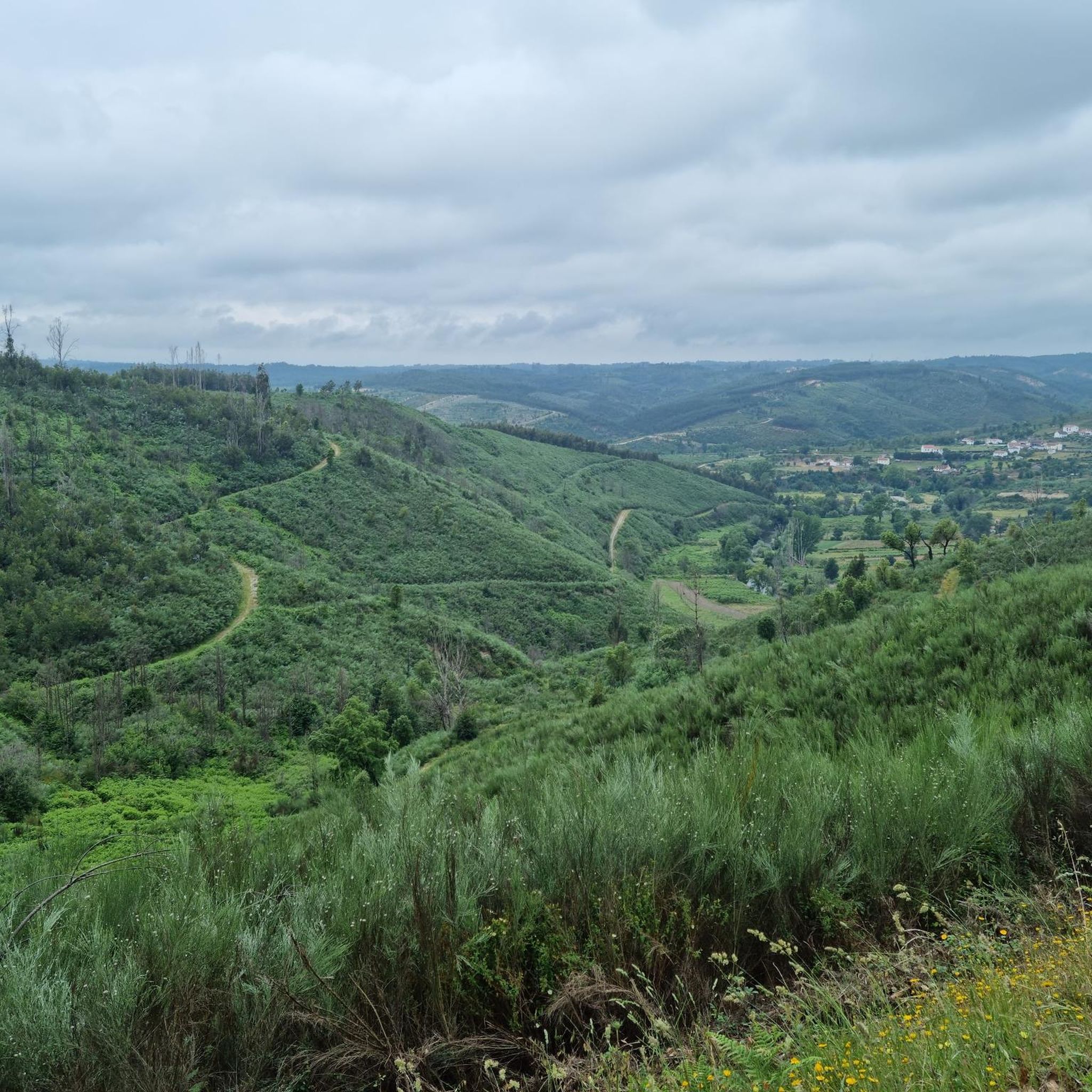
In this elevated section, the trail follows the Alva Valley and reveals a breathtaking view. The landscape opens up in a big way and is simply stunning!
1
0
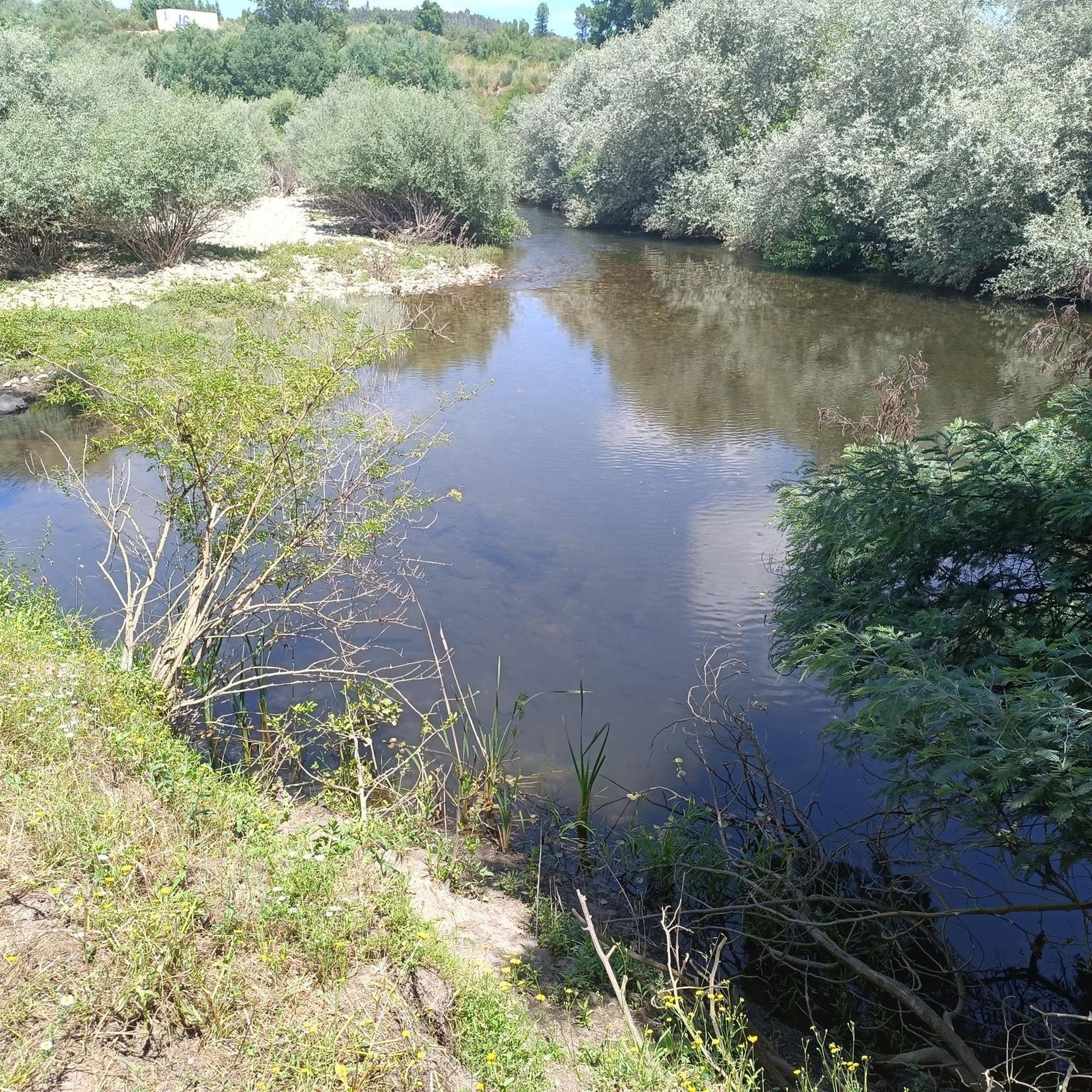
This section follows the Alva River Valley, between agricultural fields and forests, until reaching the stone bridge in Barril de Alva. The trail is dirt and requires some caution, but the serenity of the landscape and the murmur of the river make every pedal stroke worthwhile.
2
0
Hidden in the Açor mountains, near the historic village of Piódão, the river beach of Foz d’Égua is a small paradise, especially in summer. Where the Piódão and Chãs d’Égua streams meet, a body of water forms, surrounded by rustic bridges, old shale mills and rocks shaped by the current. The landscape is serene, but getting there is a bit of an adventure: a rough trail winds down to the water, crossing terraces and shale steps that make the arrival part of the experience.
5
1

Frequently Asked Questions
What kind of terrain can I expect on touring cycling routes around Vila Cova De Alva?
The region offers a diverse landscape for touring cyclists, characterized by its location on the left bank of the Alva River and at the foothills of the Serra do Açor. You'll encounter varied terrain, from river valleys with refreshing river beaches to more challenging climbs and descents in the mountainous areas of the Central Cordillera. Dense forests are also a prominent feature, providing shaded areas and scenic beauty.
Are there any circular touring cycling routes available?
Yes, there are several circular routes for touring cyclists. For example, the Circular Route 32 of Serra do Açor is a moderate 16.8 km loop offering scenic views. Another option is the longer Fonte de Amandos – Passadiços do Cerro da Candos loop from Arganil, a difficult 62.8 km trail through varied terrain.
What historical or cultural landmarks can I explore while cycling in the area?
Vila Cova de Alva is one of the charming 'Aldeias do Xisto' (Schist Villages), known for its well-preserved architectural heritage. You can explore historic buildings within the village itself, such as 17th-century mansions and a 16th-century street with Manueline details. Further afield, the Historical Village of Piódão is a must-see, and the Blue Tour of Piódão — Historic Villages of Portugal route specifically explores such historic villages.
Are there any natural attractions or viewpoints along the touring cycling routes?
Absolutely. The region is rich in natural beauty. You can find refreshing river beaches along the Alva River, and the foothills of the Serra do Açor offer lush vegetation and scenic vistas. Notable natural attractions include the stunning Fraga da Pena Waterfall and the picturesque Foz d'Égua. Many routes will provide viewpoints over the dramatic landscapes of the Central Cordillera.
What is the best time of year for touring cycling in Vila Cova De Alva?
The region's climate is generally favorable for cycling. Spring and autumn typically offer pleasant temperatures and less extreme weather, making them ideal for exploring. Summers can be warm, especially in the river valleys, but the dense forests and river beaches provide opportunities for cooling down. Winters are milder but can bring more rain.
Are there options for more challenging touring cycling routes?
Yes, for experienced touring cyclists seeking a challenge, the region offers routes with significant elevation changes. The Blue Tour of Piódão — Historic Villages of Portugal is a difficult 13.1 km path with substantial climbs. Another demanding option is the Côja loop from Tábua, a 39.7 km difficult route with considerable elevation gain.
Where can I find parking if I bring my own touring bicycle?
While specific parking areas for cyclists are not detailed for every route, Vila Cova de Alva and other Aldeias do Xisto are generally welcoming to visitors. You can typically find parking in or near the villages, especially close to main squares or public facilities. It's advisable to check local signage upon arrival for designated parking zones.
Is Vila Cova De Alva suitable for family-friendly touring cycling?
The region offers a mix of routes. While some are challenging, there are also more moderate options that could be suitable for families depending on their experience level. The presence of river valleys and less steep sections along the Alva River provides opportunities for more relaxed rides. Always check the route's difficulty and elevation profile before setting out with family.
Can I find places to eat or stay along the touring cycling routes?
Vila Cova de Alva and the surrounding Aldeias do Xisto are part of a network that supports cycling tourism. You'll find local cafes and restaurants in the villages, offering opportunities to refuel. The region also features 'Bikotel' accommodation, which specializes in welcoming cyclists, making it convenient for multi-day tours where you can cycle from village to village.
What is the overall difficulty level of touring cycling in this region?
Touring cycling around Vila Cova De Alva caters to various ability levels. You'll find a mix of moderate and difficult routes. The moderate routes, like the Circular Route 32 of Serra do Açor, offer enjoyable rides with manageable climbs. The difficult routes, such as the Palheiras de Fiais da Beira – Cinciana Eternity Dolmen loop from Póvoa de Midões, involve significant elevation gains and longer distances, ideal for experienced cyclists.
Are there any specific natural features to look out for on the trails?
Beyond the Alva River and Serra do Açor, the region is characterized by dense forests and dramatic mountain landscapes. Keep an eye out for the unique schist rock formations that define the 'Aldeias do Xisto' architecture. The presence of waterfalls like Fraga da Pena adds to the natural beauty you'll encounter.
Most popular attractions around Vila Cova De Alva

Get inspired with the komoot mobile app


Explore more
Browse the best Cycling routes in other regions.
