Attractions and Places To See around Pombeiro Da Beira - Top 8
Best attractions and places to see around Pombeiro Da Beira, a civil parish in Arganil, Portugal, offers a variety of attractions for visitors. The region is characterized by historical landmarks, natural beauty, and cultural insights. It features a mix of natural features like viewpoints and gorges, alongside cultural sites and settlements. Visitors can explore 8 hidden gems in the area.
Best attractions and places to see around Pombeiro Da Beira
- The most popular attractions is Livraria do Mondego Viewpoint,…
Last updated: May 4, 2026
N2 Milestone and Rest Area – Penacova
Highlight • Rest Area
Tip by

Livraria do Mondego Viewpoint
Highlight • Viewpoint
Translated by Google •
Tip by

Sign up now to discover places like this
Get recommendations on the best single tracks, peaks, & plenty of other exciting outdoor places.
Sign up for free
Garganta do Ceira
Highlight • Gorge
Translated by Google •
Tip by

Côja
Highlight • Settlement
Translated by Google •
Tip by

Penacova MTB Center
Highlight • MTB Park
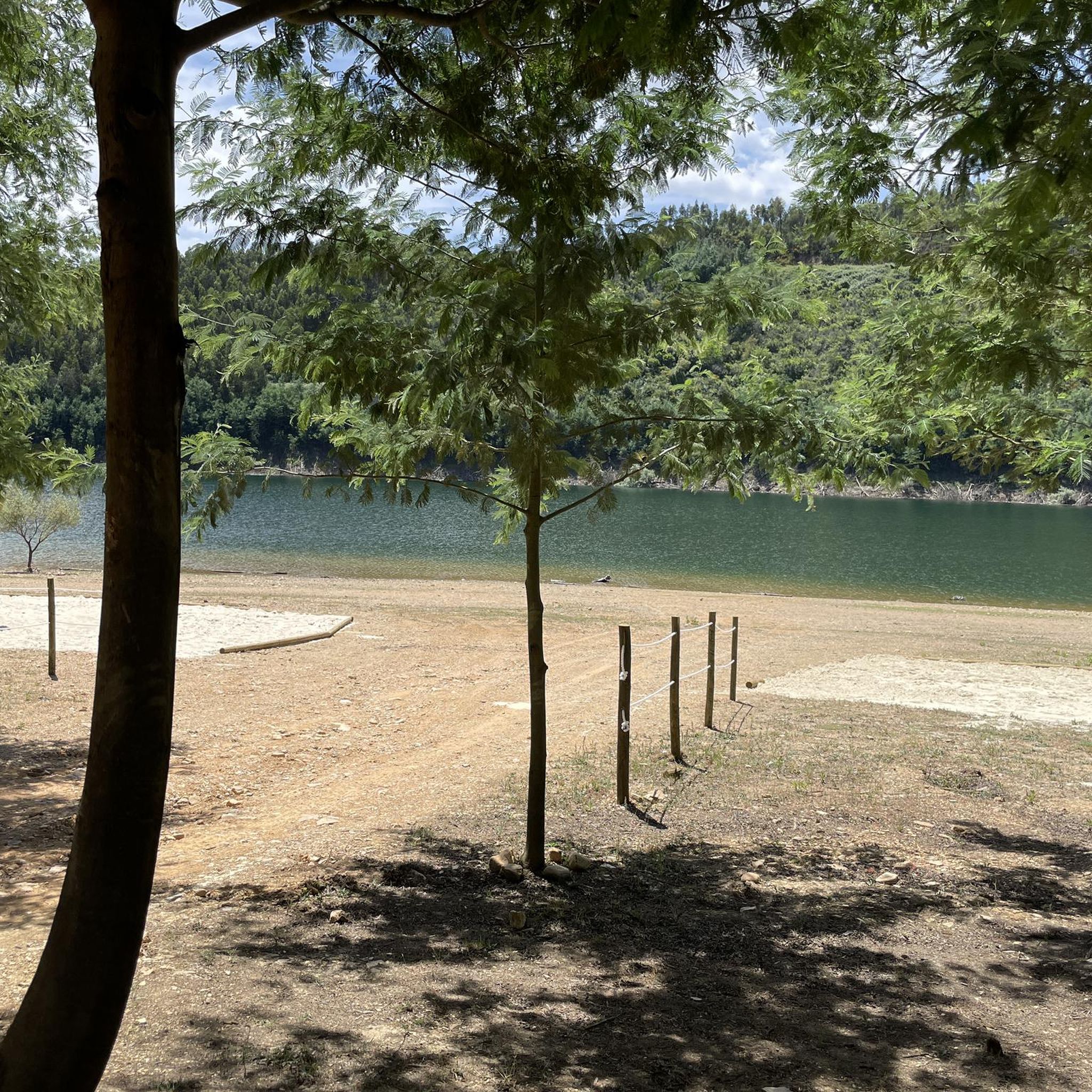
There is a cafe, toilets, showers, a beach, outdoor tables overlooking the river.
Great place to relax.
Tip by
Sign up for free to discover even more attractions around Pombeiro Da Beira.
Sign up for free
Already have an account?
Start today with a free account
Your next adventure awaits.
Login or Signup

Tips from the Community

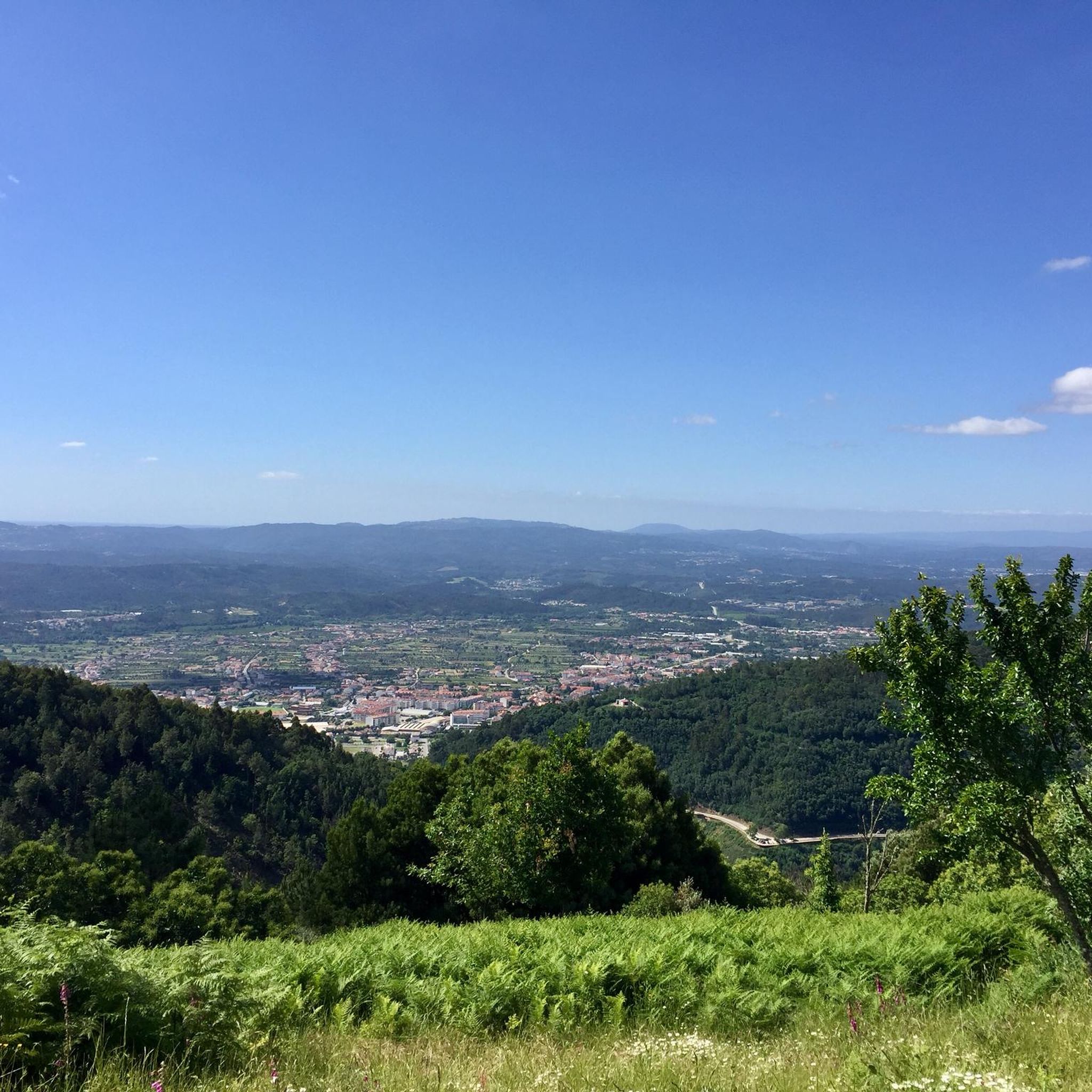
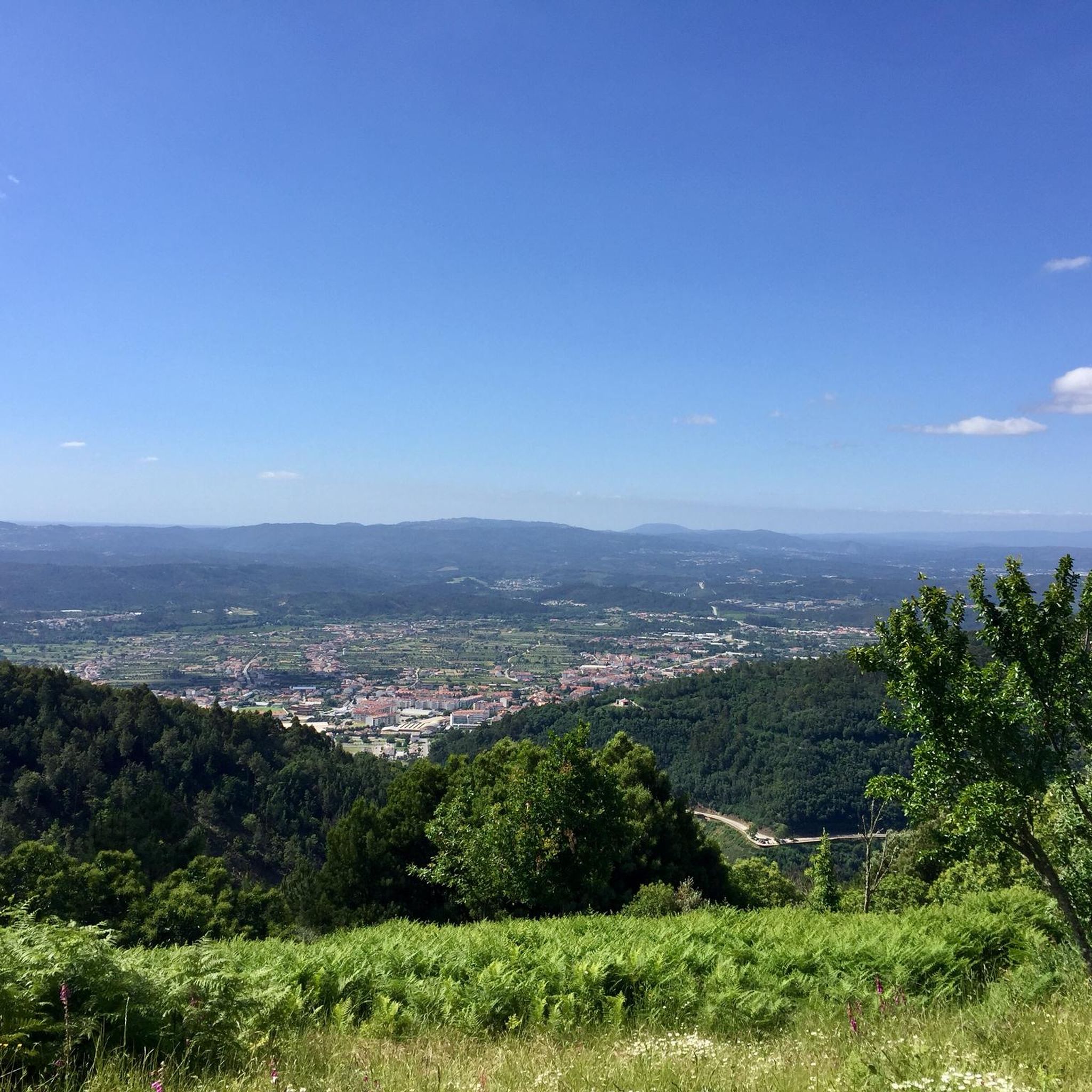
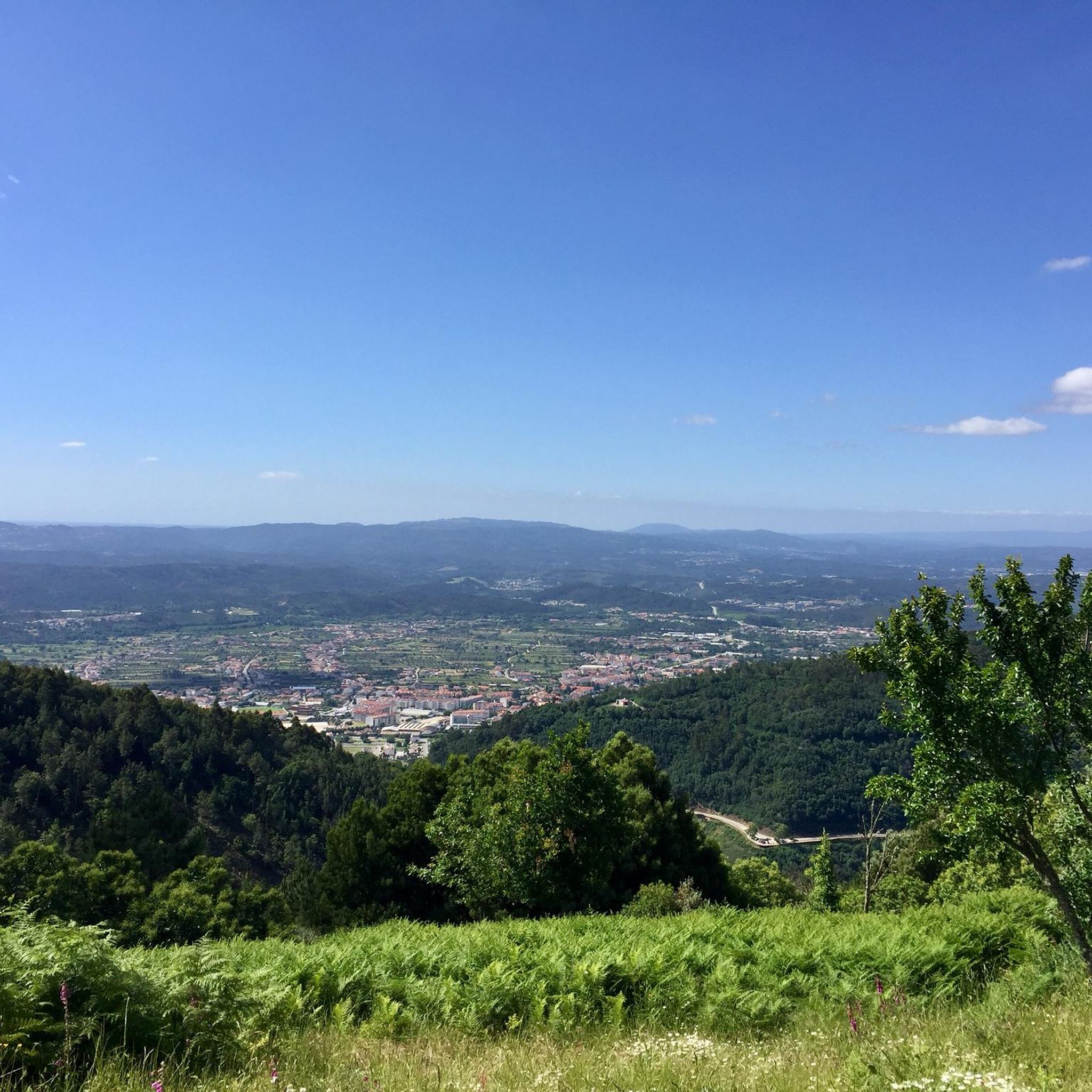
Nestled along the banks of the Alva River, Côja is immersed in a green environment, surrounded by mountains and forests. The village is characterized by traditional architecture, a charming Roman bridge and a peaceful atmosphere.
1
0

Beautiful nature, ideal for a refreshing dip in the water or a dip in the water.
1
0


Bring own fuel as there are few places to refuel if you've come far - but well worth it!
1
0

A dirt road leads to this extraordinary place where the river has cut through a mountain. There are no parking spaces.
1
0

Viewpoint in front of a rock formation known as Livraria do Mondego. Just stop here for a few moments to understand why: it resembles books on a shelf. Place of contemplation and peace.
1
0
A very beautiful and useful place. There is a cafe, toilets, showers, a beach, outdoor tables overlooking the river. Great place to relax.
0
0
Very nice place to stay, but no drinking water. You can buy or ask for ordinary water at a gas station 100 meters from this place.
1
0
Frequently Asked Questions
What natural features can I explore around Pombeiro da Beira?
Pombeiro da Beira is rich in natural beauty. You can visit the Livraria do Mondego Viewpoint, which offers stunning views of a unique rock formation resembling books on a shelf. Another notable natural site is the Garganta do Ceira, a gorge where the river has cut through the mountain, providing a beautiful spot for a refreshing dip. The region also features the Barragem das Fronhas (Fronhas Dam) and numerous river beaches along the Rio Alva and Rio Mondego.
Are there historical or cultural sites to visit in Pombeiro da Beira?
Yes, Pombeiro da Beira has a rich historical and cultural heritage. Key sites include the Igreja Matriz de Pombeiro da Beira (Church of São Salvador), a significant architectural site with origins dating back centuries and featuring 17th-century renovations. You can also find the Santa Maria de Pombeiro Monastery, documented since 853, and the Chapel of Rainha Santa Isabel. The nearby settlement of Côja also boasts traditional architecture and a charming Roman bridge.
What outdoor activities can I do near the attractions in Pombeiro da Beira?
The area around Pombeiro da Beira is ideal for outdoor enthusiasts. You can enjoy hiking, cycling, and mountain biking. For specific routes, consider exploring the trails listed in the Hiking around Pombeiro Da Beira guide, which includes routes like the 'Canyon do Rio Ceira – Garganta do Ceira loop'. The Penacova MTB Center is also nearby, offering facilities for mountain biking and a place to relax by the river.
Are there hiking trails suitable for different skill levels around Pombeiro da Beira?
Absolutely. The region offers a variety of hiking trails. For moderate challenges, you can find routes like the 'Canyon do Rio Ceira – Garganta do Ceira loop' or the 'Royal Bridge over the Ceira River loop'. If you prefer easier walks, the Easy hikes around Pombeiro Da Beira guide features options such as the 'River Walk – Alagoa Villages Along the Road loop' and the 'Reconquinho Beach loop'.
Can I find river beaches or wild swimming spots near Pombeiro da Beira?
Yes, the region is known for its beautiful river beaches, particularly along the Rio Alva and Rio Mondego. These offer serene settings for swimming, sunbathing, and picnics. The Penacova MTB Center, for example, has a beach area by the river, and the Garganta do Ceira is also noted as an ideal spot for a refreshing dip.
Are there family-friendly attractions in Pombeiro da Beira?
Many attractions around Pombeiro da Beira are suitable for families. The Livraria do Mondego Viewpoint offers an interesting natural formation that can spark curiosity. River beaches provide safe and enjoyable environments for children to play and swim. The settlement of Côja, with its traditional architecture and Roman bridge, offers a pleasant stroll for all ages.
What is the best time of year to visit Pombeiro da Beira for outdoor activities?
The region generally enjoys pleasant weather for outdoor activities for much of the year. Spring and autumn offer milder temperatures, ideal for hiking and cycling. Summer is perfect for enjoying the river beaches and swimming, though it can be warmer. Winter hiking is also possible, but it's advisable to check local weather conditions and trail accessibility beforehand.
Are there any dog-friendly trails or attractions in Pombeiro da Beira?
While specific dog-friendly designations for all attractions are not always available, many natural areas and hiking trails in the region are generally welcoming to dogs, provided they are kept on a leash and owners clean up after them. The numerous outdoor routes, such as those found in the hiking guides, are often suitable for walks with your canine companion.
What do visitors enjoy most about the attractions in Pombeiro da Beira?
Visitors frequently appreciate the tranquility and natural beauty of the area. The Livraria do Mondego Viewpoint is often highlighted as a place for contemplation and peace. The Garganta do Ceira is praised for its beautiful nature and as a perfect spot to rest and relax. The charming atmosphere and traditional architecture of villages like Côja also receive positive feedback.
What are some unique experiences or hidden gems in the Pombeiro da Beira region?
Beyond the main highlights, the region offers unique cultural insights through its traditional crafts, such as wooden spoons and baskets, and the distinctive schist houses found in nearby villages like Piódão. Local festivals often provide an authentic experience of traditional music, dance, and cuisine. The rock formation at Livraria do Mondego Viewpoint is itself a unique natural wonder.
What are the parking and public transport options for visiting attractions in Pombeiro da Beira?
For attractions like the N2 Milestone and Rest Area – Penacova, parking is available. However, for more remote natural sites like Garganta do Ceira, parking spaces may be limited or non-existent, requiring visitors to park further away and walk. Public transport options within the immediate vicinity of all attractions might be limited, so having a car is often recommended for exploring the region comprehensively.
How long should I plan to visit the attractions in Pombeiro da Beira?
To fully appreciate the historical sites, natural beauty, and outdoor activities, planning at least a full day, or even a weekend, is recommended. You could spend a few hours exploring historical churches and villages, dedicate half a day to hiking a trail, and enjoy a leisurely afternoon at a river beach or viewpoint. The duration will depend on your interests and the number of sites you wish to visit.

Get inspired with the komoot mobile app


Explore more
Still not found the Highlight you’re looking for? See guides of the top attractions in other regions:
