The best walks and hikes around Castelejo
4.7
(28)
116
hikers
12
hikes
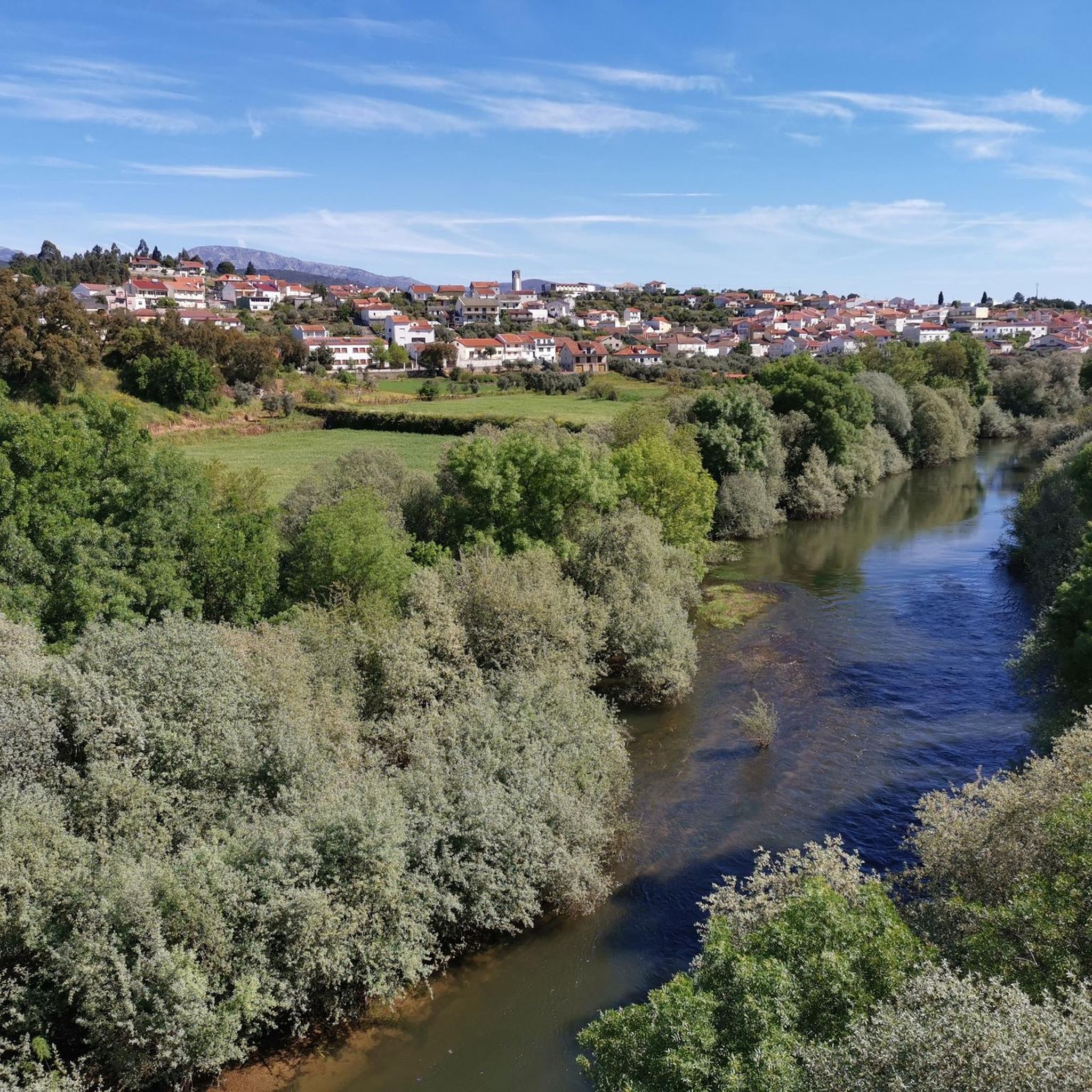
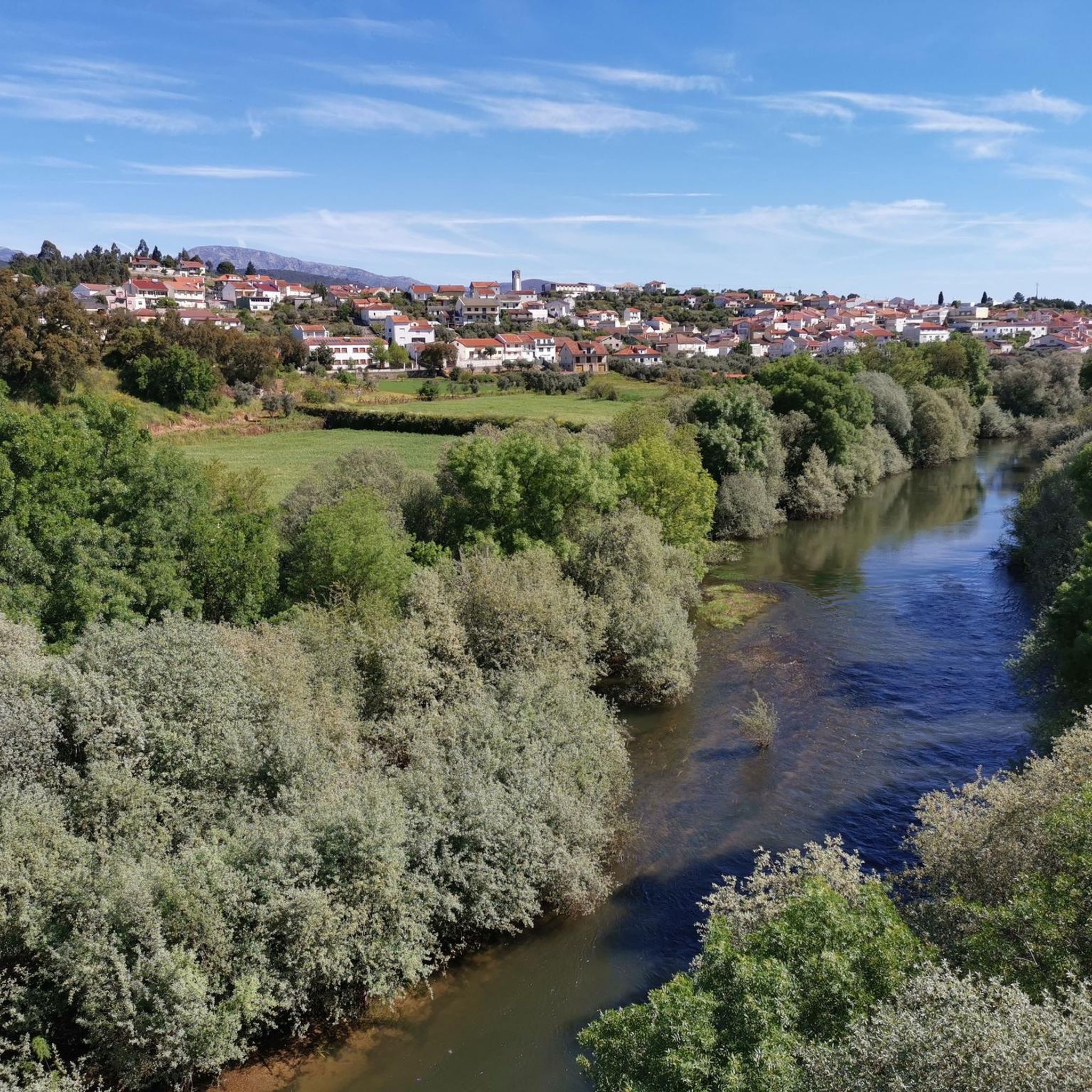
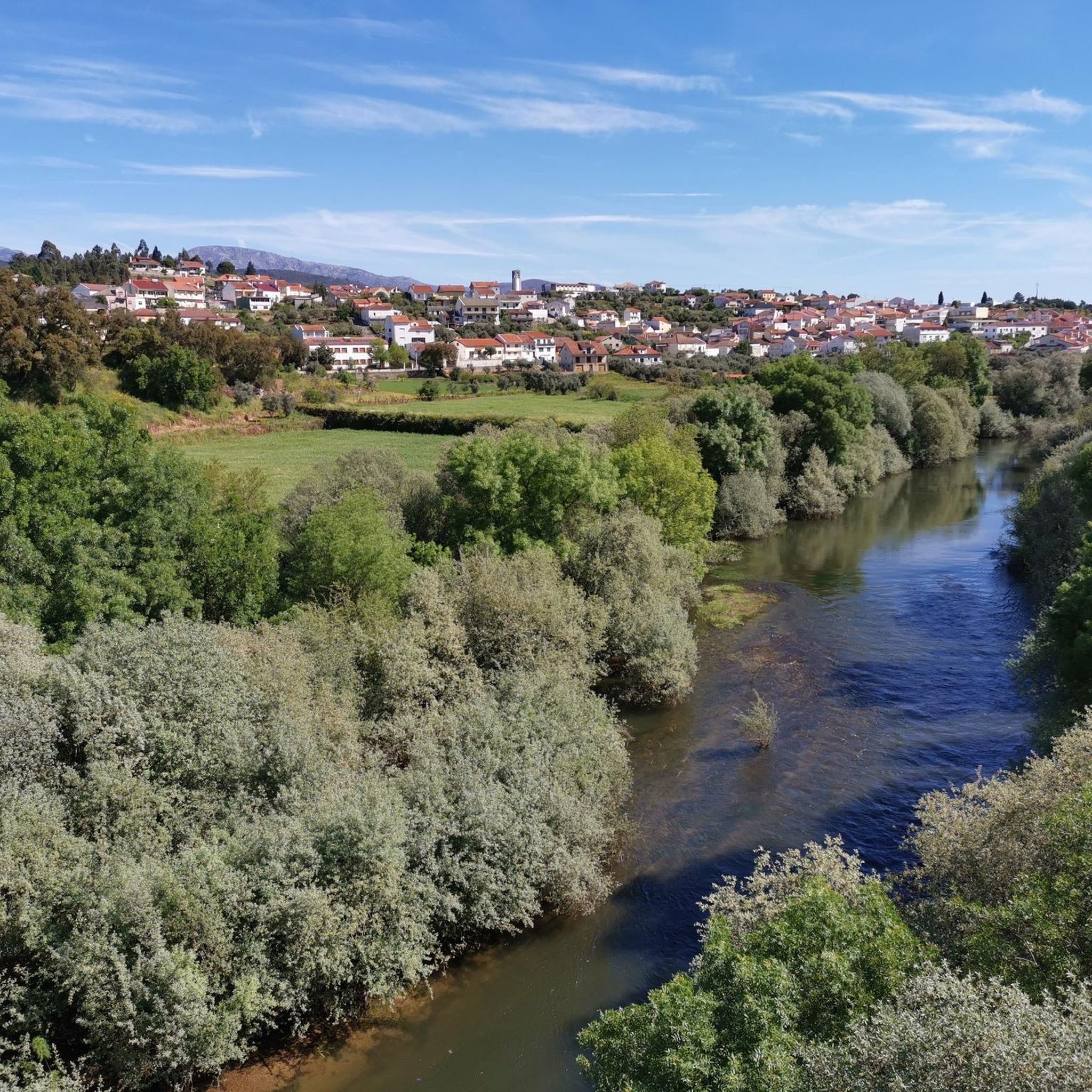
Hiking around Castelejo, Portugal, is characterized by its varied topography, offering a range of hiking experiences. The region features rolling hills and valleys, often covered with olive groves and scattered woodlands. Trails frequently lead through rural landscapes, providing views of the surrounding countryside.
Best hiking trails around Castelejo
- The most popular hiking route is Church loop from Fundão, a 4.9 miles (7.9 km) trail that takes 2 hours 31 minutes to complete. This route passes through traditional villages and…
Last updated: July 2, 2026
4.3
(9)
34
hikers
7.93km
02:32
320m
320m
Moderate hike. Good fitness required. Easily-accessible paths. Suitable for all skill levels.
4.5
(6)
25
hikers
6.10km
02:02
310m
310m
Moderate hike. Good fitness required. Easily-accessible paths. Suitable for all skill levels.

Sign up for free
4.0
(1)
11
hikers
7.18km
02:08
220m
220m
Moderate hike. Good fitness required. Easily-accessible paths. Suitable for all skill levels.
5.0
(4)
10
hikers
11.4km
03:24
350m
350m
Moderate hike. Good fitness required. Easily-accessible paths. Suitable for all skill levels.
5.0
(2)
3
hikers
9.18km
03:06
450m
460m
Moderate hike. Good fitness required. Easily-accessible paths. Suitable for all skill levels.
Get access to more routes and recommendations from other explorers.
Sign up for free
Already have an account?
Our route recommendations are based on thousands of hikes, rides, and runs completed by other people on komoot.
Start today with a free account
Your next adventure awaits.
Login or Signup
Tips from the Community

Built in the 18th century, this Baroque-influenced property is located in Largo da Bica. It features a rectangular backrest with two pilasters, topped with a beveled Latin cross and the coat of arms of King João V. It is accessed by a grand staircase decorated with flaming vases and modillions used to tether horses. It is a drinking water fountain.
0
0
Nestled on a hill overlooking the cliffs of the Serra da Gardunha, the village of Castelo Novo is linked to the early history of the nation. It was in 1208, during the reign of Sancho I, that Pedro Guterres donated the land—of which he was a grantee—in his will to the Knights Templar, and it is believed that at this time the castle was already under construction. Decades later, King Dinis ordered its structure to be renovated, and it was this campaign of works that gave the Castelo Novo fortress the Gothic characteristics it still displays today. Like many other villages along the Beira border, Castelo Novo grew in the shadow of and around its walls, with narrow streets winding up the hillside to the keep. In the center stands the Town Hall, with its arcades beneath the terrace of the main floor. In the center, integrated into the town hall's façade, stands the monumental and imposing King João V fountain, commissioned by King Magnanimous. Opposite, the Manueline pillory marks the center of the square, and further on, the main church dedicated to Our Lady of Grace rises, its white walls contrasting with the Baroque forms of the granite windows and portals. Throughout the village, as you wander the winding streets, you can discover architectural details, small traces that tell the story of its inhabitants. In Castelo Novo, be sure to visit: The castle; The Bica and King João V fountains; The main church and the Misericórdia church; The manor houses; The old gallows. The Castelo Novo Museum Center Alardo Park
1
0

At the top of Gardunha, almost 1,000 meters above sea level, stands the Castelo Velho site. From here, the view reaches the Castelo Branco plain and continues to the Tagus River, an endless horizon. Among balanced rocks, blocks sculpted by time, and curious granite forms, this place is a veritable open book of geology and a privileged viewpoint of the mountains.
2
0

Built in the 18th century, this Baroque-style fountain is located in the Largo da Bica square. Access is via a grand staircase.
3
0
It probably dates back to the time when King Manuel I granted the town charter in 1510.
2
0

The historic village is a surprise with its unique manor houses, once owned by noble families. The 12th-century castle, severely damaged during the earthquake of 1755, was given the name "novo," or "new," because another castle had already existed in its immediate vicinity, which had been abandoned due to its insufficient defensive capabilities.
4
0

In the middle of the Serra da Gardunha, the Historic Village of Castelo Novo rises in shades of green and gray. Built on granite, Castelo Novo preserves a unique architectural heritage over time. For gastronomy visit the restaurant "Le Lagarto".
4
0

One of the 12 Old Historic Villages of Portugal
4
0
Frequently Asked Questions
What is the general difficulty level of hiking trails around Castelejo?
The hiking trails around Castelejo are predominantly of moderate difficulty. Out of 12 available routes, 11 are rated as moderate, with one challenging option. There are no easy trails listed, suggesting a landscape that offers a good workout for most hikers.
Are there any circular walks available in Castelejo?
Yes, many of the trails around Castelejo are circular, offering convenient starting and ending points. Examples include the Church loop from Fundão, the Pedra d'Hera loop from Fundão, and the Miradouro do Cavalinho loop from Alcongosta.
What kind of landscapes can I expect to see while hiking in Castelejo?
Hiking in Castelejo is characterized by rolling hills, agricultural landscapes, and scattered woodlands. Trails often lead through traditional villages and offer views of the surrounding countryside, including olive groves and rural environments.
What are the typical lengths and durations of hikes in the Castelejo area?
Hikes in Castelejo vary in length, with many routes falling between 3.8 miles (6.1 km) and 7.1 miles (11.4 km). Durations typically range from 2 to 4 hours, depending on the specific trail and your pace. For instance, the Hiking loop from Casal Álvaro Pires is about 5.7 miles (9.2 km) and takes around 3 hours.
What do other hikers enjoy most about the trails in Castelejo?
The trails in Castelejo are highly rated by the komoot community, with an average score of 4.7 stars from over 20 reviews. Hikers often praise the varied terrain and the opportunity to explore traditional villages and rural landscapes.
Are there any historical landmarks or points of interest to see along the hiking routes?
Yes, the region offers several interesting landmarks. For example, the View of Castelo Novo – Castelo Novo Castle Ruins loop from Castelo Novo passes by the historic Castelo Novo Castle Ruins. Other notable attractions in the area include the Chafariz da Bica and the Castelo Velho viewpoint.
Is Castelejo a good destination for family-friendly hikes?
While there are no trails specifically designated as 'easy' in Castelejo, the moderate difficulty routes can be suitable for families with older children or those accustomed to hiking. The varied landscapes and traditional villages offer engaging scenery for all. Always check the specific route details for elevation and distance to ensure it matches your family's ability.
What is the best season for hiking in Castelejo?
The best seasons for hiking in Castelejo are typically spring (April to June) and autumn (September to November). During these months, the weather is generally mild and pleasant, avoiding the intense heat of summer and the cooler, potentially wetter conditions of winter. This allows for comfortable exploration of the region's trails.
Are dogs allowed on the hiking trails in Castelejo?
Generally, dogs are welcome on hiking trails in rural Portugal, including the Castelejo area, provided they are kept under control, especially around livestock. It's always advisable to keep your dog on a leash and to carry water for them, as well as bags to clean up after them. Specific restrictions might apply in certain protected areas, but for general trails, it's usually permitted.
Where can I find parking and trailheads for hikes around Castelejo?
Trailheads for hikes in Castelejo are typically located in or near the villages from which the routes begin. For example, you can find starting points in Fundão, Alcongosta, and Castelo Novo. Parking is generally available in these villages, often in public squares or designated areas, making it convenient to access the trails.
Are there any challenging hikes in Castelejo for experienced hikers?
Yes, for experienced hikers seeking a greater challenge, there is at least one difficult-rated route among the 12 available trails in Castelejo. While the majority are moderate, this option provides a more strenuous experience with potentially greater elevation changes or technical sections.
Most popular routes around Castelejo
Most popular attractions around Castelejo

Get inspired with the komoot mobile app


Explore more
Browse the best Hikes in other regions.
