Attractions and Places To See around Torre De Moncorvo - Top 17
Best attractions and places to see around Torre De Moncorvo include a variety of historical landmarks, natural landscapes, and cultural sites. The municipality is situated at the confluence of the Sabor and Douro rivers, and bordered by the Serra do Reboredo. This region offers numerous viewpoints and a blend of heritage and nature. Visitors can explore ancient structures, river valleys, and mountain ranges.
Best attractions and places to see around Torre De Moncorvo
- The most popular attractions is Côa Museum, a historical site that provides insight into Paleolithic art in the Côa Valley. Its design is inspired by the notion that "Paleolithic art in the Côa Valley is perhaps the earliest manifestation of 'Land art.'"
- Another must-see spot is Ruins of the Pocinho Railway District 🇵🇹, a historical site and settlement. This area developed with the construction of its railway station in the 19th century, serving as a warehouse for goods.
- Visitors also love Sabor Greenway: Carviçais–Torre de Moncorvo, an ecopista (old railway converted into a greenpath) on one of the most isolated regions of Portugal. This route offers views over the Douro River, Torre de Moncorvo, the Sabor Valley, and the Serra do Reboredo.
- Torre De Moncorvo is known for its historical landmarks, natural viewpoints, and cultural sites. The area offers a variety of attractions to see and explore, from ancient castles to scenic river valleys.
- The attractions around Torre De Moncorvo are appreciated by the komoot community, with 12 upvotes and 9 photos shared across 4 highlights.
Last updated: July 15, 2026
Côa Museum
Highlight • Historical Site
Translated by Google •
Tip by

Old Douro Railway Bridge
Highlight • Bridge
Translated by Google •
Tip by

Sign up now to discover places like this
Get recommendations on the best single tracks, peaks, & plenty of other exciting outdoor places.
Sign up for free
Ruins of the Pocinho Railway District 🇵🇹
Highlight • Historical Site
The small town developed with the construction of the station in the 19th century, which served as a warehouse for goods such as minerals and agricultural products. The Pocinho Dam is located next to the village, which currently provides a road connection between the districts of Guarda and Bragança.
Places to visit:
Pocinho Railway Station
Pocinho Dam
Pocinho High Performance Rowing Centre
Translated by Google •
Tip by

Sabor Greenway: Carviçais–Torre de Moncorvo
Highlight (Segment) • Cycleway
Tip by

End of N222 in Almendra
Highlight (Segment) • Trail
Tip by

Sign up for free to discover even more attractions around Torre De Moncorvo.
Sign up for free
Already have an account?
Start today with a free account
Your next adventure awaits.
Login or Signup
Popular around Torre De Moncorvo
Tips from the Community

The Pocinho Road-Railway Bridge, also known as the Pocinho Bridge, is a road-rail infrastructure of the Linha do Sabor, which crosses the Douro River in the Municipality of Vila Nova de Foz Côa, in Portugal; it is closed to service, for both types of traffic. The construction of a bridge at this location, with two superimposed decks, was foreseen by the Plan of the Complementary Network North of Mondego, dated February 15, 1900.
0
0

Pocinho is a village in the municipality of Vila Nova de Foz Côa, located on the left bank of the Douro River. Its railway station is the current terminus of the Linha do Douro. The small town developed with the construction of the station in the 19th century, which served as a warehouse for goods such as minerals and agricultural products. The Pocinho Dam is located next to the village, which currently provides a road connection between the districts of Guarda and Bragança. Places to visit: Pocinho Railway Station Pocinho Dam Pocinho High Performance Rowing Centre
4
0

From a distance, the building resembles a large outcrop emerging from the ground, and its facade is composed of mineral pigments in concrete, mimicking the natural irregularities of the region's metamorphic rocks. The Côa Museum does not replace a visit to the rock art sites in the Côa Valley Archaeological Park, but it is a gateway that allows visitors to discover the artistic richness of the Côa and Douro valleys. Furthermore, the museum houses the largest library in Portugal dedicated to rock art. 😊
12
0
The Côa Museum opened on July 30, 2010, and is located on one of the slopes where the Douro and Côa rivers meet. Designed by architects Camilo Rebelo and Tiago Pimentel, the museum is one of the largest in Portugal. Its design is inspired by the notion that "Paleolithic art in the Côa Valley is perhaps the earliest manifestation of 'Land art.'"
13
0

Coa Valley is the largest Paleolithic open-air museum in the world. The museum provides a nice insight with replicas and screens
7
0

This is an ecopista (old railway converted into a greenpath) on one of the most isolated regions of Portugal. The track is mostly gravel and ends in Torre de moncorvo, a nice city with all services (food, accomodation, etc).
1
0

The train ride to Pocinho is definitely worth it. The place and the bridge can safely be left out.
6
1

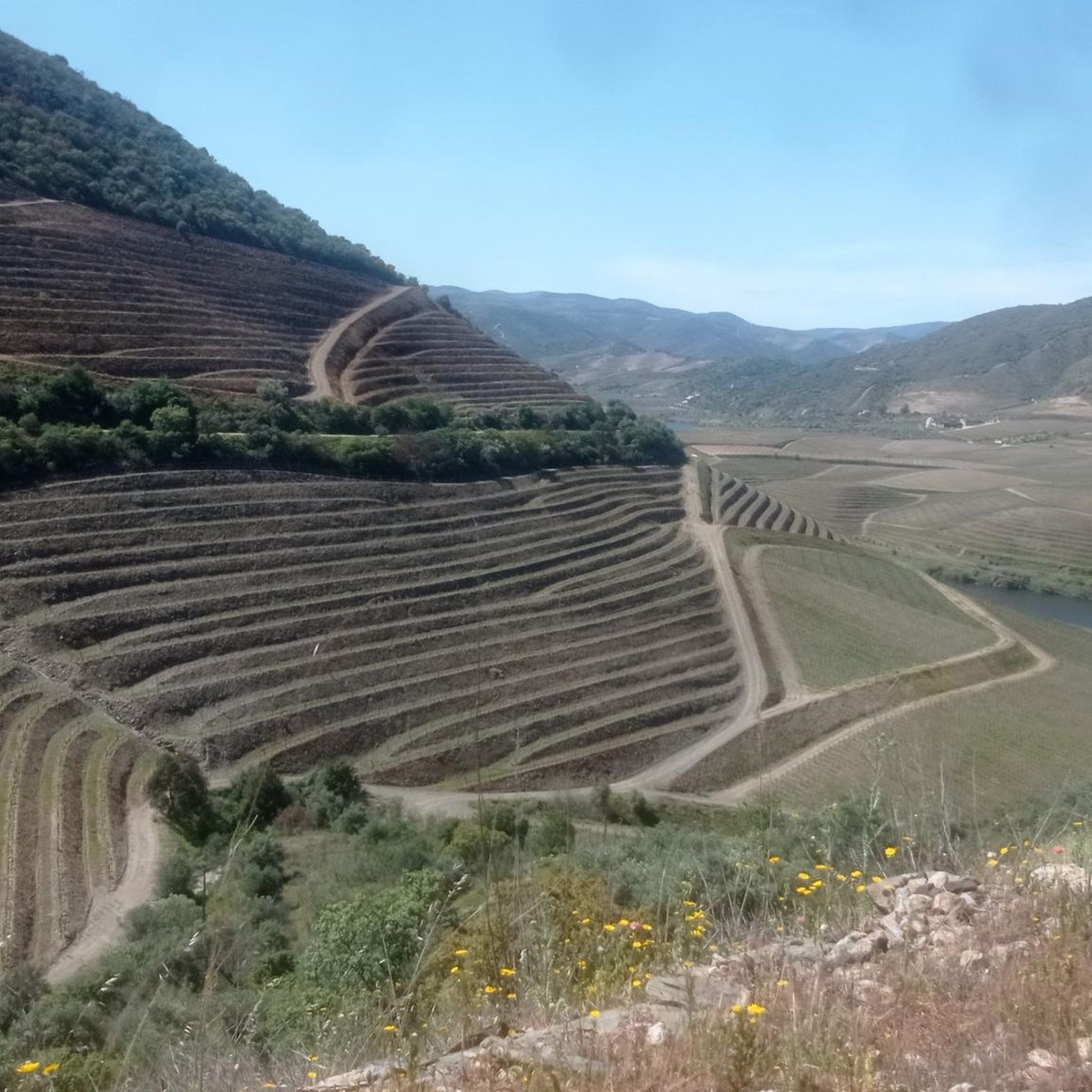
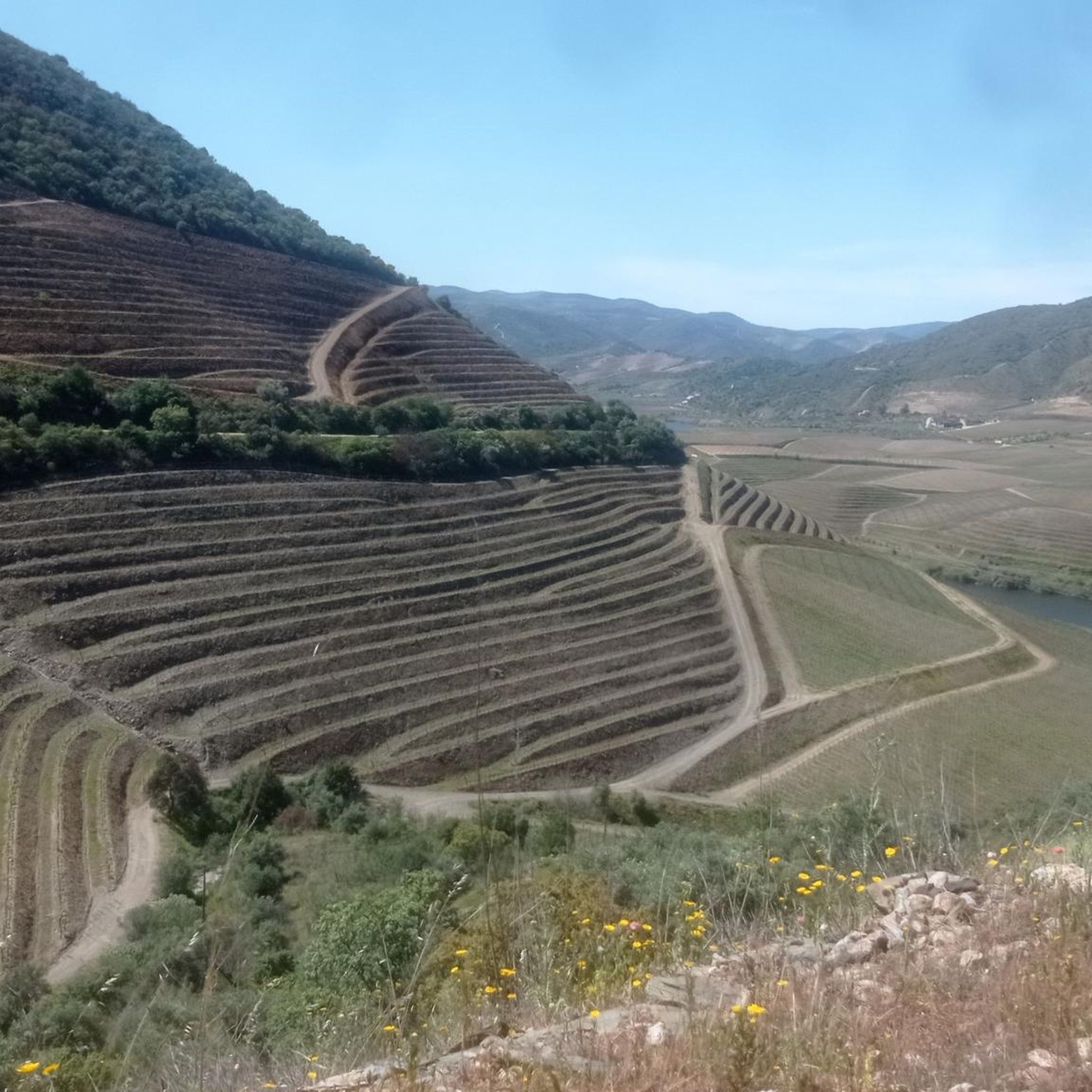
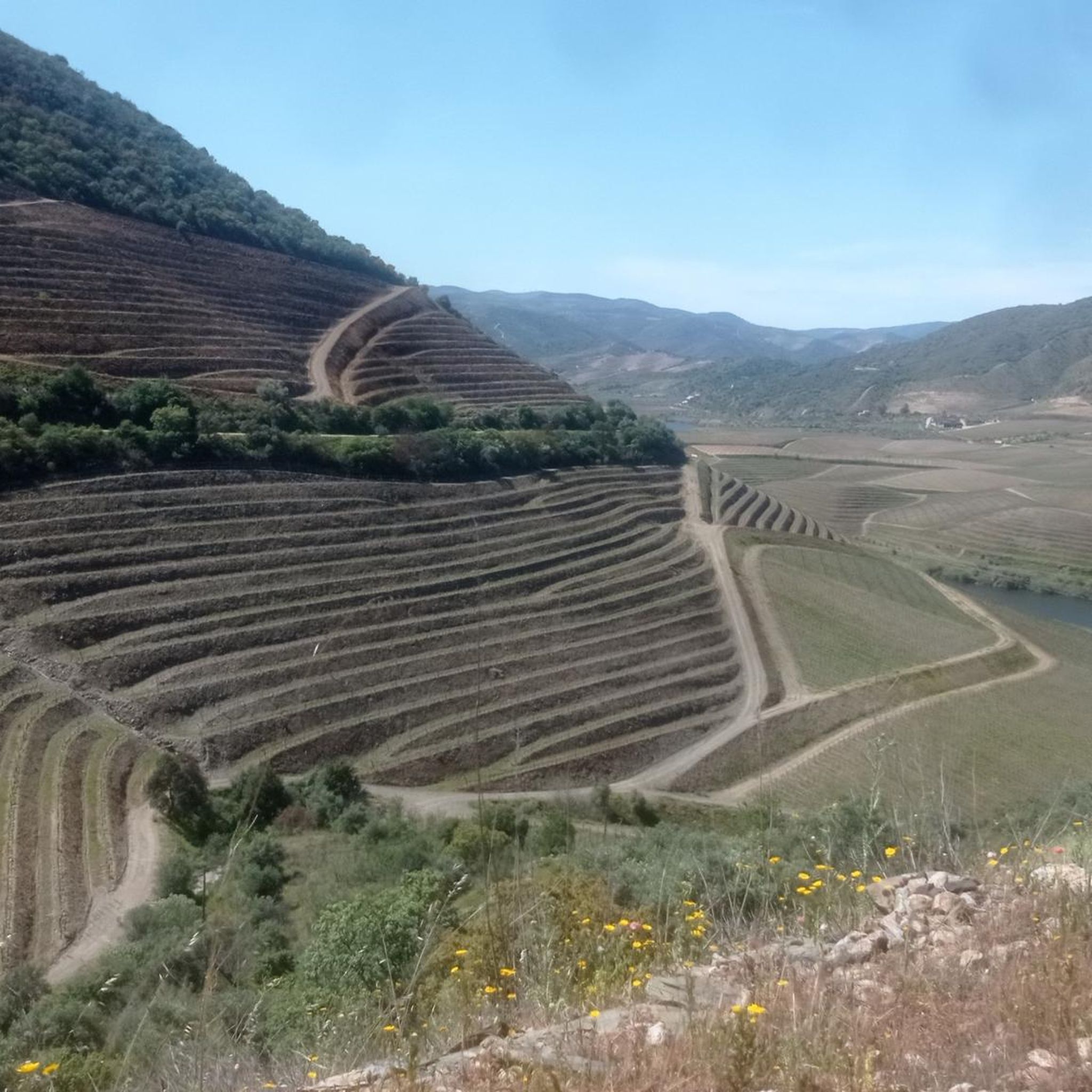
Final kilometers of N222 going along Rio Duoro. Monument at the start of N222 and Cafe in Almendra. Protected area to both sides of the road, fantastic views. Route also passes by museum with early human rock drawings.
0
0
Frequently Asked Questions
What natural landscapes and viewpoints can I explore around Torre de Moncorvo?
The region boasts stunning natural beauty. You can visit the Serra do Reboredo for spectacular panoramic views from spots like Santa Leocádia Viewpoint and Fraga do Facho Viewpoint. The Sabor Lakes, formed by the Baixo Sabor Dam, offer unique scenery with several viewpoints such as São Lourenço Viewpoint and São Gregório Viewpoint. The majestic Douro River also forms part of the municipality's border, with scenic spots like Santa Bárbara Viewpoint.
Are there historical sites to visit in Torre de Moncorvo?
Absolutely. The Historic Center of Torre de Moncorvo is rich in history, featuring medieval elements and Renaissance architecture. Key sites include Praça Francisco Meireles, the Filipino Fountain, and remnants of the Torre de Moncorvo Castle. Don't miss the impressive Mother Church (Basílica Menor de Nossa Senhora da Assunção), classified as National Heritage, or the 16th-century Church of Mercy. You can also explore the Côa Museum, which provides insight into Paleolithic art in the Côa Valley.
What cultural experiences does Torre de Moncorvo offer?
Beyond historical landmarks, Torre de Moncorvo offers cultural insights through its museums, such as the Iron Museum and the Moncorvo Region Museum, which delve into the area's industrial and local heritage. The region is also famous for its gastronomy, particularly the 'covered almond of Moncorvo,' and its olive oil and almond production. If you visit in late February or early March, you might experience the vibrant Almond Blossom Festival.
Are there any cycling routes or greenways in the area?
Yes, the Sabor Greenway: Carviçais–Torre de Moncorvo is a fantastic option. This 34-kilometer paved pedestrian and cycling path, converted from a deactivated railway line, offers scenic views over the Douro River, Torre de Moncorvo, the Sabor Valley, and the Serra do Reboredo. For more cycling options, you can explore various routes in the area, including those for touring bicycles, road cycling, and mountain biking.
What is the best time of year to visit Torre de Moncorvo?
The best time to visit often depends on your interests. If you wish to witness the stunning natural spectacle of the almond trees in bloom, late February to early March is ideal for the Almond Blossom Festival. For outdoor activities and enjoying the river beaches, the warmer months are preferable. The region's beauty can be appreciated year-round, with each season offering a different charm.
Are there family-friendly attractions or activities in Torre de Moncorvo?
Families can enjoy exploring the historic center and its charming squares. The Côa Museum is considered family-friendly and offers an engaging way to learn about Paleolithic art. The Ecopista do Sabor provides a safe and scenic path for family bike rides or walks. Additionally, the River Beach at the Mouth of the Sabor River (Foz do Sabor) is an idyllic spot for a refreshing dip during warmer weather.
Where can I find unique viewpoints to capture the region's beauty?
Torre de Moncorvo is renowned for its viewpoints. Beyond the Serra do Reboredo and Sabor Lakes viewpoints, you can explore the Belvedere Route, a recent attraction featuring 17 marked viewpoints across the municipality. The End of N222 in Almendra also offers fantastic views along the Douro River, especially the final kilometers of the N222.
What are some lesser-known historical or cultural gems in the area?
Beyond the main attractions, you can discover the Pillory of Torre de Moncorvo, a historical monument, or the Church of Our Lady of the Purification in Larinho, a Monument of Public Interest. The Casa da Roda dos Expostos (Foundlings' House) offers a glimpse into the region's social history. Exploring traditional villages like Adeganha and Urros also reveals charming local heritage and ancient sites like Castro de Carviçais.
Can I find opportunities for hiking or walking near the attractions?
Yes, the diverse terrain around Torre de Moncorvo offers various walking and hiking opportunities. While the Sabor Greenway is excellent for walking and cycling, the broader region, including the Serra do Reboredo and the Douro Valley, provides trails with varying difficulty levels. You can find more detailed hiking routes and guides for the area on komoot.
What is the significance of the Douro River in this region?
The majestic Douro River forms part of Torre de Moncorvo's southern border and is a vital natural and cultural element. It offers breathtaking vineyard landscapes, with some areas being part of the UNESCO World Heritage Alto Douro Wine Region. Scenic viewpoints like Santa Bárbara Viewpoint and Barca Velha Viewpoint provide stunning perspectives of the river and its surroundings. The river also supports the River Beach at the Mouth of the Sabor River, a popular spot for recreation.
What do visitors particularly enjoy about the attractions around Torre de Moncorvo?
Visitors frequently appreciate the blend of history and nature. The Côa Museum is praised for its insightful presentation of Paleolithic art, with its design mimicking the natural landscape. The Sabor Greenway is loved for its scenic views over the Douro River and the Serra do Reboredo, offering a pleasant experience for cyclists and walkers. The impressive vistas from viewpoints like São Gregório Viewpoint are also highly rated by the community.
Most popular routes around Torre De Moncorvo

Get inspired with the komoot mobile app


Explore more
Still not found the Highlight you’re looking for? See guides of the top attractions in other regions:
