Top 20 Castles around Hettstadt
Castles around Hettstadt offer a rich glimpse into centuries of German history and architecture, with several significant historical fortifications and palaces located nearby. The region, situated near Würzburg, features diverse landscapes including the Main River valley and surrounding hills. These landmarks provide historical context and scenic viewpoints for visitors exploring the area.
Best castles around Hettstadt
- The most popular castles is Marienberg Fortress, a castle that served as the home of local prince-bishops for nearly five centuries. It offers…
Last updated: July 8, 2026
Old Main Bridge Würzburg
Highlight • Bridge
Translated by Google •
Tip by

Marienberg Fortress
Highlight • Castle
Translated by Google •
Tip by

Sign up now to discover places like this
Get recommendations on the best single tracks, peaks, & plenty of other exciting outdoor places.
Sign up for free
Würzburg Residence
Highlight • Historical Site
Translated by Google •
Tip by

Court Garden at the Würzburg Residence
Highlight • Natural Monument
More information: residenz-wuerzburg.de/deutsch/garten/geschichte.htm
Translated by Google •
Tip by

Fürstengarten at Marienberg Fortress
Highlight • Viewpoint
Translated by Google •
Tip by

Sign up for free to discover even more castles around Hettstadt.
Sign up for free
Already have an account?
Start today with a free account
Your next adventure awaits.
Login or Signup
Tips from the Community

Würzburg Residence The Würzburg Residence and the UNESCO World Heritage List The Würzburg Residence, including the Court Garden and Residence Square, was added to the UNESCO World Heritage List in 1981. This entails the obligation to "pursue a general policy aimed at giving cultural and natural heritage a function in public life and to include the protection of this heritage in exhaustive planning." The justification for the inclusion of the Würzburg Residence states: "Equipped between 1740 and 1770 and provided with magnificent gardens between 1765 and 1780, the Würzburg Residence is considered the most unified and extraordinary of all baroque palaces and exemplifies one of the most brilliant royal courts in Europe. It is unique in its originality, its ambitious building program and the international composition of the construction office." Text / Source: Residenz-Würzburg https://www.residenz-wuerzburg.de/
19
1

Inaccessible until 2032 due to construction work (except possibly with a guided tour)
1
1

Today it is primarily used as a museum. The palace is one of the main works of southern German baroque and is to be regarded as one of the most important residential buildings of the late baroque period in a European context, putting it in a row with Schönbrunn in Vienna and the Palace of Versailles near Paris. Source: https://de.m.wikipedia.org/wiki/W%C3%BCrzburger_Residenz#:~:text=Today%20they%20will%20%20%C3%BCmainly%20as,and%20Schloss%20Versailles%20near%20Paris .
22
1

The magnificent room sequence of vestibule, garden hall, staircase and white hall culminates in the Kaisersaal. The architect, Balthasar Neumann, highlighted the hall with its twenty half-columns, almost 9 meters high, made of reddish stucco marble and the large oval dome as the representative highlight of the Würzburg Residence. The Imperial Hall, the shell of which was already finished in 1741, was not furnished until 1749-1753 under Prince-Bishop Carl Philipp von Greiffenclau. In the three ceiling frescoes by Giovanni Battista Tiepolo from 1751/52, the political history of the diocese of Würzburg within the empire at the time of Emperor Friedrich Barbarossa is brilliantly reflected. The supraports (= paintings above the doors) are by Tiepolo's son Giovanni Domenico and show exemplary scenes from the life of ancient emperors. Antonio Bossi created the four life-size stucco figures in the wall niches on the narrow sides, representing Neptune, Juno, Flora and Apollo. https://www.residenz-wuerzburg.de/deutsch/residenz/kaisers.htm
11
0

The garden in the fortress is beautifully laid out and a real eye-catcher. Well maintained
10
1

In addition to the Emperor's Hall, the Hall of Mirrors and the stairwell in the Residenz are points worth seeing in the large baroque building
10
0

Beautifully landscaped courtyard garden. In the summer, with the residence in the background, a very nice motif. 📸
16
2

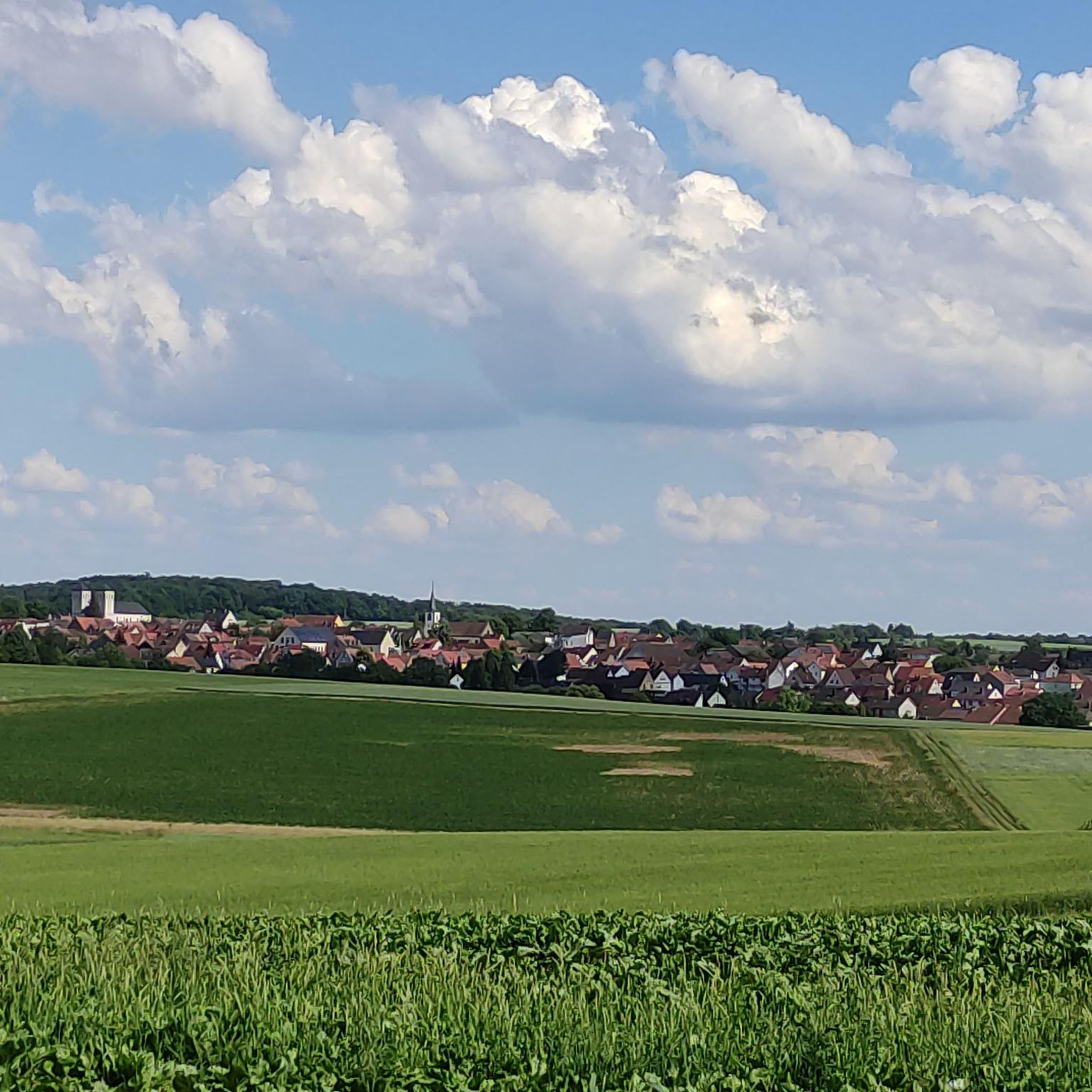
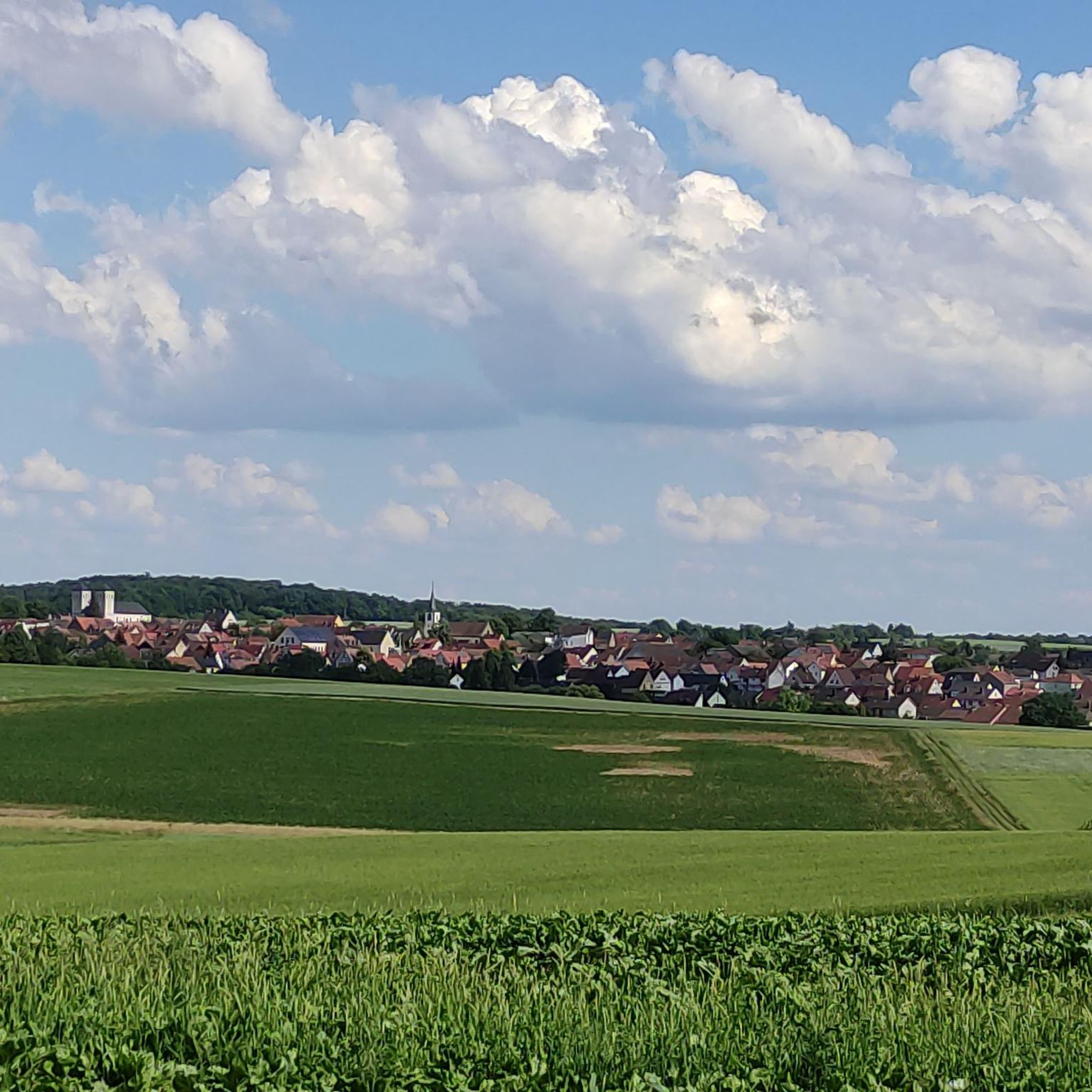
Great view from up there. The scenery with the vineyards and the city is just great
11
1
Frequently Asked Questions
What are the main historical sites to visit near Hettstadt?
The primary historical sites include Marienberg Fortress, a symbol of Würzburg with a history spanning over a thousand years, and Veitshöchheim Palace and Rococo Garden, known for its opulent gardens and as a former summer residence. Additionally, Steinburg Castle offers historical charm and now operates as a hotel.
What makes Marienberg Fortress a significant historical site?
Marienberg Fortress served as the home of local prince-bishops for nearly five centuries, with origins dating back to a Celtic refuge castle around 1000 BC. It showcases a blend of medieval, Renaissance, and Baroque architectural styles. Today, it houses the Main Franconian Museum and the Fürstenbaumuseum, offering deep insights into the region's history and art.
What are the unique features of Veitshöchheim Palace and its gardens?
Veitshöchheim Palace is renowned for its magnificent Rococo Garden, which features over 200 sandstone sculptures, majestic hedge-lined paths, and waterworks. The palace interior offers elegant rooms adorned with stucco work and 18th-century furnishings, providing a glimpse into the opulent lifestyle of its former residents.
Can I stay overnight in a castle near Hettstadt?
Yes, Steinburg Castle has been repurposed as a hotel. It offers accommodation, dining, and wine tastings, all while providing excellent views of Würzburg and the surrounding vineyards.
Are there hiking opportunities near the castles around Hettstadt?
Yes, the region offers various hiking trails. For example, you can find easy hikes around Hettstadt, including routes like the 'View of the Airfield – Kalter Rain loop' or the 'Hettstadter Forest loop'. You can explore these and more options in the Easy hikes around Hettstadt guide.
Where can I find panoramic views of the region?
Marienberg Fortress offers stunning panoramic views of Würzburg and the Main River, especially from the Princes' Garden (Fürstengarten). Steinburg Castle also provides great views of Würzburg and its vineyards.
Are the castles around Hettstadt family-friendly?
Yes, both Marienberg Fortress and Veitshöchheim Palace and Rococo Garden are listed as family-friendly. Their extensive grounds, museums, and gardens offer engaging experiences for all ages.
Can I bring my dog to the castles near Hettstadt?
While specific dog policies for interiors may vary, the outdoor areas and gardens of sites like Marienberg Fortress and Veitshöchheim Palace are generally accessible for dogs on a leash. It's always advisable to check specific venue rules before your visit.
What is the best time of year to visit the castles and palaces?
The spring and summer months (April to September) are ideal for visiting, as the weather is pleasant for exploring the extensive outdoor gardens at Veitshöchheim Palace and enjoying the panoramic views from Marienberg Fortress. Many outdoor events and tours are also more frequent during this period.
How much time should I allocate for visiting the castles?
For Marienberg Fortress, plan at least 2-3 hours to explore the museums, grounds, and enjoy the views. For Veitshöchheim Palace and Rococo Garden, allow 2-4 hours, especially if you wish to fully appreciate the gardens and take a palace tour. Steinburg Castle can be a shorter visit for a meal or a longer stay if you're lodging there.
Are there dining options near the castles?
Yes, Steinburg Castle has its own restaurant. Marienberg Fortress also has a restaurant on its premises. In Veitshöchheim, near the palace, you'll find various restaurateurs along the Main promenade.
How can I reach Marienberg Fortress by public transport?
While the fortress is perched on a hill, it is accessible from Würzburg. You can take a bus from Würzburg city center to the fortress, or enjoy a scenic walk up. For detailed schedules, it's best to check local public transport information in Würzburg.
Are there parking facilities available at the castles?
Yes, Veitshöchheim Palace has parking facilities. For Marienberg Fortress, there is parking available, though it can be limited during peak times. Steinburg Castle, as a hotel, also offers parking for its guests and visitors.
Most popular routes around Hettstadt
Most popular attractions around Hettstadt

Get inspired with the komoot mobile app


Explore more
Looking for the best castles somewhere else? Discover other guides around Hettstadt:
