The best walks and hikes around Castelo Branco
4.3
(35)
200
hikers
9
hikes
Hiking around Castelo Branco offers diverse landscapes, from mountain ranges to riverine environments. The region is characterized by the granite and schist formations of the Serra da Gardunha and the dramatic canyons of the Tejo Internacional Natural Park. Trails wind through ancient oak forests, past clear streams, and along rocky ridges, providing varied terrain for outdoor activities. This area provides a backdrop for outdoor enthusiasts, with routes catering to various skill levels.
Best hiking trails around Castelo Branco
- The most…
Last updated: June 28, 2026
4.6
(9)
25
hikers
Easy hike. Great for any fitness level. Easily-accessible paths. Suitable for all skill levels.
3.3
(3)
29
hikers
Hard hike. Great for any fitness level. Sure-footedness, sturdy shoes and alpine experience required.

Sign up for free
4.8
(5)
62
hikers
2.09km
00:39
80m
80m
Easy hike. Great for any fitness level. Easily-accessible paths. Suitable for all skill levels.
4.4
(5)
14
hikers
12.6km
03:43
370m
370m
Moderate hike. Good fitness required. Easily-accessible paths. Suitable for all skill levels.
12
hikers
2.57km
01:01
140m
140m
Moderate hike. Great for any fitness level. Mostly accessible paths. Sure-footedness required.
Get access to more routes and recommendations from other explorers.
Sign up for free
Already have an account?
Our route recommendations are based on thousands of hikes, rides, and runs completed by other people on komoot.
Start today with a free account
Your next adventure awaits.
Login or Signup
Popular around Castelo Branco

Tips from the Community

a visit to the village of Mogadouro inevitably leads you to the statue of the emeritus writer Trindade Coelho
1
0

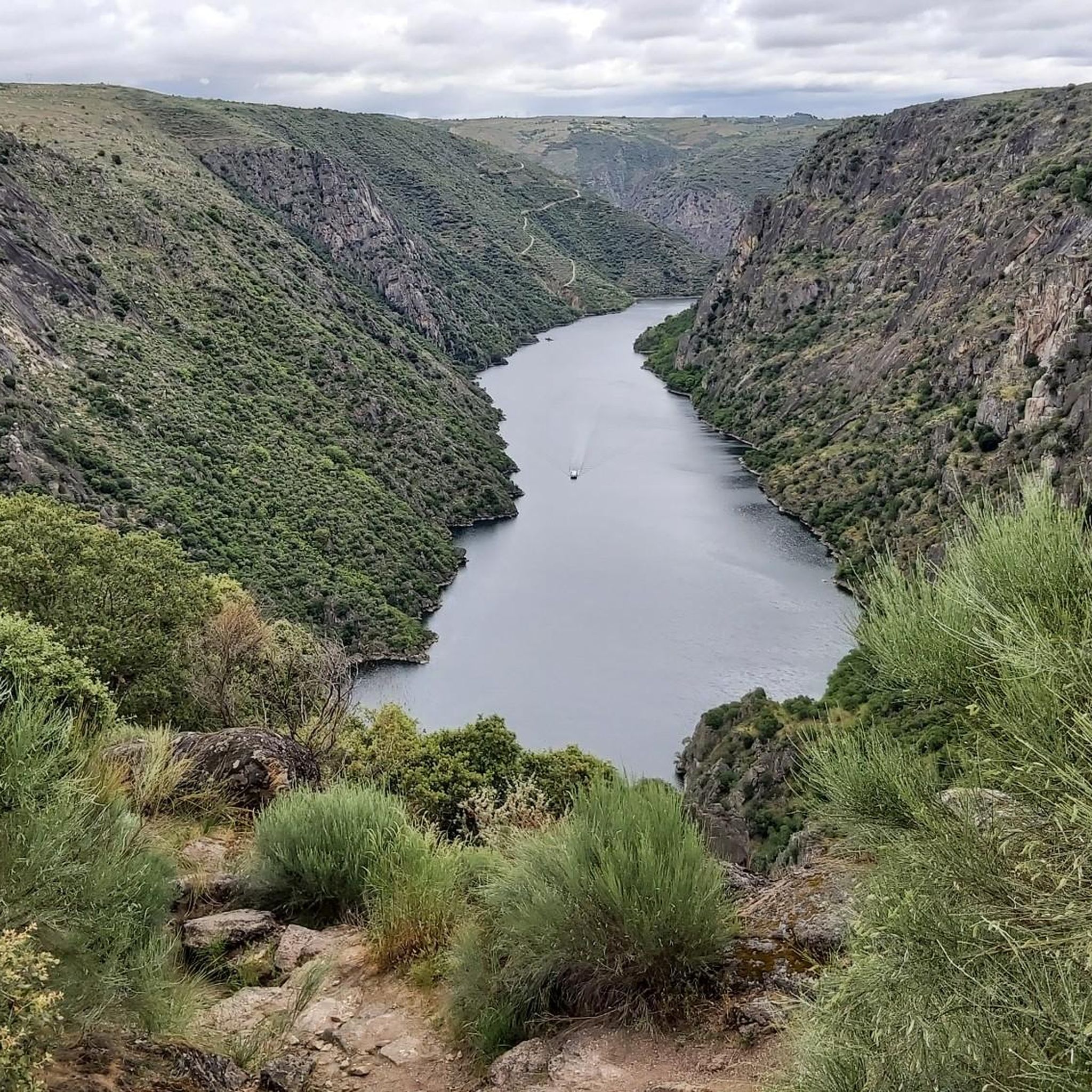
The Contrabando Viewpoint is located in Hinojosa de Duero (Salamanca), within the Arribes del Duero Natural Park, a hiking and tourist route situated on the border with Portugal. From the viewpoint, you can enjoy panoramic views of the Duero River, the Saucelle Waterfall, the border with Portugal, and geological and cultural formations such as: Cabeza de Moncalvo: a hill with the remains of a pre-Roman hill fort. Peña de la Vela, Poyo Durón (in Portugal), and Cerro del Reventón.
2
0

Up here, where the Ribeira de Vilarinho embraces the Douro, stands the ancient Castro de Vilarinho dos Galegos, also known as Castelo dos Mouros. Here, a natural viewpoint offers a wide view over the hillsides covered in junipers. But the real surprise lies on the ground: a sea of sharp, chaotic quartz stones created an almost insurmountable defence. Soon after, a deep moat carved into the rock served as the final barrier. Nature and ingenuity united in a fortress that has withstood the test of time.
1
0
Along the trail that once served as a route for smugglers, there is a viewpoint that honours its past: the Miradouro do Contrabando. From up here, the view over the vertiginous Douro valley is breathtaking. In the past, many people passed through these winding paths in silence and hope, crossing the border in search of a more dignified life.
2
1

It has a free parking lot 🅿️ it is all downhill on easy asphalt to the viewpoint.
0
0
You can get there by car 🚗 to the parking lot where the route starts. It is very short for everyone.
0
0
Mogadouro Castle is located in the Trás-os-Montes region in northern Portugal. This castle has a rich history, having been built by the Knights Templar in the 12th century and later passed into the hands of the Order of Christ. Although only a few sections of the wall and a tower remain today, it remains a place of great historical and cultural interest.
8
0

Be sure to take the little detour!
1
0
Frequently Asked Questions
How many hiking trails are available in the Castelo Branco region?
The Castelo Branco region offers a wide variety of hiking experiences, with over 9 routes documented on komoot. These range from easy strolls to more challenging mountain treks, catering to different fitness levels and preferences.
What kind of landscapes can I expect to see while hiking around Castelo Branco?
Hikers in Castelo Branco can explore diverse landscapes, from the granite and schist formations of the Serra da Gardunha mountains to the dramatic canyons of the Tejo Internacional Natural Park. Trails often wind through ancient oak forests, past clear streams, and along rocky ridges, offering varied terrain and scenic views. You might also encounter riverine environments and unique geological formations like those in the Barrocal Park.
Are there any easy hiking trails suitable for families or beginners?
Yes, Castelo Branco has several easy trails. For example, the Trilho do Castro e do Contrabando (PR 6) — Parque Natural do Douro Internacional is an easy 3.5-mile (5.6 km) route that takes about 1 hour 39 minutes to complete, exploring the natural beauty of the Douro Internacional Natural Park. Another accessible option is the Friar's Viewpoint loop from Aldeadávila Dam, a 1.3-mile (2.1 km) trail through riverine landscapes.
Are there any challenging hikes for experienced trekkers?
For those seeking a challenge, the region offers more demanding routes. The Viewpoints of Fraile and Picón de Felipe – Natural Park of Arribes del Duero is a difficult 3.0-mile (4.8 km) path that provides stunning views over the dramatic canyons of the Arribes del Duero.
What are some notable landmarks or attractions I can see near the hiking trails?
Many trails offer access to interesting landmarks. You can visit the View of Mogadouro Castle, explore the ancient Castro of Vilarinho dos Galegos, or enjoy panoramic vistas from viewpoints like Rupurapay Viewpoint and Friar's Viewpoint. The region also features unique geological formations and the historic Monsanto Village, often called 'the most Portuguese village'.
Are there any circular hiking routes in the Castelo Branco area?
Yes, the region offers several circular routes. For instance, the Picón de Felipe Viewpoint – Picón de Felipe Viewpoint loop from Aldeadávila Dam is a moderate 2.5-mile (4.1 km) loop. The GeoRota do Orvalho (PR 3) is another popular circular option for walkers, as are some trails in the higher elevations of Serra da Estrela, such as the 'Circular do Planalto Superior'.
What is the best time of year to go hiking in Castelo Branco?
Castelo Branco offers good hiking opportunities throughout much of the year. Spring and autumn are particularly pleasant, with milder temperatures and vibrant natural colors. Summer can be hot, especially at lower elevations, but higher mountain trails in areas like Serra da Estrela provide cooler alternatives. Winter hiking is possible, though some higher routes may require appropriate gear due to colder conditions.
Can I find trails that pass through traditional villages?
Absolutely. The region is known for its 'Schist Villages Trails,' such as the 'Castelo Branco Schist Trail' and 'Sarzedas Schist Trail.' These routes immerse visitors in the natural beauty and unique architecture of small, traditional villages nestled in the mountains, offering a glimpse into local culture and history.
What do other hikers say about the trails in Castelo Branco?
The hiking routes around Castelo Branco are highly regarded by the komoot community, with an average rating of 4.6 stars from over 30 reviews. Hikers often praise the diverse landscapes, from mountain ranges to river valleys, and the well-maintained paths that cater to various skill levels.
Are there opportunities for bird watching along the trails?
Yes, particularly in the Tejo Internacional Natural Park and Serra da Malcata Nature Reserve. These areas are renowned for their rich biodiversity, offering excellent opportunities for bird watching. Over 150 species, including vultures, eagles, and black storks, can be spotted, especially along trails that wind through the dramatic canyons and pristine wilderness.
Are there any trails that feature waterfalls?
Yes, the region's riverine environments and unique geological formations mean you can find trails that pass by majestic waterfalls. The 'Penha Garcia Castle Small Waterfall loop' is one such example, offering a chance to enjoy natural water features during your hike.
Are there any trails suitable for dog walking?
Many trails in the Castelo Branco region are suitable for dogs, especially those that traverse natural parks and rural areas. It's always recommended to keep dogs on a leash, particularly in protected areas or near livestock, and to check specific park regulations before heading out. The varied terrain, from forests to open ridges, provides plenty of space for you and your canine companion to explore.
Most popular routes around Castelo Branco
Most popular attractions around Castelo Branco

Get inspired with the komoot mobile app


Explore more
Browse the best Hikes in other regions.
