The best walks and hikes around Póvoa
4.6
(33)
180
hikers
13
hikes
Hiking around Póvoa offers a diverse range of landscapes, from coastal trails with sea breezes to more challenging mountainous terrain. The region features golden sand beaches, cliffs, and urban green spaces like Parque da Cidade. Hikers can explore paths that wind through forests and rocky outcrops, providing varied elevation changes.
Best hiking trails in Póvoa
- The most popular hiking route is São João das Arribas Trail (PR1 MDR), a 11.8 miles (19.0 km) trail that takes 5 hours 14…
Last updated: July 4, 2026
4.6
(17)
64
hikers
19.0km
05:15
320m
320m
Hard hike. Very good fitness required. Easily-accessible paths. Suitable for all skill levels.
4.4
(5)
42
hikers
Moderate hike. Good fitness required. Easily-accessible paths. Suitable for all skill levels.

Sign up for free
5.0
(1)
8
hikers
3.50km
01:00
80m
80m
Easy hike. Great for any fitness level. Easily-accessible paths. Suitable for all skill levels.
2
hikers
Hard hike. Very good fitness required. Easily-accessible paths. Suitable for all skill levels.
4.0
(1)
5
hikers
6.45km
01:50
140m
150m
Easy hike. Great for any fitness level. Easily-accessible paths. Suitable for all skill levels.
Get access to more routes and recommendations from other explorers.
Sign up for free
Already have an account?
Our route recommendations are based on thousands of hikes, rides, and runs completed by other people on komoot.
Start today with a free account
Your next adventure awaits.
Login or Signup
Popular around Póvoa
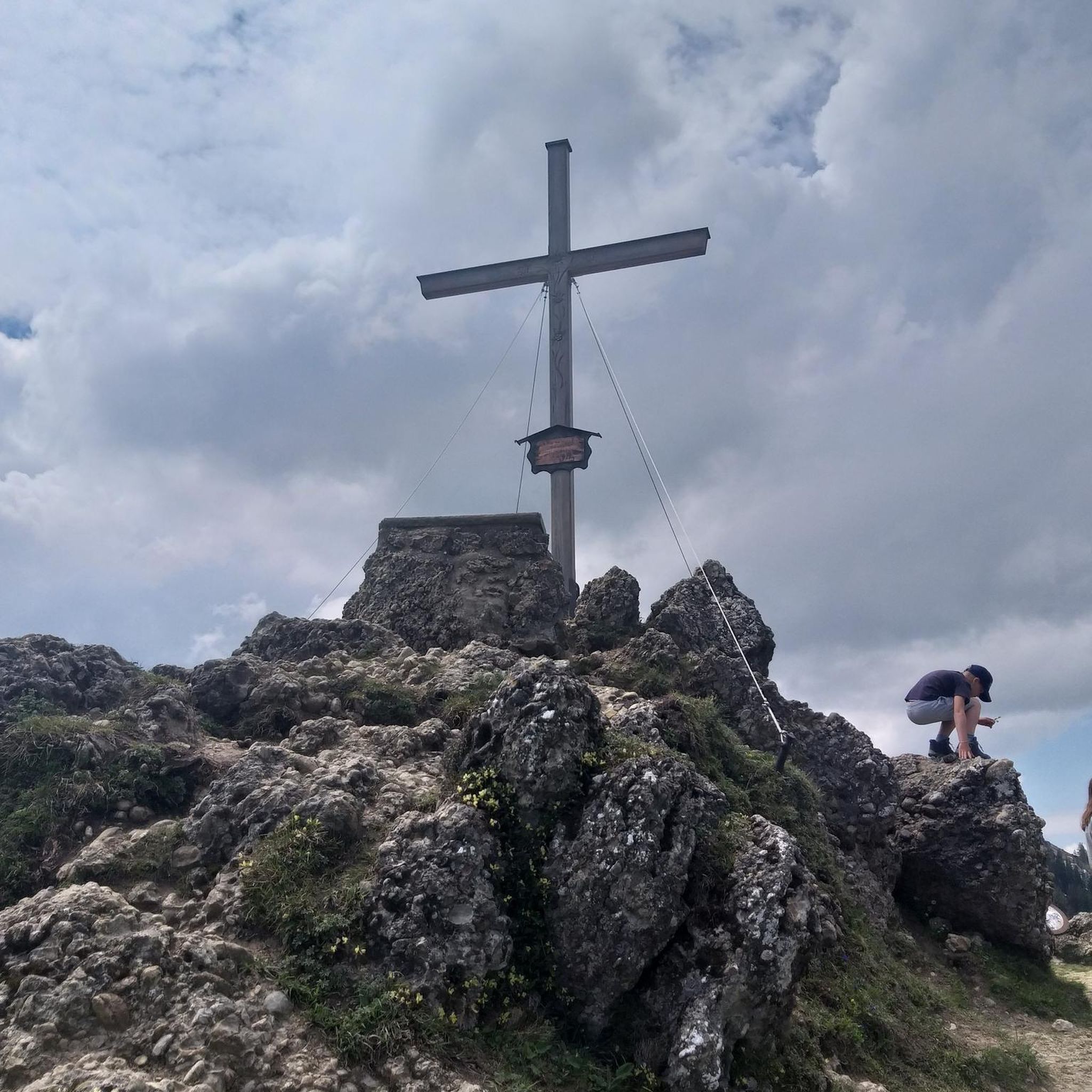
Tips from the Community

Mirador do Penedo Amarelo. It is located on Rua do Penedo Amarelo, in the urban area of Miranda do Douro. It offers wide panoramic views of the Douro River surrounded by green hills, the dam, the historic center and the co-cathedral of Miranda do Douro. It is one of the most outstanding urban viewpoints in the area.
3
0
From the Vale de Águia hill fort, there is a natural viewpoint with spectacular views of one of the meanders of the Douro. At the São João das Arribas hermitage, you can also enjoy stunning panoramic views of the canyon and waterfalls on the Spanish slope. The landscape includes cliffs, meadows, oak groves, and pastures, with abundant flora and fauna.
5
0
The GR-36 trail in the Miranda do Douro area is one of the most spectacular routes in northern Portugal, especially for its views of the Douro Canyon, which forms the natural border with Spain.
6
0
Douro Camping in Miranda do Douro is a highly rated option for those seeking a peaceful, natural experience in northern Portugal. It offers functional chalets and bungalows, some with fully equipped kitchens, private bathrooms, and satellite TV.
4
0

The first bishops of Miranda had to live in the Castle. It was only in 1601 that construction began on the Episcopal Palace and the Seminary. When it was completed, more than a century later, its opulence was no less than that of the Cathedral, whose Renaissance style it imitated. The Palace was built around a central courtyard, surrounded by a cloister with lowered arcades, on monolithic columns. And, although badly damaged by successive fires during the 17th and 18th centuries, it was the definitive transfer of the seat of the Diocese to Bragança, in 1780, that caused it to fall into rapid ruin. The shadow of its monumentality can still be seen today in the cloister and on the portico of the Seminary. However, despite its state of ruin, its symbolic power remains because the bishops always continued to engrave their names on the respective memorial, at the entrance to the Renaissance portico of the first Episcopal Palace of the Diocese.
2
1
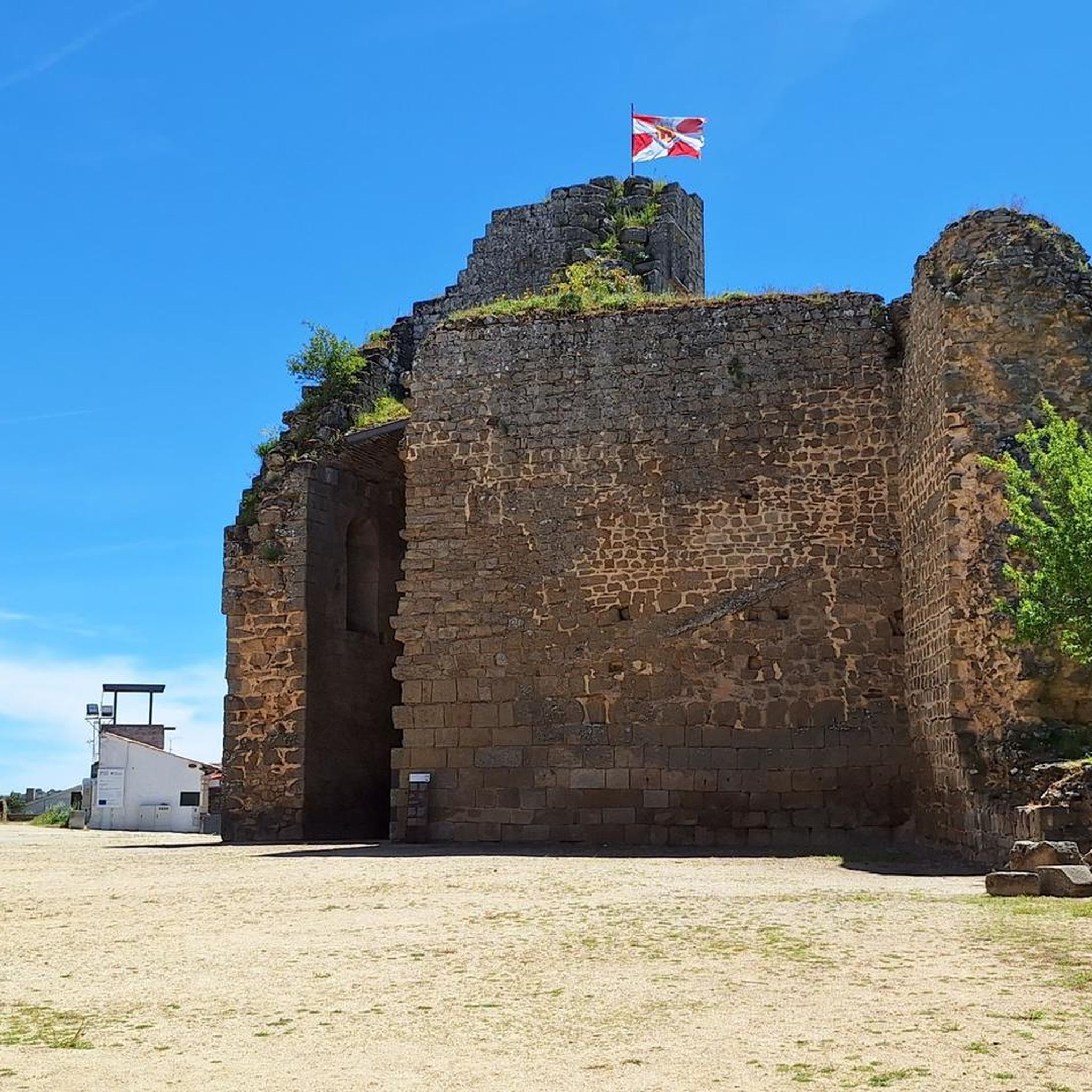
The castle of Miranda do Douro was built during a second period of settlement and ordering in Trás-os-Montes, which occurred during the reign of King Dinis. The first kings had provided this vast region with administrative units protected by Romanesque castles, called Terras, whose mission was to establish royal authority in an area of the kingdom that was notoriously peripheral. Over time, this power structure proved to be inadequate and King Afonso III initiated a different policy, the most visible of which was the founding of new urban towns. In the territory of Miranda do Douro, the new town was founded by King Dinis in 1286, thus culminating in the transfer of power from the old castle of Algoso, which had been the capital of the land until that date.
1
1
This park is located just outside the city center on the N-128 road toward the Santa Lucía neighborhood. It is a large park, located below the walled area of the Castle, on the banks of the Fresno River. Here, the river is dammed, and there is a bar-café with a very pleasant terrace where you can enjoy a drink, and where you can practice non-motorized water sports, such as canoeing or taking a trip along the river by renting a pedal boat. There is a significant gradient from the road to the riverbank, and numerous paths and pedestrian trails for leisurely strolls.
2
0
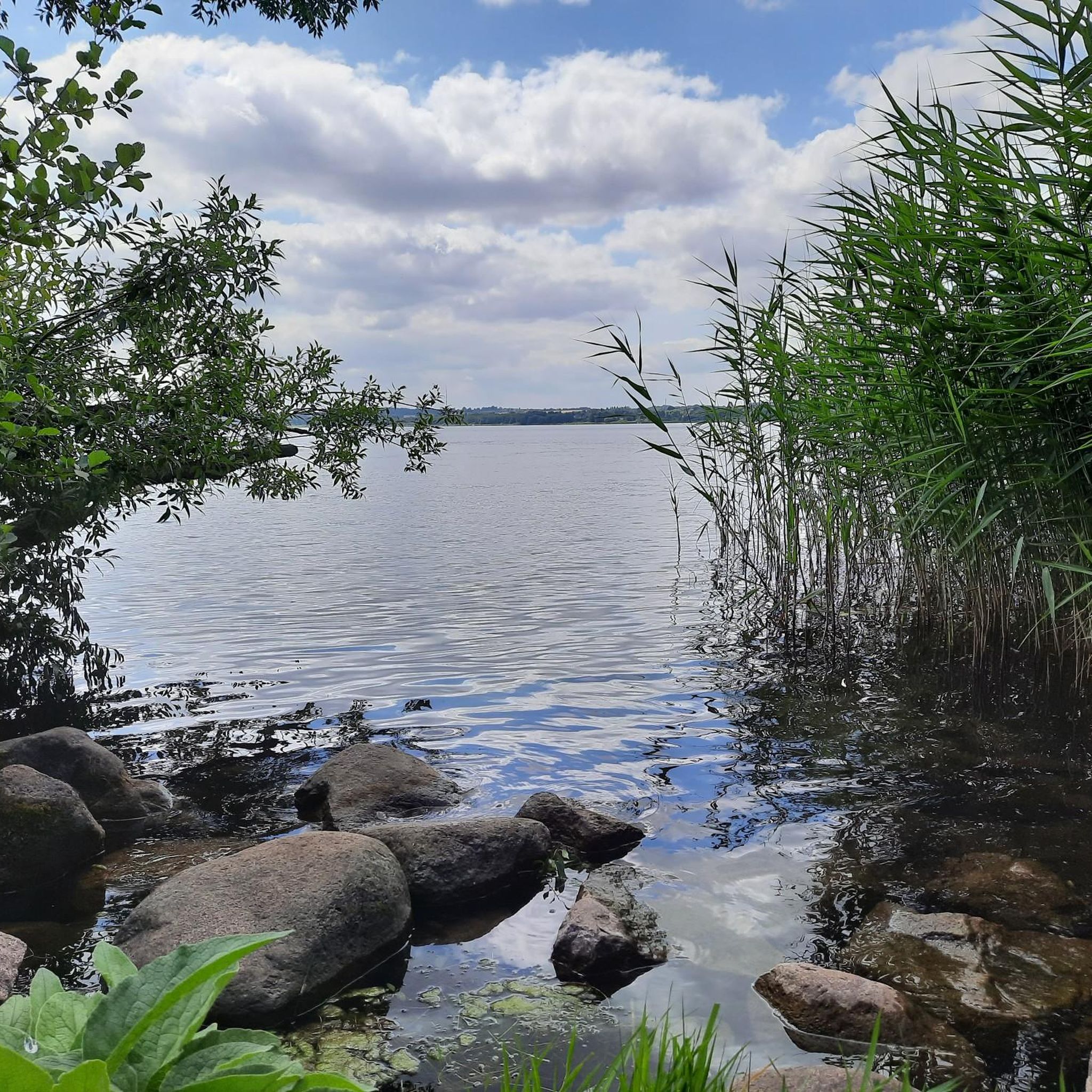
This park stretches for about 1.5 kilometres, following the course of the Fresno River. It is a leisure area that offers pedestrian trails along the banks and a pier with support facilities. Along the river, you can see restored mills, fountains and watermills.
2
0
Frequently Asked Questions
How many hiking trails are available in Póvoa?
Póvoa offers a selection of over 10 hiking routes, catering to various preferences and skill levels. These include coastal paths, river views, and urban green spaces, ensuring a diverse hiking experience.
What types of terrain can I expect on hikes around Póvoa?
The region boasts a diverse landscape. You can find refreshing coastal trails with spectacular cliffs and sea breezes, urban green spaces with well-maintained paths like Parque da Cidade, and more challenging mountainous terrain with rugged paths through forests and rocky outcrops, particularly in the nearby Serra do Marão.
Are there any easy hiking routes suitable for beginners in Póvoa?
Yes, Póvoa offers several easy routes. For instance, 4 of the available routes are considered easy. A good option is The monastery – The ruin loop from Miranda do Douro, which is 2.2 miles (3.5 km) long and takes about an hour to complete, leading through varied terrain.
Can I find circular hiking trails in Póvoa?
Yes, many of the trails in Póvoa are designed as loops, offering convenient circular routes. An example is View of the Douro Canyon – View of the Douro River loop from Miranda do Douro, a moderate 8.6 miles (13.8 km) path that provides scenic views.
What kind of landmarks or natural features can I see along the hiking trails?
Hiking in Póvoa allows you to discover various points of interest. Along coastal routes, you might encounter iconic 19th-century windmills, such as the Moinho de Aguçadoura, and the historic Ponte Metálica de Fão. Inland, you can visit cultural landmarks like the The monastery or explore natural viewpoints such as Yellow Rock Viewpoint and São João das Arribas Viewpoint, offering panoramic views.
Are there any viewpoints with panoramic views in the Póvoa area?
Absolutely. The region is known for its stunning vistas. The Chapel of São Pedro, perched on a hill, offers breathtaking panoramic views of the Atlantic Ocean. Additionally, trails like Yellow Rock Viewpoint – View of the Douro Canyon loop from Castro de São João das Arribas lead to prominent viewpoints such as the Yellow Rock Viewpoint and São João das Arribas Viewpoint, providing expansive views of the surrounding countryside and the Douro Canyon.
What do other hikers enjoy most about hiking in Póvoa?
The hiking routes in Póvoa are highly rated by the komoot community, with an average score of 4.8 stars from over 27 reviews. Hikers often praise the diverse terrain, from refreshing coastal paths to challenging mountain trails, and the opportunity to explore both natural beauty and cultural landmarks.
Are there any family-friendly walking options in Póvoa?
Yes, Póvoa offers several options suitable for families. The urban green spaces, such as Parque da Cidade, provide well-maintained and generally flat trails perfect for a leisurely family stroll. Many of the easy-rated routes are also suitable for families looking for a less strenuous outdoor experience.
What is the best season for hiking in Póvoa?
Póvoa de Varzim is generally pleasant for hiking for much of the year. The coastal trails are particularly enjoyable during spring and autumn when the weather is mild and the sea breezes are refreshing. Summer offers warm conditions ideal for combining hikes with beach activities, while the mountainous areas might be more challenging in winter but offer unique scenery.
Are there any trails that offer views of the Douro River or its canyon?
Yes, some trails in the broader Póvoa region provide stunning views of the Douro River and its dramatic canyon. For example, the moderate View of the Douro Canyon – View of the Douro River loop from Miranda do Douro offers exceptional vistas of this iconic natural feature.
Are there any historical ruins or religious buildings to explore on hikes?
Yes, you can incorporate historical and religious sites into your hikes. The region features landmarks such as The ruin and The monastery, which can be explored on routes like The ruin – The monastery loop from Miranda do Douro. These offer a glimpse into the area's rich heritage amidst natural beauty.
Most popular routes around Póvoa
Most popular attractions around Póvoa

Get inspired with the komoot mobile app


Explore more
Browse the best Hikes in other regions.
