The best road cycling routes around Rio De Onor
3.4
(7)
402
riders
24
rides
Road cycling around Rio De Onor offers diverse terrain within the Montesinho Natural Park, characterized by rolling hills and winding roads with "perfect tarmac." The region features two prominent massifs, Serra da Coroa and Serra de Montesinho, providing varied landscapes for cyclists. While flat sections can be found along the River Onor, routes often include significant uphill climbs, with ascents of 1,000 to 2,000 meters over 40 kilometers. The area's natural beauty and challenging routes make it suitable for experienced…
Last updated: May 16, 2026
50
riders
83.4km
04:14
1,420m
1,420m
Hard road ride. Very good fitness required. Mostly well-paved surfaces and easy to ride.
3.5
(2)
25
riders
90.0km
05:08
1,610m
1,610m
Hard road ride. Very good fitness required. Mostly well-paved surfaces and easy to ride.

Sign up for free
9
riders
79.0km
03:55
1,220m
1,220m
Hard road ride. Very good fitness required. You may need to push your bike for some segments of this route.
8
riders
79.5km
03:58
1,250m
1,250m
Hard road ride. Very good fitness required. You may need to push your bike for some segments of this route.
3.0
(1)
4
riders
64.0km
03:21
1,100m
1,100m
Hard road ride. Very good fitness required. Mostly well-paved surfaces and easy to ride.
Get access to more routes and recommendations from other explorers.
Sign up for free
Already have an account?
Our route recommendations are based on thousands of hikes, rides, and runs completed by other people on komoot.
Start today with a free account
Your next adventure awaits.
Login or Signup
Popular around Rio De Onor
Tips from the Community

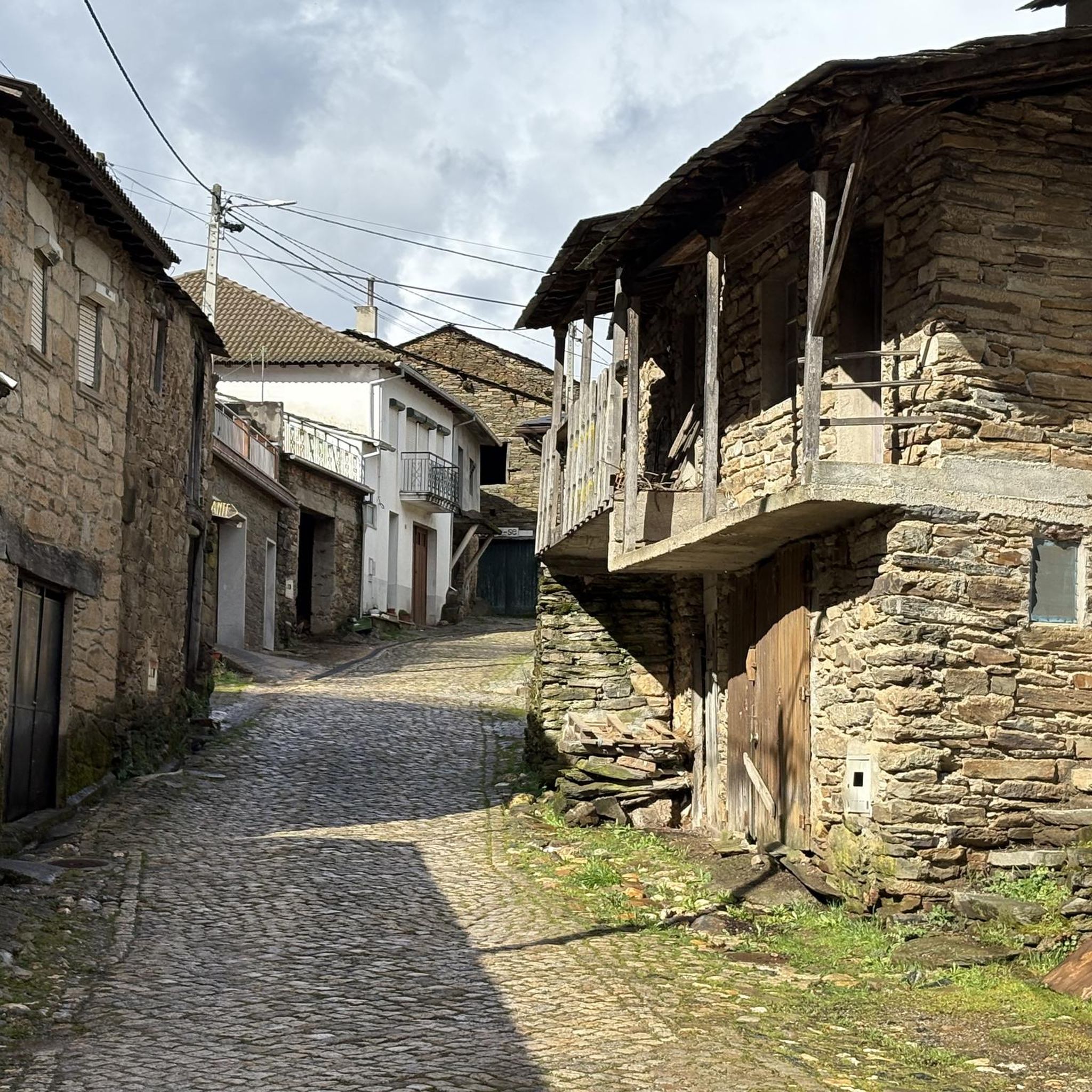
Rio de Onor is not just a beautiful village; it's a "living museum" of a way of life that has almost disappeared in Europe. It's worth visiting because it is possibly the village with the most fascinating social history in Portugal. Here are the 4 main reasons to go there: 1. It's a Community Village ("Communitarianism") This is Rio de Onor's great trademark. For centuries, the village lived under a system of total sharing among neighbors, something very rare: Sharing of Goods: The bread oven, the watermill, and even the village bull belonged to everyone. The "Rod of Justice": Decisions and fines for infractions in the village were marked on a wooden rod, managed by the "judge" elected by the people. You can see this history explained at the Casa do Touro (House of the Bull), a small, unmissable museum in the village. 2. One Village, Two Countries Rio de Onor is a village bisected by the international border. On this side is Rio de Onor (Portugal); on the other side is Rihonor de Castilla (Spain). For the inhabitants, the border never really existed: they share land, livestock, and even speak their own dialect (Rionorês), an ancient mixture of Portuguese and Castilian. It's very curious to cross from one country to the other on foot in the middle of the main street. 3. The Schist Landscape and Nature Located in the Montesinho Natural Park, the village is visually stunning. The houses are made of dark schist with wooden balconies, typical of Trás-os-Montes, and are very well preserved. The Onor River, which crosses the village, has clear waters and creates a very pleasant natural river beach in the summer, perfect for picnics. 4. The "Roman" Bridge The old stone bridge (which is actually from the 19th century, despite its popular name) is the village's postcard image. The reflection of the arches in the water with the schist houses in the background creates one of the most photogenic landscapes in Northern Portugal. Visiting Rio de Onor is like stepping back in time and understanding how communities survived in isolation in the mountains, supporting each other. It's a lesson in life and history in an incredible natural setting.
2
0

Rio de Onor is a sleepy little village right on the Portugal/Spain border. The drive through it is a challenging one and absolutely not recommended for larger campervans.
3
1

Small village in the Montesinho National Park. From here you can follow the old levadas to the river and there is also an excellent river beach...
3
0
Rio de Onor is one of the most emblematic villages in Bragança and the Montesinho Natural Park, and was elected the 7th Wonder of Portugal in 2017 – a village in a protected area. Crossing the border with Spain, on one side is Rio de Onor, and on the other, Rihonor de Castilla, which is why it is said to be “one village, two countries”!
5
0

Beautiful population center located at the foot of França in the middle of the Montesinho National Park. Green, round hills only crossed by towns like this!
3
0
Beautiful town located at the foot of the Sabor and Onor rivers, in a humid area but full of nature.
1
0
Bragança is one of the northernmost large cities in Portugal and which gives its name to the province. Known for its castle, which is surrounded by the meander of the Fervença River.
0
0
Since time immemorial, the river has always been a border element that has simultaneously helped separate several countries. The Manzanas River at this point is a good example!
0
0
Frequently Asked Questions
How many road cycling routes are available around Rio de Onor?
There are over 20 road cycling routes documented around Rio de Onor on komoot, offering a variety of options for exploring the region's diverse terrain.
What is the typical difficulty level for road cycling routes in Rio de Onor?
Road cycling routes in Rio de Onor are generally considered challenging. They often feature significant uphill climbs, with some ascents ranging from 1,000 to 2,000 meters over 40 kilometers. While the average incline is moderate, these routes are best suited for experienced road cyclists with good endurance.
Are there any circular road cycling routes in the Rio de Onor area?
Yes, several circular road cycling routes are available. For example, you can explore the border region with the challenging From Bragança to Puebla de Sanabria — circular, or immerse yourself in the natural beauty of the park on the Montesinho Natural Park Loop from Bragança.
What kind of landscapes can I expect to see while road cycling near Rio de Onor?
Road cycling around Rio de Onor offers a blend of stunning natural beauty and traditional architecture. You'll encounter rolling hills, winding roads with 'perfect tarmac,' and diverse landscapes within the Montesinho Natural Park, including the prominent Serra da Coroa and Serra de Montesinho massifs. The village itself is bisected by the crystalline River Onor, and you'll pass traditional Transmontana houses built with darkened schist.
Are there any cultural or historical landmarks to see along the cycling routes?
Absolutely. Rio de Onor is rich in cultural and historical points of interest. You can cycle past a Roman Bridge and a Castro (a fortified settlement) overlooking the village. The village itself is a highlight, recognized as one of the '7 Wonders of Portugal,' with traditional schist houses and community attractions like the Community Mill and Community Oven. You might also pass through other charming settlements like Rio de Onor Village or Montesinho Village.
What makes road cycling in Rio de Onor unique?
The unique characteristic of Rio de Onor is its position straddling the Portuguese-Spanish border, often referred to as 'one village, two countries.' This allows cyclists to literally traverse between two nations within the same ride, adding an intriguing cultural element to the experience. The combination of challenging terrain, unspoiled natural beauty within Montesinho Natural Park, and rich local heritage makes it a truly distinctive destination.
What do other cyclists say about road cycling in Rio de Onor?
The road cycling routes in Rio de Onor are highly rated by the komoot community, with an average score of 3.4 stars. Cyclists often praise the varied terrain, the 'perfect tarmac' of the winding roads, and the stunning natural beauty of the Montesinho Natural Park.
Is Rio de Onor suitable for beginner road cyclists?
Given that all routes in the area are classified as difficult, with significant elevation gains, Rio de Onor is generally more suitable for experienced road cyclists. Beginner cyclists might find the ascents and distances quite challenging. However, with patience and determination, some sections might be manageable for those looking for a serious challenge.
Are there any long-distance road cycling routes that include Rio de Onor?
Yes, several routes offer substantial distances, often crossing into Spain. The Peña Mira and Rio de Onor Loop from Puebla de Sanabria is a 79 km trail, and the Embalse de Cernadilla y Sierra de la Culebra — circular por Puebla de Sanabria covers nearly 80 km, providing excellent options for longer rides.
What are some scenic viewpoints or natural highlights along the routes?
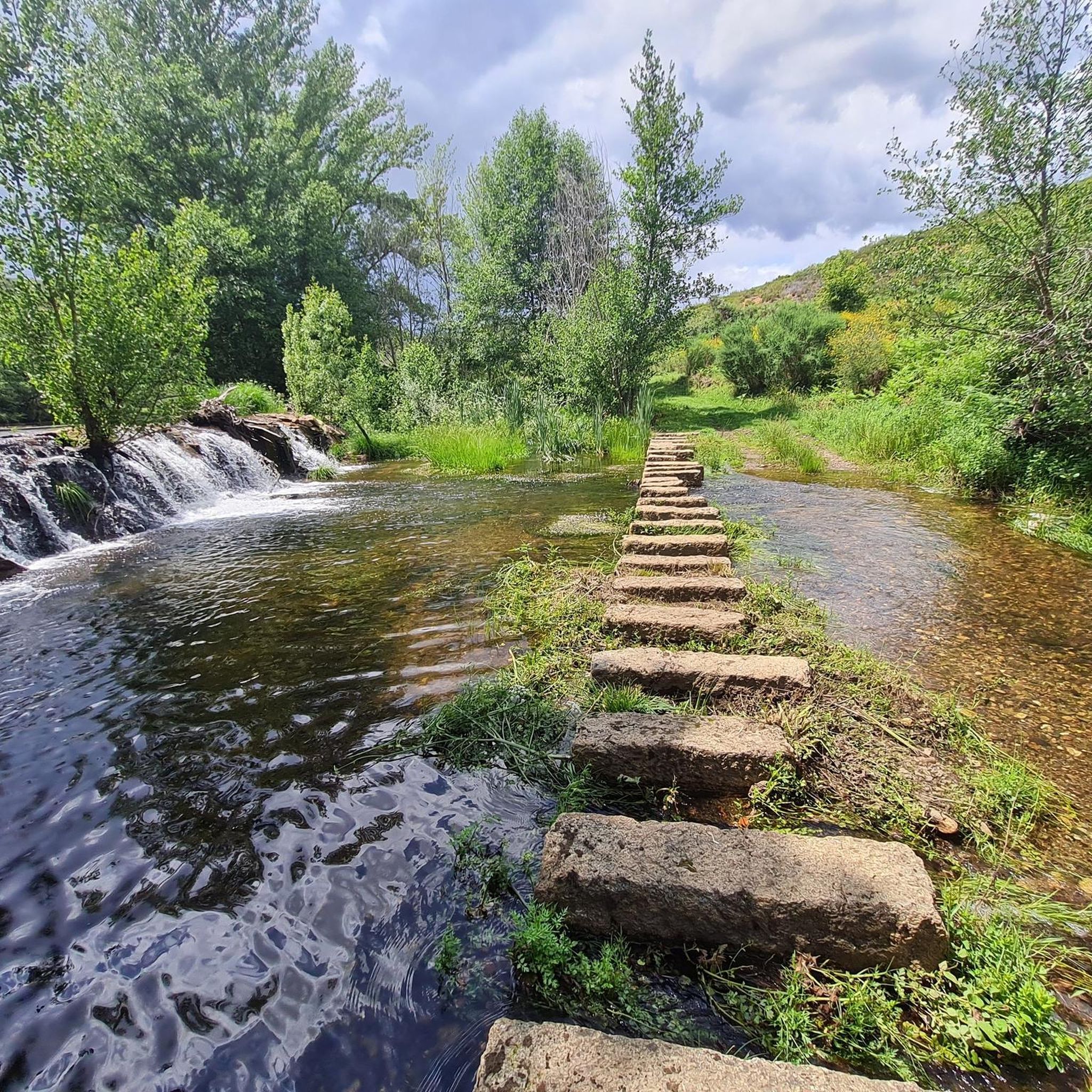
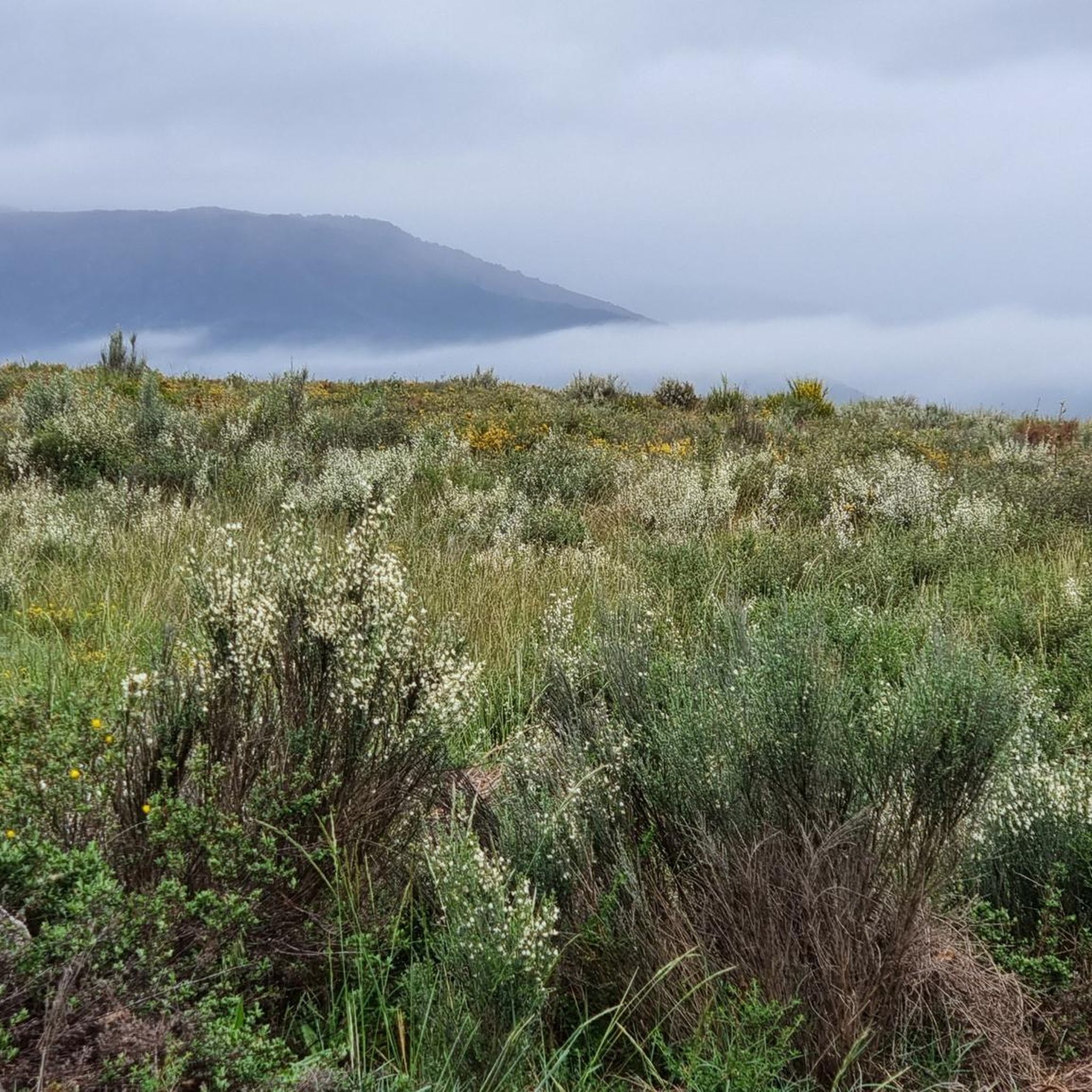
The Montesinho Natural Park itself is a major highlight, offering numerous scenic vistas. Specific points of interest include the Scenic landscape in Parque Natural de Montesinho, the View of the Montesinho Hills, and the picturesque Weir and Boardwalk of the Rio Onor. You can also enjoy views of São Julião within the park.
Can I find cafes or places to stop for refreshments along the road cycling routes?
While the region is rural, Rio de Onor village itself, being a community hub, offers opportunities for interaction with locals and potentially small establishments. For more options, planning routes that pass through larger towns like Bragança or Puebla de Sanabria (in Spain) will provide more choices for cafes, pubs, and restaurants.
What is the best time of year for road cycling in Rio de Onor?
The region experiences varied weather. While specific 'best time' data isn't provided, considering the significant climbs and the natural park setting, spring and autumn generally offer more temperate conditions for cycling, avoiding the peak heat of summer or the colder, potentially wetter conditions of winter.
Most popular routes around Rio De Onor
Most popular attractions around Rio De Onor

Get inspired with the komoot mobile app


Explore more
Browse the best Road cycling routes in other regions.
