The best road cycling routes around Outeiro
3.3
(3)
52
riders
7
rides
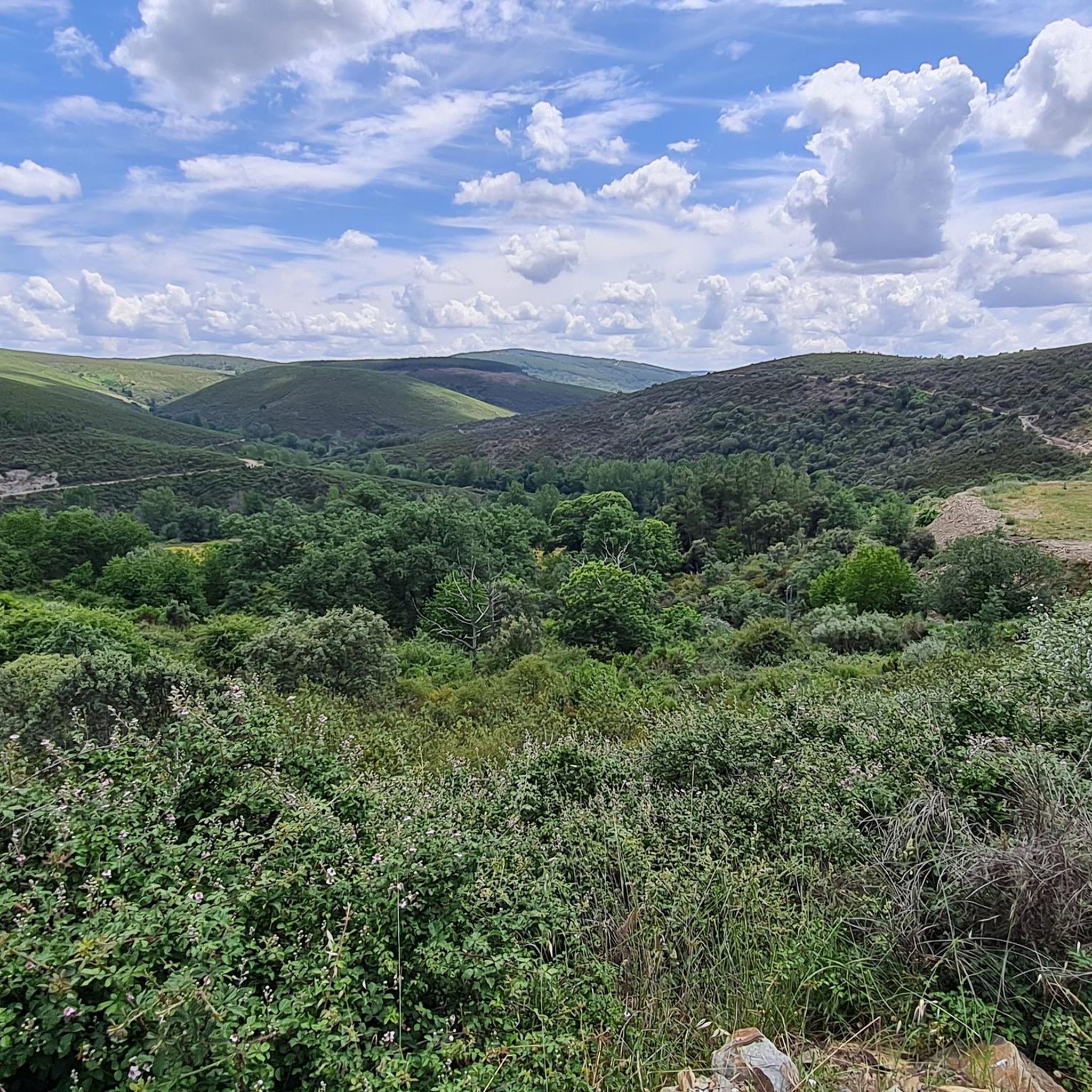
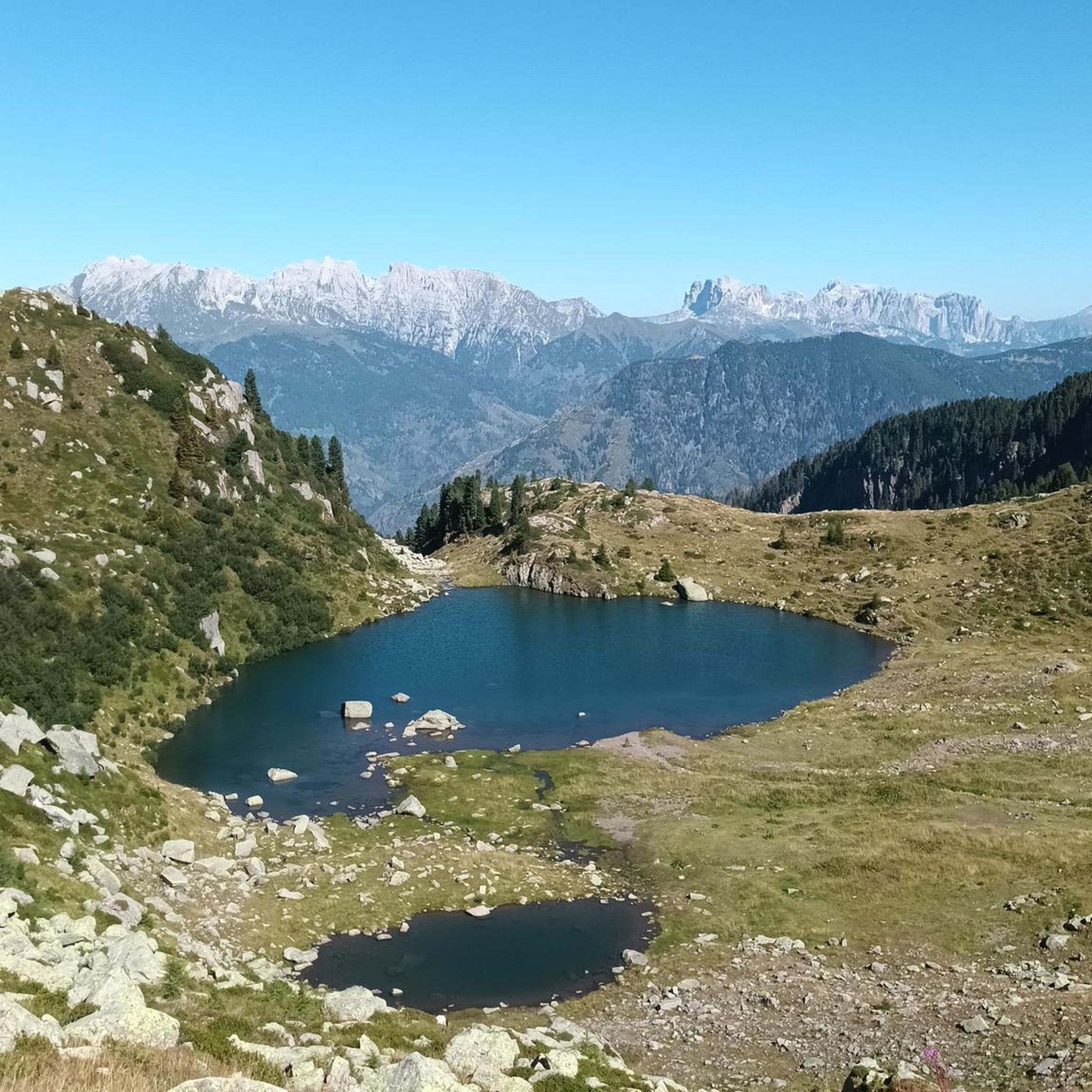
Road cycling routes around Outeiro traverse a region characterized by diverse terrain, including rugged mountains, lush forests, and deep valleys. The area offers a blend of challenging ascents and scenic descents, particularly around the Peneda-Gerês National Park. Cyclists can expect routes that wind through varied landscapes, providing both physical engagement and expansive views. The presence of rivers and waterfalls adds to the natural features encountered along the routes.
Best road cycling routes around Outeiro
- The most popular road cycling route…
Last updated: July 16, 2026
3.0
(1)
5
riders
64.0km
03:21
1,100m
1,100m
Hard road ride. Very good fitness required. Mostly well-paved surfaces and easy to ride.
3
riders
47.3km
02:29
750m
740m
Cycle 29.4 miles (47.3 km) on this moderate road route around Argozelo, featuring river views and historical landmarks.

Sign up for free
2
riders
76.5km
03:54
1,150m
1,150m
This difficult 47.5 miles (76.5 km) road cycling route from Trabazos to Castillo de Outeiro offers a challenging ride with 3777 feet of elev
50.4km
02:41
860m
860m
The Trabazos – tour around Figueruela de Arriba is a 31.3-mile road cycling route with challenging climbs and scenic views in Parque Natural
3.5
(2)
25
riders
76.1km
03:56
1,350m
1,350m
Hard road ride. Very good fitness required. Mostly well-paved surfaces and easy to ride.
Get access to more routes and recommendations from other explorers.
Sign up for free
Already have an account?
Our route recommendations are based on thousands of hikes, rides, and runs completed by other people on komoot.
Start today with a free account
Your next adventure awaits.
Login or Signup
Popular around Outeiro
Tips from the Community

Rio de Onor is not just a beautiful village; it's a "living museum" of a way of life that has almost disappeared in Europe. It's worth visiting because it is possibly the village with the most fascinating social history in Portugal. Here are the 4 main reasons to go there: 1. It's a Community Village ("Communitarianism") This is Rio de Onor's great trademark. For centuries, the village lived under a system of total sharing among neighbors, something very rare: Sharing of Goods: The bread oven, the watermill, and even the village bull belonged to everyone. The "Rod of Justice": Decisions and fines for infractions in the village were marked on a wooden rod, managed by the "judge" elected by the people. You can see this history explained at the Casa do Touro (House of the Bull), a small, unmissable museum in the village. 2. One Village, Two Countries Rio de Onor is a village bisected by the international border. On this side is Rio de Onor (Portugal); on the other side is Rihonor de Castilla (Spain). For the inhabitants, the border never really existed: they share land, livestock, and even speak their own dialect (Rionorês), an ancient mixture of Portuguese and Castilian. It's very curious to cross from one country to the other on foot in the middle of the main street. 3. The Schist Landscape and Nature Located in the Montesinho Natural Park, the village is visually stunning. The houses are made of dark schist with wooden balconies, typical of Trás-os-Montes, and are very well preserved. The Onor River, which crosses the village, has clear waters and creates a very pleasant natural river beach in the summer, perfect for picnics. 4. The "Roman" Bridge The old stone bridge (which is actually from the 19th century, despite its popular name) is the village's postcard image. The reflection of the arches in the water with the schist houses in the background creates one of the most photogenic landscapes in Northern Portugal. Visiting Rio de Onor is like stepping back in time and understanding how communities survived in isolation in the mountains, supporting each other. It's a lesson in life and history in an incredible natural setting.
2
0

Guadramil, lost among the mountains of the Montesinho Natural Park, is one of the most isolated villages in Portugal, so remote that not even a mobile phone signal can reach it. Located in the district of Bragança, it preserves the charm of the most authentic villages in Trás-os-Montes.
1
0

Rio de Onor is a sleepy little village right on the Portugal/Spain border. The drive through it is a challenging one and absolutely not recommended for larger campervans.
3
1

Rio de Onor is one of the most emblematic villages in Bragança and the Montesinho Natural Park, and was elected the 7th Wonder of Portugal in 2017 – a village in a protected area. Crossing the border with Spain, on one side is Rio de Onor, and on the other, Rihonor de Castilla, which is why it is said to be “one village, two countries”!
5
0

Beautiful stretch of road that runs next to the Maçãs River and at one point there is a spectacular bridge that helps cross both sides. It is worth passing through this gorge between the towns of Carção and Vimioso.
1
0
Beautiful town located at the foot of the Sabor and Onor rivers, in a humid area but full of nature.
1
0
Since time immemorial, the river has always been a border element that has simultaneously helped separate several countries. The Manzanas River at this point is a good example!
0
0
Outeiro is one of those border towns where you can see its legacy, where the ruins of an old castle that crowns the town appear at the bottom of the core. Beautiful village church!
0
0
Frequently Asked Questions
How many road cycling routes are available around Outeiro?
There are 7 road cycling routes around Outeiro, offering a variety of experiences for cyclists.
What kind of terrain can I expect on road cycling routes in Outeiro?
Road cycling routes around Outeiro traverse a region characterized by diverse terrain, including rugged mountains, lush forests, and deep valleys. You can expect a blend of challenging ascents and scenic descents, particularly around the Peneda-Gerês National Park. Many routes wind through varied landscapes, offering both physical engagement and expansive views, often along quiet country roads and through eucalyptus forests.
Are there road cycling routes suitable for different skill levels in Outeiro?
Yes, Outeiro offers routes for various skill levels. There are 4 moderate routes and 3 difficult routes, ensuring options for both experienced cyclists seeking a challenge and those looking for a less strenuous ride.
What are some notable landmarks or attractions I can see along the road cycling routes?
Many routes offer views of significant landmarks. For instance, the route Rio Maçãs and view of Outeiro and Castelo provides scenic views of the Rio Maçãs and the historic Outeiro castle. Other routes may pass near historical sites like Montalegre Castle or the Mosteiro de Santa Maria das Junias. You can also explore highlights such as the Nuez de Aliste Historic Village Center or the Puente de la Canzona.
Are there any routes that feature waterfalls or natural pools?
While specific routes are not detailed to pass directly by them, the region around Outeiro is known for its stunning natural features, including waterfalls. The Cela Cavalos Waterfall, with its natural pool and hidden lagoon, is a notable natural wonder in the area. Other waterfalls like Pitoes das Junias Cascata, Cascata da Portela do Homem, and Cascata do Arado are also nearby and can serve as beautiful destinations or scenic points along cycling routes.
What do other road cyclists enjoy most about cycling in Outeiro?
The road cycling routes in Outeiro are highly rated by the komoot community, with an average score of 3.25 stars from 3 reviews. Cyclists often praise the varied terrain, the expansive views, and the opportunity to cycle through national park settings like the Parque Natural de Montesinho.
Are there any circular road cycling routes available?
Yes, there are circular routes available. An example is The other side of the border and Parque Natural de Montesinho — circular from Milhão, which is a difficult 39.8-mile (64.0 km) trail offering varied terrain and views within a national park setting.
What is the typical elevation gain on road cycling routes around Outeiro?
The routes around Outeiro often feature significant elevation changes due to the mountainous terrain. For example, the difficult route From Trabazos to Castillo de Outeiro has an elevation gain of over 1150 meters, while the moderate route Rio Maçãs and view of Outeiro and Castelo involves around 740 meters of ascent.
Is it possible to combine road cycling with cultural exploration in Outeiro?
Absolutely. Outeiro's proximity to historical attractions like Montalegre Castle and the Mosteiro de Santa Maria das Junias allows riders to integrate cultural exploration with their physical activity. Many routes offer opportunities for breaks and sightseeing at these sites or nearby historic villages such as the Nuez de Aliste Historic Village Center.
What is the best time of year for road cycling in Outeiro?
While specific seasonal data isn't provided, the region's natural beauty, including lush forests and clear streams, suggests that spring and autumn would be ideal for road cycling. These seasons typically offer pleasant temperatures and vibrant landscapes, avoiding the extreme heat of summer or potential winter conditions in mountainous areas.
Are there any routes that cross into other regions or natural parks?
Yes, some routes offer cross-border experiences or venture into significant natural parks. For instance, The other side of the border and Parque Natural de Montesinho — circular from Milhão takes you through the Parque Natural de Montesinho, offering a unique cycling experience within a protected natural area.
Can I find scenic viewpoints along the road cycling routes?
The rugged mountains and deep valleys of the Outeiro region naturally provide numerous scenic viewpoints. Many routes offer expansive views, particularly those winding through the Peneda-Gerês National Park. You can also find specific viewpoints like the View of São Julião in the Montesinho Natural Park, which are perfect for a break and enjoying the landscape.
Most popular routes around Outeiro
Most popular attractions around Outeiro

Get inspired with the komoot mobile app


Explore more
Browse the best Road cycling routes in other regions.
