The best walks and hikes around Donai
4.0
(93)
320
hikers
15
hikes
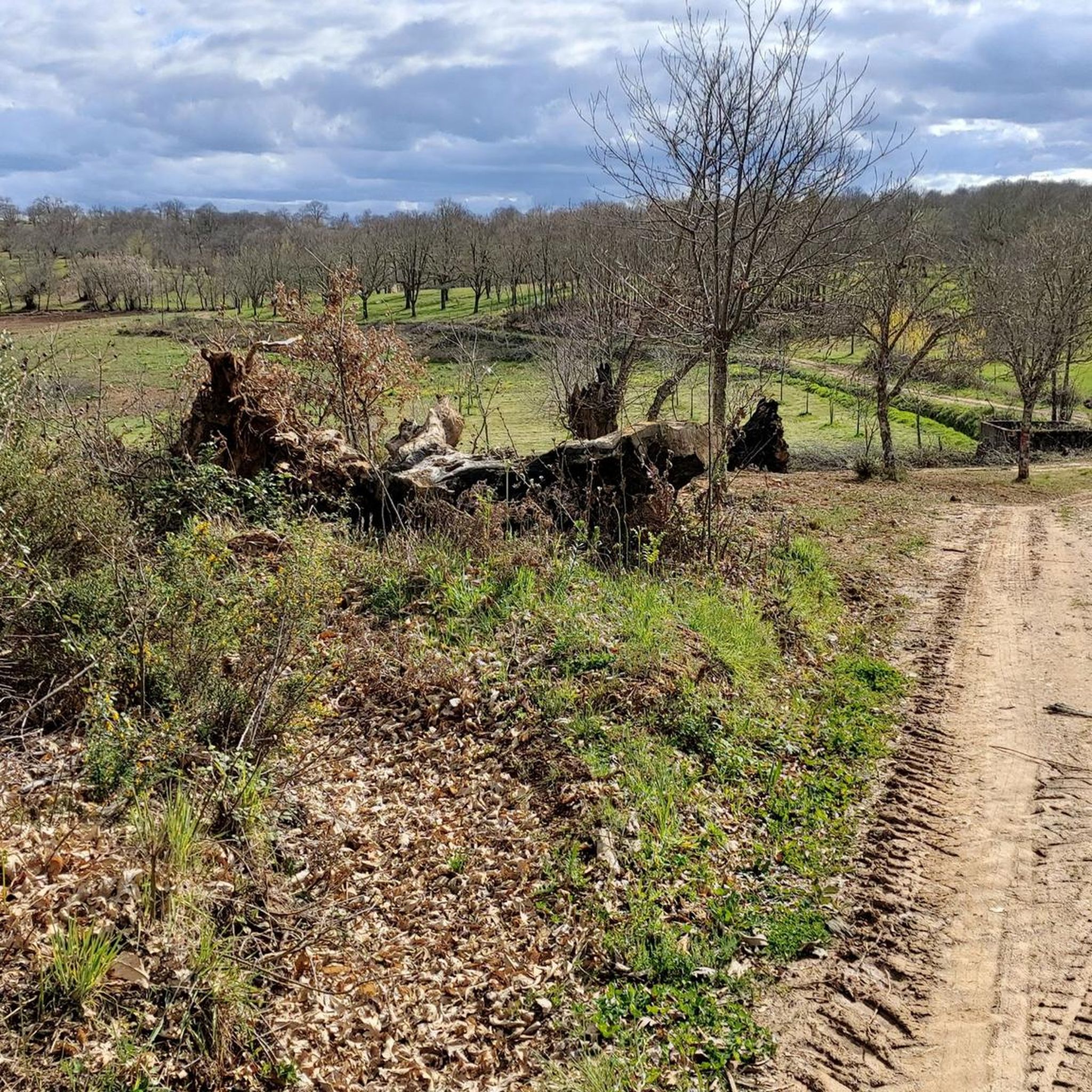
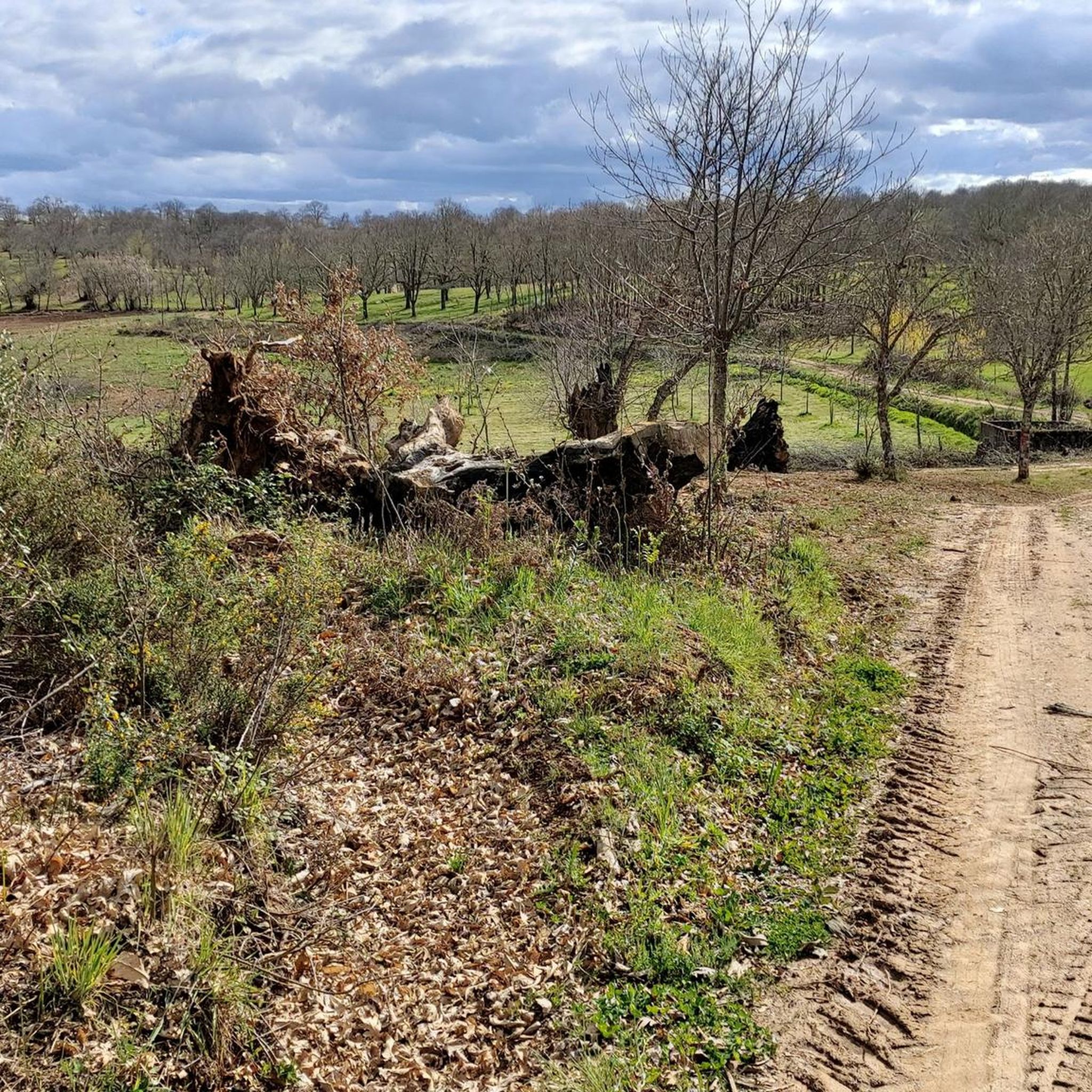
Hiking around Donai features a landscape characterized by rolling hills, agricultural areas, and historic village paths. The region offers a variety of trails that traverse through cultivated orchards and connect small settlements. Elevation changes are generally gentle, making for accessible walking experiences.
Best hiking trails around Donai
- The most popular hiking route is Castanheiro Orchard – Gondesende loop from Gondesende, a 2.8 miles (4.4 km) trail that takes 1 hour 16 minutes to complete. This easy route explores local…
Last updated: August 27, 2026
3.6
(30)
65
hikers
4.44km
01:16
110m
110m
Easy hike. Great for any fitness level. Easily-accessible paths. Suitable for all skill levels.
3.5
(11)
30
hikers
9.49km
02:40
200m
200m
Moderate hike. Good fitness required. Easily-accessible paths. Suitable for all skill levels.

Sign up for free
3.0
(1)
3
hikers
7.60km
02:12
200m
200m
Moderate hike. Good fitness required. Easily-accessible paths. Suitable for all skill levels.
4.0
(1)
9
hikers
Moderate hike. Good fitness required. Easily-accessible paths. Suitable for all skill levels.
3
hikers
10.7km
03:06
270m
270m
Hard hike. Good fitness required. Sure-footedness, sturdy shoes and alpine experience required.
Get access to more routes and recommendations from other explorers.
Sign up for free
Already have an account?
Our route recommendations are based on thousands of hikes, rides, and runs completed by other people on komoot.
Start today with a free account
Your next adventure awaits.
Login or Signup


Tips from the Community

The Fervença Urban Park Mill (Green Corridor) is a picture-postcard setting: Worth seeing for the scenery. The mill has been restored and is part of the "Green Corridor," a path with wooden walkways that follows the Fervença River. The combination of the old stone structure with nature and the flowing water creates a very photogenic and relaxing setting, even within the city. It's the highlight of an easy, flat walk, ideal for families or for disconnecting from the urban environment without having to leave Bragança. From here, you have unique angles to see the Castle high above.
1
0
The Church of St. John the Baptist, better known as the Old Cathedral of Bragança, is, for many visitors, the "true" religious soul of the city. While the New Cathedral is modern and functional, the Old Cathedral breathes history and art. It's worth visiting for 4 main reasons: 1. The Hidden Treasure Inside (The Golden "Wow") From the outside, the facade is relatively sober and simple. Those passing by in the square can't imagine the richness that lies inside. Gilded Woodcarving: As soon as you enter, you are struck by the brilliance of the Baroque altars. The main altar is impressive, but the side altars are also incredibly rich in 18th-century gilded woodcarving. The Sacristy Ceiling: This is a secret that many tourists miss. If you manage to peek into the sacristy, look at the ceiling: it has oil paintings encased in wood that tell the life of St. Ignatius of Loyola. It's an art gallery on the ceiling. 2. The Jesuit Heritage (Living History) This church was not originally a cathedral. It was part of a Jesuit College founded in the 16th century. This explains the structure and art focused on visual catechesis. It only became a "Sé" (Cathedral) in 1764, when the bishop moved from Miranda do Douro to Bragança, "borrowing" this Jesuit church to be his seat. 3. The Cloister of Peace Next to the main nave, there is a very beautiful and tranquil Renaissance cloister. It is a space of silence in the middle of the city, with stone arcades and an interior garden that invites a pause. It is one of the most photogenic cloisters in Bragança. 4. Strategic Location It is located in Praça da Sé, the heart of the lower part of the city. It is the ideal stopping point before or after climbing to the Castle. Right across the street is the city's Gothic pillory, allowing you to see two monuments in one place. Visiting tip: After seeing the Old Cathedral, take a look at the surrounding buildings in the Cathedral Square; many of them have cafes with terraces where you can sample local sweets (such as the "pitos" of Santa Luzia) with a view of the church.
2
0
The Domus Municipalis of Bragança is one of those unparalleled treasures. It's worth visiting not only because it's a national monument, but because it's a true relic: the only example of Romanesque civil architecture in the entire Iberian Peninsula. If you enjoy history or architecture, you'll quickly understand why this building is so special: 1. An Architectural Rarity (Unique Form) While most Romanesque buildings that have survived to this day are churches or monasteries, this is a civil (non-religious) building. Even more curious is its shape: an irregular pentagon. This is not something you see every day in medieval architecture. 2. The Mysterious Dual Function Upon entering, you'll realize that the building is "two in one". This clever engineering tells a story of the city's survival: The Lower Floor (The Cistern): The building's base is a huge vaulted cistern that collected rainwater and spring water. Since Bragança (and its Citadel) is located on a hill, water was a scarce and vital resource for resisting military sieges. The Upper Floor (The "Town Hall"): Above the cistern, there is a large room with windows all around (letting in plenty of light and air). It is believed that this was where the "good men" of the council met to discuss city affairs. Imagine a medieval town hall, outdoors but covered. 3. Details Not to Be Missed The Light and the Views: As it is an open space with a gallery of arched windows all around, the light enters in a very special way, creating a photogenic environment and allowing you to see the Citadel from various angles. The Modillions (Corners): If you look closely at the cornice (the top of the walls, both inside and out), you'll see small stone sculptures called modillions or corbels. They have curious shapes, ranging from human faces to animals and geometric figures, typical of medieval imagery. It's a quick visit (you can see it in 15-20 minutes), it's free (usually), and it's literally next to the Church of Santa Maria and the Castle. In other words, there's no reason not to go in!
0
0
It's interesting and unusual to find yourself in that place.
1
0
Bragança Castle, located in northeastern Portugal, is one of the most impressive and well-preserved medieval castles in the country. Keep: At 33 meters high, it is one of the most imposing in Portugal. Inside, it houses the Bragança Military Museum, where you can see a vast collection of light weaponry, from the 12th century to the First World War. From the top of the tower, there is a breathtaking view over the old city, the new part of Bragança, and the surrounding mountains (Montesinho, Sanábria). The Princess Tower is an old residential outbuilding (Alcáçova Tower) famous for a tragic love legend. In the citadel, you can stroll through the streets within the walls, where the medieval atmosphere remains almost intact.
3
0
The Church of Santa Maria, also known as the Church of Our Lady of Sardão, is considered the oldest church in Bragança and is a must-see for anyone visiting the Citadel. Located within the walls, it is in a privileged setting, right next to the famous Domus Municipalis and a few steps from the castle's Keep. Baroque Facade: The entrance stands out for its beautiful portal flanked by two Solomonic (twisted) columns decorated with vines and bunches of grapes, a detail much praised by visitors. Pay particular attention to: The Painted Ceiling: Upon entering, look up. The ceiling of the central nave features a perspective painting (trompe-l'œil) representing the Assumption of the Virgin, full of vibrant colors. It is, without a doubt, the "wow" element of the interior. High Altar: Dedicated to Saint Mary Magdalene, with a 17th-century image. Also note the Figueiredos Chapel, rich in gilded woodcarving.
0
0


Iberian Museum of Masks and Costumes Rua D. Fernão "O Bravo", 24/26 5300-025 Bragança tel. (351) 273 381 008 museu.iberico@cm-braganca.pt Open from Tuesday to Sunday 09:00 - 13:00 | 14:00 - 17:00 Closed on Mondays (except Carnival Monday) Closed annually on: 1 January, 1 May, Easter Sunday, 22 August and 25 December
4
0
Frequently Asked Questions
How many hiking trails are available around Donai?
Donai offers a network of 15 hiking trails, providing a variety of options for exploring the region's unique landscape.
What kind of terrain can I expect on hikes in Donai?
Hikes in Donai feature rolling hills, agricultural areas, and historic village paths. You'll traverse cultivated orchards and connect small settlements, with generally gentle elevation changes that make for accessible walking experiences.
Are there many easy hiking options in Donai?
Yes, Donai is well-suited for easy walks. Out of the 15 available routes, 5 are classified as easy, making them perfect for a relaxed stroll through the orchards and villages.
What do other hikers say about the trails in Donai?
The trails in Donai are highly regarded by the komoot community, holding an average rating of 4.2 stars from over 70 reviews. Hikers often praise the gentle terrain, the charm of the village-to-village paths, and the scenic agricultural landscapes.
Are there any circular hiking routes in Donai?
Many of Donai's trails are designed as circular routes, allowing you to start and end in the same location. For example, the Oleiros Village – Castanheiro Orchard loop from Gondesende is a popular moderate circular option.
Are Donai's hiking trails suitable for families with children?
Yes, the gentle elevation changes and accessible paths make many of Donai's trails suitable for families. The Castanheiro Orchard – Gondesende loop from Gondesende is an easy, shorter route that explores local orchards and rural paths, ideal for a family outing.
Can I bring my dog on the hiking trails in Donai?
Generally, dogs are welcome on hiking trails in Donai, especially on rural paths and through agricultural areas. However, it's always advisable to keep them on a leash, particularly when passing through villages or near livestock, and to respect local regulations.
What is the typical length and duration of hikes in Donai?
Hikes in Donai vary in length and duration. You can find shorter, easy routes like the Castanheiro Orchard – Gondesende loop from Gondesende, which is 2.8 miles (4.4 km) and takes about 1 hour 16 minutes. Longer, moderate options like the Gondesende Coat of Arms – Oleiros Village loop from Gondesende cover 8.6 miles (13.8 km) and can take around 3 hours 50 minutes.
Are there any specific permits required for hiking in Donai?
No, there are generally no specific permits required for hiking on the public trails around Donai. You are free to explore the paths through orchards, villages, and rolling hills at your leisure.
What interesting landmarks or attractions can I see near the hiking trails?
While hiking in Donai, you can explore several interesting landmarks. Nearby attractions include the historic Bragança Castle and the unique Domus Municipalis de Bragança. You might also encounter natural monuments like the European chestnut (Castanea sativa).
Are there any moderate hiking trails for a more challenging experience?
Yes, Donai offers 8 moderate trails for those seeking a bit more challenge. The Gondesende Coat of Arms – Oleiros Village loop from Gondesende is a popular moderate route that connects historical points and villages, offering a mix of cultural and natural scenery over 8.6 miles (13.8 km).
Is it possible to find parking at the trailheads in Donai?
While specific parking information for every trailhead isn't always detailed, as Donai's trails often connect villages, you can typically find parking in or near the settlements where routes begin. Look for designated parking areas in villages like Gondesende or Oleiros.
What is the best time of year to go hiking in Donai?
The best time to hike in Donai is generally during spring and autumn. These seasons offer pleasant temperatures, vibrant natural colors, and are ideal for enjoying the orchards and rural landscapes. Summer can also be good, but it's advisable to hike in the cooler morning or late afternoon hours.
Most popular routes around Donai
Most popular attractions around Donai

Get inspired with the komoot mobile app


Explore more
Browse the best Hikes in other regions.
