The best road cycling routes around Carragosa
4.2
(27)
1,179
riders
59
rides
Road cycling routes around Carragosa, a civil parish in the municipality of Bragança, Portugal, offer varied terrain for cyclists. The region is characterized by its proximity to the Parque Natural de Montesinho, providing routes through natural landscapes. Cyclists can expect a mix of challenging ascents and descents, with routes often traversing rural areas and natural parks. The landscape includes areas with significant elevation changes, catering to different levels of road cycling experience.
Best road cycling routes around Carragosa
- The most…
Last updated: May 16, 2026
3.5
(2)
25
riders
90.0km
05:08
1,610m
1,610m
This difficult 55.9-mile road cycling route from Bragança to Parque Natural de Montesinho offers challenging climbs and rural scenery.
25
riders
63.1km
03:12
1,070m
1,070m
Hard road ride. Very good fitness required. Mostly well-paved surfaces and easy to ride.

Sign up for free
2
riders
Moderate road ride. Good fitness required. Mostly well-paved surfaces and easy to ride.
99
riders
99.5km
05:19
1,830m
1,830m
Hard road ride. Very good fitness required. Some segments of this route may be unpaved and difficult to ride.
5.0
(1)
55
riders
59.3km
03:03
1,020m
1,020m
Hard road ride. Very good fitness required. Some segments of this route may be unpaved and difficult to ride.
Get access to more routes and recommendations from other explorers.
Sign up for free
Already have an account?
Our route recommendations are based on thousands of hikes, rides, and runs completed by other people on komoot.
Start today with a free account
Your next adventure awaits.
Login or Signup

Tips from the Community

Bragança Castle, located in northeastern Portugal, is one of the most impressive and well-preserved medieval castles in the country. Keep: At 33 meters high, it is one of the most imposing in Portugal. Inside, it houses the Bragança Military Museum, where you can see a vast collection of light weaponry, from the 12th century to the First World War. From the top of the tower, there is a breathtaking view over the old city, the new part of Bragança, and the surrounding mountains (Montesinho, Sanábria). The Princess Tower is an old residential outbuilding (Alcáçova Tower) famous for a tragic love legend. In the citadel, you can stroll through the streets within the walls, where the medieval atmosphere remains almost intact.
3
0
Rio de Onor is not just a beautiful village; it's a "living museum" of a way of life that has almost disappeared in Europe. It's worth visiting because it is possibly the village with the most fascinating social history in Portugal. Here are the 4 main reasons to go there: 1. It's a Community Village ("Communitarianism") This is Rio de Onor's great trademark. For centuries, the village lived under a system of total sharing among neighbors, something very rare: Sharing of Goods: The bread oven, the watermill, and even the village bull belonged to everyone. The "Rod of Justice": Decisions and fines for infractions in the village were marked on a wooden rod, managed by the "judge" elected by the people. You can see this history explained at the Casa do Touro (House of the Bull), a small, unmissable museum in the village. 2. One Village, Two Countries Rio de Onor is a village bisected by the international border. On this side is Rio de Onor (Portugal); on the other side is Rihonor de Castilla (Spain). For the inhabitants, the border never really existed: they share land, livestock, and even speak their own dialect (Rionorês), an ancient mixture of Portuguese and Castilian. It's very curious to cross from one country to the other on foot in the middle of the main street. 3. The Schist Landscape and Nature Located in the Montesinho Natural Park, the village is visually stunning. The houses are made of dark schist with wooden balconies, typical of Trás-os-Montes, and are very well preserved. The Onor River, which crosses the village, has clear waters and creates a very pleasant natural river beach in the summer, perfect for picnics. 4. The "Roman" Bridge The old stone bridge (which is actually from the 19th century, despite its popular name) is the village's postcard image. The reflection of the arches in the water with the schist houses in the background creates one of the most photogenic landscapes in Northern Portugal. Visiting Rio de Onor is like stepping back in time and understanding how communities survived in isolation in the mountains, supporting each other. It's a lesson in life and history in an incredible natural setting.
2
0

Classified as a National Monument in 1910, the castle that stands before our eyes today occupies an area of 3.2 hectares and has an approximate perimeter of 670 meters. Its walled section, with an irregular oval layout, is punctuated by pyramidal battlements and highlighted by 23 towers, of which 10 are turrets, 2 have a hexagonal plan, and 11 are quadrangular. Currently, access to the Keep is via the north-facing side, through an external staircase made of schist masonry, attached to the tower's outer structure. This is flanked by seven magnificent vaulted brick turrets (three to the east, three to the west, and one to the south), which join the wall section on the northern slope of the fortification. Inside, the Military Museum, officially founded in 1983, occupies the four floors, sixteen rooms, terrace, and crypt of the Keep, as well as the entire exterior space bordered by the turrets, including the Princess Tower. This museum possesses a collection of great historical value, allowing visitors to follow the evolution of light weaponry from the 16th century to the mid-20th century. It seeks to promote the appreciation, enrichment, and exhibition of the historical-military heritage attributed to it and to disseminate the cultural values linked to military history. Visitors can also climb to the crenellated terrace to contemplate the marvelous landscapes, overlooking the Nogueira, Montesinho, and Coroa mountain ranges, the peaks of Sanábria, and the Leonese lands.
7
0
Bragança Castle, one of the most characteristic examples of medieval architecture, was built in 1409 on the orders of king João I on foundations dating back to the times of the first king of Portugal, Afonso Henriques. Formed by an imposing keep and a double wall, it has stood up well to the tests of time. The central parade ground, known as the citadel or old town and where the church of Santa Maria and the Domus Municipalis are to be found, retain its medieval lines with narrow streets and small whitewashed houses. Inside the 17-metre wide and 33-metre tall Keep, there are some notable gothic features including the battlements, the railed windows and the stone carved arms of the Casa Real de Avis (Royal House of Avis), founded by king João I. Also inside, there is the Military Museum. Heading up to the top floor is well worth it if only for the wonderful views out over the city and surrounding countryside. Fifteen towers and three gateways complete the walls. The Torre da Princesa (Tower of the Princess), a former belonging of the Casa dos Alcaides stores the legend of a princess taken prisoner. There is also the Porta da Vila (Town Gateway) that welcomes in visitors to the castle.
6
0

Rio de Onor is a sleepy little village right on the Portugal/Spain border. The drive through it is a challenging one and absolutely not recommended for larger campervans.
3
1
A castle complex surrounded by a closed castle wall, including a small old town with miniature gardens. Well worth seeing.
4
0
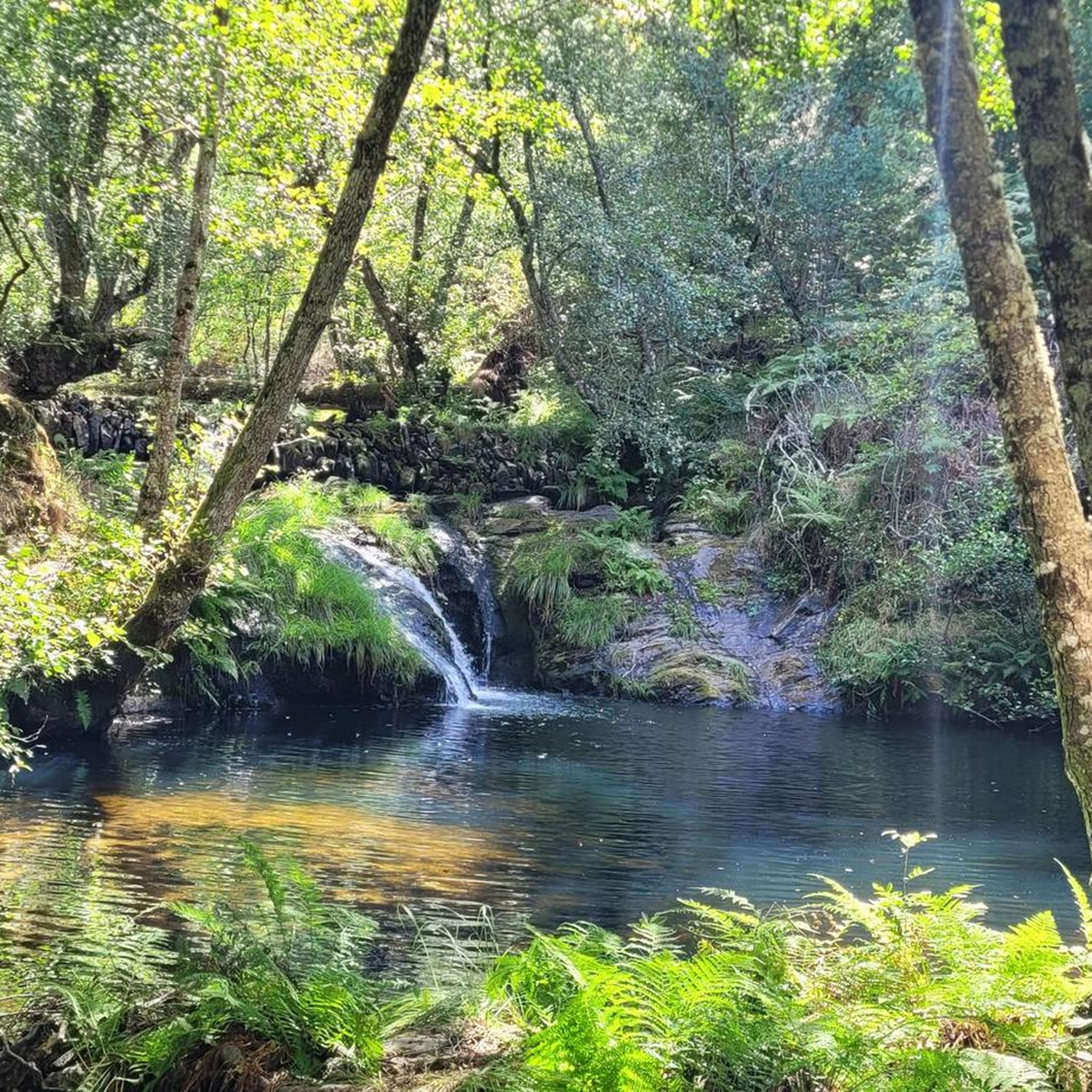
Small village in the Montesinho National Park. From here you can follow the old levadas to the river and there is also an excellent river beach...
3
0
Rio de Onor is one of the most emblematic villages in Bragança and the Montesinho Natural Park, and was elected the 7th Wonder of Portugal in 2017 – a village in a protected area. Crossing the border with Spain, on one side is Rio de Onor, and on the other, Rihonor de Castilla, which is why it is said to be “one village, two countries”!
5
0
Frequently Asked Questions
What kind of terrain can I expect when road cycling near Carragosa?
Road cycling around Carragosa, located in the municipality of Bragança, Portugal, offers a diverse landscape. You can expect varied terrain with a mix of challenging ascents and descents, often traversing rural areas and natural parks like the Parque Natural de Montesinho. The region's characteristics cater to different levels of road cycling experience.
How many road cycling routes are available around Carragosa?
There are over 60 road cycling routes available around Carragosa, offering a wide range of options for cyclists. These routes are rated by the komoot community with an average score of 4.1 stars.
What are some popular circular road cycling routes near Carragosa?
Many road cyclists enjoy circular routes that explore the natural beauty of the region. Popular options include Rio Baceiro and Parque Natural de Montesinho — circular de Bragança, which is a challenging 63.1 km route, and From Bragança to Parque Natural de Montesinho — circular, a longer 90.0 km path through varied terrain.
Are there road cycling routes suitable for beginners or those looking for an easier ride?
While many routes in the Carragosa area feature significant elevation changes, there are options for various skill levels. Out of the over 60 routes, at least one is classified as easy, and 25 are considered moderate, providing choices for less experienced cyclists or those preferring a more relaxed pace.
What is the best time of year for road cycling in Carragosa?
Portugal generally boasts a warm to mild climate year-round, making it an ideal location for outdoor activities like road cycling. Spring and autumn often provide the most comfortable temperatures for longer rides, avoiding the peak heat of summer while still enjoying pleasant weather.
What can I see along the road cycling routes around Carragosa?
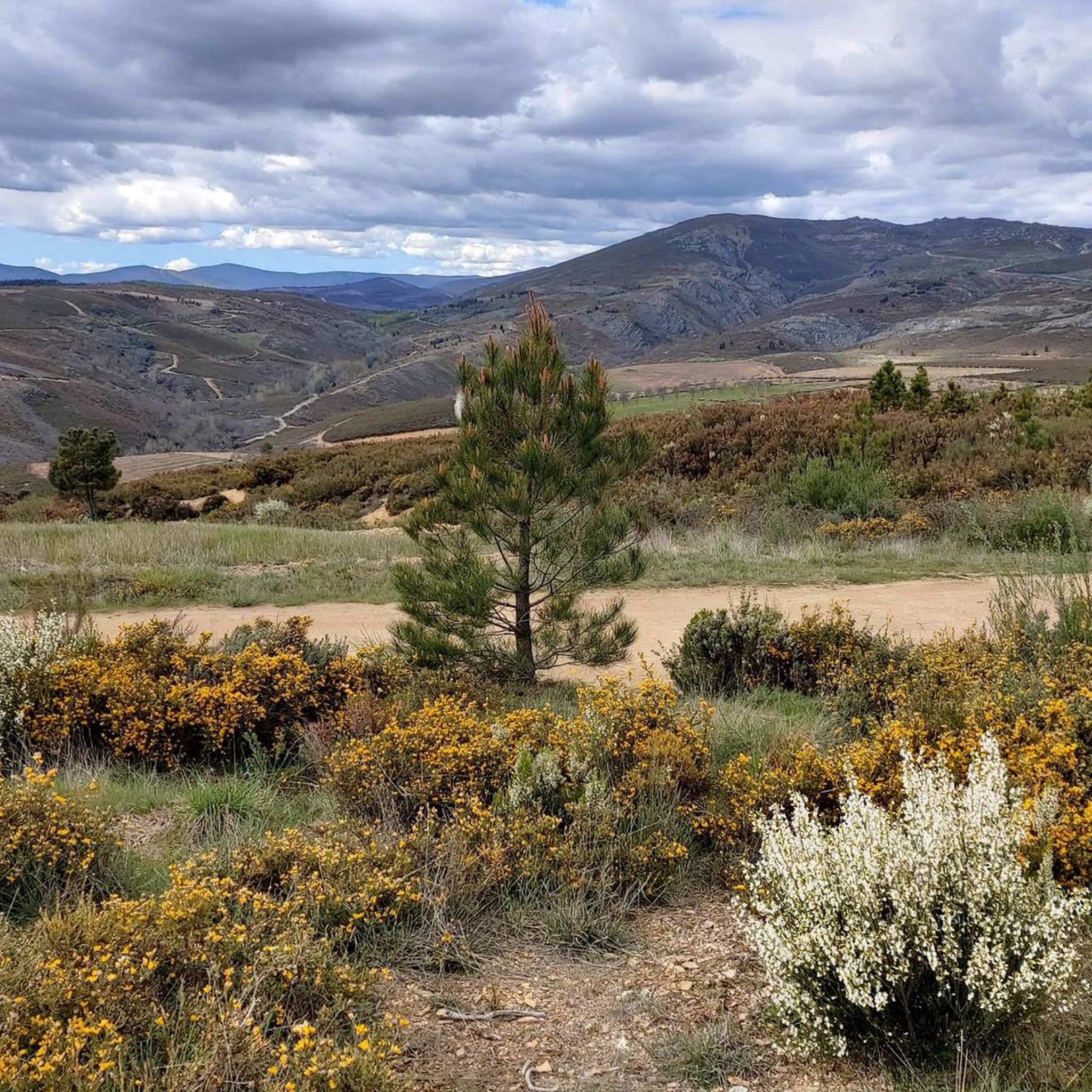
Road cycling routes around Carragosa offer opportunities to explore both natural and historical attractions. You might encounter natural monuments such as the European chestnut (Castanea sativa) and scenic views like the View of the Montesinho Hills. Historical sites like Bragança Castle and Domus Municipalis de Bragança are also within reach.
Are there any family-friendly road cycling options near Carragosa?
While many routes in the region are geared towards more experienced cyclists due to elevation changes, the presence of easy and moderate routes suggests that some paths could be suitable for families. It's recommended to check the specific difficulty and distance of routes like the moderate From Braagança to Albufeira de Gostei — circular, which is 43.4 km, to determine suitability for your family's cycling ability.
Where can I find parking for road cycling trails near Carragosa?
As Carragosa is a civil parish within the municipality of Bragança, parking facilities are generally available in and around the main towns and villages. For specific trailheads, it's advisable to check local maps or route descriptions for designated parking areas, especially when starting routes that venture into the Parque Natural de Montesinho.
What do other road cyclists enjoy the most about road cycling in Carragosa?
The road cycling experience in Carragosa is highly rated by the komoot community, with an average score of 4.1 stars from over 20 reviews. Cyclists often praise the varied terrain, the natural park landscapes, and the rural roads that offer a challenging yet rewarding ride through the region.
Are there any long-distance or challenging road cycling routes for experienced riders?
Yes, experienced road cyclists will find plenty of challenging options. Over 35 routes in the area are classified as difficult. For instance, the Rio de Onor Village – Puebla de Sanabria loop from Bragança covers nearly 100 km with significant elevation gain, and the Vinhais Castle – Historic Center of Vinhais loop from Bragança is an 83.6 km route also rated as difficult.
Can I access road cycling routes near Carragosa using public transport?
While Carragosa itself is a smaller parish, its proximity to Bragança, a larger municipality, suggests that public transport options might be available to reach the general area. However, direct public transport access to specific trailheads within the natural parks or rural areas might be limited. Planning your route start and end points in relation to public transport hubs in Bragança would be beneficial.
Most popular routes around Carragosa
Most popular attractions around Carragosa

Get inspired with the komoot mobile app


Explore more
Browse the best Road cycling routes in other regions.
