Attractions and Places To See around Goães - Top 12
Best attractions and places to see around Goães offer a mix of traditional Portuguese village charm and natural beauty. This village, located in the municipality of Amares within Portugal's Braga District, is characterized by its narrow streets and stone houses. The surrounding countryside features lush green hills and scenic landscapes, with the Cávado River nearby. Goães provides access to historical sites, natural features, and community landmarks within the Minho region.
Best attractions and places to see around Goães
- The most…
Last updated: July 1, 2026
Pilgrim Altar
Highlight • Structure
Translated by Google •
Tip by

Azulejo Shrine of Saint James the Greater
Highlight • Religious Site
Translated by Google •
Tip by
Sign up now to discover places like this
Get recommendations on the best single tracks, peaks, & plenty of other exciting outdoor places.
Sign up for free
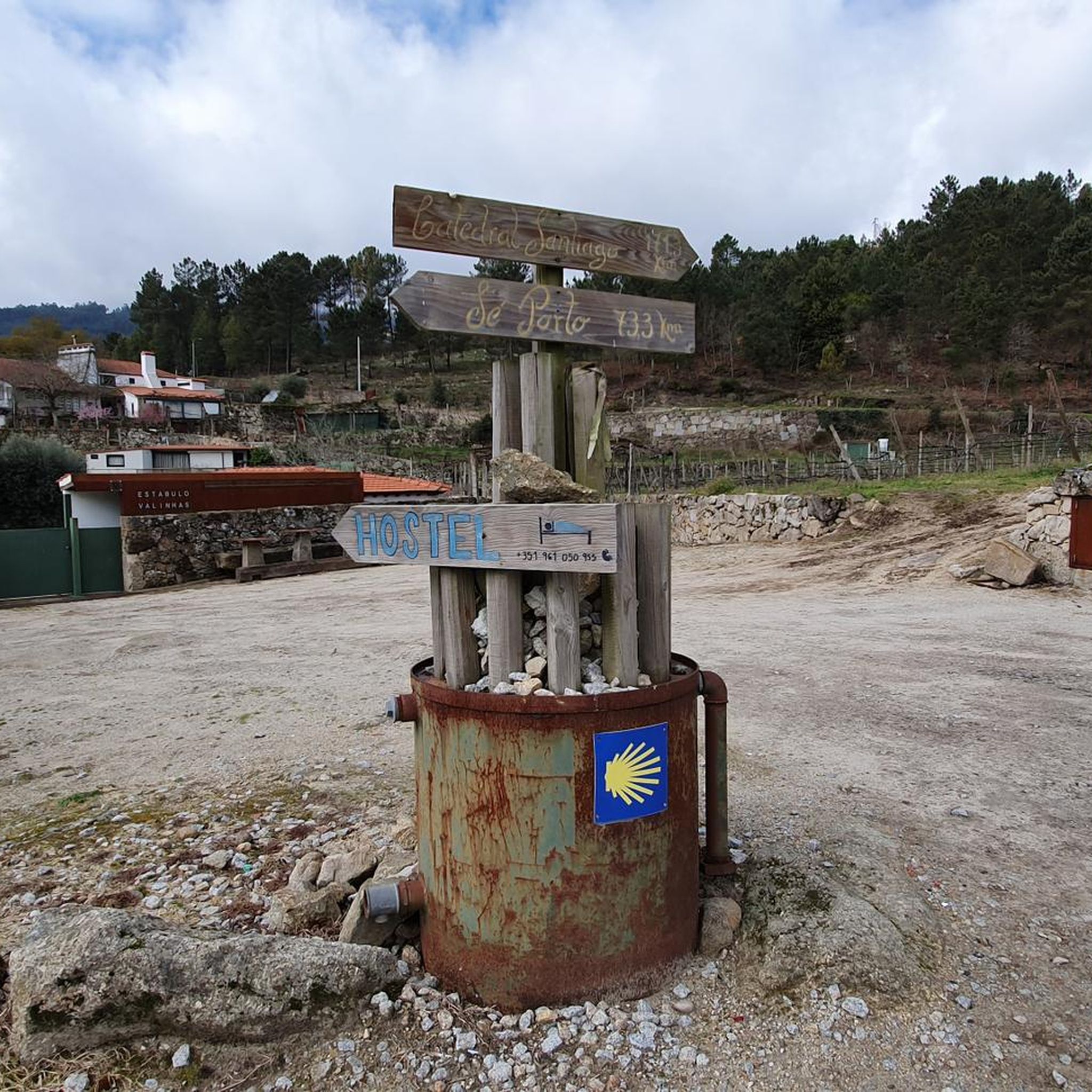
Camino de Santiago Signpost and Rest Area
Highlight • Monument
Translated by Google •
Tip by

Fernanda, Jacinto and Mariana's House
Highlight • Mountain Hut
Translated by Google •
Tip by

Eucalyptus of Moure
Highlight • Natural Monument
Translated by Google •
Tip by

Sign up for free to discover even more attractions around Goães.
Sign up for free
Already have an account?
Start today with a free account
Your next adventure awaits.
Login or Signup
Tips from the Community

Just before reaching Ponte de Lima on the Portuguese Way, a small altar leaning against a tree invites you to pause. Surrounding it are messages of all kinds—some funny, some moving, all with the soul of a pilgrim. The generous tree offers shade and shelter. It's the perfect place to take a deep breath, recharge your batteries, and refill your bottle before continuing on your journey.
1
0
This simple wayside niche is one of the most photographed treasures by pilgrims on their way to Santiago. It depicts Saint James the Greater in tiles, an art form as Portuguese as the Way itself. The combination of the apostle's image and the delicacy of the tiles transforms this spot into a powerful symbol of the faith, culture, and identity that accompany those who travel every kilometer toward Santiago.
1
0

🌞 After being properly cared for and restored, the 'old' eucalyptus tree of Moure, Vila Verde, returns to its original location, where it will form a niche that aims to perpetuate the parish's most iconic landmark. It's all that remains of the tree that became a landmark of Moure, known throughout the country and the world for its imposing stature.
1
0

Here the pilgrim will find a beautiful depiction of the apostle James the Greater. It is made using a craft that is typical for Portugal: painted tiles, called azulejos. This craft is explained in Wikipedia as follows: "These weatherproof tiles are an integral part of the cityscape in these countries and are often put together to create artistic murals on public monuments and buildings, house facades and churches, but also on interior walls."
0
1

The cult hostel par excellence on the Caminho Portugues Central. It is advisable to reserve here early.
5
0

This wayside shrine is a popular photo motif for pilgrims on the Way of St. James.
1
1

Shortly after the pilgrim tree comes the pilgrim rest area. You can rest a bit, refresh yourself and fill the water bottle.
3
1

Here you can see again how far it is in various directions. You had to look for the comma first
4
0
Frequently Asked Questions
What kind of natural features can I explore around Goães?
Goães is nestled in a region of natural beauty. You can enjoy the stunning views of the surrounding countryside, characterized by lush green hills and scenic landscapes. The village is situated between the Homem and Cávado rivers, offering natural water features. For hiking, Serra do Carvalho is a popular destination near Goães, known for its breathtaking landscapes and opportunities for birdwatching. You can also find the unique Eucalyptus of Moure, a natural monument that has been restored and is a landmark of the area.
Are there any historical or cultural sites to visit in Goães?
Goães offers a glimpse into traditional Portuguese village life with its charming narrow streets and traditional stone houses. The village is home to several ancient churches, reflecting its rich history. The bronze bell of Santo António church is particularly notable. Additionally, the Pilgrim Altar and the Azulejo Shrine of Saint James the Greater are significant cultural and historical points for pilgrims on the Portuguese Way.
What outdoor activities are available near Goães?
The area around Goães is excellent for outdoor activities. You can find various running and cycling routes. For runners, options include the 'Ponte de Lima – Ecovia do Lima loop' or the more challenging 'Sera do Oural loop'. Cyclists can explore routes like the 'Bico Bridge – Parque Perez loop' or the 'Roman Bridge of Ponte de Lima' for road cycling. You can find more details on these activities in the dedicated guides for Running Trails around Goães, Cycling around Goães, and Road Cycling Routes around Goães.
Are there any family-friendly attractions in the Goães area?
Yes, several attractions around Goães are considered family-friendly. The Pilgrim Altar and the Azulejo Shrine of Saint James the Greater offer interesting cultural stops for all ages. The Camino de Santiago Signpost and Rest Area can also be an engaging point for families, especially if following parts of the Camino. Gentle slopes around Goães are suitable for casual family walks, and the surrounding countryside provides ample space for outdoor enjoyment.
What is the significance of the Camino de Santiago highlights near Goães?
The area around Goães is part of the Portuguese Way of the Camino de Santiago, featuring several significant highlights for pilgrims. These include the Camino de Santiago Signpost and Rest Area, which provides practical information on distances. The Fernanda, Jacinto and Mariana's House is a well-known hostel for pilgrims. Additionally, the Pilgrim Altar offers a place for reflection, adorned with messages from those on their journey, and the Azulejo Shrine of Saint James the Greater is a beautiful artistic depiction of the apostle.
What are some popular hiking trails or walking paths near Goães?
For those looking to hike or walk, the Serra do Carvalho near Goães is a popular destination with diverse wildlife and scenic views. While specific named hiking trails directly within Goães are not detailed, the surrounding countryside offers gentle slopes suitable for casual walks. For more structured routes, consider the 'Ponte de Lima – Ecovia do Lima loop' or the 'Sera do Oural loop' which are popular running trails that can also be walked, as detailed in the Running Trails around Goães guide.
Are there any unique or hidden gems in Goães?
Goães itself is a charming village with traditional stone houses and ancient churches, offering an authentic Portuguese experience away from the more crowded tourist spots. The local institution, Casa do Povo de Vale do Cávado, represents a key aspect of the local cultural and social fabric. The Eucalyptus of Moure is a unique natural landmark that has been carefully preserved and restored, making it a distinctive sight.
What is the best time of year to visit Goães and its attractions?
The Minho region, where Goães is located, generally enjoys pleasant weather from spring to early autumn (April to October). Spring offers lush greenery and comfortable temperatures for outdoor activities, while summer is ideal for enjoying the natural water features and traditional festivals. Autumn provides mild weather and beautiful fall colors. Visiting during traditional festivals can offer a unique cultural experience.
What are some notable attractions within a short drive of Goães?
Beyond Goães, the region boasts several significant attractions. You can visit Peneda-Gerês National Park, Portugal's only national park, known for its wild landscapes and waterfalls. In Braga, explore the UNESCO World Heritage site of Bom Jesus do Monte with its monumental Baroque stairway, or the impressive Sanctuary of Our Lady of Sameiro. The city of Braga itself is rich in history and architecture. The Barragem da Caniçada (Caniçada Dam) and the Church São Bento da Porta Aberta are also within a reasonable distance.
What kind of local traditions or events can I experience in Goães?
Goães is known for its traditional festivals, which offer visitors a chance to experience local customs and traditions firsthand. These events are deeply rooted in the community's cultural heritage and provide an authentic insight into Portuguese village life. While specific festival dates vary, they are often celebrated throughout the year, particularly during religious holidays or harvest seasons.
Is public transport available to reach attractions around Goães?
While Goães is a village, public transport options to specific attractions might be limited. It is generally recommended to have a car for exploring the wider region and its various attractions, especially those further afield like Peneda-Gerês National Park or the sites in Braga. For local exploration within Goães, walking is the best way to experience its charming streets and immediate surroundings.
Are there any wheelchair-accessible attractions in the Goães area?
The Eucalyptus of Moure is noted as being wheelchair accessible. For other attractions, particularly the ancient churches and village streets, accessibility might be limited due to historical architecture and terrain. It is advisable to check specific accessibility details for each location if planning a visit with mobility considerations.
Most popular routes around Goães

Get inspired with the komoot mobile app


Explore more
Still not found the Highlight you’re looking for? See guides of the top attractions in other regions:
