Attractions and Places To See around Requião - Top 8
Best attractions and places to see around Requião include a mix of historical, cultural, and natural sites. Requião, a parish in Vila Nova de Famalicão, Portugal, offers local charm and convenient access to diverse points of interest. The area features ancient ruins, religious landmarks, and scenic routes for outdoor activities. Visitors can explore both the immediate vicinity and the broader municipality.
Best attractions and places to see around Requião
- The most popular attractions is Famalicão–Póvoa de Varzim Cycle Path,…
Last updated: July 1, 2026
Famalicão–Póvoa de Varzim Cycle Path
Highlight (Segment) • Cycleway
Translated by Google •
Tip by

Monastery of Saint Benedict, Santo Tirso
Highlight • Religious Site
Translated by Google •
Tip by

Sign up now to discover places like this
Get recommendations on the best single tracks, peaks, & plenty of other exciting outdoor places.
Sign up for free
Póvoa de Varzim–Vila Nova de Famalicão Cycle Path
Highlight (Segment) • Cycleway
Tip by

Balazar Station – Linha da Póvoa
Highlight (Segment) • Cycleway
de.m.wikipedia.org/wiki/Linha_da_P%C3%B3voa?wprov=sfla1
Translated by Google •
Tip by

Castro da Ermida
Highlight • Historical Site
Northeast-Southwest, with a central enclosure delimited by a wall and, in connection with the spur, a defensive reinforcement …
Translated by Google •
Tip by

Sign up for free to discover even more attractions around Requião.
Sign up for free
Already have an account?
Start today with a free account
Your next adventure awaits.
Login or Signup

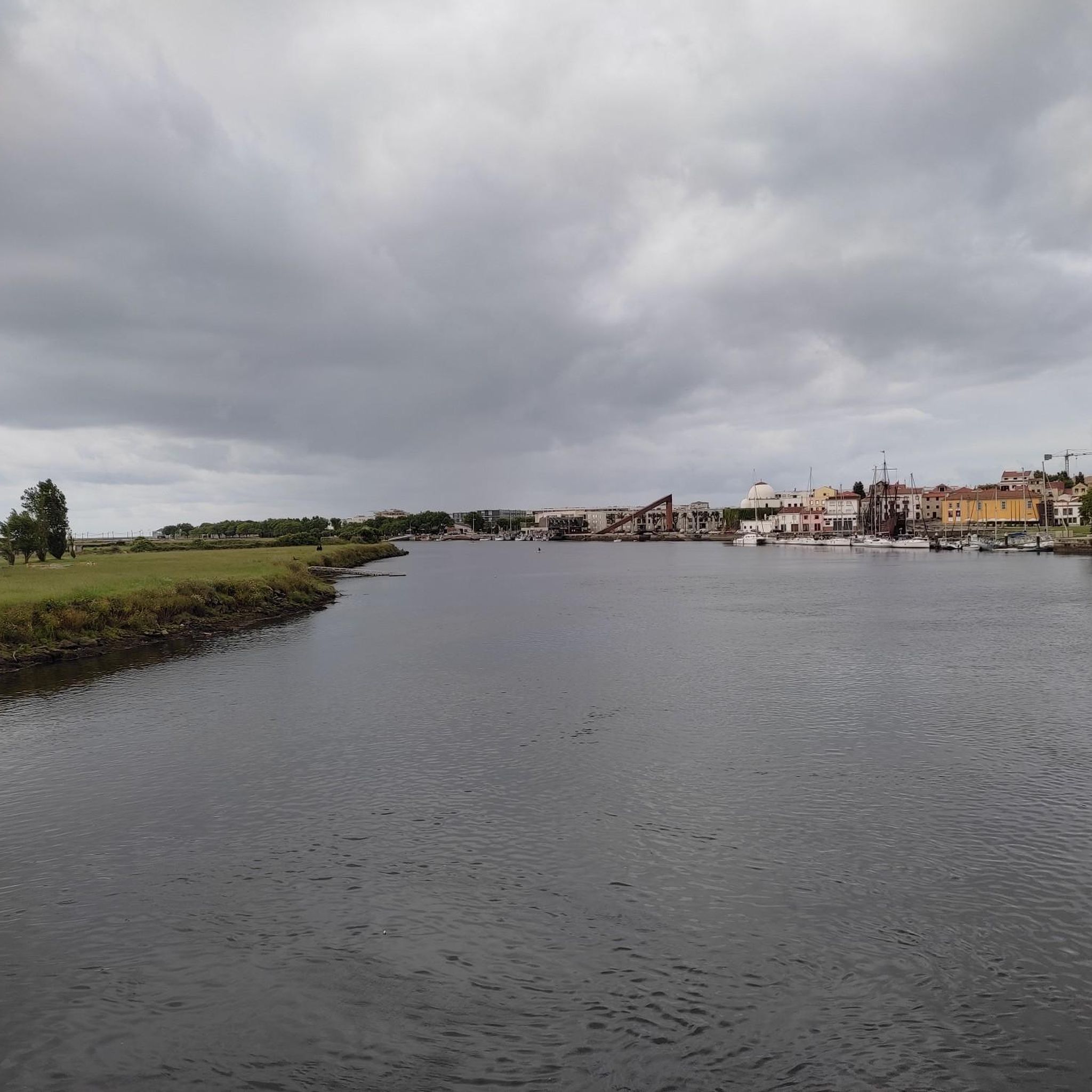
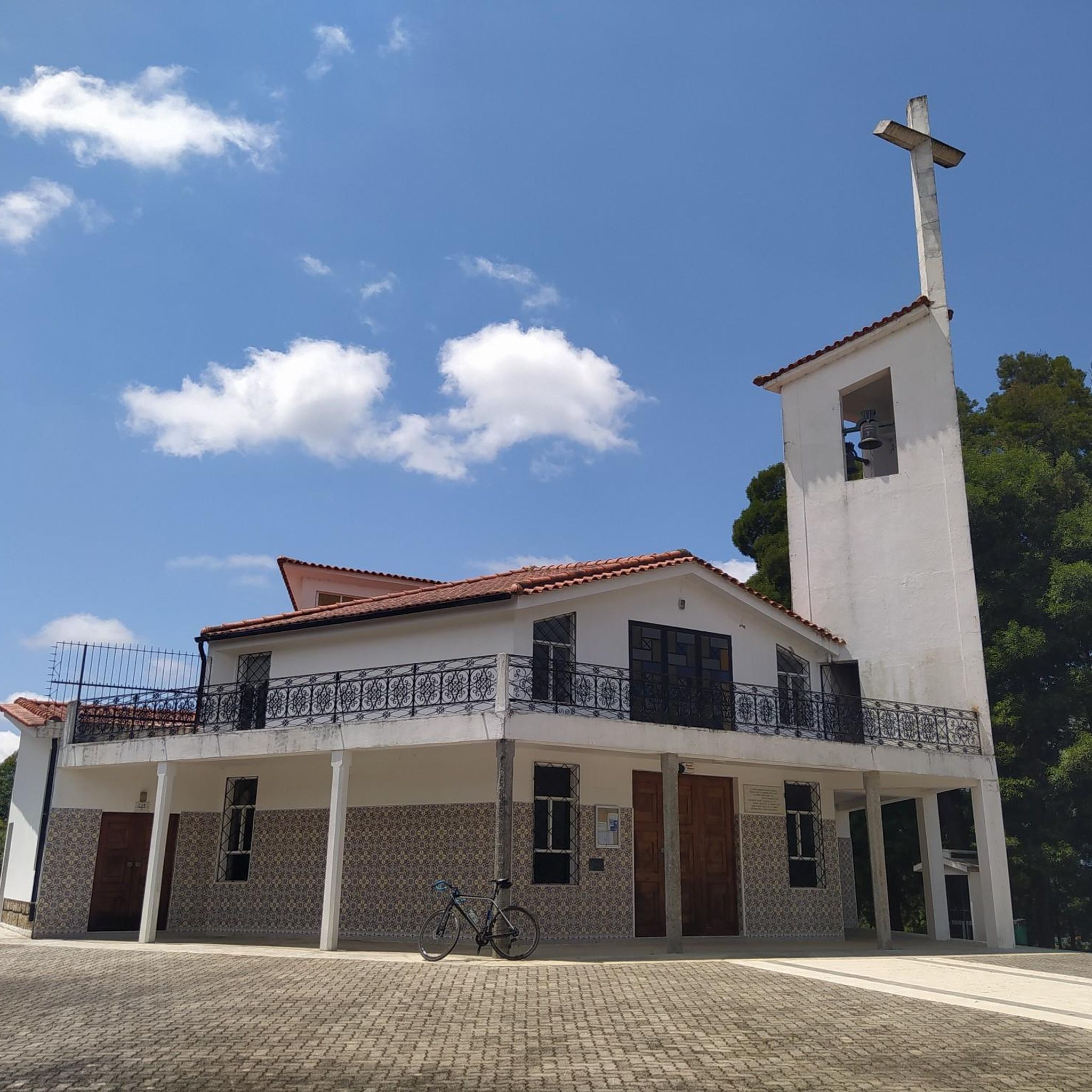
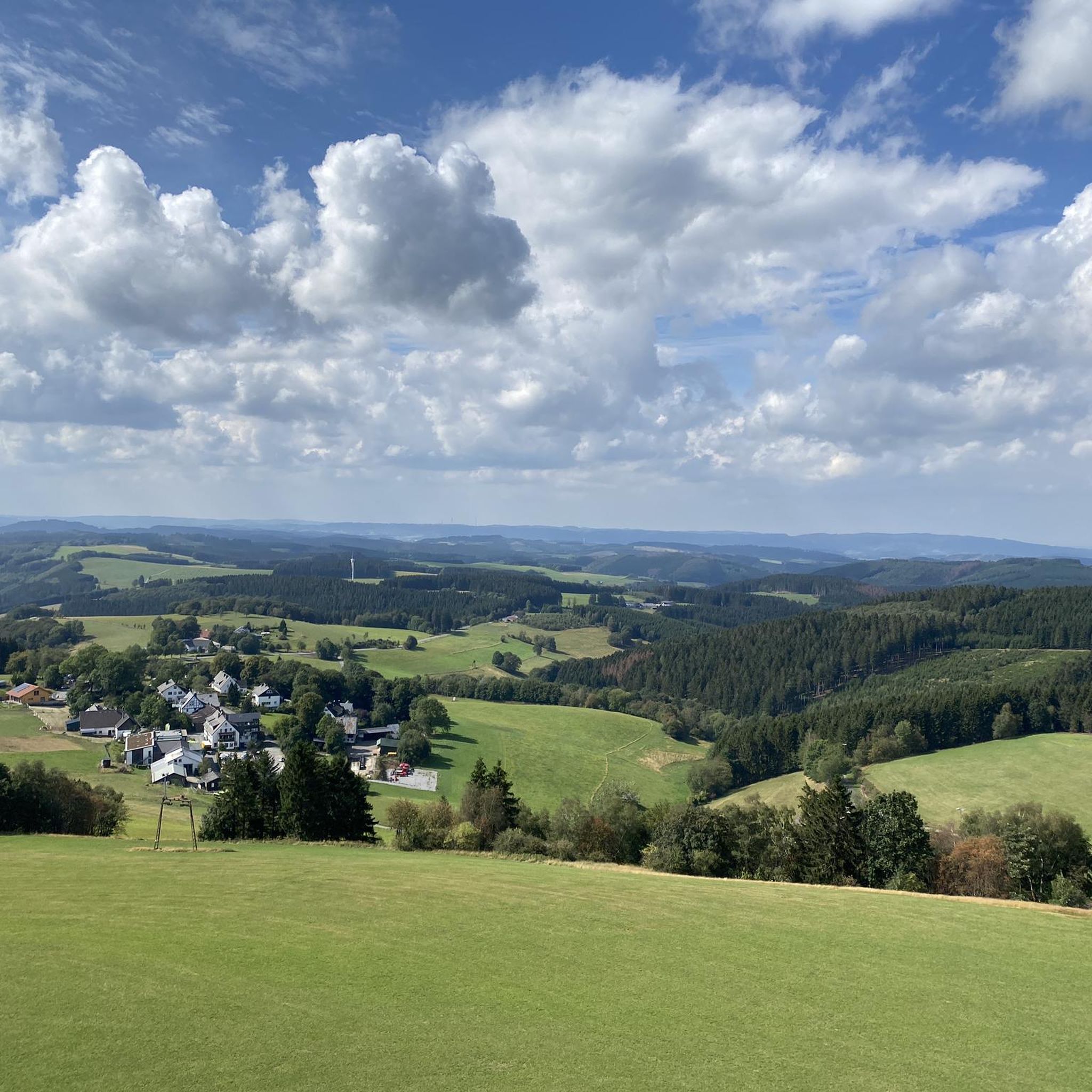

Tips from the Community

Nearby Tourist Attractions Ave Riverbank Promenade: A riverside walkway, ideal for relaxing strolls. Monte Padrão Hillfort: Ancient ruins for those interested in history and archaeology.
1
0
Highlights and Architecture Main Church: Built between 1659 and 1679, the monastery church is an imposing example of local religious architecture. Cloisters: The monastery has serene cloisters, one of which still displays a Gothic sculpture of the Virgin and Child in one of the corners. Cloister Fountain: In the center of the cloister stands a slender granite fountain with a polylobed basin, dating from 1649. Style: Over the centuries, the monastery has been rebuilt, combining Baroque and Neoclassical elements.
1
0
Opening Hours and Visits The monastery is open for visits, but guided tours of the cloisters and other areas (besides the church) generally require prior booking by telephone with the Santo Tirso City Hall office. General Hours (Church): Daily (Monday to Sunday): 08:00–12:00 and 15:00–19:00. Accessibility: The entrance and parking are wheelchair accessible.
1
0
The Monastery of São Bento, also known as the Monastery of Santo Tirso, is located on the left bank of the Ave River, in the city of Santo Tirso, Portugal. Founded in 978, it belonged to the Benedictine Order and was one of the most powerful monasteries in Portugal. Currently, it is classified as a National Monument.
1
0
Highlights and Route Landscape: The route crosses rural areas, small population centers, agricultural fields, and forest areas, offering a calm and pleasant environment. Localities: The ecotrail passes through several localities, including Amorim, Terroso, Laundos, Rates, Balazar, Gondifelos, Louro, and Brufe. Intermodality: A great advantage is the direct connection to the Vila Nova de Famalicão train station and the Porto Metro station in Póvoa de Varzim, facilitating access to the beginning and end of the route. Interconnection: The cycle path connects to the Formiga Ecotrail, allowing the ride to be extended.
1
0
Route Characteristics Length: The route is approximately 28 to 30 kilometers in total, connecting the rural interior (Famalicão) to the Atlantic coast (Póvoa de Varzim). Difficulty: It is a flat route, without major slopes or sharp curves, making it an easy and accessible route for everyone, including families with children. Surface: The surface is a mixture of macadam and, in some sections, asphalt, suitable for walking, running and cycling. Accessibility: The ecotrail is wheelchair accessible and has approximately 12 rest areas along the route.
1
0
The Famalicão–Póvoa de Varzim cycle path is, in fact, the Famalicão branch line cycle path. This route was built using the canal of the old railway branch line that connected Vila Nova de Famalicão and Póvoa de Varzim, and which ceased train service in 1995.
1
0

Santo Tirso is situated in the heart of the famous Vinho Verde wine region. Every summer, an international guitar festival takes place here.
0
0
Frequently Asked Questions
What historical sites can I explore near Requião?
The area around Requião is rich in history. You can visit the impressive Monastery of Saint Benedict, Santo Tirso, a National Monument founded in 978 with Baroque and Neoclassical architecture. Additionally, explore ancient ruins like Castro da Ermida, a protohistoric settlement with Roman and Medieval occupation, or Castro do Monte Padrão. Within Requião itself, the Church of São Silvestre and the historic Paço de Ninães offer glimpses into local heritage.
Are there good cycling routes around Requião?
Yes, cycling enthusiasts will enjoy the Famalicão–Póvoa de Varzim Cycle Path. This route follows an old railway line, offering a flat and accessible path suitable for all skill levels. It's known for its new tarmac surface and picturesque surroundings, making it ideal for a leisurely ride. You can find more cycling options in the Cycling around Requião guide.
What natural features or parks can I visit?
For nature lovers, the Passeio das Margens do Ave offers a pleasant riverside promenade for relaxing walks. In the broader Vila Nova de Famalicão municipality, Parque da Devesa provides significant green spaces for leisure and recreation. The rural areas surrounding Requião also feature various picturesque natural landscapes with hiking trails.
Are there any family-friendly attractions or activities?
Absolutely! The Famalicão–Póvoa de Varzim Cycle Path is highly recommended for families due to its flat terrain and accessibility, suitable for cycling, walking, and running with children. The path also features approximately 12 rest areas along the route. Exploring the historical Balazar Station – Linha da Póvoa section of the old railway line can also be an interesting historical stop for all ages.
What kind of outdoor activities can I do near Requião?
Beyond cycling, Requião and its surroundings offer various outdoor activities. You can find numerous hiking trails through natural landscapes, suitable for different fitness levels. For running, explore routes like the Lago dos Patinhos loop or the Parque da Devesa loop, detailed in the Running Trails around Requião guide. Road cycling routes are also available, such as the Famalicão Cycle Path loop, which you can find in the Road Cycling Routes around Requião guide.
What is the best time of year to visit Requião?
The region generally enjoys a mild climate. Spring and early autumn are often ideal for outdoor activities like cycling and hiking, with pleasant temperatures and lush scenery. Summer can be warm, perfect for enjoying riverside walks, while winter offers a quieter experience, though some local festivities, like those around Santa Luzia Chapel, occur in December.
Are there any museums or cultural centers nearby?
Yes, within the broader municipality of Vila Nova de Famalicão, you can delve into Portuguese culture and history. Visit the Casa-Museu de Camilo Castelo Branco, dedicated to the renowned writer, or the Museu Bernardino Machado, honoring a prominent historical figure. These offer insights into the region's intellectual and political heritage.
What do visitors enjoy most about the attractions around Requião?
Visitors particularly appreciate the blend of historical depth and accessible outdoor recreation. The Famalicão–Póvoa de Varzim Cycle Path is frequently praised for its beauty, smooth surface, and minimal incline, making it a relaxing and enjoyable experience. The historical sites, like the Monastery of Saint Benedict, are valued for their architectural grandeur and rich past.
Is the Monastery of Saint Benedict, Santo Tirso, accessible for visitors with mobility challenges?
Yes, the Monastery of Saint Benedict, Santo Tirso, offers wheelchair accessibility for its entrance and parking areas. While the church is generally open daily, guided tours of the cloisters and other areas often require prior booking with the Santo Tirso City Hall office.
Can I find any unique historical insights related to the old railway line?
Yes, the Balazar Station – Linha da Póvoa, part of the old railway line now converted into a cycle path, offers a unique historical insight. Here, you can see remnants like broken shelters and station signs, allowing you to imagine the past of this transportation route that connected Vila Nova de Famalicão and Póvoa de Varzim until 1995.
Are there any religious landmarks in Requião itself?
Within Requião, the Church of São Silvestre stands as a significant local landmark, representing the parish's religious heritage. Additionally, the Santa Luzia Chapel, which has recently undergone renovation, is a focal point for local festivities, particularly in December.
What is the significance of Paço de Ninães?
Paço de Ninães, located in Ninães within Requião, is a historic manor house that gained literary recognition. It is notably featured in the novel "O Senhor do Paço de Ninães" by the renowned Portuguese writer Camilo Castelo Branco, making it a point of interest for those interested in literary history and local heritage.

Get inspired with the komoot mobile app


Explore more
Still not found the Highlight you’re looking for? See guides of the top attractions in other regions:
