Attractions and Places To See around Lanhoso - Top 20
Best attractions and places to see around Lanhoso include a rich blend of historical landmarks, natural beauty, and cultural sites. This municipality in the Braga District of Portugal is characterized by its medieval fortresses, ancient settlements, and significant religious sites. Visitors can explore diverse landscapes, from granite hills to river valleys, offering a variety of experiences. The region also features cultural hubs dedicated to local artistry and history.
Best attractions and places to see around Lanhoso
- The most popular attractions…
Last updated: July 1, 2026
Sanctuary of Bom Jesus do Monte
Highlight • Religious Site
Translated by Google •
Tip by

Raio Palace
Highlight • Historical Site
Translated by Google •
Tip by

Sign up now to discover places like this
Get recommendations on the best single tracks, peaks, & plenty of other exciting outdoor places.
Sign up for free
Braga Cathedral (Sé de Braga)
Highlight • Religious Site
Translated by Google •
Tip by

Braga Portugal
Highlight • Religious Site
Translated by Google •
Tip by

Church of Saint Mark (Braga)
Highlight • Religious Site
Translated by Google •
Tip by

Sign up for free to discover even more attractions around Lanhoso.
Sign up for free
Already have an account?
Start today with a free account
Your next adventure awaits.
Login or Signup

Tips from the Community

The palace was built in the 17th century for D. Rodrigo de Moura Teles, the then Archbishop of Braga. The baroque architecture of the building is characterized by intricate details, dramatic curves, and ornate decorations. The facade with its grand entrance and decorative elements is a striking example of the architectural style of that period. The interior of the palace is equally impressive, with spacious rooms, high ceilings, and ornate plasterwork. The rooms are adorned with intricate frescoes, gilded moldings, and marble fireplaces. The palace also houses a beautiful chapel, which is a masterpiece of Baroque sacred art. https://worldcitytrail.com/pl/2024/11/10/palacio-do-raio-w-bradze/
1
0
A magnificent baroque palace located in the historic city of Braga, Portugal. This stunning building, with its ornate facade and elegant interior, offers a fascinating glimpse into the opulent lifestyle of the Portuguese nobility.
1
0

There is a gigantic organ in the cathedral.
5
2
The Cathedral of Braga, the oldest archdiocese in Portugal
3
0

The Cathedral of Braga (Portuguese: Sé de Braga) is one of the most important monuments in the city of Braga in the north of Portugal. As the seat of the Archbishop of Braga, it is the oldest cathedral in Portugal and is one of the most important buildings in the country due to its history and artistic significance[1]. It offers a rich mix of architectural and artistic styles.
1
0
Frequently Asked Questions
What historical landmarks can I explore in Póvoa de Lanhoso?
Póvoa de Lanhoso is rich in history. You can visit the medieval Castle of Lanhoso, perched atop a granite hill, offering panoramic views. Nearby, explore the ancient Castro de Lanhoso, a fortified settlement dating back to the 1st millennium BC. Other notable historical sites include the 13th-century Romanesque Church of Fonte Arcada with its extraordinary rose window, the Parish Church of Lanhoso, and the historic Ponte Mem Gutierres.
Are there any significant natural attractions or viewpoints in the Lanhoso area?
Yes, the region boasts several natural highlights. The São Mamede Viewpoint, the highest point in the municipality, offers breathtaking panoramic views from its watchtower. You can also visit the scenic Lanhoso Dam (Albufeira da Barragem de Travassos) on the Ave River. For a unique natural monument, see the centuries-old Carvalho dos Calvos (Calvos Oak), classified as a public interest tree.
What cultural experiences can I find in Póvoa de Lanhoso?
Póvoa de Lanhoso is known for its rich cultural heritage. The Casa da Botica & Filigree Interpretation Center is a key cultural hub, highlighting the local tradition of filigree artistry. You can also visit the Maria da Fonte Interpretation Center, dedicated to an iconic figure of popular resistance, and the Museu do Ouro de Travassos, which preserves old workshops and showcases the importance of gold and filigree.
What are some family-friendly activities available around Lanhoso?
Families can enjoy a visit to the DiverLanhoso Adventure Park, which offers a wide range of activities including suspension bridges for an immersive nature experience. The various river beaches like Oliveira River Beach, Esperança River Beach, and Rola River Beach provide refreshing spots for family outings, especially during warmer months.
What do visitors particularly enjoy about the attractions near Lanhoso?
Visitors frequently praise the historical and architectural beauty of the region. For instance, the Sanctuary of Bom Jesus do Monte is celebrated for its stunning views of Braga and its impressive stairway. The Raio Palace is admired for its 18th-century Baroque architecture and intricate facade. The overall blend of history, nature, and cultural sites makes the area highly appealing.
Are there opportunities for hiking or other outdoor activities near Lanhoso's attractions?
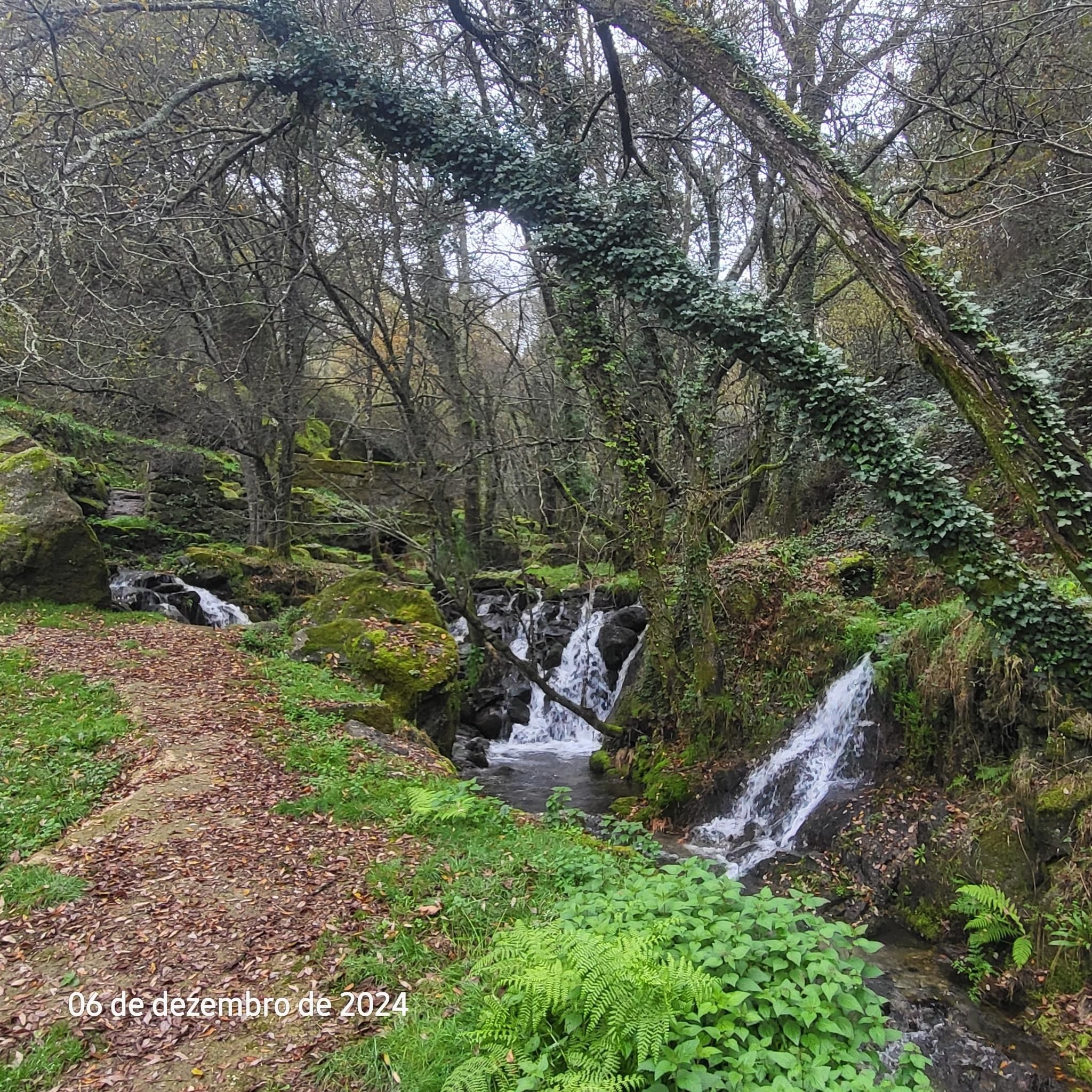
Absolutely! The region offers diverse outdoor activities. You can explore the Pontido Park & Pontido Mills Trail, known for its waterfalls near old mills. For more extensive options, consider the nearby hiking routes around Lanhoso, which include easy loops like the 'Lanhoso loop from Póvoa de Lanhoso' or moderate trails like the 'Citânia de Briteiros loop'. There are also running trails and road cycling routes available.
Where can I find river beaches for relaxation in Póvoa de Lanhoso?
Póvoa de Lanhoso offers several pleasant river beaches perfect for relaxation. You can visit the Oliveira River Beach, Esperança River Beach, and Rola River Beach. These spots provide refreshing environments, especially during the warmer months, and are great for enjoying the natural beauty of the area.
Can you tell me more about the Castle of Lanhoso?
The Castle of Lanhoso is a prominent medieval fortress situated on a granite hill, offering commanding views. Its origins date back to the 10th or early 11th century, and it played a significant role in the Reconquista. Though partially ruined, it features a 10-meter high keep tower and houses a small exhibition. For more historical context, you can visit its Wikipedia page.
What is the Sanctuary of Bom Jesus do Monte known for?
The Sanctuary of Bom Jesus do Monte is a highly popular religious building renowned for its stunning Baroque stairway and its panoramic views of Braga. It is considered one of the most beautiful churches in Portugal. Visitors often enjoy the unique experience of ascending the monumental staircase or taking the historic funicular.
What is the best time of year to visit Póvoa de Lanhoso for sightseeing?
The best time to visit Póvoa de Lanhoso for sightseeing and outdoor activities is generally during the spring (April to June) and early autumn (September to October). During these periods, the weather is typically mild and pleasant, ideal for exploring historical sites, enjoying viewpoints, and engaging in hiking or other outdoor pursuits without the intense heat of summer.
Are there any ancient settlements to visit in the region?
Yes, you can explore the ancient Castro de Lanhoso, located on a rocky spur near the Castle of Lanhoso. This fortified settlement dates back to the 1st millennium BC. Archaeological findings, including circular and rectangular housing structures, offer an interpretive tour into Castro culture and the lives of its early inhabitants.
What is the significance of filigree in Póvoa de Lanhoso?
Filigree is a deeply ingrained part of Póvoa de Lanhoso's cultural identity. The municipality is famous for its traditional Minho jewelry pieces, meticulously crafted using filigree techniques. The Casa da Botica & Filigree Interpretation Center and the Museu do Ouro de Travassos both highlight and preserve this important local artistry, showcasing its history and craftsmanship.
What is the Braga Cathedral (Sé de Braga) and why is it important?
The Braga Cathedral (Sé de Braga) is the oldest archdiocese in Portugal and one of the most significant monuments in the city of Braga. It is highly valued for its rich history and artistic importance, featuring a blend of Romanesque, Gothic, Baroque, and Manueline architectural styles due to centuries of alterations. It played a crucial role in the Christianization of the region.

Get inspired with the komoot mobile app


Explore more
Still not found the Highlight you’re looking for? See guides of the top attractions in other regions:
