Attractions and Places To See around São Torcato - Top 20
Best attractions and places to see around São Torcato, a village near Guimarães in northern Portugal, offer a blend of historical, cultural, and natural sites. The area is characterized by its deep-rooted traditions and religious significance, set within a predominantly rural valley. Visitors can explore landmarks that reflect its heritage and enjoy the scenic Minho region landscape.
Best attractions and places to see around São Torcato
- The most popular attractions is Palace of the Dukes of Braganza, a castle…
Last updated: July 16, 2026
Palace of the Dukes of Braganza
Highlight • Castle
Tip by

Guimarães Castle Park
Highlight • Castle
Translated by Google •
Tip by

Sign up now to discover places like this
Get recommendations on the best single tracks, peaks, & plenty of other exciting outdoor places.
Sign up for free
Oliveira Square, Guimarães
Highlight • Historical Site
Tip by
Church of the Consolation and the Holy Steps
Highlight • Religious Site
Translated by Google •
Tip by

Church of Our Lady of Mount Carmel - Lar de Santa Estefânia
Highlight • Religious Site
Tip by
Sign up for free to discover even more attractions around São Torcato.
Sign up for free
Already have an account?
Start today with a free account
Your next adventure awaits.
Login or Signup


Tips from the Community

A site well worth seeing. It looks more impressive from a distance than up close.
1
0
Beautiful view of the church.
1
1

A detailed plan of the complex with explanations can be found here: https://campanha.cmjornal.pt/portugal-monumental/
1
0
The Nonnenkloster Lar de Santa Estefânia is located in the complex of the Church of Nossa Senhora do Carmo. Find the location here: https://explorial.com/de/sights/guimaraes-igreja-nossa-senhora-do-carmo-de/
2
0
Largo da Oliveira Square owes its name to an ancient olive tree that once stood on this site. The still existing fence, with a small replacement tree, bears the year 1342. Surrounded by pretty, typically northern Portuguese houses, the square is the ideal starting point for exploring the city's streets on foot. The square also boasts several interesting landmarks: to the west, a curious little Gothic chapel, Padrão do Salado, dating from the time of King D. Afonso IV, which commemorates the Battle of Salado. There, in 1340, Portuguese and Castilian forces jointly defeated the forces of the Moorish king of Granada. Directly behind it lies the Church of Nossa Senhora de Oliveira (also known as the Colegiada). It is the first Gothic monument built in the Minho region. On the right side of the square, you can still see the former medieval town hall, with a stone sculpture that, according to tradition, represents Guimarães. Below, Gothic arcades lead to Largo S. Tiago, one of the city's most characteristic squares. https://www.visitportugal.com/de/NR/exeres/9FD0C908-905C-4119-8821-A155EC3C4CEB
2
1

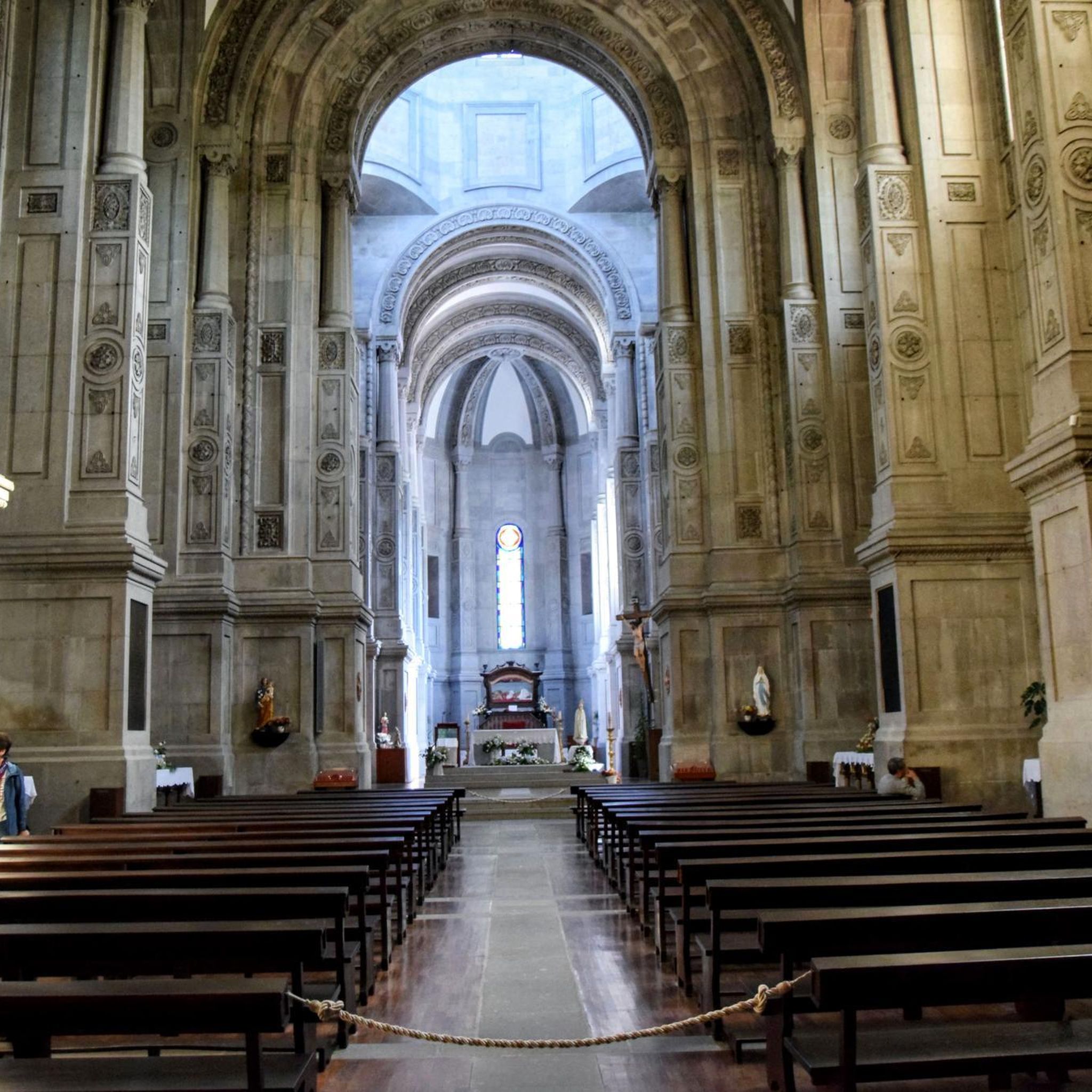
The Church and Convent of Our Lady of Mount Carmel (in Portuguese: Igreja e Convento de Nossa Senhora do Carmo), whose construction began in 1685. Originally dedicated to Saint Teresa (in Portuguese: Santa Teresa), it was designed in the Baroque style. Don't forget to take a look at the upper part, which you can reach via a staircase on the right side of the entrance.
2
1
The Palace of the Dukes of Braganza was commissioned by Dom Afonso around 1420—the year of his second marriage to Constança de Noronha. Dom Afonso was the illegitimate son of King João I and acquired the titles of 8th Count of Barcelos, 2nd Count of Neiva, and 1st Duke of Braganza! It is considered a unique architectural example on the Iberian Peninsula!
2
0
Guimarães Castle is the most visited medieval castle in Portugal and one of the most beautiful and important castles in the country. It has been recognized as a National Monument since 1881, a UNESCO World Heritage Site since 2001, and one of the 7 Wonders of Portugal since 2007!
1
0
Frequently Asked Questions
What historical and cultural sites can I explore in São Torcato?
São Torcato offers a rich array of historical and cultural sites. You can visit the imposing São Torcato Basilica, known for its unique architecture and the venerated body of São Torcato. The Chapel of the Saint's Fountain is another significant spiritual site, believed to have miraculous waters. Don't miss the Old Church / Monastery Church, which housed the Saint's body for centuries, and the Museum of the Brotherhood, preserving local history and sacred art. Additionally, the Terreiro is a vast historical space used for events and pilgrimages.
Are there any natural attractions or parks in São Torcato?
Yes, São Torcato features several natural attractions. The Lake Park (Parque do Lago da Irmandade), located behind the Sanctuary, offers a peaceful space with an artificial lake, gardens, and picnic areas. The village is also set within a beautiful rural landscape, characterized by cultivated fields, vineyards, and old mills along the rivers, perfect for enjoying the Minho region's scenery.
What outdoor activities can I do near São Torcato?
The area around São Torcato is excellent for outdoor activities. You can find various routes for mountain biking, running, and road cycling. For example, there are several MTB Trails around São Torcato, Running Trails around São Torcato, and Road Cycling Routes around São Torcato, catering to different difficulty levels.
Are there hiking trails available in São Torcato?
Yes, São Torcato offers hiking opportunities. The PR1 – São Torcato Route is a notable trail that highlights the harmony between nature, humanity, and the river, connecting historical paths and showcasing the village's heritage. You can find more details on various running and walking trails in the region.
What are some family-friendly attractions near São Torcato?
Families visiting the area will enjoy several attractions. The Palace of the Dukes of Braganza and Guimarães Castle Park are both historical sites that are considered family-friendly. Additionally, exploring Oliveira Square, Guimarães, with its rustic stone buildings and landmarks, is a charming experience for all ages.
What is the Romaria Grande and when does it take place?
The Romaria Grande is one of the largest pilgrimages in the Minho region, deeply rooted in São Torcato's spiritual significance. This important annual event typically takes place in July, drawing many visitors and pilgrims to the village.
What is the best time of year to visit São Torcato?
The best time to visit São Torcato largely depends on your interests. If you wish to experience the vibrant religious and cultural traditions, visiting in July during the annual Romaria Grande would be ideal. For enjoying the outdoor activities and natural landscapes, spring and autumn offer pleasant weather for hiking, cycling, and exploring the rural scenery.
What is the significance of the São Torcato Basilica?
The São Torcato Basilica is a central landmark in the village, notable for its grandeur and spiritual importance. Its construction began in 1825 and it was elevated to a Minor Basilica by Pope Francis in 2020. It features a unique blend of architectural styles and houses the incorrupt body of São Torcato, making it a significant pilgrimage site.
Can I find historical monuments beyond the main churches in the area?
Beyond the churches, you can explore other significant historical monuments. The Palace of the Dukes of Braganza is an imposing medieval estate near Guimarães. The Guimarães Castle Park is a mighty 10th-century castle complex and a national monument. Also, the Campo da Ataca is an artistic-monumental arrangement commemorating the Battle of São Mamede.
What do visitors enjoy most about the attractions around São Torcato?
Visitors particularly appreciate the blend of historical richness and natural beauty. The well-preserved medieval sites like the Palace of the Dukes of Braganza and Guimarães Castle Park are highly rated for their historical significance and views. The charming atmosphere of Oliveira Square, Guimarães, with its rustic stone buildings, is also a favorite. The komoot community has shared over 120 photos and given more than 100 upvotes to these attractions, highlighting their appeal.
Are there any viewpoints or scenic spots in the region?
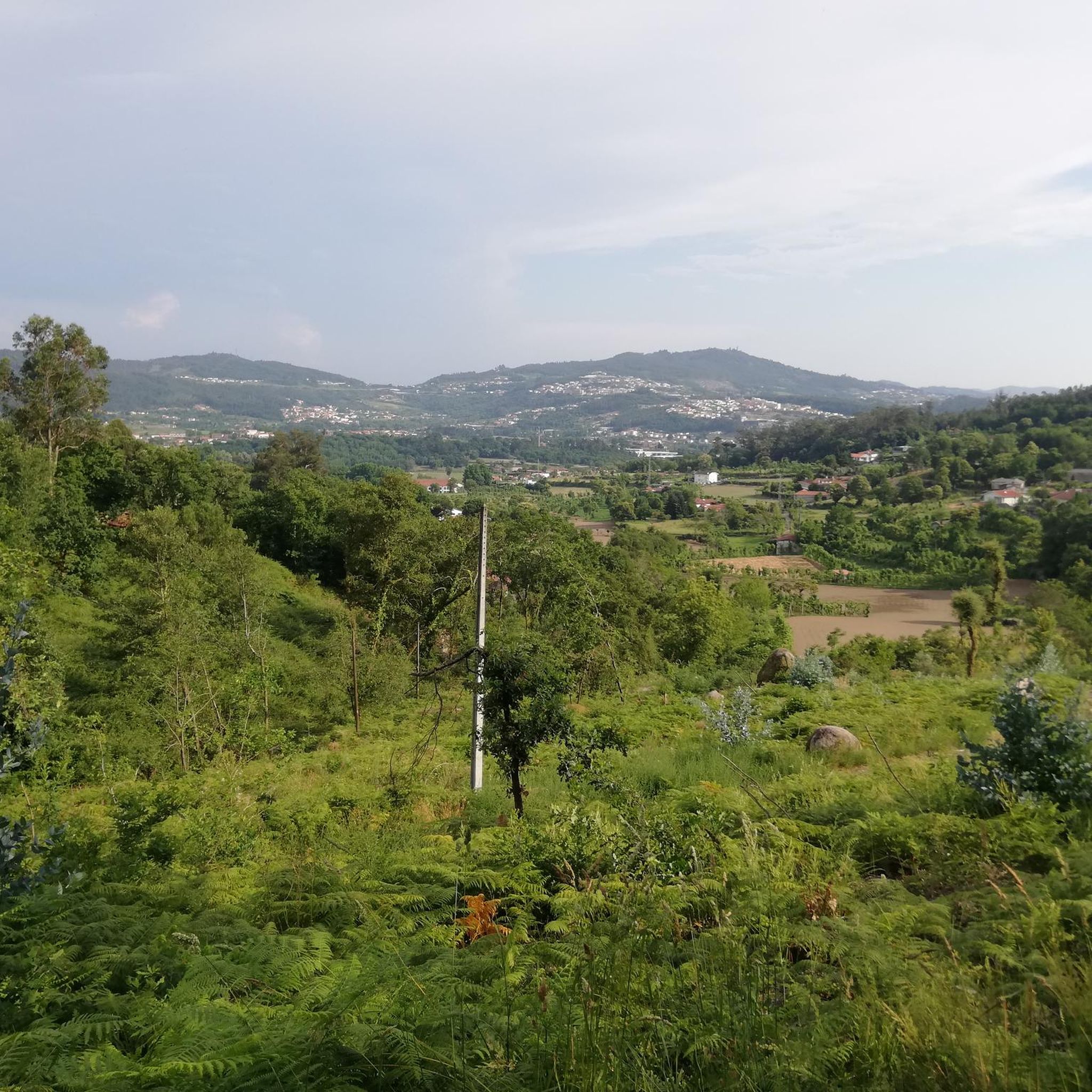
Yes, from the top of the bell tower of the São Torcato Basilica, visitors can enjoy expansive views of the São Torcato Valley and parts of Guimarães. Additionally, the Church of the Consolation and the Holy Steps offers a beautiful view, especially with its well-cared-for flower fields leading up to it.
Where can I find sacred art and ethnographic collections in São Torcato?
The Museum of the Brotherhood (Museu da Irmandade / Museu Etnográfico e de Arte Sacra) is the place to visit for sacred art and ethnographic collections. It preserves the memory of Saint Torcato, the pilgrimages, and the local community, housing historical documents, objects of popular devotion, and painted ex-votos.
Most popular attractions around São Torcato

Get inspired with the komoot mobile app


Explore more
Still not found the Highlight you’re looking for? See guides of the top attractions in other regions:
