The best cycling routes around Vale De Bouro
4.8
(93)
721
riders
18
rides
Touring cycling routes around Vale De Bouro are situated within a region characterized by diverse terrain, including undulating hills, steep-sided valleys, and winding roads. The area is largely integrated with the Peneda-Gerês National Park, offering routes through mountains, forests, and along waterways. Cyclists can expect varied landscapes, from dark forests to open areas with granite rock formations. Numerous rivers, such as the Homem River, carve through the landscape, providing scenic routes.
Best touring cycling routes around Vale De Bouro
- The…
Last updated: July 1, 2026
10
riders
48.9km
04:49
1,220m
1,220m
Hard bike ride. Very good fitness required. Mostly paved surfaces. Suitable for all skill levels.
4.7
(40)
293
riders
Hard bike ride. Very good fitness required. Mostly paved surfaces. Suitable for all skill levels.

Sign up for free
4.8
(21)
116
riders
Moderate bike ride. Good fitness required. Mostly paved surfaces. Suitable for all skill levels.
4.5
(19)
94
riders
Hard bike ride. Very good fitness required. Mostly paved surfaces. Suitable for all skill levels.
46
riders
24.5km
02:00
750m
750m
Hard bike ride. Very good fitness required. Mostly paved surfaces. Suitable for all skill levels.
Get access to more routes and recommendations from other explorers.
Sign up for free
Already have an account?
Our route recommendations are based on thousands of hikes, rides, and runs completed by other people on komoot.
Start today with a free account
Your next adventure awaits.
Login or Signup



Tips from the Community

A peaceful route with stunning views over the Tâmega River; in autumn, enjoy the falling leaves and their variety of colors. A safe place to cycle – be careful when crossing local roads, which are usually marked. At a sporting level, sufficiently challenging – 80 kilometers and 800 meters of elevation gain (round trip between Amarante and Arco de Baulhe). Restaurants and/or bars are available at the Gatão, Celorico, and Mondim de Basto train stations.
0
0


Relatively flat. Very pleasant.
1
0

Nice climb, steady and great for pushing. Nice view at the top, and there's a fountain halfway up/down.
0
0

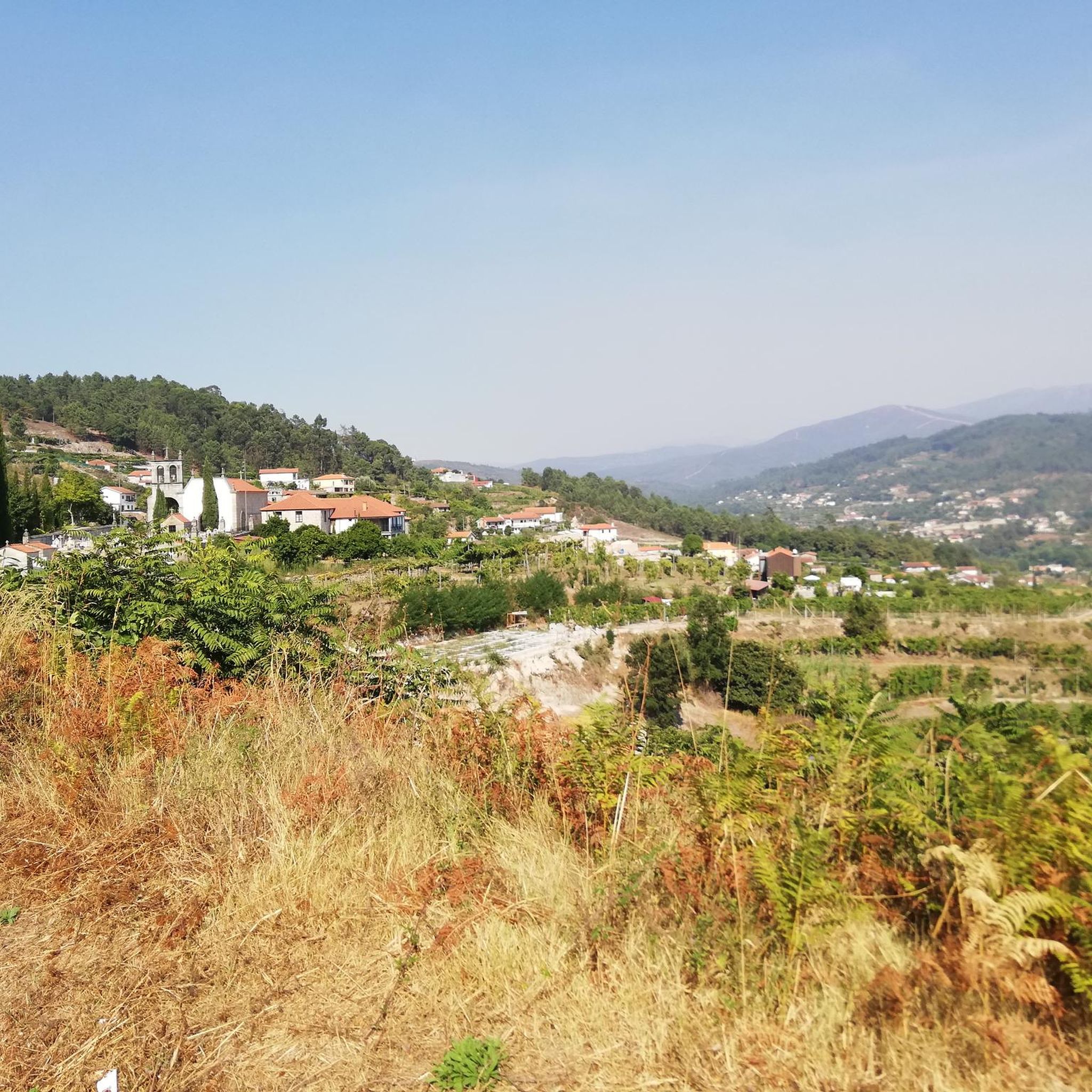
From this hairpin bend you have a spectacular view. The spontaneous vegetation extends into a carpet of dry grass and low shrubs, typical of the hilly environment. A few scattered trees, with foliage of a more intense green, dot the landscape, adding depth and contrast.
0
0

The trail follows the Cabril River and passes the famous swings of Vilar de Viando. The stone floor is more demanding on the legs, but the peaceful surroundings make it all worthwhile.
1
0
Mondim de Basto, on the banks of the Tâmega, holds memories of many peoples. Although it was only founded in the 12th century, during the reign of D. Sancho I, its roots are much older.
1
0

View across the vineyards toward the mountain
0
0
Frequently Asked Questions
What kind of touring cycling routes can I expect in Vale De Bouro?
Vale De Bouro offers a diverse range of touring cycling routes, characterized by undulating hills, steep-sided valleys, and winding roads. Many routes are integrated with the Peneda-Gerês National Park, providing stunning views through mountains, forests, and along waterways. You'll encounter varied landscapes, from dark forests to open areas with granite rock formations, and scenic paths along rivers like the Homem River.
Are there routes suitable for experienced touring cyclists seeking a challenge?
Yes, the region is particularly well-suited for experienced touring cyclists. Out of 18 available routes, 14 are classified as difficult, featuring significant elevation gains and demanding terrain. An example is the Circular Route 13 of Mondim de Basto — Alvão Natural Park, which covers nearly 49 km with challenging climbs within the Alvão Natural Park.
Are there any moderate touring cycling options in Vale De Bouro?
While many routes are challenging, there are 4 moderate touring cycling routes available. These routes offer a less strenuous experience while still allowing you to enjoy the region's beauty. A good option is the Long Climb or Descent Pathway – Arco de Baúlhe Train Station loop from Celorico de Basto, a 32.1 km trail through varied terrain.
Can I find circular touring cycling routes in the area?
Yes, many of the touring cycling routes in Vale De Bouro are designed as loops, allowing you to start and end at the same point. For instance, the Celorico de Basto Ecotrail – Tâmega Line Greenway loop from Mondim de Basto is a popular 60.3 km circular path that follows an ecotrail and greenway, often alongside riverbanks.
What kind of natural attractions can I see along the touring cycling routes?
The region is rich in natural beauty, being part of the Peneda-Gerês National Park. Cyclists can encounter dark forests, open landscapes with granite rock formations, and numerous rivers. The area is also known for spectacular waterfalls and lagoons, such as Fecha de Barjas (Tahiti), Arado, Poço Azul, and Portela do Homem. The Caniçada Reservoir also offers scenic views and river beaches.
Are there any historical or cultural points of interest accessible by bike?
Absolutely. The region boasts significant historical attractions. You can cycle along sections of the ancient Roman Geira (Via Nova), which features remnants like milestones and small stone bridges. Other points of interest include the charming Medieval Bridge of Carvalheira over the Homem River and the submerged village of Vilarinho da Furna, whose ruins become visible during drier periods. The Arco de Baúlhe Railway Station is also a notable landmark.
What do other touring cyclists say about the routes in Vale De Bouro?
The touring cycling routes in Vale De Bouro are highly regarded by the komoot community, holding an impressive average rating of 4.8 stars from over 70 reviews. Cyclists often praise the stunning natural landscapes, the challenging yet rewarding climbs, and the well-maintained ecotrails like the Celorico de Basto Ecotrail and the Tâmega Line Ecotrail.
Are there any routes that offer panoramic views?
Yes, given the mountainous landscape of the region, many routes provide excellent viewpoints. The Panoramic view from the hairpin loop from Mondim de Basto is specifically designed to showcase breathtaking vistas, covering 24.5 km with significant elevation changes to reach those scenic spots.
What is the best time of year for touring cycling in Vale De Bouro?
The region offers enjoyable cycling experiences throughout much of the year. Spring and autumn generally provide the most comfortable temperatures for touring cycling, with lush landscapes in spring and vibrant colors in autumn. Summer can be warm, especially in the valleys, but higher elevation routes offer cooler conditions. Always check local weather forecasts before heading out.
Are there facilities like cafes or places to rest along the routes?
While specific cafes are not listed for every route, the broader Terras de Bouro region, which includes Vale De Bouro, is equipped with amenities. Many routes pass through or near villages where you can find cafes, restaurants, and accommodation. The Celorico de Basto Train Station, for example, is a point of interest that often indicates nearby facilities.
Is it possible to access touring cycling routes using public transport?
Public transport options to access specific trailheads can vary. While the region has historical railway lines converted into ecotrails, direct public transport links to all starting points might require some planning. It's advisable to research local bus services or train connections to towns like Mondim de Basto or Celorico de Basto, which serve as common starting points for many routes.
Where can I park my car when starting a touring cycling route?
Parking availability will depend on the specific starting point of your chosen route. Major towns and villages like Mondim de Basto, Celorico de Basto, or Arco de Baúlhe typically offer public parking areas. When planning your tour on komoot, you can often see designated parking spots or areas near the trailhead on the map.
Most popular routes around Vale De Bouro
Most popular attractions around Vale De Bouro

Get inspired with the komoot mobile app


Explore more
Browse the best Cycling routes in other regions.
