Attractions and Places To See around Basto - Top 13
Attractions and places to see around Basto, a region in northern Portugal, offer a blend of natural beauty and historical significance. The area is characterized by lush countryside, green hills, and the winding Tâmega River. Municipalities like Cabeceiras de Basto and Celorico de Basto feature cultural sites and opportunities for outdoor activities. This region provides a variety of experiences for those exploring its landscapes and heritage.
Best attractions and places to see around Basto
- The most popular attractions is Arco…
Last updated: July 2, 2026
Arco de Baúlhe Railway Station
Highlight • Monument
Tip by

Tâmega Line Ecotrail
Highlight (Segment) • Cycleway
Tip by

Sign up now to discover places like this
Get recommendations on the best single tracks, peaks, & plenty of other exciting outdoor places.
Sign up for free
Ecopista do Tâmega: Arco de Baúlhe – Amarante
Highlight • Cycleway
There and back 76.5 km and 780 meters in altitude, as it is constantly going up and down. The valley of the Tâmega …
Translated by Google •
Tip by

Celorico de Basto Ecotrail
Highlight • Cycleway
Tip by

Celorico de Basto Train Station
Highlight • Rest Area
Translated by Google •
Tip by

Sign up for free to discover even more attractions around Basto.
Sign up for free
Already have an account?
Start today with a free account
Your next adventure awaits.
Login or Signup




Tips from the Community

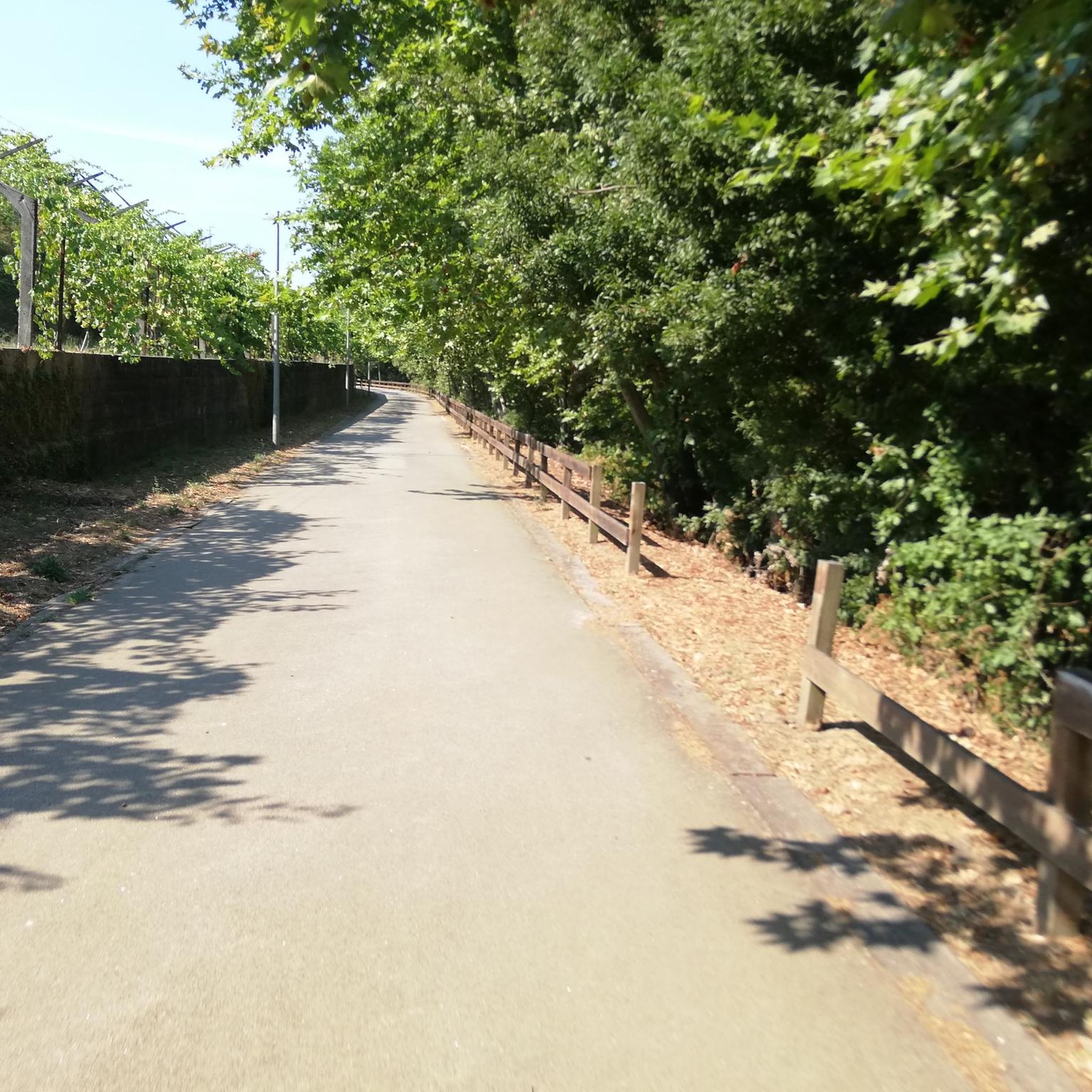
A peaceful route with stunning views over the Tâmega River; in autumn, enjoy the falling leaves and their variety of colors. A safe place to cycle – be careful when crossing local roads, which are usually marked. At a sporting level, sufficiently challenging – 80 kilometers and 800 meters of elevation gain (round trip between Amarante and Arco de Baulhe). Restaurants and/or bars are available at the Gatão, Celorico, and Mondim de Basto train stations.
0
0

Relatively flat. Very pleasant.
1
0

Nice bike path, nice asphalt. Fairly wide, but only in a few spots is the vegetation recovering. Recommended 👍
1
0

beautiful landscapes, clean air and good flooring
1
0

It's a lovely old train station which now hosts a museum, open in the morning until 12 and in the afternoon from 2 pm.
1
0

in autumn/winter, it's really beautiful to see all the leaves on the ground.
1
0

Cycle path on a former narrow-gauge route. There and back 76.5 km and 780 meters in altitude, as it is constantly going up and down. The valley of the Tâmega is very beautiful and often provides magnificent views. The path is tarred throughout, but of course has sandy spots and bumps. A 150m long tunnel and many beautiful bridges spice up the route. Many of the old train stations have now been lovingly restored, often offer toilets and some also have snack bars. By the way, Amarante is also a worthwhile place 😉
1
0

Great views, low traffic. Camping in Mondim de Basto. Train in Guimarães and Vila Meã
1
0
Frequently Asked Questions
What historical sites can I explore in the Basto region?
The Basto region is rich in history. You can visit the ancient Monastery of São Miguel de Refojos, which significantly influenced the region's development. Another notable site is Arnóia Castle in Celorico de Basto, a medieval fortress important for defense. Don't miss the Romanesque Church of Santa Maria de Veade, featuring beautiful 13th-century side doors and a majestic main altarpiece.
Are there any natural parks or scenic areas to visit in Basto?
Yes, the Basto region boasts beautiful natural features. You can explore the Parque de Moinhos do Rei (King's Windmills Park) in Abadim, featuring communal windmills from the 14th century. The winding Tâmega River also offers scenic beauty, and you can find lovely green spaces like the Ludico de Celorico de Basto Park in Britelo, or relax at river beaches such as Praia Fluvial de Cavez.
What cycling opportunities are available around Basto?
The Basto region is excellent for cycling, especially along its ecotrails built on former railway lines. Popular options include the Celorico de Basto Ecotrail, known for being relatively flat and pleasant, and the Tâmega Line Ecotrail, which offers beautiful landscapes and good flooring. Another great option is the Ecopista do Tâmega: Arco de Baúlhe – Amarante, a cycle path with stunning views and restored old train stations.
Are there family-friendly attractions in Basto?
Yes, the region offers several family-friendly options. The Celorico de Basto Ecotrail is a relatively flat and pleasant cycle path suitable for families. Additionally, the Arco de Baúlhe Railway Station, which now hosts a museum, can be an interesting visit for all ages to learn about the region's railway history. For adventure, the nearby Pena Aventura Park offers various activities.
What is the Basto Wine Region known for?
The Basto region is a sub-region of Vinho Verde, renowned for its unique and high-quality wines. Its distinct terroir, shaped by surrounding mountains and the Tâmega River, creates gentle slopes and excellent sun exposure, ideal for vineyard cultivation. It's a significant destination for wine tourism, offering opportunities for tastings and tours. You can learn more about the region's wine production at winetourism.com.
Can I find any unique cultural landmarks in Cabeceiras de Basto?
In Cabeceiras de Basto, you can find the iconic Statue of the Warrior Basto, a granite sculpture depicting the legendary Lusitanian warrior. These statues were originally made from warrior tombstones dating back to before the Roman occupation. The town was historically linked to the Monastery of São Miguel de Refojos, a key historical site in the area.
What can I see in Celorico de Basto?
Celorico de Basto offers a mix of history and nature. You can visit the medieval Arnóia Castle and the beautiful Romanesque Church of Santa Maria de Veade. For nature lovers, the Camellia Garden of the Casa do Campo showcases magnificent Baroque-period topiary art and Portugal's oldest camellia tree. The Celorico de Basto Ecotrail also provides a pleasant way to explore the surroundings.
Are there any railway-themed attractions in the area?
Yes, the Basto region has a rich railway history. The Arco de Baúlhe Railway Station now hosts a museum, offering insights into local development and the region's railway heritage. Many of the old train stations along the ecotrails, such as Celorico de Basto Train Station, have been lovingly restored and sometimes offer facilities like snack bars.
What kind of outdoor activities can I do near Basto's attractions?
Beyond cycling the ecotrails, the Basto region offers diverse outdoor activities. You can explore various MTB Trails around Basto, including challenging loops like the Nossa Senhora da Graça Loop. There are also numerous Running Trails around Basto, such as the Penedo das Grades loop. For general cycling, check out the Cycling around Basto guide for routes like the Circular Route 13 of Mondim de Basto.
What do visitors particularly enjoy about the attractions around Basto?
Visitors frequently praise the beautiful landscapes and clean air, especially along the ecotrails. The Tâmega Line Ecotrail is noted for its stunning views and good flooring. The Arco de Baúlhe Railway Station is appreciated for its historical charm and museum. Many also enjoy the peaceful routes and the opportunity to see the autumn leaves along the paths.
Is there a place to enjoy nature and relaxation in Celorico de Basto?
Absolutely. In Celorico de Basto, you can find the magnificent Camellia Garden of the Casa do Campo. This garden is a prime example of Baroque-period topiary art, featuring arches, corridors, and elegant 'casas de fresco.' It's also home to a 'Centenária' camellia tree that is over 250 years old, making it the oldest camellia tree in Portugal, offering a serene and beautiful environment for relaxation.
What is the best time of year to visit the Basto region?
The Basto region is beautiful throughout the year, but autumn and spring are particularly recommended. In autumn, the ecotrails, such as the Celorico de Basto Ecotrail, are especially scenic with the changing colors of the leaves. Spring offers pleasant temperatures for outdoor activities and the blooming of flowers, including the famous camellias.
Most popular routes around Basto

Get inspired with the komoot mobile app


Explore more
Still not found the Highlight you’re looking for? See guides of the top attractions in other regions:
