Attractions and Places To See around Tamel (Santa Leocádia) - Top 20
Best attractions and places to see around Tamel (Santa Leocádia) are primarily found within the broader municipality of Barcelos, Portugal. This region, part of the União das Freguesias de Tamel (Santa Leocádia) e Vilar do Monte, offers a mix of historical, cultural, and natural points of interest. Visitors can explore sites that reflect over 700 years of history, including medieval structures and religious temples. The area is characterized by its proximity to the Cávado River and its recognition for crafts and folk art.
Best attractions and places to see around Tamel (Santa Leocádia)
- The most popular attractions is Barcelos Rooster statue, a man-made monument that symbolizes the city and Portugal. This colorful rooster is considered good luck and large ceramic versions are located throughout the city.
- Another must-see spot is Neiva River Trail, an intermediate trail. This trail features varied vegetation, from green, almost tropical areas near the river to more autumnal appearances at higher elevations.
- Visitors also love Barcelos Medieval Bridge, a Gothic stone bridge. Built between 1325 and 1330, it connects Barcelos to Barcelinhos over the Cávado River and is classified as a National Monument.
- Tamel (Santa Leocádia) is known for its historical sites, cultural landmarks, and natural trails. The region offers a variety of attractions to see and explore, from ancient bridges to significant religious buildings and river-side paths.
- The attractions around Tamel (Santa Leocádia) are appreciated by the komoot community, with over 190 photos shared and more than 190 upvotes.
Last updated: July 15, 2026
Barcelos Medieval Bridge
Highlight • Viewpoint
Over the Cávado River, this Gothic stone bridge, commissioned by Count Pedro between 1325 and 1330, connects Barcelos to Barcelinhos and has been classified as a National Monument since 1910.
And if the heat gets too much, right next door awaits a river beach perfect for a refreshing dip.
Translated by Google •
Tip by

Barcelos city centre
Highlight • Settlement
Translated by Google •
Tip by

Sign up now to discover places like this
Get recommendations on the best single tracks, peaks, & plenty of other exciting outdoor places.
Sign up for free
Barcelos Rooster statue
Highlight • Monument
Translated by Google •
Tip by

Neiva River Trail
Highlight (Segment) • Trail
Translated by Google •
Tip by

Main Church of Santa Maria de Barcelos
Highlight • Religious Site
Translated by Google •
Tip by

Sign up for free to discover even more attractions around Tamel (Santa Leocádia).
Sign up for free
Already have an account?
Start today with a free account
Your next adventure awaits.
Login or Signup

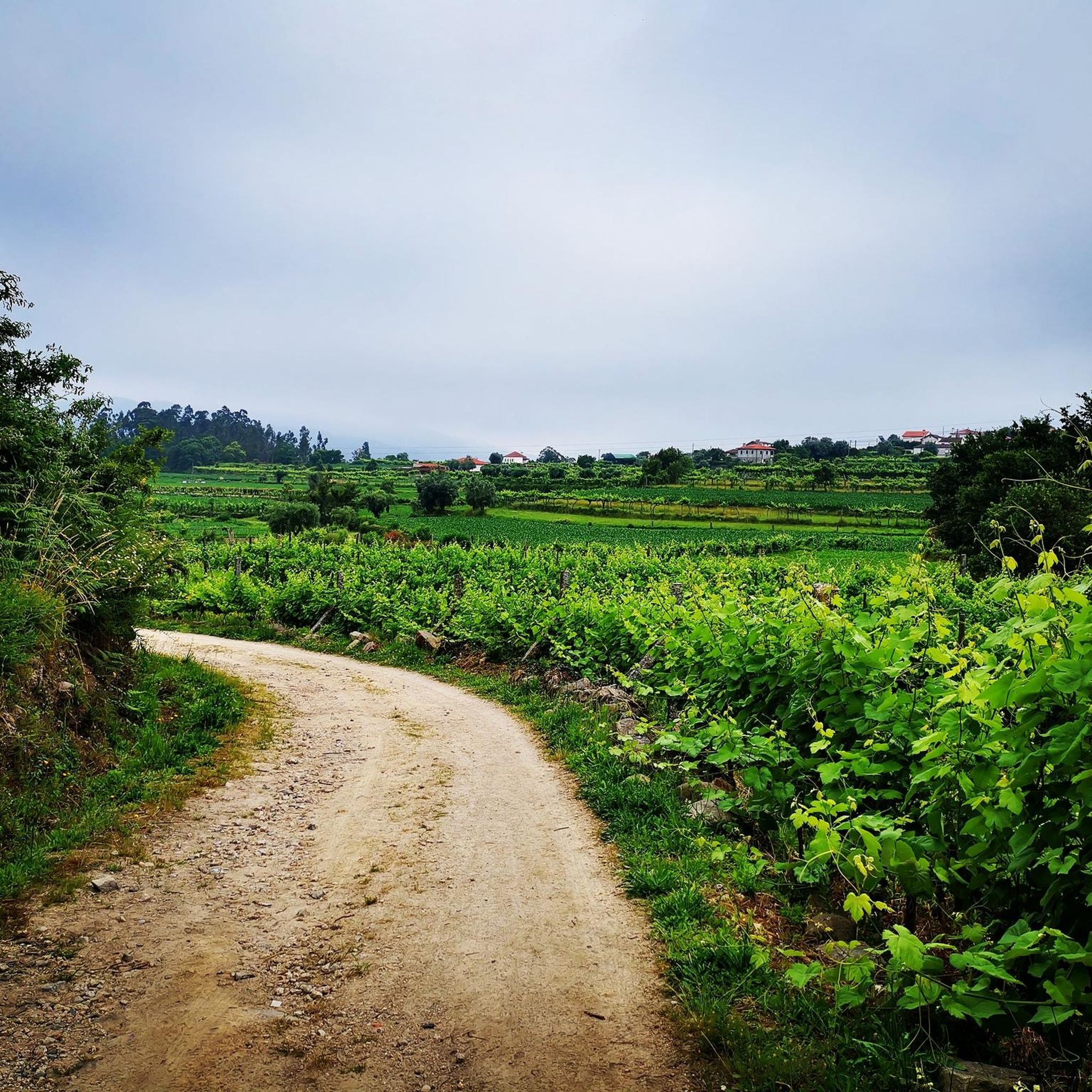

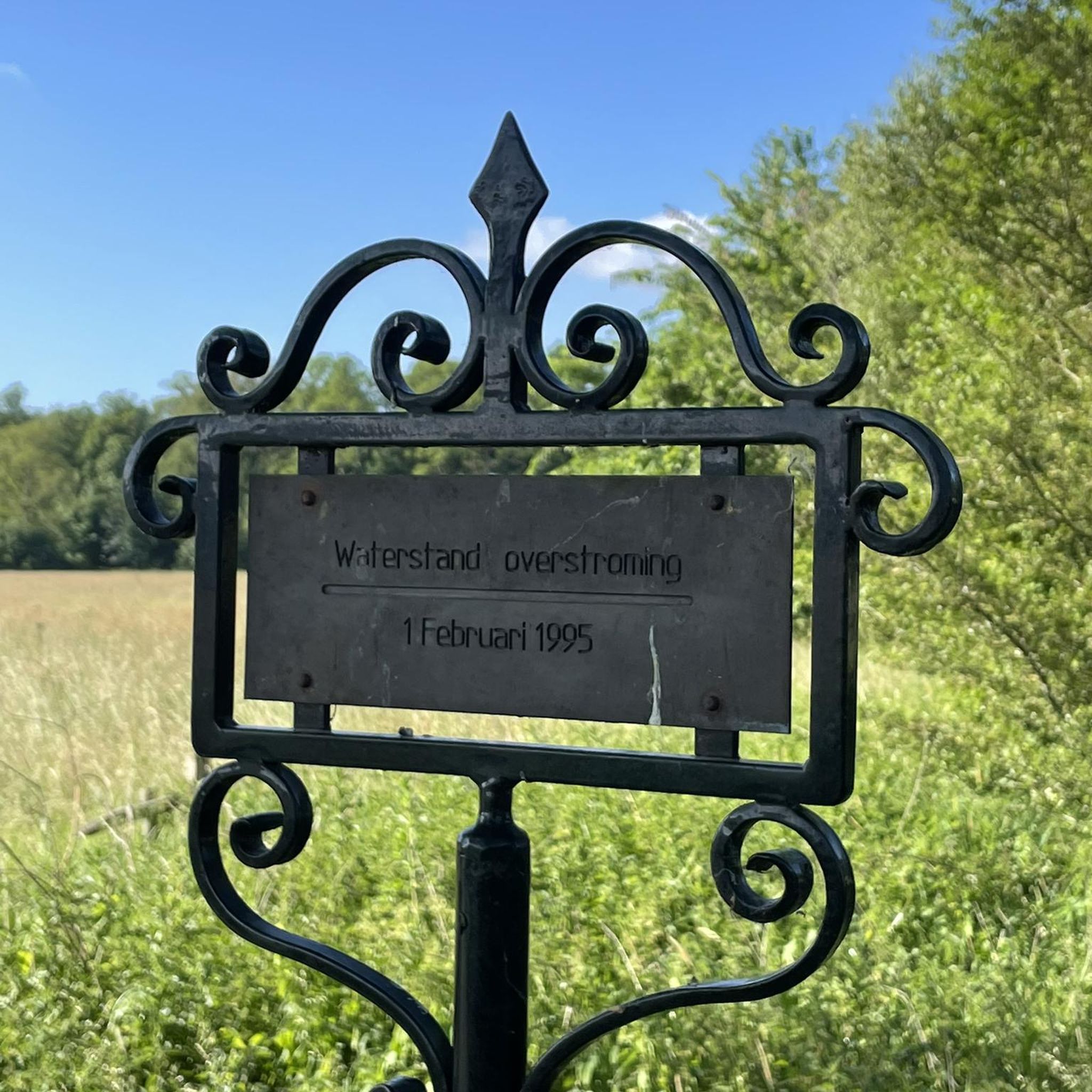

Tips from the Community

A wonderfull nature walk reminding me of walks in Newcastle, NSW Australia
0
0

The church is open for visitation and prayer most days, with specific times for Masses. Opening Hours: Monday to Sunday: 10:00–12:00 and 15:00–19:30. Mass Times (subject to change, please check the official website): Tuesday: 7:00 PM. Thursday: 7:00 PM. Saturday: 5:30 PM. Sunday: 11:00 AM.
1
0
The church was built in the 14th century in a transitional style between Romanesque and Gothic, on the foundations of an earlier 11th-century church. Main Features: Style: Transitional Gothic and Romanesque, with Renaissance and Baroque additions throughout the centuries. Interior: It has three naves, notably featuring 14 blue and white tile panels that cover much of the walls, dating from the 17th and 18th centuries. Notable Elements: The chancel vault is a Manueline work (early 16th century), and the main façade features a Neo-Gothic rose window, the result of a 20th-century restoration. Heritage: The church houses notable altarpieces and funerary monuments of important families, such as the Pinheiro family. The Parish Church of Santa Maria de Barcelos is a point of historical and architectural interest for tourists and pilgrims traveling the Camino de Santiago.
1
0
The Parish Church of Santa Maria de Barcelos, also known as the Collegiate Church, is the main religious temple in the city of Barcelos and a National Monument of Portugal.
1
0

The Barcelos Bridge is more than just an entrance to the city. It's a gateway to its legends, like that of the rooster. Over the Cávado River, this Gothic stone bridge, commissioned by Count Pedro between 1325 and 1330, connects Barcelos to Barcelinhos and has been classified as a National Monument since 1910. And if the heat gets too much, right next door awaits a river beach perfect for a refreshing dip.
3
0

The forests are not as beautiful as the Black Forest, but the peace and the scent are very calming.
0
1

Take in the typical scent of the eucalyptus trees and compensate for it until you reach Santiago. That is the Caminho
6
1

Beautiful view from the ruins of the castle
9
2
Frequently Asked Questions
What historical landmarks can I explore near Tamel (Santa Leocádia)?
The region offers several significant historical landmarks. You can visit the Barcelos Medieval Bridge, a Gothic stone bridge built between 1325 and 1330, which is classified as a National Monument. The ruins of the Paço dos Condes de Barcelos, now home to the Archaeological Museum, also provide insight into the region's history. Additionally, the historic center of Barcelos itself is rich with monuments and architectural details spanning over 700 years.
Where can I learn about the legend of the Rooster of Barcelos?
The legend of the Rooster of Barcelos is central to the region's identity. You can see the prominent Barcelos Rooster statue in the city, which is an unofficial national symbol of Portugal. The Archaeological Museum, located at the site of the Paço dos Condes de Barcelos, also houses a 14th-century stone cross related to this famous legend.
Are there any significant churches or religious sites to visit?
Yes, the area features notable religious architecture. The Main Church of Santa Maria de Barcelos, also known as the Collegiate Church, is a National Monument with historical and architectural elements from the 16th to 18th centuries. Within Tamel (Santa Leocádia) itself, the Igreja Paroquial de Santa Leocádia de Tamel is a key local point of interest.
What kind of natural landscapes and trails can I expect to see?
You can explore varied natural landscapes, particularly along river areas. The Neiva River Trail, for example, features diverse vegetation, from lush green areas near the river to more autumnal scenery at higher elevations. The region is also characterized by its proximity to the Cávado River.
Are there opportunities for hiking or walking trails near Tamel (Santa Leocádia)?
Yes, there are several walking and hiking opportunities. The Neiva River Trail is an intermediate trail offering varied scenery. For more options, you can explore various routes for walking and hiking around the area. Find detailed routes and guides at Attractions and Places To See around Tamel (Santa Leocádia).
Can I go cycling near Tamel (Santa Leocádia)?
Absolutely! The region offers numerous cycling routes. You can find options for touring bicycles, gravel biking, and road cycling. For example, there are routes like the 'Pilgrim Altar – Ponte das Tábuas de Balugães loop' or the 'Fão Bridge – Barcelos Rooster loop'. Discover more cycling routes in the Cycling around Tamel (Santa Leocádia) guide, the Gravel biking around Tamel (Santa Leocádia) guide, or the Road Cycling Routes around Tamel (Santa Leocádia) guide.
Are there family-friendly attractions around Tamel (Santa Leocádia)?
Many attractions in the broader Barcelos area are suitable for families. The Barcelos Medieval Bridge and the Barcelos Rooster statue are popular and engaging for all ages. Exploring the Barcelos city centre with its historic charm and the Main Church of Santa Maria de Barcelos also offer enriching experiences for families.
What do visitors enjoy most about the attractions in this area?
Visitors frequently appreciate the rich history and cultural significance of the area. The Barcelos Medieval Bridge is often highlighted for its beauty and connection to local legends. The Barcelos Rooster statue is a beloved symbol, and the city center is praised for its vibrant atmosphere, especially during market days. The natural trails, like the Neiva River Trail, are enjoyed for their peaceful and varied scenery.
Is the Barcelos Rooster statue accessible for everyone?
Yes, the Barcelos Rooster statue is noted as being wheelchair accessible, making it an attraction that can be enjoyed by a wider range of visitors.
What is the best time of year to visit Tamel (Santa Leocádia) and its surrounding attractions?
While specific data isn't provided, generally, the spring (April to June) and autumn (September to October) months offer pleasant weather for exploring historical sites and engaging in outdoor activities like hiking and cycling around Tamel (Santa Leocádia) and Barcelos. These periods typically avoid the peak heat of summer and the cooler, wetter days of winter.
Are there any specific cultural crafts or arts the region is known for?
Yes, Barcelos, which is very close to Tamel (Santa Leocádia), is globally recognized for its ceramics and figurative art. It is part of the UNESCO Creative Cities Network for crafts and folk art. You'll find many examples of this artistry, especially the famous Rooster of Barcelos, throughout the city.
What makes the historic center of Barcelos unique?
The historic center of Barcelos is unique for its narrow streets, charming squares, and historic buildings that reflect over 700 years of history. It showcases a blend of architectural styles including Romanesque, Gothic, Renaissance, Baroque, and Neoclassical, offering a rich cultural experience. It's also the heart of the city's renowned crafts and folk art scene.
Most popular routes around Tamel (Santa Leocádia)

Get inspired with the komoot mobile app


Explore more
Still not found the Highlight you’re looking for? See guides of the top attractions in other regions:
