Attractions and Places To See around Colos - Top 9
Best attractions and places to see around Colos are located in the Alentejo region of Portugal. This area features a mix of natural landscapes, including a significant dam lake, and charming small settlements. Visitors can explore cultural sites and enjoy the tranquil atmosphere of this part of Portugal. The region offers a variety of experiences for those interested in both natural beauty and local culture.
Best attractions and places to see around Colos
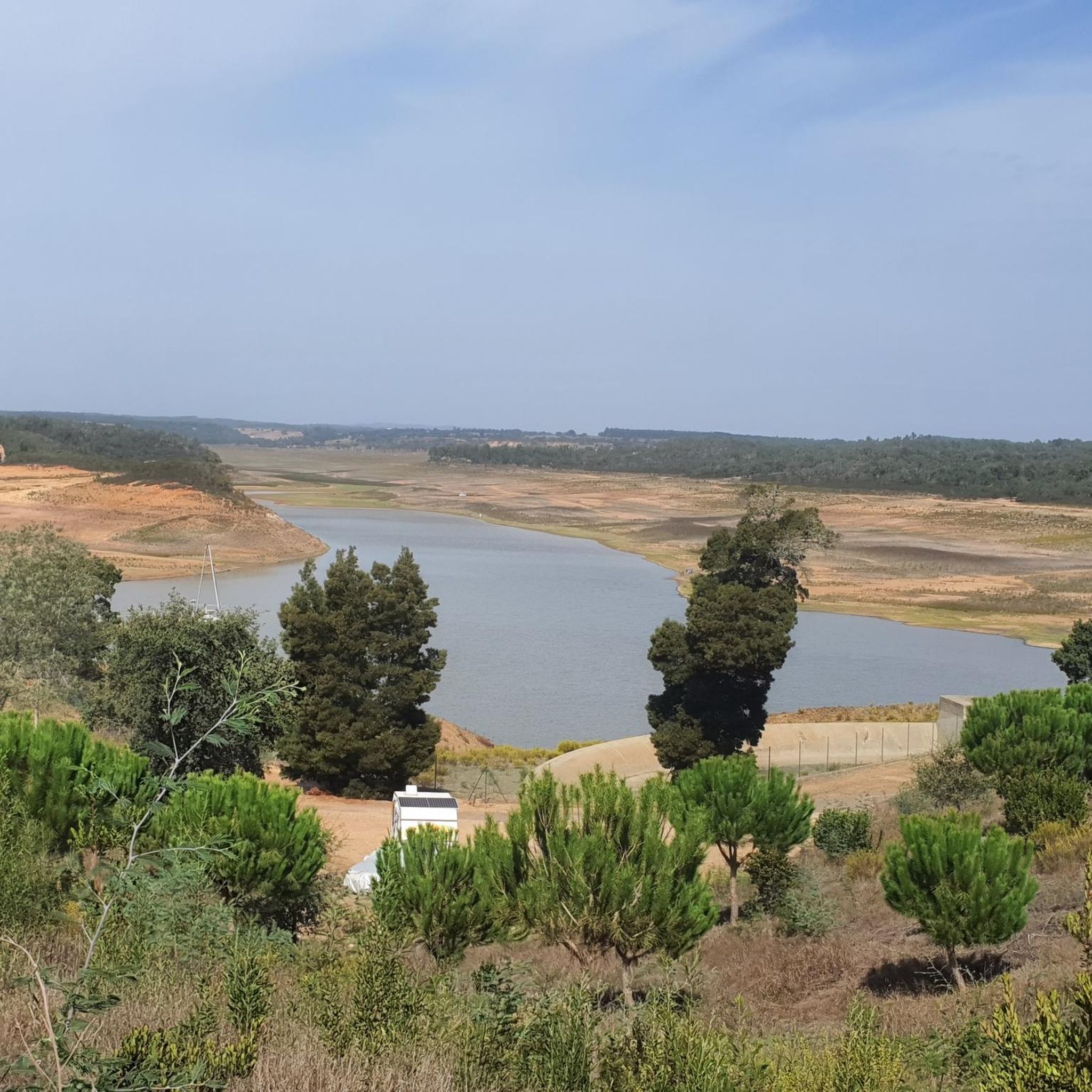
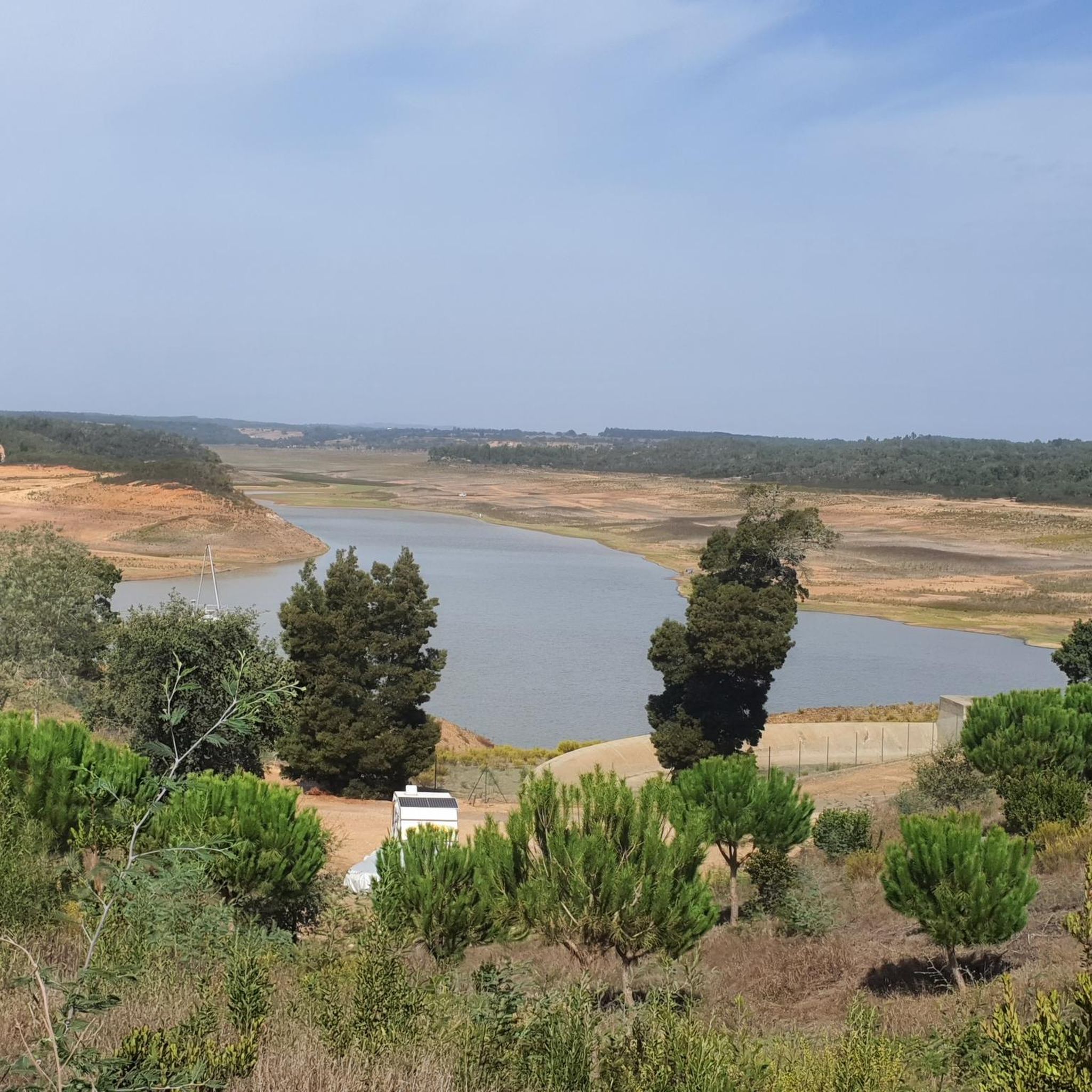
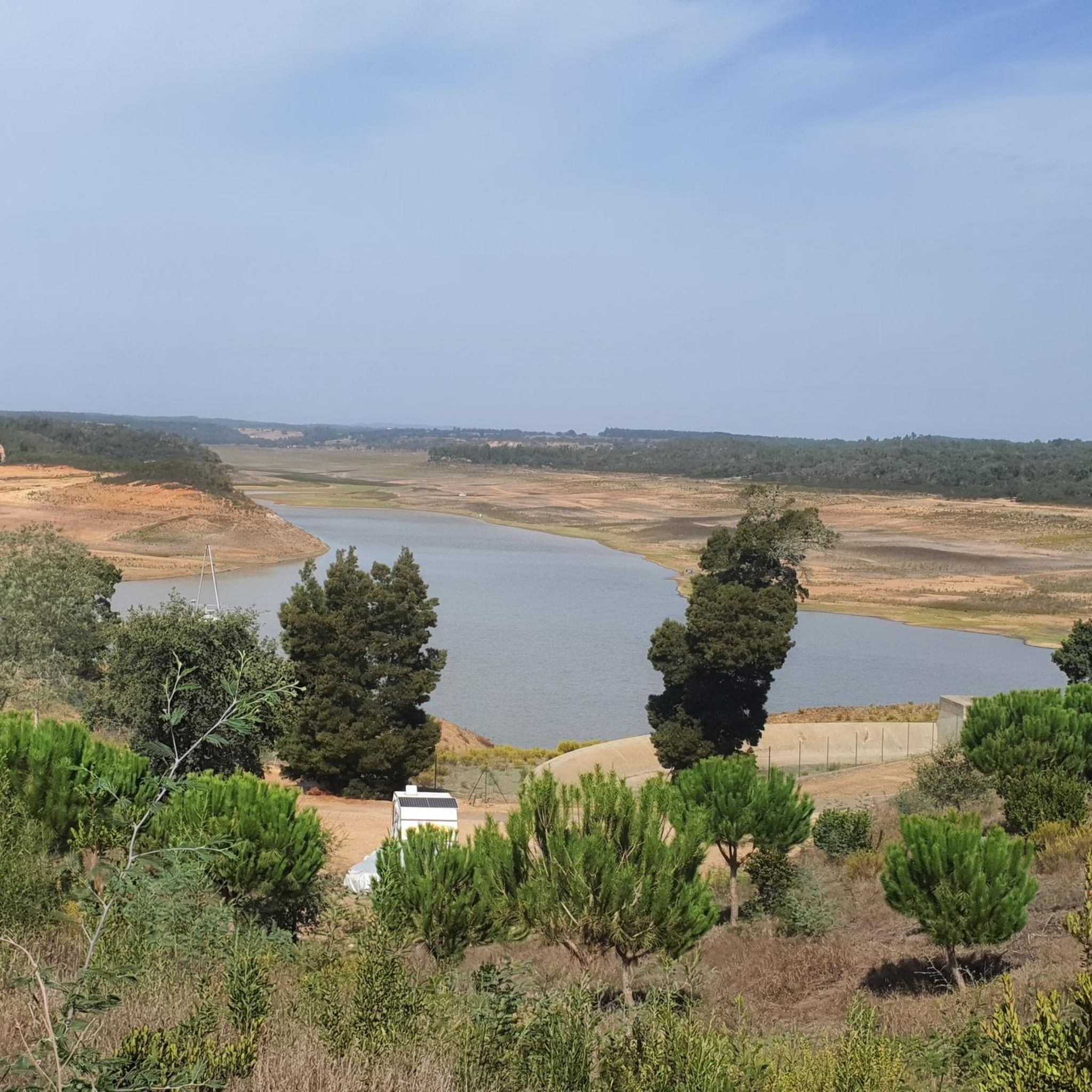
- The most popular attractions is Campilhas Reservoir, a lake that was completed in 1954 and is used for electricity production, drinking water, and irrigation. It is located in the Alentejo region of Portugal and dams the Campilhas, a tributary of the Sado.
- Another must-see spot is Cercal do Alentejo, a settlement. Visitors can expect a typical small town in southern Portugal, known for its houses with lime-tinted facades and a dynamic array of shops, making it an ideal stopover.
- Visitors also love Chapel of Our Lady of the Spring and Water Source, a religious building with a natural spring. This site features a natural discharge point of subterranean water, with the spring water noted for being fresh.
- Colos is known for its lakes, religious buildings, and settlements. The region offers a variety of attractions to see and explore, from natural water sources to local market halls.
- The attractions around Colos are appreciated by the komoot community, with 25 upvotes and 13 photos shared by visitors.
Last updated: July 1, 2026
Campilhas Reservoir
Highlight • Lake
Translated by Google •
Tip by

Chapel of Our Lady of the Spring and Water Source
Highlight • Religious Site
Tip by

Sign up now to discover places like this
Get recommendations on the best single tracks, peaks, & plenty of other exciting outdoor places.
Sign up for free
Cercal do Alentejo
Highlight • Settlement
Translated by Google •
Tip by
Mercado and Lemon Tree Park
Highlight • Rest Area
Translated by Google •
Tip by

São Luís Market
Highlight • Structure
Translated by Google •
Tip by
Sign up for free to discover even more attractions around Colos.
Sign up for free
Already have an account?
Start today with a free account
Your next adventure awaits.
Login or Signup
Tips from the Community

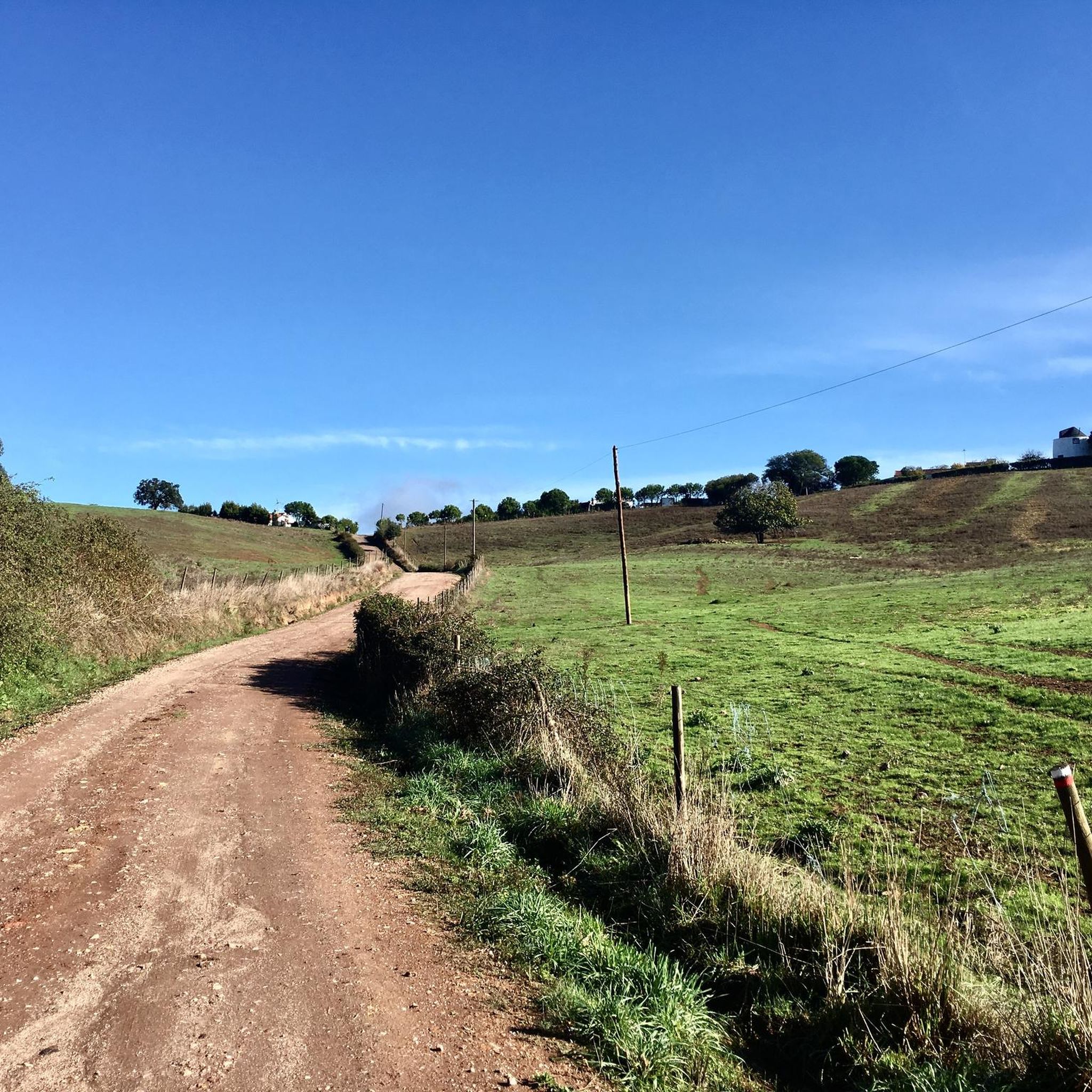
Cercal do Alentejo is a typical small town in southern Portugal. Behind its houses covered with a lime tinted with solar colors, the dynamism of its many shops allows you an ideal stopover.
2
0
Completed in 1954, the large Campilhas dam lake can be used to produce electricity, supply drinking water and maintain an irrigation network. Due to repeated droughts, the lake can no longer recover the levels of its creation.
1
0


Spring, in hydrology, opening at or near the surface of the Earth for the discharge of water from underground sources. A spring is a natural discharge point of subterranean water at the surface of the ground or directly into the bed of a stream, lake, or sea. Water that emerges at the surface without a perceptible current is called a seep. Wells are holes excavated to bring water and other underground fluids to the surface.
1
0
Water spring in a Chapel. The water is super good and fresh.
0
0

The Campilhas dam (Portuguese Barragem de Campilhas) is located in the Alentejo region of Portugal in the Setúbal district. It dams the Campilhas, a left (western) tributary of the Sado to a reservoir (port. Albufeira da Barragem de Campilhas). The small town of Cercal do Alentejo is located about five kilometers southwest of the dam. The project to build the dam began in 1941. Construction was completed in 1954. In addition to the drinking water supply, the dam is also used for irrigation. It is owned by the Associação de Regantes e Beneficiários de Campilhas e Alto Sado.[1] Source https://de.wikipedia.org/wiki/Talsperre_Campilhas
4
1
The market hall is adjacent to a small park with lemon trees and park benches. There is also a café / eatery in the square.
3
0

The reservoir had very little water and it was on the east side to see a way that we have gone (see also highlight end of the abbreviation)
3
0
Frequently Asked Questions
What natural attractions can I explore around Colos?
The region around Colos is known for its natural beauty, particularly the Campilhas Reservoir. This large dam lake, completed in 1954, is used for electricity production, drinking water, and irrigation. You can also visit the Chapel of Our Lady of the Spring and Water Source, which features a natural discharge point of fresh subterranean water.
Are there any cultural or historical sites to visit in the Colos area?
Yes, the Chapel of Our Lady of the Spring and Water Source is a notable religious building with historical significance due to its natural spring. Additionally, the settlement of Cercal do Alentejo offers a glimpse into a typical small town in southern Portugal with its unique architecture and local shops.
What kind of outdoor activities can I do near Colos?
Colos is an excellent base for outdoor activities. You can find numerous hiking trails, including easy and moderate options, as well as road cycling routes. For detailed information and routes, explore the Hiking around Colos and Road Cycling Routes around Colos guides.
Are there family-friendly attractions around Colos?
Absolutely. Both Chapel of Our Lady of the Spring and Water Source and the settlement of Cercal do Alentejo are considered family-friendly. The Mercado and Lemon Tree Park also provides a pleasant spot with a market hall and a park, suitable for families.
Where can I find local markets or places to eat in the area?
You can visit the Mercado and Lemon Tree Park, which features a market hall and an adjacent café/eatery. Another option is the São Luís Market, which continues to offer local food and also has a café.
Are there easy hiking trails near Colos?
Yes, there are several easy hiking trails available. For example, you can find routes like the 'St. Luís Walk' or various 'Cork Oak Hills Trail' loops that are suitable for an easier walk. You can find more details and specific routes in the Easy hikes around Colos guide.
What is the best time to visit Colos attractions?
The Alentejo region, where Colos is located, generally offers a tranquil atmosphere. While specific seasonal recommendations aren't provided, visiting during spring or autumn often provides pleasant weather for exploring natural landscapes and settlements without the intense heat of summer.
What do visitors enjoy most about the attractions around Colos?
Visitors appreciate the mix of natural beauty, such as the Campilhas Reservoir, and the charm of small settlements like Cercal do Alentejo. The tranquil atmosphere and the opportunity to explore cultural sites like the Chapel of Our Lady of the Spring and Water Source are also highly valued.
Is the Colosseum in Rome related to Colos, Portugal?
No, the Colosseum in Rome, Italy, is a distinct and world-renowned ancient amphitheater. The region of Colos in Portugal is a separate geographical location with its own unique attractions, primarily focused on natural landscapes and charming settlements in the Alentejo region. There is no direct relation between the two.
Are there any wheelchair accessible places in Colos?
The São Luís Market is categorized as wheelchair accessible, offering local food and a café. It's always advisable to check specific accessibility details for other locations before your visit.
Can I find cafes or places to relax near the attractions?
Yes, both the Mercado and Lemon Tree Park and the São Luís Market feature cafés where you can relax. The Lemon Tree Park also offers benches for a peaceful break.
Most popular routes around Colos

Get inspired with the komoot mobile app


Explore more
Still not found the Highlight you’re looking for? See guides of the top attractions in other regions:
