Attractions and Places To See around Trindade - Top 20
Attractions and places to see around Trindade offer a glimpse into a region rich in history and architectural heritage. This area features historical sites, ancient fortifications, and cultural monuments. Visitors can explore a landscape characterized by its historical depth and significant landmarks.
Best attractions and places to see around Trindade
- The most popular attractions is Castle of Beja, a castle that dominates the skyline with an imposing presence. This ancient fortress dates back to the Moorish period and offers…
Last updated: July 1, 2026
Castle of Beja
Highlight • Castle
Tip by

Statue of Queen Dona Leonor
Highlight • Monument
Translated by Google •
Tip by

Sign up now to discover places like this
Get recommendations on the best single tracks, peaks, & plenty of other exciting outdoor places.
Sign up for free
Church of Mercy of Beja
Highlight • Religious Site
Translated by Google •
Tip by
Pelourinho de Beja
Highlight • Monument
Translated by Google •
Tip by

Évora Gates
Highlight • Historical Site
Translated by Google •
Tip by
Sign up for free to discover even more attractions around Trindade.
Sign up for free
Already have an account?
Start today with a free account
Your next adventure awaits.
Login or Signup
Tips from the Community

The Castle of Beja, a central point of Beja
3
0
The iconic gatehouse of Beja Fortress
0
0
The castle walls of the fortress of Beja. The central point of the city
0
0

As with most castles in Portugal, not only is admission free, but you can even climb the often completely unsecured castle walls via adventurous staircases. Something like that would be unthinkable in Germany for security reasons, but we think it's great.
3
0
There's plenty to see in Beja, including the Sé Catedral de Beja, the castle, and a lovely shopping street with numerous restaurants. However, it's undeniable that the ravages of time have taken their toll on this city; if you like morbid charm, this is the place for you. The town's greatest advantage, however, is its very central location in the heart of the Alentejo.
4
4

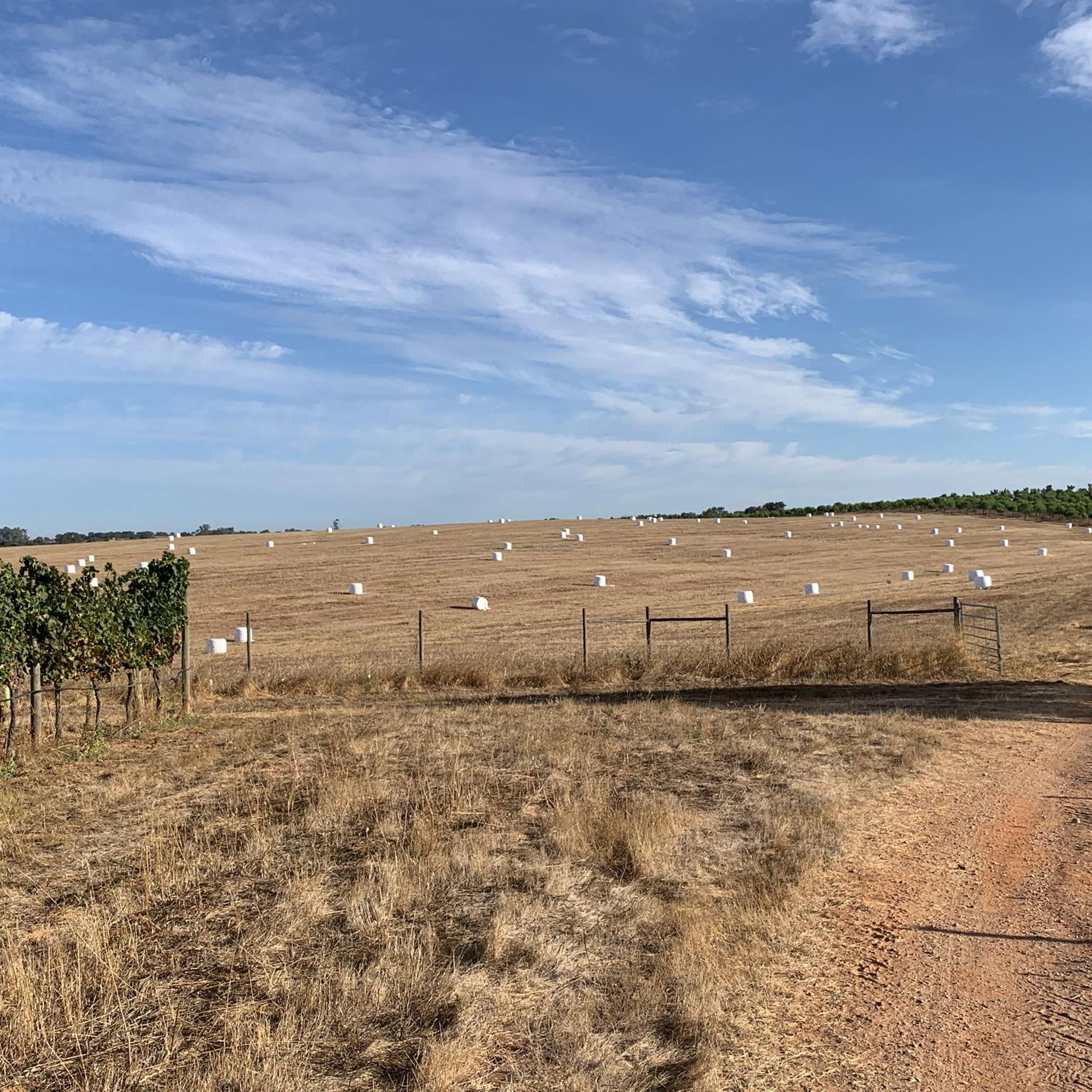
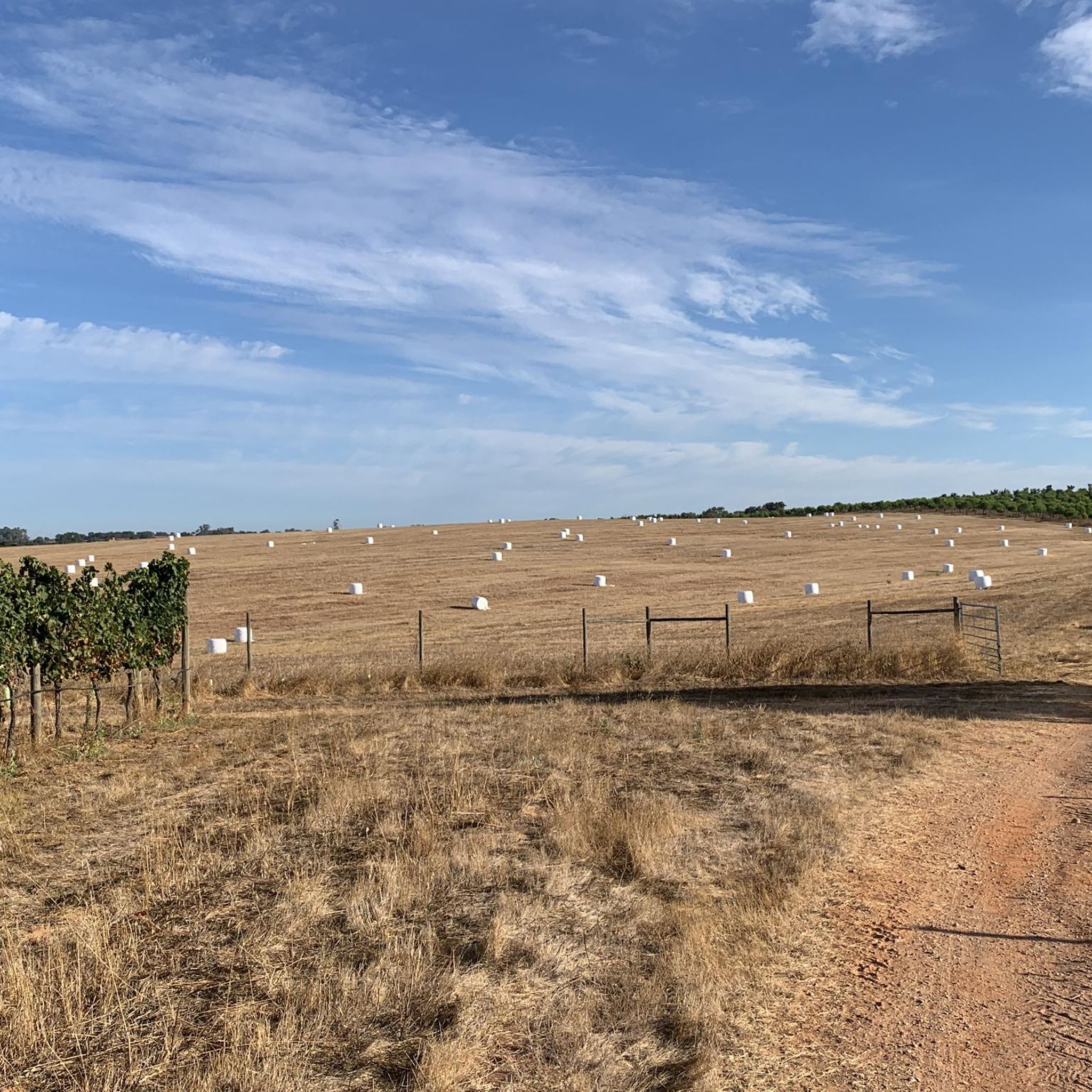
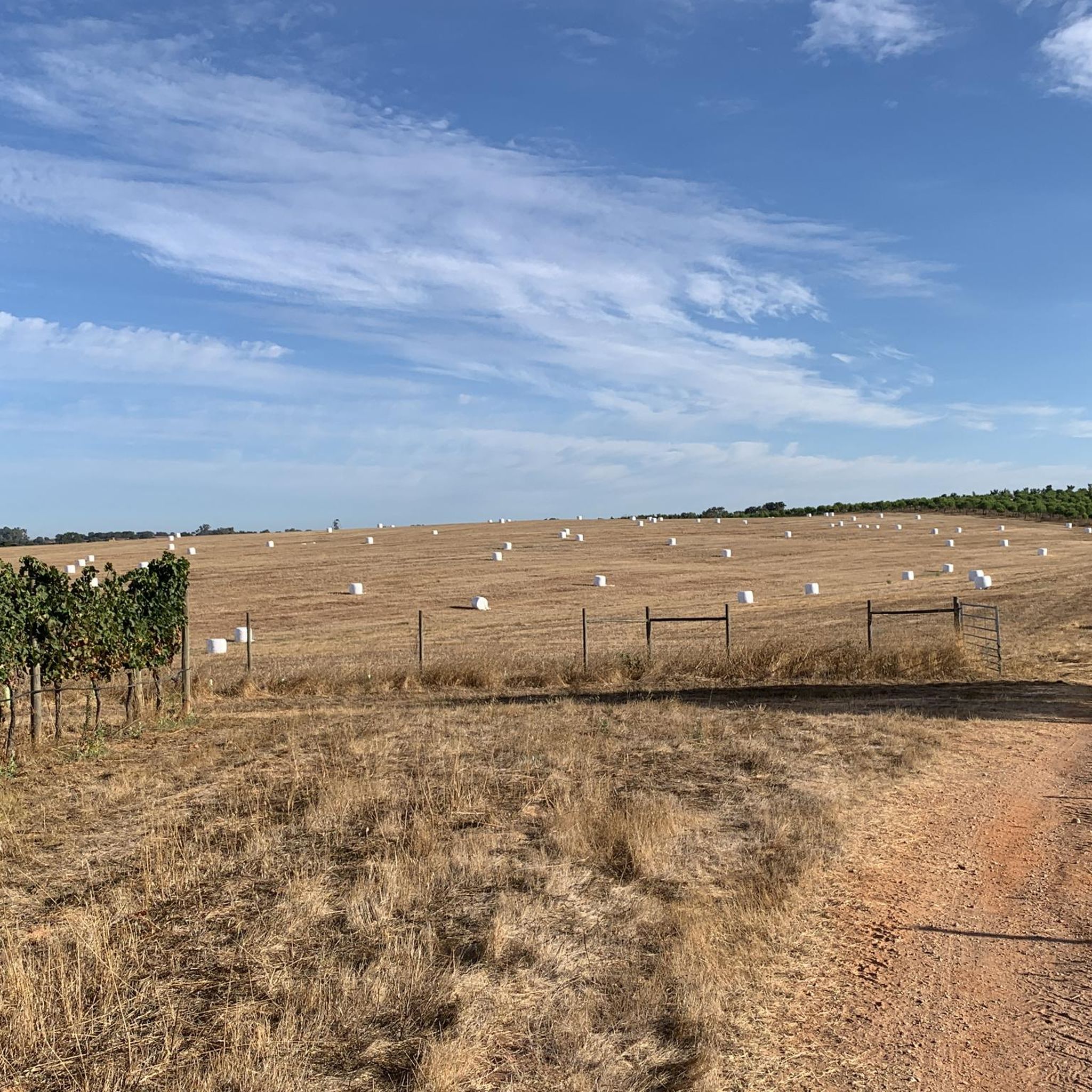
From this tower, we have a spectacular view of the Alentejo landscape. The fields are now full of olive and almond trees, but in the past, they were cultivated with wheat.
10
0

Dominating the skyline with an imposing presence, the Castle of Beja stands as a testament to the city’s resilient past. Dating back to the Moorish period, this ancient fortress has witnessed the ebb and flow of history, from medieval battles to tranquil periods of peace. As you ascend its weathered steps, you’re greeted by panoramic views that stretch across the Alentejo landscape.
13
0
Beja Castle is a National Monument. A medieval fortification that is the city's most emblematic monument. Its Keep Tower, almost 40 metres high, is considered by some authors to be the tallest military tower in the country. Beja Castle, and its Keep Tower in particular, is the city's best-known and most emblematic monument. It is a Gothic fortress whose construction began in the 13th century, shortly after the Christian conquest of the city, and continued through the 14th and possibly 15th centuries. Standing out from the fortress complex is the imposing Keep Tower, almost forty metres high, considered by some experts to be a masterpiece of European Gothic military architecture. In addition to the castle, the walls that, dating from the same period, surrounded the medieval city are still visible, with twenty-eight towers and their respective sections of the wall remaining.
12
0
Frequently Asked Questions
What historical sites can I explore around Trindade?
The region around Trindade, near Beja, offers a rich historical experience. You can visit the impressive Castle of Beja, an ancient fortress dating back to the Moorish period, offering panoramic views. Another significant site is Pelourinho de Beja, a 16th-century pillory. Don't miss the Évora Gates, a historical arch that was once part of the medieval castle and is now classified as a National Monument.
Are there any significant religious buildings to visit?
Yes, the Church of Mercy of Beja is a notable religious building and a National Monument. Built in the 16th century, it features a unique Italian loggia style. Interestingly, it was originally intended to be a butcher's shop but was converted into a church due to its magnificent design.
What outdoor activities can I do near these attractions?
You can enjoy various outdoor activities around Trindade. For cycling, explore routes like the 'Statue of Queen Dona Leonor – Pedestrian zone Beja loop' or the 'Al-Mu’tamid Memorial loop'. Hiking enthusiasts can try the 'Albufeira do Vilar loop' or the 'Évora Gates – Castle of Beja loop'. Find more options on the Cycling around Trindade and Hiking around Trindade guide pages.
Are there family-friendly attractions around Trindade?
Several attractions are suitable for families. The Pelourinho de Beja, the Church of Mercy of Beja, and the Évora Gates are all categorized as family-friendly, offering historical insights in an accessible manner.
What is the historical significance of the Statue of Queen Dona Leonor?
The Statue of Queen Dona Leonor commemorates a Portuguese princess from the House of Avis who became Queen of Portugal in 1481. Born in Beja in 1458, she was instrumental in founding the Santa Casa da Misericórdia de Lisboa, an institution replicated throughout the kingdom for its charitable work. The statue, erected in 1958, celebrates her lasting legacy in culture and charity.
Can I find easy hiking trails near Trindade?
Yes, there are several easy hiking trails available. Consider the 'Évora Gates – Castle of Beja loop from Beja' which is approximately 4.1 km, or the 'Portas de Aljustrel – Statue of Queen Dona Leonor loop from Beja' at about 5.5 km. You can find more easy options on the Easy hikes around Trindade guide page.
What do visitors enjoy most about the Castle of Beja?
Visitors particularly appreciate the Castle of Beja for its imposing presence and the spectacular panoramic views it offers across the Alentejo landscape from its Keep Tower. Many find it a testament to the city’s resilient past, with its Gothic military architecture being a highlight.
Is there an accessible attraction for visitors with mobility needs?
Yes, the Statue of Queen Dona Leonor is categorized as wheelchair accessible, allowing more visitors to appreciate this historical monument.
What is the best time to visit the attractions around Trindade?
While specific seasonal data isn't provided, the Alentejo region generally enjoys pleasant weather in spring (April-May) and autumn (September-October), making these ideal times for exploring historical sites and engaging in outdoor activities without extreme heat.
What kind of views can I expect from the Castle of Beja?
From the Keep Tower of the Castle of Beja, you can expect spectacular panoramic views of the surrounding Alentejo landscape. The fields are often filled with olive and almond trees, offering a picturesque vista.
Are there any unique historical facts about the Évora Gates?
The Évora Gates, now part of the medieval castle, is believed by some authors to have been built between the 3rd and 4th centuries AD as part of the Roman walls. It has undergone several changes and demolitions over the centuries, with its current form being a reconstruction. It has been classified as a National Monument since 1910.

Get inspired with the komoot mobile app


Explore more
Still not found the Highlight you’re looking for? See guides of the top attractions in other regions:
