Attractions and Places To See around Aljustrel e Rio de Moinhos e Rio de Moinhos e Rio de Moinhos - Top 13
Best attractions and places to see around Aljustrel e Rio de Moinhos e Rio de Moinhos e Rio de Moinhos include a blend of historical, cultural, and natural sites. This civil parish, located in the Lower Alentejo region of Portugal, is known for its deep mining roots and expansive Alentejo landscape. Visitors can explore the area's rich history, from ancient mining complexes to historical landmarks, set within a distinctive natural environment. The region offers opportunities to discover its heritage and natural beauty.
Best attractions and places to see around Aljustrel e Rio de Moinhos e Rio de Moinhos e Rio de Moinhos
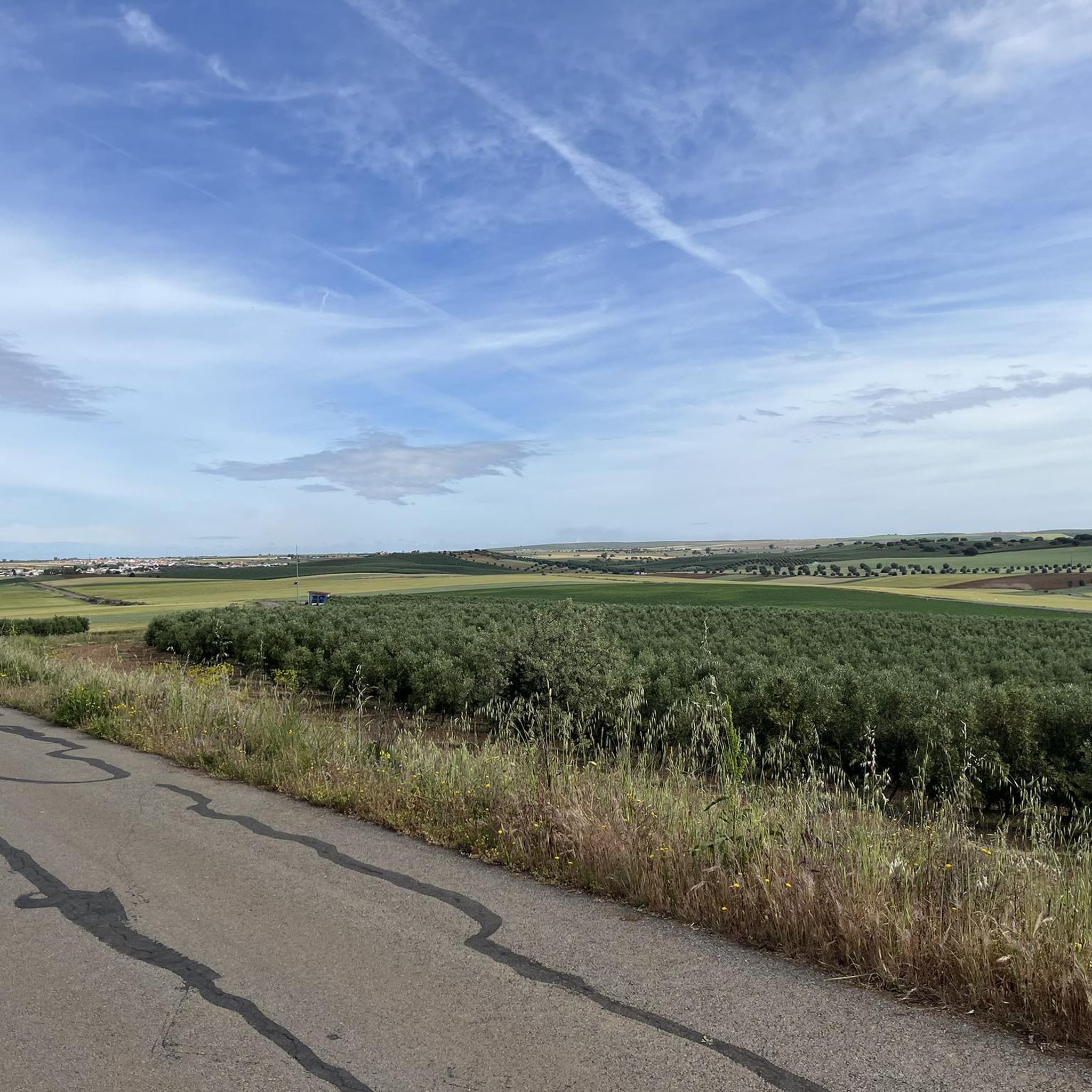
- The most popular attractions is Estrada Nacional 123 near Castro Verde, a cycle_way that offers options for road, gravel, and XC cycling. The route includes Estrada Nacional 123, leading towards Mertola.
- Another must-see spot is Entradas Main Avenue, a settlement featuring a cobblestone central avenue. This quiet town, about 11 kilometers from Castro Verde, is characterized by its white buildings and offers places to rest.
- Visitors also love Aljustrel Castle, a castle with historical significance. Dating back to Islamic times, it is located in Aljustrel, a former Roman mining center.
- Aljustrel e Rio de Moinhos e Rio de Moinhos e Rio de Moinhos is known for its mining heritage, historical sites, and natural landscapes. The area offers a variety of attractions to see and explore, from ancient ruins to vast plains.
- The attractions around Aljustrel e Rio de Moinhos e Rio de Moinhos e Rio de Moinhos are appreciated by the komoot community, with 9 upvotes and 3 photos shared.
Last updated: May 4, 2026
Estrada Nacional 123 near Castro Verde
Highlight • Cycleway
Tip by

Entradas Main Avenue
Highlight • Settlement
Tip by
Sign up now to discover places like this
Get recommendations on the best single tracks, peaks, & plenty of other exciting outdoor places.
Sign up for free
Cattle gate in ZPE Castro Verde
Highlight (Segment) • Structure
Just a few years ago, cycling here was a difficult experience. Nowadays the land owners are more sensitive for cyclists.
Tip by
Aljustrel Castle
Highlight • Castle
Later, it became the Islamic Al-Lustre, a name that easily refers to the brightness and light that appeared on the surface in the form of pyrites and their geological counterparts.
There is much to discover in this municipality.
Walk its paths and discover the historical legacy around every corner. On foot or by bike, explore the Aljustrel mine route and learn more about the activity that most marked this land.
Translated by Google •
Tip by

Castro Verde Municipal Campsite
Highlight • Rest Area
Tip by
Sign up for free to discover even more attractions around Aljustrel e Rio de Moinhos e Rio de Moinhos e Rio de Moinhos.
Sign up for free
Already have an account?
Start today with a free account
Your next adventure awaits.
Login or Signup
Popular around Aljustrel e Rio de Moinhos e Rio de Moinhos e Rio de Moinhos

Tips from the Community

The settlement of Entradas is a historic Portuguese village, seat of the Parish of Entradas, integrated into the Municipality of Castro Verde. ✓Geographic and Demographic IndicatorsArea: 76.23 km². Population: 593 ✓inhabitants (data from the 2021 census). Density: 7.8 inhabitants/km². ✓Localities: Comprises the village of Entradas and the hamlet of Galeguinha. ✓Economy: Based on agriculture, local commerce, and civil construction. ✓Historical Context and HeritageAutonomy: Received a charter from D. Manuel I in 1510 and was the seat of a municipality until 1836. ✓Strategy: Served as a link between the river port of Mértola and the interior of Baixo Alentejo. ✓Culture: Hosts the annual event Entrudanças, celebrating the traditional Entrudo. ✓Nature: Integrated into Campo Branco, it stands out as an essential habitat for protected steppe birds such as the Great Bustard and the Little Bustard.
0
0

Aljustrel, the famous Roman mine, was one of the great mining centers of the empire, which explored the depths of the earth here. Later, it became the Islamic Al-Lustre, a name that easily refers to the brightness and light that appeared on the surface in the form of pyrites and their geological counterparts. There is much to discover in this municipality. Walk its paths and discover the historical legacy around every corner. On foot or by bike, explore the Aljustrel mine route and learn more about the activity that most marked this land.
2
0

Nice and quiet place. Deserve a visit.
2
0
All cyclist are welcome. Hot showers and a bike-station (with some basic tools) on the area. Really good budget place.
2
0

Very beautiful route through the gently rolling hills. Can be driven quickly. Please always return the gates to the state in which you found them (closed means closed again, open means leave open accordingly).
2
0
Pretty village about 11 kilometers from Castro Verde. There is a restaurant in the square by the church and a little further on a small cafe/village shop. Ideal for a short tour stop.
3
0
The local community is improving the cycling access to off-road sections. Just a few years ago, cycling here was a difficult experience. Nowadays the land owners are more sensitive for cyclists.
2
0
The cobblestones central avenue is impressive. Perfect example of Alentejo town: all white, very clean and some shadow seats to rest.
3
0
Frequently Asked Questions
What historical sites can I explore in Aljustrel e Rio de Moinhos?
The region is rich in history, particularly its mining heritage. You can visit the historic Aljustrel Castle, which dates back to Islamic times. The Aljustrel mines themselves are a significant historical site, showcasing centuries of mining activity. Additionally, the Nossa Senhora do Castelo Chapel, a 15th-century Public Interest Property, offers historical insight and expansive views.
What natural features characterize the landscape around Aljustrel e Rio de Moinhos?
The area is set within the vast, gently rolling plains of the Lower Alentejo. You'll find landscapes dominated by cork oaks and olive trees, with herbaceous plants creating colorful scenes in spring. A southern strip of the municipality falls within the Castro Verde Special Protection Zone, known for its cereal steppes and unique bird species.
Are there opportunities for cycling in the area?
Yes, the region offers several cycling opportunities. You can explore routes like Estrada Nacional 123 near Castro Verde, which is suitable for road, gravel, and XC cycling. The local community has also improved cycling access to off-road sections, such as near the Cattle gate in ZPE Castro Verde. For more cycling routes, check out the Cycling around Aljustrel e Rio de Moinhos guide.
Can I find hiking trails near the attractions?
Absolutely. There are various hiking trails available, including easy and moderate options. You can find routes like the 'Aljustrel Castle loop from Aljustrel' which offers different distances. For a comprehensive list of trails, refer to the Hiking around Aljustrel e Rio de Moinhos guide.
What is the significance of the Aljustrel mines?
The Aljustrel mines are historically significant, dating back to Roman times when the area, then known as Vipasca, was a major mining center for gold, silver, copper, zinc, lead, and sulfur. Today, the Aljustrel Mining Complex continues to operate for zinc, lead, and copper, and offers a living museum experience to explore its heritage, landscape, and scientific aspects.
Are there any family-friendly places to visit?
Yes, the region offers pleasant spots for families. The Entradas Main Avenue is a quiet, clean town with white buildings and shaded seating, ideal for a relaxing stop. The 25 de Abril Park and the Public Garden in Aljustrel also provide green spaces for leisure. The Municipal Library offers activities for children.
Where can I experience local culture or traditional villages?
To experience local culture, visit the village of Entradas, known for its cobblestone central avenue and traditional white Alentejo architecture. The Municipal Archaeology Museum Aljustrel provides galleries showcasing local history. You can also visit Erdivel, a rural village with a Rural Nucleus of the Municipal Museum and an olive oil mill.
What kind of wildlife can be observed in the region?
The Alentejo landscape is home to various wildlife. You might spot mammals such as rabbits, hares, and foxes. The region is particularly noted for its birdlife, including passerine birds, storks, and some birds of prey. The Castro Verde Special Protection Zone is crucial for species like the great bustard and little bustard. The mining area's galleries and crevices also provide refuge for bats.
Are there any viewpoints offering scenic panoramas?
Yes, the Aljustrel Castle, located atop one of Aljustrel's hills, offers expansive views of the surrounding landscape. The Nossa Senhora do Castelo Chapel, also situated on a hill, provides similar panoramic vistas.
What is the best time of year to visit Aljustrel e Rio de Moinhos?
The spring months are particularly beautiful, as the herbaceous plants in the uncultivated lands create colorful landscapes. The Alentejo region generally experiences hot, dry summers and mild winters, so spring and autumn offer pleasant temperatures for outdoor activities and exploration.
What do visitors particularly enjoy about the area?
Visitors appreciate the blend of historical and natural attractions. The quiet, clean towns like Entradas with their traditional architecture are often highlighted. Cyclists enjoy the improved access to off-road sections and the beautiful routes through gently rolling hills. The rich mining heritage and the expansive, tranquil Alentejo landscape are also significant draws.
How can I learn more about the region's archaeological past?
You can delve into the region's archaeological past by visiting the Municipal Archaeology Museum Aljustrel, which features galleries dedicated to local history. The Aljustrel mines themselves are an archaeological treasure, with evidence of Roman mining activity dating back to Vipasca.
What are the options for exploring the mining heritage?
The primary way to explore the mining heritage is through the Aljustrel Mining Complex. You can also follow the Aljustrel mine route, which can be explored on foot or by bike, to learn about the activity that shaped the land and its community. This route offers insights into both above-ground and potential underground exploration opportunities.
Most popular routes around Aljustrel e Rio de Moinhos e Rio de Moinhos e Rio de Moinhos

Get inspired with the komoot mobile app


Explore more
Still not found the Highlight you’re looking for? See guides of the top attractions in other regions:
