Attractions and Places To See around Talhadas - Top 20
Best attractions and places to see around Talhadas, a civil parish in northern Portugal's Aveiro District, offer a mix of historical, natural, and cultural sites. The region is characterized by the verdant Vouga River Valley and the Serra das Talhadas mountain range, providing diverse landscapes. Visitors can explore ancient archaeological sites, unique geological formations, and extensive outdoor trails.
Best attractions and places to see around Talhadas
- The most popular attractions is Poço de S. Tiago Bridge, a bridge that…
Last updated: July 1, 2026
Poço de S. Tiago Bridge
Highlight • Bridge
Translated by Google •
Tip by

Paradela Station
Highlight • Rest Area
Translated by Google •
Tip by

Sign up now to discover places like this
Get recommendations on the best single tracks, peaks, & plenty of other exciting outdoor places.
Sign up for free
Cabreia Waterfall
Highlight • Waterfall
Translated by Google •
Tip by

Ecopista do Vouga: Sernada do Vouga to Paradela
Highlight (Segment) • Cycleway
Tip by

Cedrim Station
Highlight • Monument
The space was recovered in 2013 during the construction of the current Vouga ecopista.
Translated by Google •
Tip by

Sign up for free to discover even more attractions around Talhadas.
Sign up for free
Already have an account?
Start today with a free account
Your next adventure awaits.
Login or Signup

Tips from the Community

It's a shame it's not open, but it's worth a quick stop.
1
0
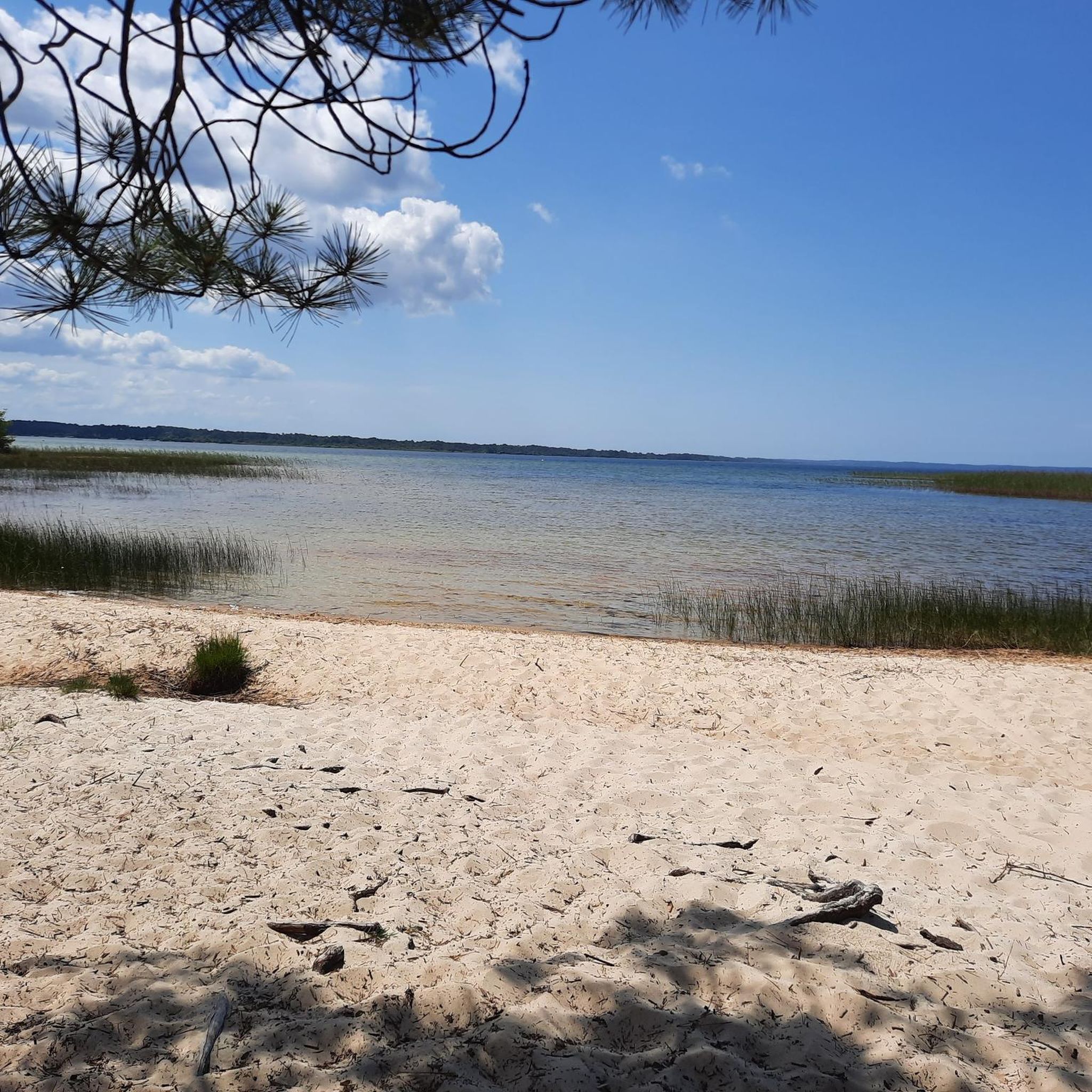
Very beautiful place. To rest a little.
1
0
This Ecopista is very beautiful.
1
0
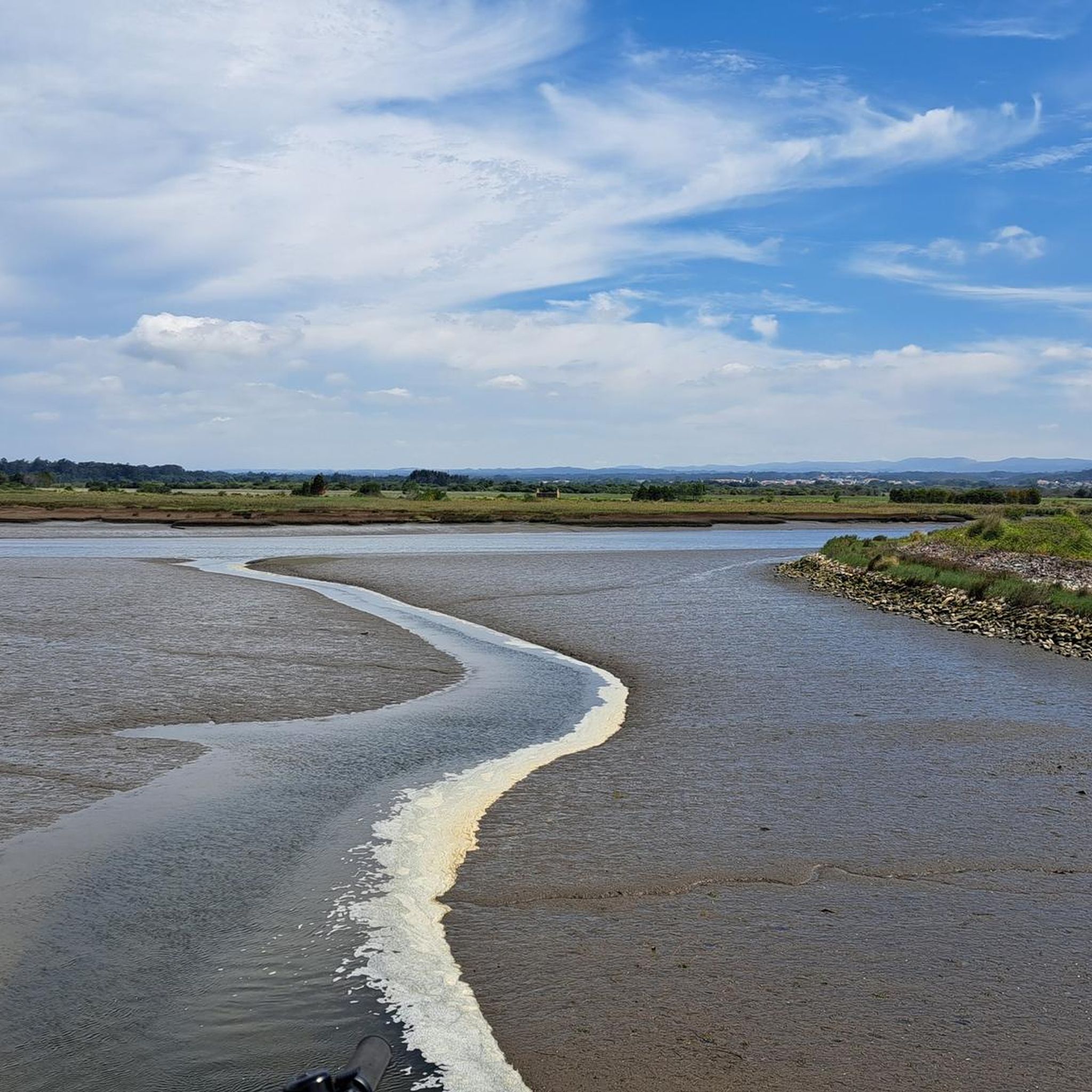
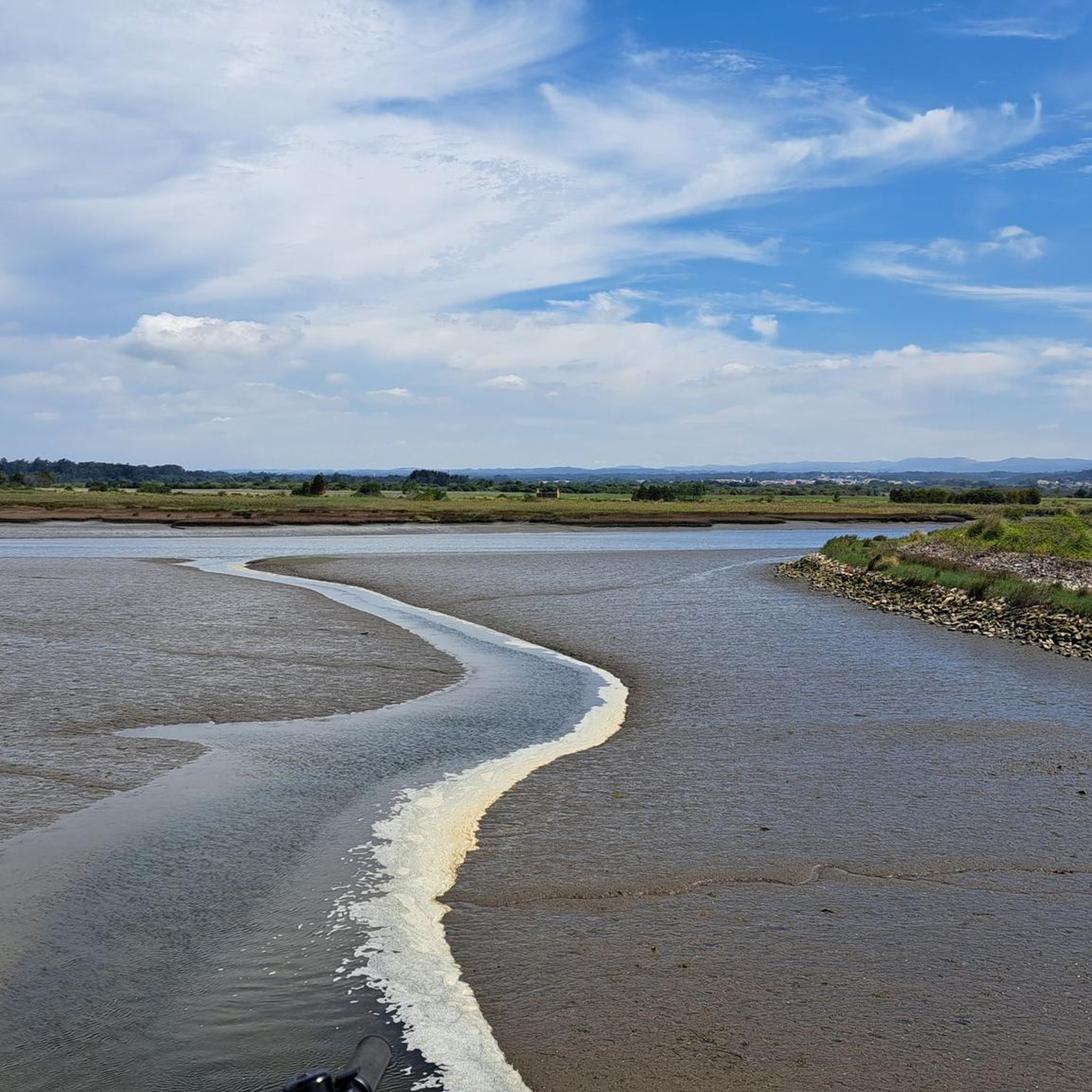
Spectacular view over the river.
1
0

mentioned chapel on route 2.1 is just a left over piece of wall
0
0

It is a very varied, lonely tour through beautiful nature and adjacent small residential areas.
4
0

In this park is the magnificent Cascada da Cabreia, one of the most beautiful waterfalls in Portugal. The waterfall, formed by the waters of the Mau River, has an impressive height of 25 meters and its natural pool is a true delight. On hot days, no one can resist taking a dip in the delicious lagoon that forms at its base. In addition, the environment is surrounded by a lush forest crossed by the crystalline waters of the Mau River, which invites quiet walks and unique moments of contemplation.
4
0

Old train line converted to bike and pedestrian path.
1
2
Frequently Asked Questions
What historical sites can I explore in Talhadas?
Talhadas is rich in history. You can visit the prehistoric megalithic structures of Necrópole Megalítica do Chão Redondo and Anta da Capela dos Mouros, which date back to the Neolithic period. A significant segment of an ancient Roman road also traverses the parish. Additionally, the Poço de S. Tiago Bridge, an impressive 165-meter engineering marvel from the early 20th century, is a notable historical landmark now integrated into the Ecopista do Vouga.
Are there any natural attractions or viewpoints in Talhadas?
Absolutely. The magnificent Cabreia Waterfall on the Mau River is a must-see, boasting an impressive 25-meter drop and a natural pool. You can also explore the unique granite monoliths of Pedras Talhadas and the larger formations on Mount Gralheiro, including a monolith over 20 meters high. For panoramic views, the Serra das Talhadas mountain range offers superb vistas of the surrounding region, including the Freita and Arada mountains, the Atlantic coast, and the Aveiro estuary.
What outdoor activities are popular around Talhadas?
The region is ideal for outdoor enthusiasts. The Ecopista do Vouga, an old railway line converted into a cycle path, provides extensive hiking and cycling trails through forests and rural scenery. You can find various hiking trails, running routes, and road cycling routes catering to different difficulty levels.
Are there family-friendly attractions or activities in Talhadas?
Yes, several attractions are suitable for families. The Cabreia Waterfall offers a beautiful natural setting where families can enjoy a refreshing dip in its natural pool. The Ecopista do Vouga is also family-friendly, providing safe and scenic paths for cycling and walking. The revitalized Paradela Station, now a support hub for the eco-trail, offers amenities like bicycle rental and an environmental interpretation center.
Where can I find facilities or services along the Ecopista do Vouga?
The Paradela Station, once a railway station, has been revitalized into a support hub for the Linha do Vouga eco-trail. It offers changing rooms, bicycle rental and repair, an environmental interpretation center, a restaurant, and a terrace. Another former railway stop, Cedrim Station, was also recovered during the construction of the Ecopista do Vouga.
What is the best time of year to visit Talhadas for outdoor activities?
Talhadas is enjoyable throughout much of the year, but for outdoor activities like hiking and cycling, spring (April to June) and autumn (September to October) offer pleasant temperatures and lush scenery. Summer (July and August) can be warm, making the natural pool at Cabreia Waterfall particularly inviting.
Are there any cultural points of interest or local traditions in Talhadas?
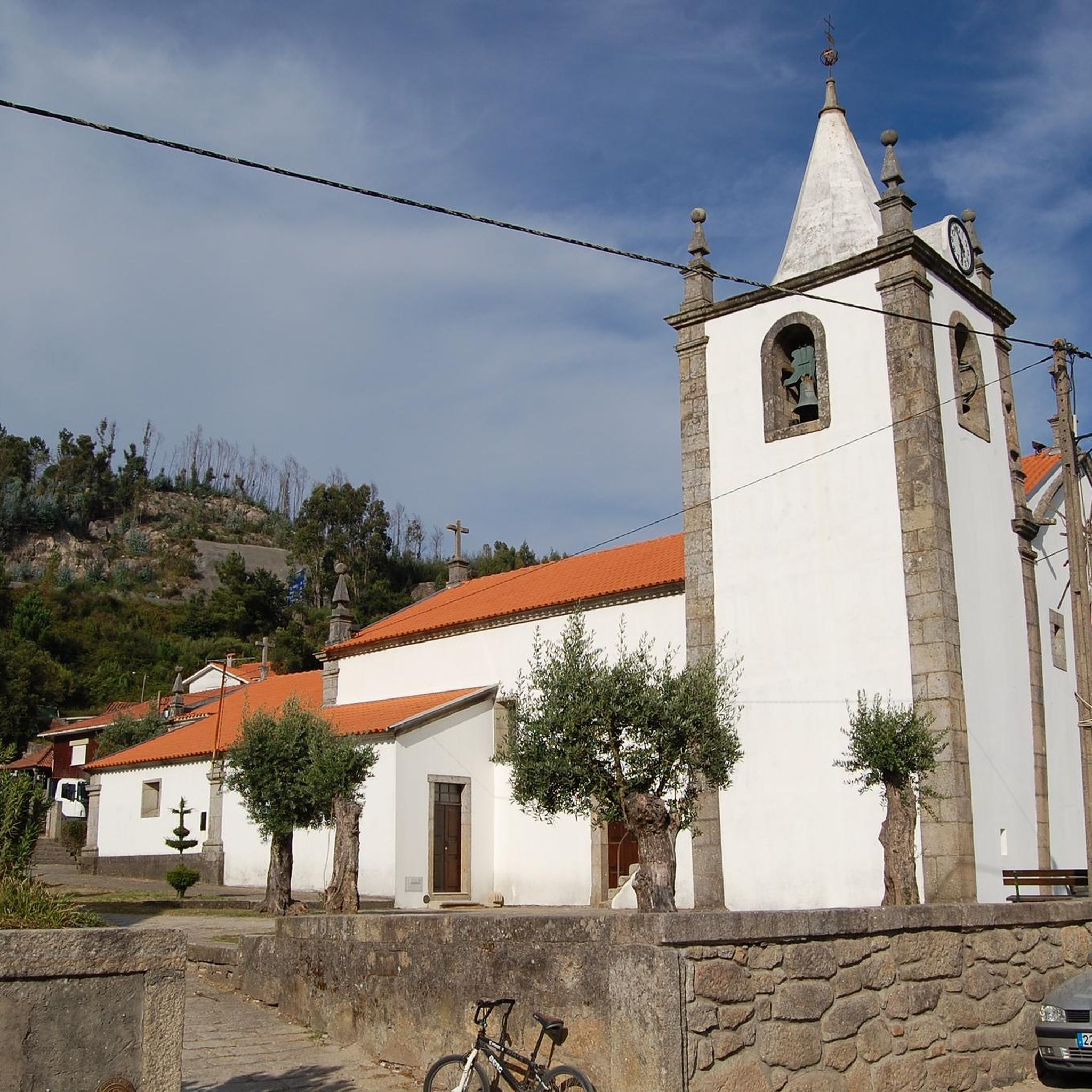
Beyond its archaeological heritage, Talhadas maintains a vibrant cultural identity through local folklore and ethnographic groups. The Church of Nossa Senhora da Graça (Igreja Matriz de Talhadas) features magnificent Baroque-style altarpieces from around 1700, showcasing Portuguese artistic expression. You can also find a granite Cruzeiro, noted for its artistic value within the parish.
Can I go swimming in Talhadas?
Yes, the natural pool at the base of the Cabreia Waterfall is ideal for a refreshing dip on warm days. Additionally, the region features local river beaches such as Fluvial do Alfusqueiro Beach and Praia Fluvial Quinta do Barco, which offer recreational opportunities.
What kind of wildlife and plant life can I expect to see in Talhadas?
The Talhadas mountain area is home to diverse biodiversity. Dominant trees include pedunculate oaks and cork oaks, with natural forests along rivers preserving species like the great spotted woodpecker and various butterflies. Pine forests are also common, where red-legged partridge flocks can be observed, especially in the Vouga River Valley and Serra das Talhadas.
Are there any challenging hiking or cycling routes in the area?
Yes, for those seeking more challenging routes, Talhadas offers options. For example, the road cycling routes around Talhadas include difficult options like the circular route from Talhadas to São João do Monte, spanning over 71 km. Similarly, some running trails, such as the Ribeiradio Dam loop from Sever do Vouga, are classified as difficult.
What are the unique geological features of Talhadas?
Talhadas is named after its unique geological formations. The Pedras Talhadas are two distinct granite monoliths that settled in a curious harmonious arrangement, believed by legend to have been formed during an earthquake. In the hills of Talhadas, on Mount Gralheiro, you can find even larger granite forms, including a monolith over 20 meters high and an intriguing Inverted Cone monolith.
Most popular routes around Talhadas

Get inspired with the komoot mobile app


Explore more
Still not found the Highlight you’re looking for? See guides of the top attractions in other regions:
