Attractions and Places To See around Vila De Cucujães - Top 16
Best attractions and places to see around Vila De Cucujães include a mix of historical, cultural, and natural sites. This civil parish, located within the municipality of Oliveira de Azeméis, offers visitors opportunities to explore its heritage. The area features ancient landmarks, religious architecture, and cultural institutions. Visitors can discover a variety of attractions that reflect the region's past and present.
Best attractions and places to see around Vila De Cucujães
- The most popular attractions is Ovar Town Centre,…
Last updated: August 25, 2026
Ovar Town Centre
Highlight • Settlement

Igreja Matriz de Oliveira de Azeméis
Highlight • Religious Site
Translated by Google •
Tip by

Sign up now to discover places like this
Get recommendations on the best single tracks, peaks, & plenty of other exciting outdoor places.
Sign up for free
Main Church of Santa Maria da Feira
Highlight • Religious Site
Tip by

Castle of Santa Maria da Feira
Highlight • Castle
Translated by Google •
Tip by
Pinheiro da Bemposta
Highlight • Settlement
Translated by Google •
Tip by
Sign up for free to discover even more attractions around Vila De Cucujães.
Sign up for free
Already have an account?
Start today with a free account
Your next adventure awaits.
Login or Signup


Tips from the Community


Santa Maria da Feira is a municipality located in the district of Aveiro, in Portugal. Known for: Tourist Attractions 1. Santa Maria da Feira Castle (11th century) 2. Republic Square (historical center) 3. Santa Maria da Feira Parish Church (18th century) 4. Santa Maria da Feira Municipal Museum 5. Feira Municipal Park Events 1. Senhor da Pedra Festival (June) 2. International Crafts Fair (July) 3. Santa Maria da Feira Music Festival (August) 4. Our Lady of the Assumption Festival (August) Gastronomy 1. Caldo verde 2. Bacalhau à brás 3. Arroz de pato 4. Farturas (traditional sweets) 5. Vinho verde Practical Information 1. Population: approximately 143,000 inhabitants 2. Area: 213.45 km² 3. Postal code: 3700 4. Telephone code: 256 How to get there 1. Porto Airport (OPO) - 30 km 2. A1 Motorway (Lisbon-Porto) 3. EN1 Motorway (Aveiro-Porto)
1
0

The Feira Castle is a landmark of medieval military architecture, standing out for its defensive diversity. Its history dates back to prehistory and pagan worship, with emphasis on the Reconquista and the Crisis of 1383-1385. The castle houses a chapel and a baroque chaplaincy house and was classified as a National Monument in 1910.
1
0
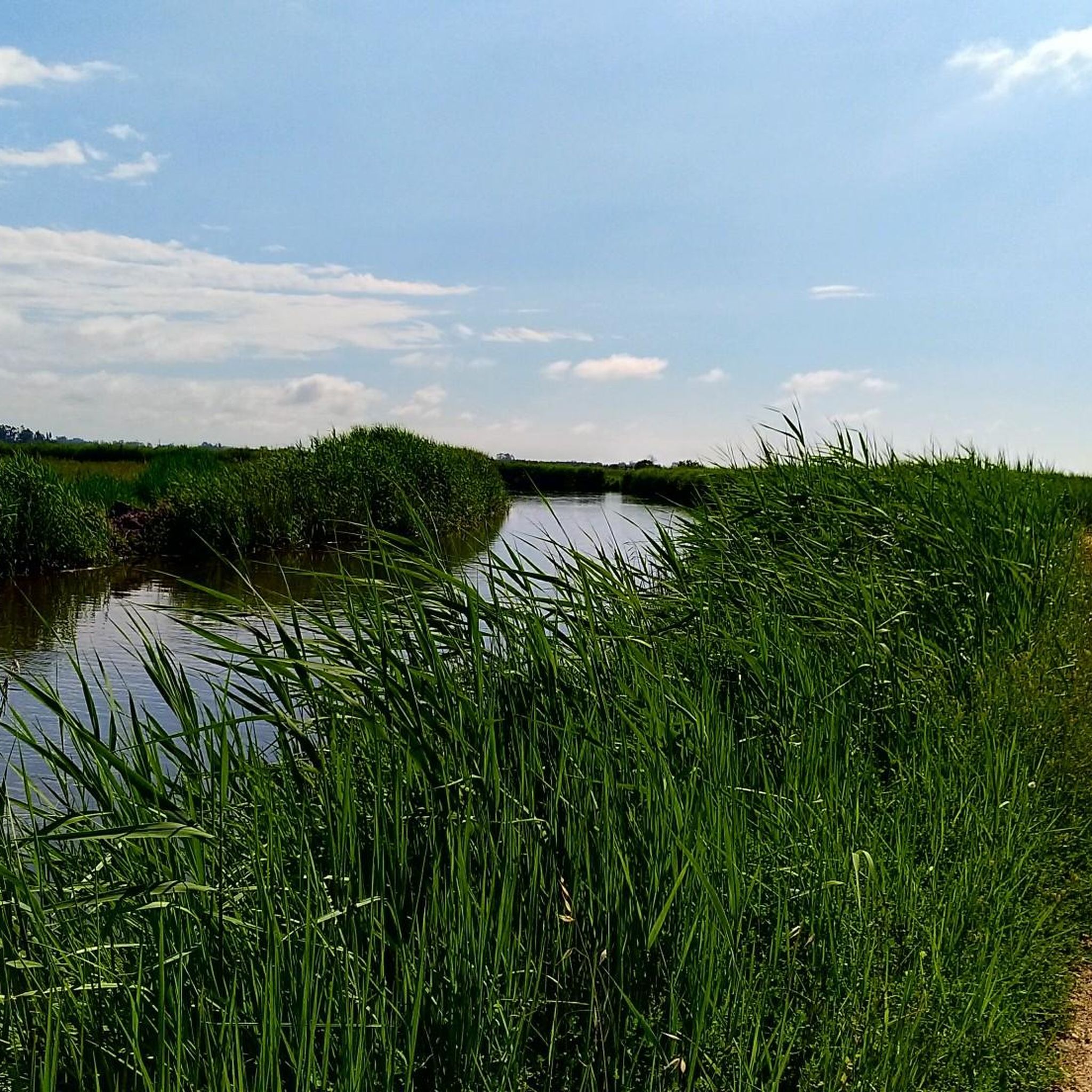
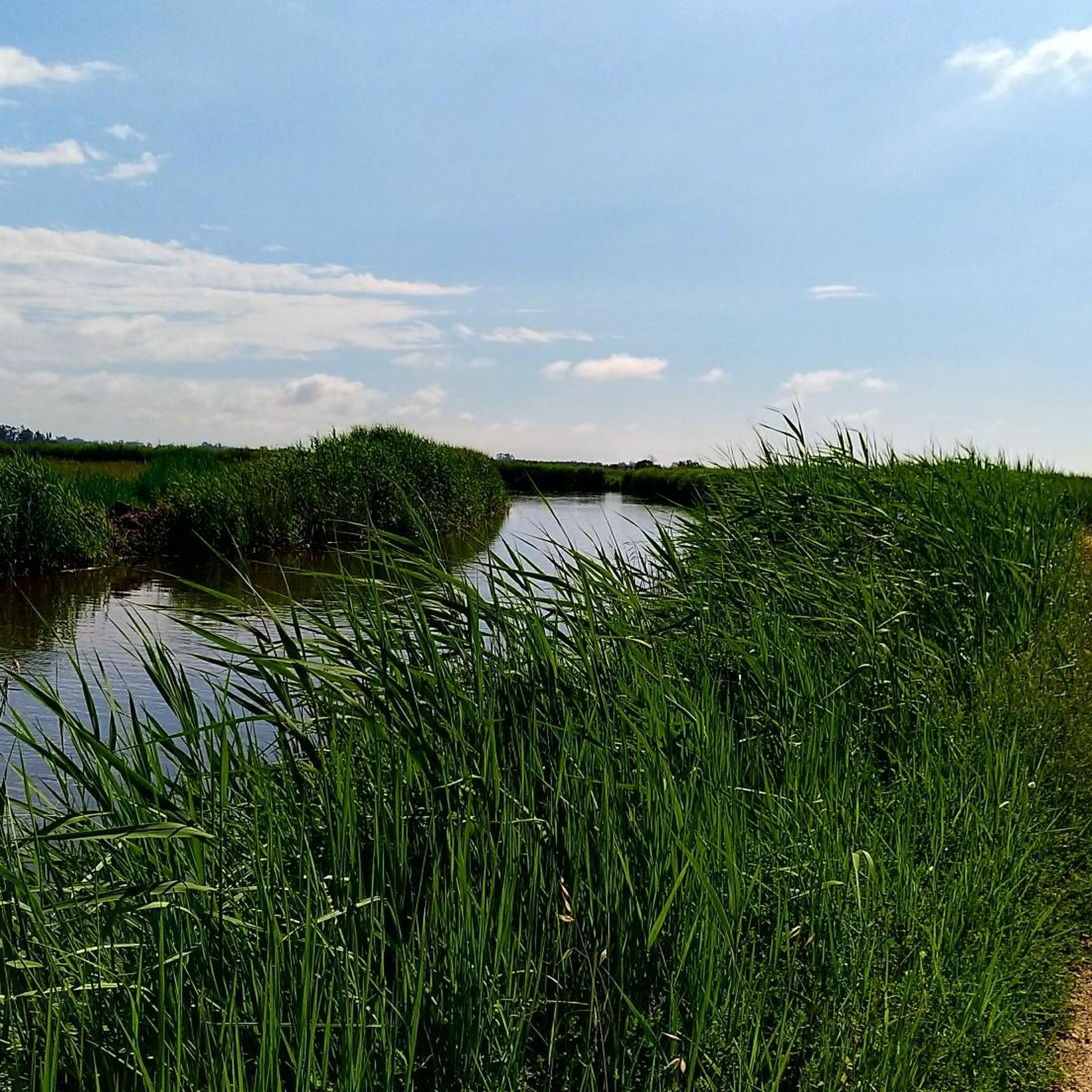
Ovar, blessed by nature, presents varied scenarios with the estuary, sea and forest. Highlights include Blue Flag beaches, the biodiversity of the Buçaquinho Environmental Park and outdoor activities such as surfing and stand-up paddleboarding. The cultural richness is evident in the decorative tiles and religious heritage, with emphasis on the Churches of Válega and Cortegaça. The municipality is also known for its vibrant cultural and gastronomic life, including the famous Pão-de-Ló de Ovar.
1
0
The Oliveira de Azeméis Parish Church, dating from the beginning of the 18th century, displays late-Mannerist architecture, with a longitudinal plan and two bell towers. It stands out for its austere exterior, with artistic tiles and a sculpture of Saint Michael fighting evil. Its interior is marked by a single nave, gilded altarpieces and a screen representing the Resurrection of Marques de Oliveira.
1
0
Pinheiro da Bemposta, is located between the Antuã and Caima rivers. Its history goes back to D. Teresa, mother of D. Afonso Henriques. The Cruzeiro do Pinheiro da Bemposta, right in the center of the village, and the Chapel of Nossa Senhora da Ribeira stand out. Pinheiro da Bemposta is on the Portuguese route to Santiago.
0
0


Frequently Asked Questions
What historical sites can I visit in Vila de Cucujães?
Vila de Cucujães offers several historical sites. You can explore the Mosteiro de Cucujães, a religious complex with Baroque architecture dating back to the 11th-13th centuries. Another notable site is the Ponte da Pica, a Romanesque bridge from the same period, recognized as a public interest property. Additionally, you can walk along the Calçada da Pica, a section of an ancient Roman road.
Are there any museums or cultural institutions in Vila de Cucujães?
Yes, the Regional Museum of Cucujães (Museu Regional de Cucujães), inaugurated in 2002, houses a rich collection of traditional tools, regional costumes, and archaeological artifacts, offering insights into local history. Vila de Cucujães also has a strong cultural tradition represented by the Sociedade Filarmónica Cucujanense, established in 1891.
Where can I find green spaces or parks near Vila de Cucujães?
While not directly in Vila de Cucujães, La Salette Park in the wider Oliveira de Azeméis area is a significant green space perfect for outdoor activities and relaxation. For more outdoor options, consider exploring the natural landscapes around Ovar Town Centre, which features an estuary, sea, forest, and the Buçaquinho Environmental Park.
What outdoor activities are available around Vila de Cucujães?
The region around Vila de Cucujães offers various outdoor activities. You can find several options for easy hikes, including routes like the Amália Park – Pedestrian Bridge loop. For those who enjoy running, there are running trails, and cyclists can explore various road cycling routes in the broader area.
Are there family-friendly attractions in the wider Oliveira de Azeméis area?
Yes, families can enjoy the Parque Temático Molinológico, a theme park located in the broader Oliveira de Azeméis region. Additionally, the Castle of Santa Maria da Feira is a family-friendly historical site, and Ovar Town Centre offers natural spaces like the Buçaquinho Environmental Park suitable for all ages.
What are some notable attractions in the surrounding municipality of Oliveira de Azeméis?
Beyond Vila de Cucujães, the municipality of Oliveira de Azeméis features the Igreja Matriz de Oliveira de Azeméis, an early 18th-century church with late-Mannerist architecture. You can also visit the Ferreira de Castro House to learn about the history of Ossela, and the Parque Temático Molinológico for family entertainment.
What can I explore in Ovar Town Centre?
Ovar Town Centre is known for its diverse natural landscapes, including an estuary, sea, and forest, along with Blue Flag beaches. It also boasts the biodiversity of the Buçaquinho Environmental Park. Culturally, Ovar is rich in decorative tiles and religious heritage, with notable churches like those in Válega and Cortegaça.
Is there a medieval castle nearby?
Yes, the Castle of Santa Maria da Feira is a significant medieval military architectural landmark located nearby. Its history dates back to prehistory and played a crucial role during the Reconquista.
Are there any accessible attractions in Vila de Cucujães for visitors with mobility needs?
While specific accessibility details for all sites in Vila de Cucujães are not extensively documented, Ovar Town Centre, a nearby highlight, is noted as being wheelchair accessible, offering a broader area to explore for visitors with mobility needs.
What is the significance of the Mosteiro de Cucujães?
The Mosteiro de Cucujães, also known as the Monastery of São Martinho do Couto, is a significant religious architectural complex. Dating from the 11th to 13th centuries, its current structure largely reflects 18th-century Baroque design, featuring a longitudinal church plan, chancel, bell tower, and monastery buildings arranged around a quadrangular cloister.
What do visitors enjoy the most about the attractions around Vila de Cucujães?
Visitors appreciate the blend of historical, cultural, and natural sites. Highlights like Ovar Town Centre are praised for their natural beauty and cultural richness, while the Igreja Matriz de Oliveira de Azeméis is admired for its architecture and artistic details. The region's historical depth, from ancient Roman roads to medieval castles, also draws significant interest.
Can I see ancient Roman structures in the area?
Yes, you can walk along the Calçada da Pica, which is a section of an ancient Roman road mentioned in the Antonine Itineraries, offering a glimpse into the region's ancient past.

Get inspired with the komoot mobile app


Explore more
Still not found the Highlight you’re looking for? See guides of the top attractions in other regions:
