The best cycling routes around Travanca
4.4
(18)
350
riders
32
rides
Touring cycling around Travanca, situated in Portugal, offers diverse landscapes ranging from rolling hills and river valleys to coastal areas. The region provides varied terrain suitable for different cycling preferences, including both paved and unpaved sections. Cyclists can expect routes that traverse natural parks and scenic riverine environments, characteristic of the broader Bragança District. This area combines natural beauty with access to historic villages and cultural points of interest.
Best touring cycling routes around Travanca
- The most popular touring cycling…
Last updated: July 14, 2026
23
riders
59.6km
04:22
1,320m
1,320m
Hard bike ride. Very good fitness required. Mostly paved surfaces. Suitable for all skill levels.
11
riders
88.9km
06:34
1,910m
1,910m
Hard bike ride. Very good fitness required. Mostly paved surfaces. Suitable for all skill levels.

Sign up for free
8
riders
48.8km
03:07
510m
510m
Hard bike ride. Very good fitness required. Mostly paved surfaces. Suitable for all skill levels.
4
riders
Moderate bike ride. Good fitness required. Mostly paved surfaces. Suitable for all skill levels.
4
riders
54.7km
03:23
440m
440m
Moderate bike ride. Good fitness required. Mostly paved surfaces. Suitable for all skill levels.
Get access to more routes and recommendations from other explorers.
Sign up for free
Already have an account?
Our route recommendations are based on thousands of hikes, rides, and runs completed by other people on komoot.
Start today with a free account
Your next adventure awaits.
Login or Signup

Tips from the Community

Well, it doesn't really have any flair. There are some small historic buildings that seem crammed in.
3
0

Industrial chimney that nature used to support a stork's nest
0
0


Water supply point, or stop for a coffee 👌🏼
0
0
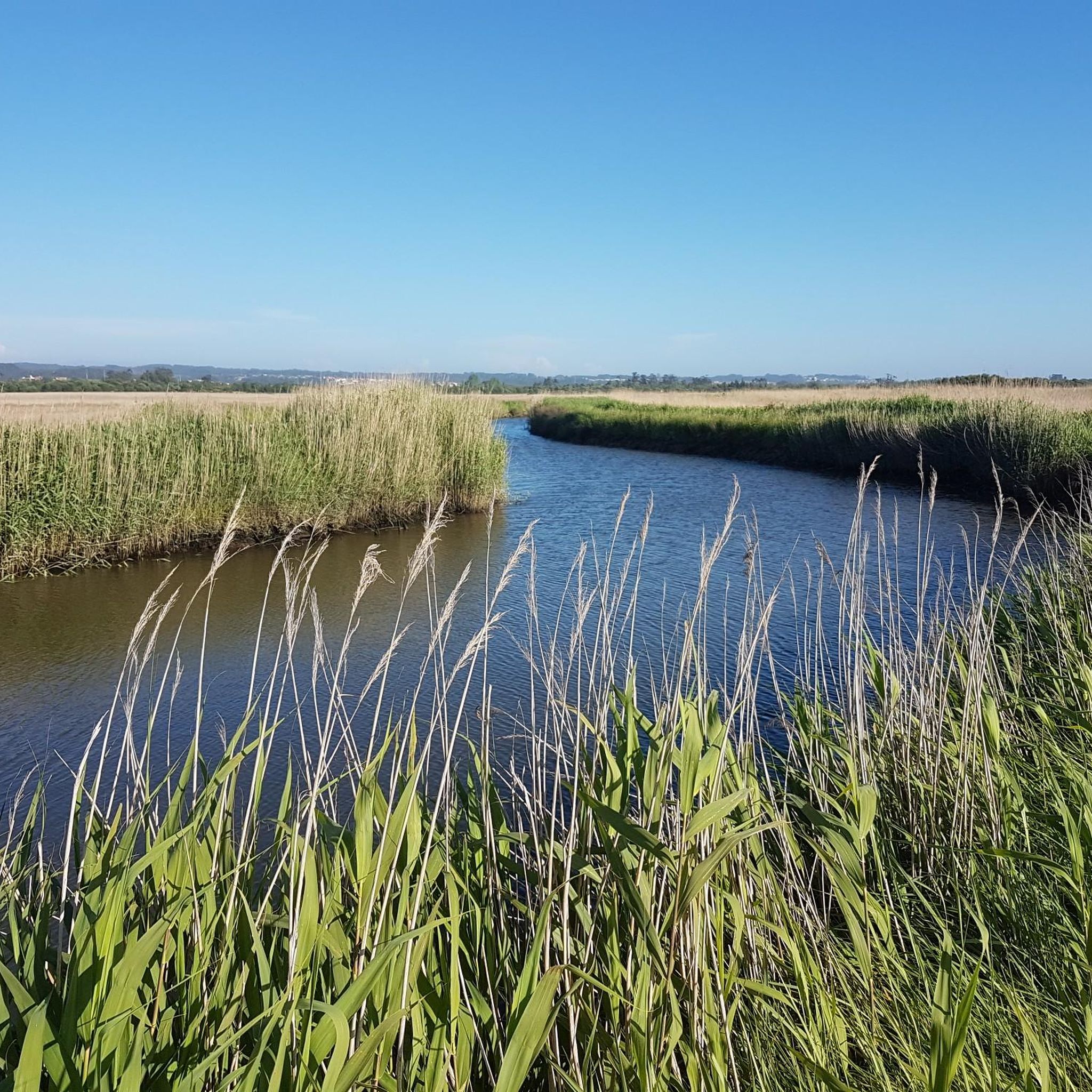
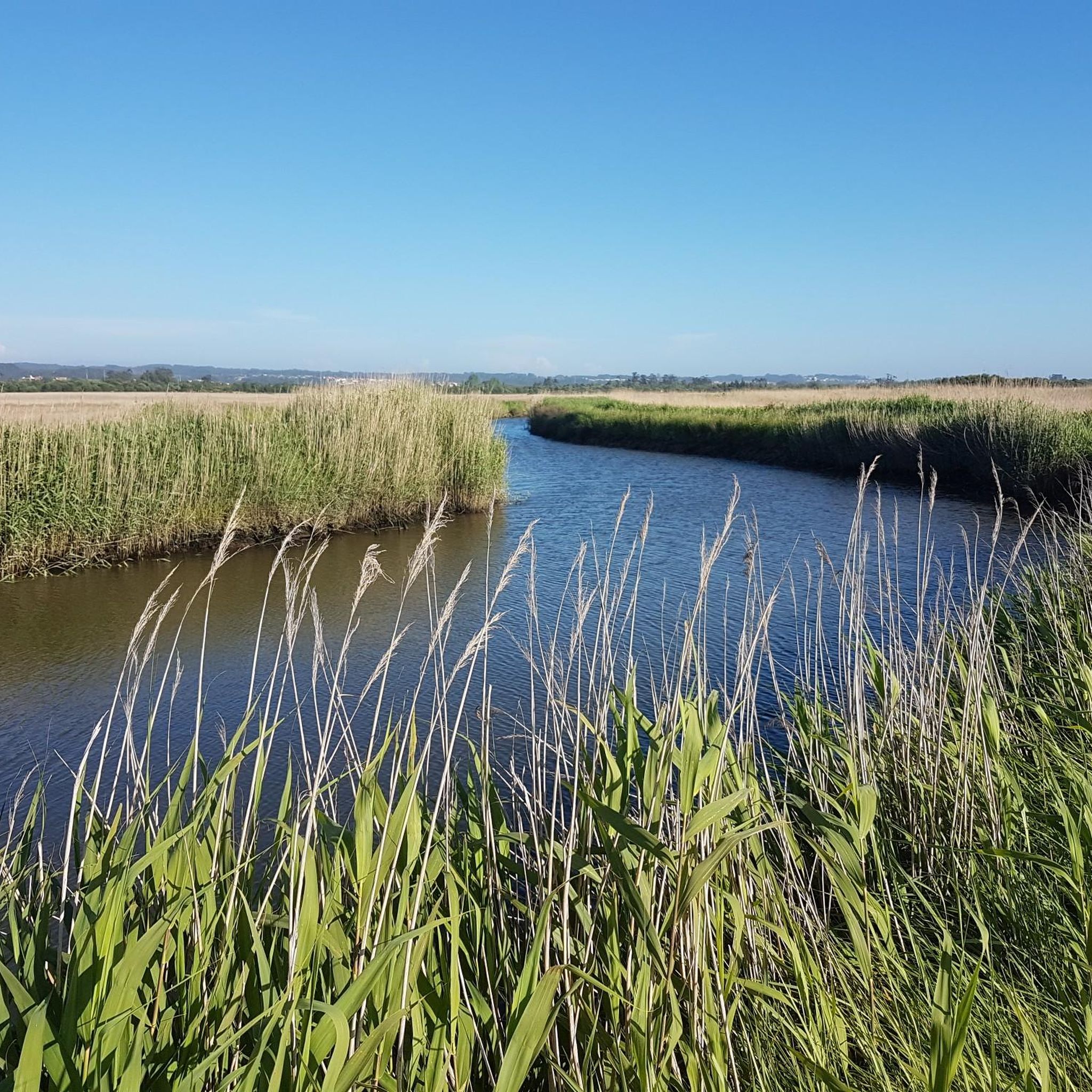
The Ria de Aveiro, also known as Foz do Vouga, is a lagoon that exists in the region of Aveiro, between Ovar and Mira. It is a shallow coastal lagoon with extensive intertidal zones, extending inland from Portugal, parallel to the Atlantic Ocean, over a length of 45 kilometres and a maximum width of 11 kilometres. Its area runs through two districts (Aveiro and Coimbra) and the towns of Aveiro, Estarreja, Ílhavo, Mira, Murtosa, Ovar and Vagos. The estuary is divided into three channels/zones: the Ovar Channel, the Ílhavo Channel and the Mira Channel.
0
0
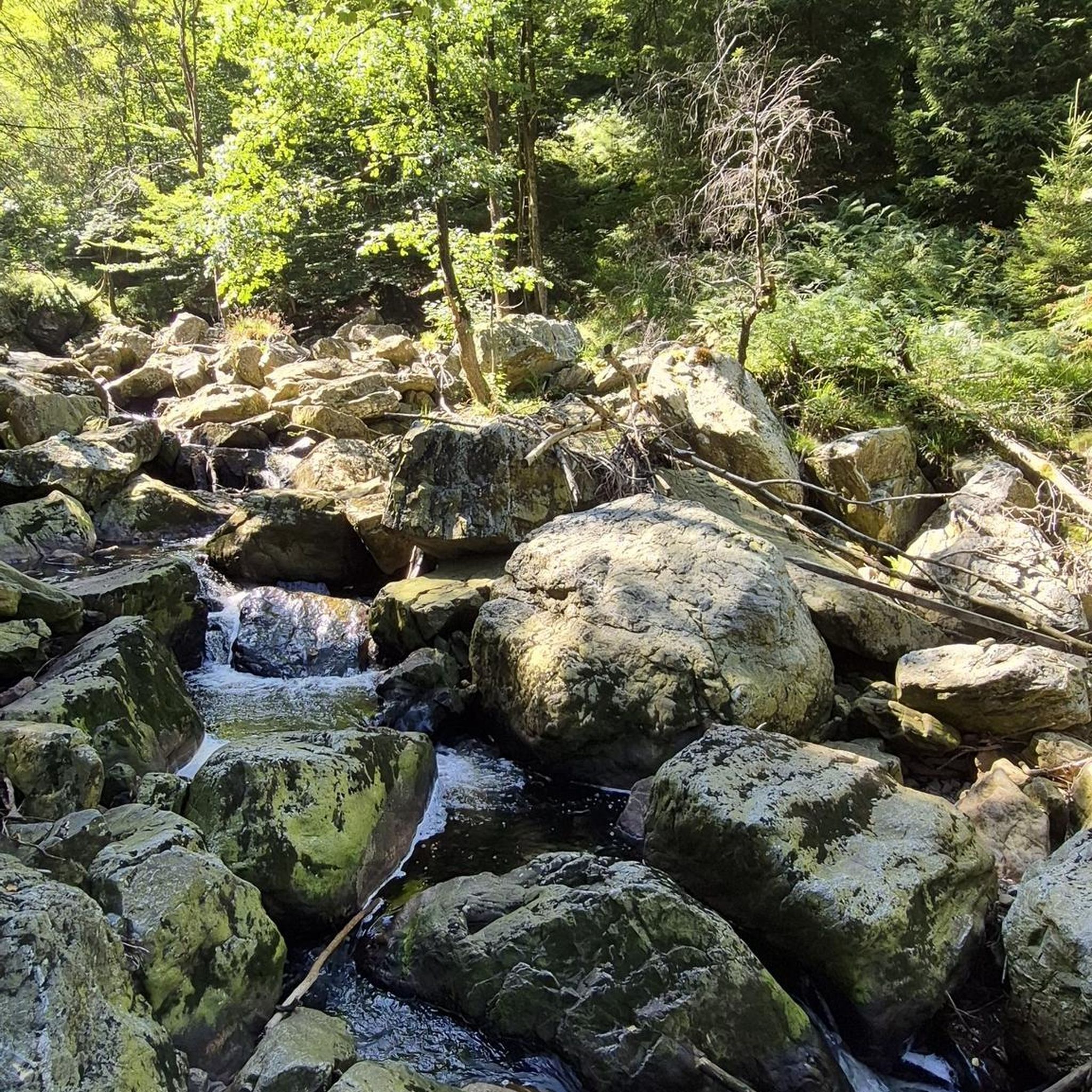
natural pool of the Caimão River with leisure area where you can spend a good day by the river
0
0


Estarreja is known for the Ria de Aveiro, the annual Carnival and Foral do Antuã of D. Manuel I and for its unique urban art. At the ESTAU Festival, started by the artist Bordallo II, artists from all over the world transform the city with murals and installations inspired by local culture. In the link below you can find all the murals in Estarreja: cm-estarreja.pt/estau
0
0
Frequently Asked Questions
How many touring cycling routes are available around Travanca?
There are over 35 touring cycling routes around Travanca, offering a variety of experiences for cyclists. These routes are highly rated by the komoot community, with an average score of 4.6 stars.
Are there any easy touring cycling routes suitable for beginners or families in Travanca?
While many routes around Travanca are rated as moderate or difficult due to elevation changes, there are options that cater to varying skill levels. For a moderate ride, consider the View of Ria de Aveiro – Stork Nest in Ria de Aveiro loop from Oliveira de Azeméis, which covers 57 km with less intense climbing compared to other routes.
What kind of terrain can I expect on touring cycling routes in Travanca?
Travanca's touring cycling routes offer diverse terrain, from rolling hills and river valleys to coastal paths. You'll find a mix of paved and unpaved sections, characteristic of the broader Bragança District. The region's varied topography provides both challenging climbs and scenic stretches.
Are there any circular touring cycling routes around Travanca?
Yes, many routes around Travanca are circular, allowing you to start and end at the same point. For example, the challenging Ascent of Pico do Gralheiro from Oliveira de Azeméis — circular route is a popular option, offering significant elevation gain over 59.6 km.
What are some interesting landmarks or attractions I can see along the touring cycling routes?
The region around Travanca offers several points of interest. You might encounter historical sites like the St. Gonçalo Bridge in Amarante, known for its Roman origins. For natural beauty, consider routes that pass near the Cabreia Waterfall or explore the Arouca region, known for its natural features. Other attractions include the Igreja Matriz de Oliveira de Azeméis and the Urban Art Murals of Estarreja.
Are there any routes that offer coastal views or pass through urban centers?
Yes, some routes combine coastal and urban landscapes. The Praia do Furadouro – Ovar Town Centre loop from Oliveira de Azeméis is a great example, leading you through both seaside areas and town centers over 48.8 km.
What is the best time of year to go touring cycling in Travanca?
Portugal generally offers wonderful natural conditions for cycling tourism. The varied landscapes, from coastal areas to river valleys, can be enjoyed across different seasons. Spring and autumn typically provide pleasant temperatures for cycling, avoiding the peak heat of summer.
Are there any challenging touring cycling routes for experienced riders?
Absolutely. Travanca offers several challenging routes with significant elevation gain. The Arouca Town Center – Felgueira Village loop from Santiago de Riba-Ul is a difficult 88.9 km path with substantial climbing, passing through the scenic Arouca region.
What do other touring cyclists enjoy most about cycling in Travanca?
The area is highly rated by the komoot community, with an average score of 4.6 stars from over 20 reviews. Cyclists often praise the diverse landscapes, from rolling hills to river valleys, and the opportunity to explore both natural beauty and historic villages.
Can I find routes that follow river valleys in the Travanca area?
Yes, the region is characterized by river valleys. The Paiva River, known for its crystal-clear waters and passage through the Arouca UNESCO Global Geopark, influences the landscape, and you can find scenic cycling paths along riverine environments.
Are there any routes that connect Travanca with other towns like Amarante?
While specific direct routes from Travanca to Amarante are not highlighted in the top routes, the broader region offers connections between towns. Amarante itself is a historic town with Roman origins, making it a cultural point of interest for cyclists exploring the area.
What kind of natural features can I expect to see on the routes?
The routes around Travanca traverse diverse natural features, including rolling hills, river valleys, and areas within natural parks. You can expect picturesque views, especially in regions like the Bragança District, which is known for its natural beauty.
Most popular routes around Travanca
Most popular attractions around Travanca

Get inspired with the komoot mobile app


Explore more
Browse the best Cycling routes in other regions.
