Attractions and Places To See around Arouca e Burgo e Burgo e Burgo - Top 20
Attractions and places to see around Arouca e Burgo e Burgo e Burgo feature a diverse landscape characterized by the Paiva River gorge and significant natural monuments. This region in Portugal is home to the Arouca Geopark, known for its geological heritage including trilobite fossils. Visitors can explore a mix of natural wonders and historical sites, offering various outdoor activities. The area provides opportunities for easy hiking trails Arouca e Burgo and exploring unique man-made structures.
Best attractions and places…
Last updated: May 5, 2026
Paiva Walkways and 516 Arouca Suspension Bridge
Highlight • Bridge
Translated by Google •
Tip by

Paiva Walkways
Highlight • Trail
Translated by Google •
Tip by

Sign up now to discover places like this
Get recommendations on the best single tracks, peaks, & plenty of other exciting outdoor places.
Sign up for free
Paiva Walkways Wooden Boardwalks
Highlight • Trail
Translated by Google •
Tip by

Translated by Google •
Tip by

Arouca 516 Suspension Bridge
Highlight • Bridge
Translated by Google •
Tip by
Sign up for free to discover even more attractions around Arouca e Burgo e Burgo e Burgo.
Sign up for free
Already have an account?
Start today with a free account
Your next adventure awaits.
Login or Signup
Tips from the Community

Starting point A is not safely located. It leads through impassable terrain or over non-existent paths. We aborted our descent from the bridge (Highlight 1) to starting point A and, thanks to the friendly guides at the bridge, were able to use it for the safe return to our car. Anyone who wants to do the whole loop should book a ticket for crossing the bridge in advance. Attention: limited ticket contingent per day.
0
0

Pay attention to the opening hours and online payment if you want to use the footbridge.
1
0

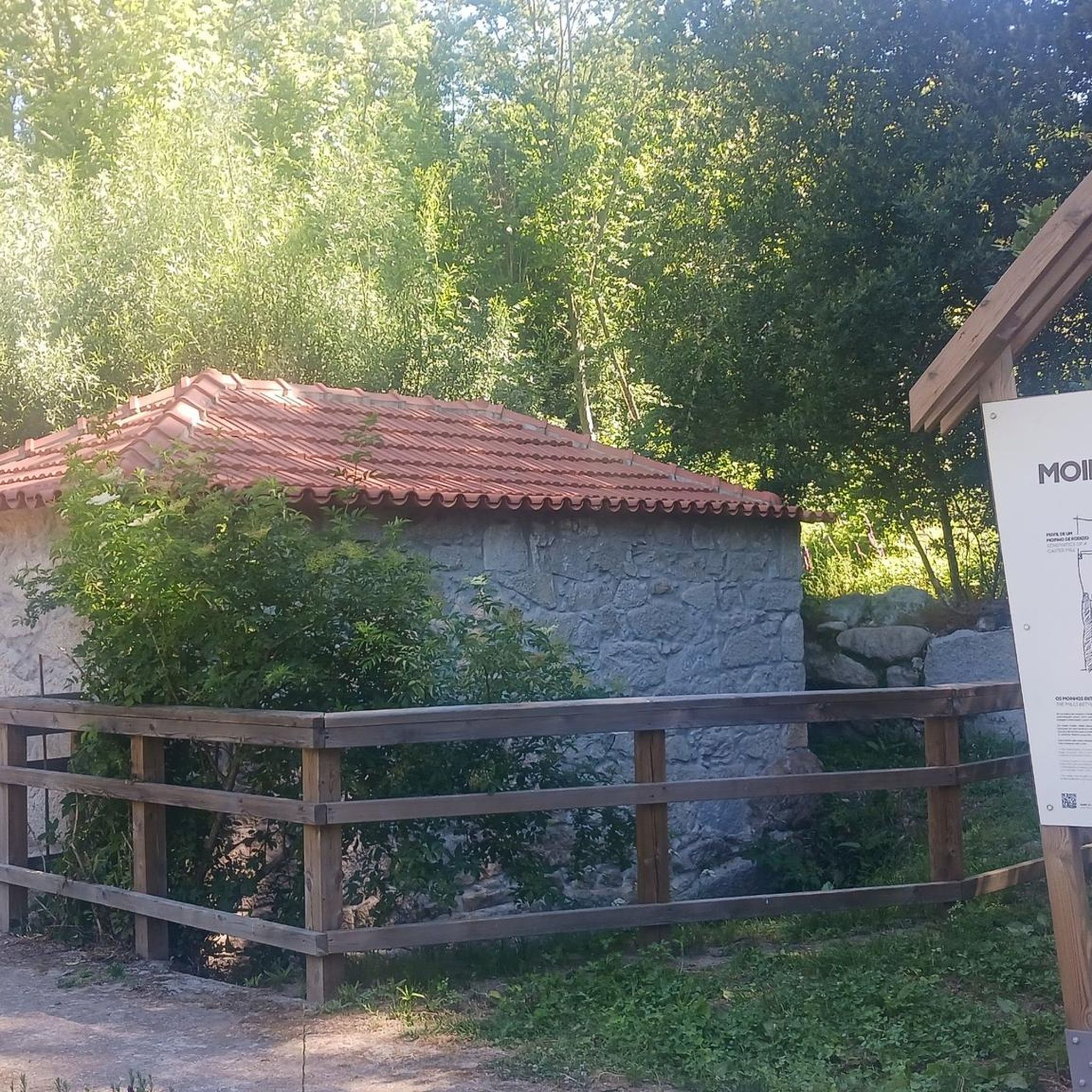
This small suspended walkway appears discreetly along the wooden path that leads to the imposing 516 Arouca bridge. Here, you cross the Paiva River in a more intimate and serene way, feeling the water flowing below while the sounds of nature surround you. A kind of charming appetizer before the great spectacle of the main crossing.
1
0

If you cross the bridge at Alvarenga and then take the wooden walkway along the Rio Paiva to Espiunca, you should remember that you will need a taxi from there back to the starting point. A later return via the Arouca bridge is not possible. However, if you just want to walk across the bridge and back, this is no problem with your ticket booking (online). The Alvarenga side is recommended for people who want to avoid the many wooden steps and just want the pure bridge experience.
9
3

After the forest fires on September 24, only the bridge is still open. Hopefully the repairs will go quickly.
5
0

Beautiful "wooden path" with impressive views. There are lots of stairs to climb up and down, especially the way back has to be taken into account, or halfway there at 2.5km (from the entrance) you can order a taxi from the nice guy. The suspension bridge is impressive... all in all a great experience with swimming opportunities to cool off... we were there at 39*. Part of the path is shaded.
4
0

When it rains, the wood is a little slippery despite the grooves, so just be a little more careful, but there is a railing so you can hold on. You have to climb around 500 steps to get to the top and not far from the next attraction, the bridge itself.
13
3

Wikipedia: 516 Arouca is a pedestrian bridge in Arouca in northern Portugal, which is constructed as a suspension bridge. At 516 m long, it replaces the 494 m long Charles Kuonen Suspension Bridge (Valais, Switzerland) as the pedestrian bridge with the longest span in the world. It crosses the gorge of the Paiva River at a height of 175 m. Planning began in 2016, construction began in 2017. Due to execution problems and geological difficulties, the originally planned location of the bridge had to be relocated. The bridge was completed in July 2020. The construction costs were around 2.1 million euros. The opening was set for May 2, 2021 The claim about the longest bridge is no longer true. The Sky Bridge 721 in the Czech Republic is now the record holder.
3
1
Frequently Asked Questions
What are the best outdoor activities to do in Arouca e Burgo?
The region offers a variety of outdoor activities centered around its natural beauty. A must-do is exploring the Paiva Walkways, an 8 km wooden boardwalk along the Paiva River, often combined with a visit to the impressive 516 Arouca Suspension Bridge. Beyond hiking, you can also find numerous routes for mountain biking, road cycling, and touring bicycles. For example, the MTB Trails around Arouca e Burgo guide offers options like the GR60 trail.
Are there easy hiking trails suitable for beginners or families in Arouca e Burgo?
While the Paiva Walkways involve some stairs and can be challenging, especially the return, they are generally accessible. For a focus on the bridge experience with fewer wooden steps, consider accessing the Arouca 516 Suspension Bridge from the Alvarenga Entrance. The Arouca Geopark also features various trails, some of which are less strenuous. Always check specific trail details for difficulty before heading out.
Can I go wild swimming or find places to cool off near the attractions?
Yes, the Paiva River offers opportunities for cooling off. Along the Paiva Walkways, visitors have noted swimming opportunities. The Gola do Salto (Rio Paiva) is another spot on the river, known for its rapids and where kayak tours are organized, suggesting water access.
What is the best time of year to visit Arouca e Burgo?
The region is enjoyable throughout much of the year. Spring and autumn offer pleasant temperatures for hiking and outdoor activities, with fewer crowds than peak summer. If visiting in summer, be prepared for potentially high temperatures (e.g., 39°C has been noted), and plan activities for cooler parts of the day. Booking tickets for popular attractions like the 516 Arouca Suspension Bridge in advance is always recommended, regardless of the season.
Is parking available for the main attractions like the Paiva Walkways and 516 Arouca Suspension Bridge?
Yes, parking is available at the entrances to the Paiva Walkways and the 516 Arouca Suspension Bridge. For the Paiva Walkways, taxis are often available at the end of the 8 km route to take you back to the starting point or parking lot, costing around 15€.
What cultural or historical sites can I visit in the Arouca e Burgo region?
The Arouca Town Center is a significant cultural and historical site. Here you'll find the Arouca Monastery, an architectural landmark, and picturesque streets. The town is also known for its local gastronomy, including traditional convent sweets. The broader Arouca Geopark, while primarily natural, also highlights geological heritage, including trilobite fossils, which offers a historical perspective on the Earth itself.
What should I wear for hiking in Arouca e Burgo, especially in summer?
Given the potential for high temperatures in summer, lightweight, breathable clothing is advisable. Comfortable hiking shoes are essential due to the wooden paths and numerous stairs on trails like the Paiva Walkways. Don't forget sun protection like a hat, sunglasses, and sunscreen, and carry plenty of water. Some parts of the paths may offer shade, but exposure can be significant.
Are there any less crowded natural spots or trails to explore away from the main attractions?
While the Paiva Walkways and 516 Arouca Suspension Bridge are popular, the Arouca Geopark is vast. Exploring areas around the Gola do Salto (Rio Paiva) can offer a different perspective of the river. Additionally, the region has numerous other trails for hiking and cycling that might be less frequented, such as those detailed in the Cycling around Arouca e Burgo guide.
What is the length of the main trails in Arouca e Burgo?
The Paiva Walkways offer an 8 km route. If you choose to walk the entire length and back, it would be 16 km. The experience of crossing the 516 Arouca Suspension Bridge itself is 516 meters. Many visitors combine these, and the total time spent can be up to 2.5 hours for the walkways depending on your condition.
What do visitors enjoy most about Arouca e Burgo?
Visitors consistently praise the impressive views and the unique experience of the 516 Arouca Suspension Bridge and the scenic Paiva Walkways. The natural beauty of the Paiva River gorge, often compared to the Alps, is a major draw. The charm of the Arouca Town Center, with its historical monastery and local gastronomy, also receives high marks.
Are there cycling routes available near the attractions in Arouca e Burgo?
Yes, the region is well-suited for cycling. You can find various routes for different cycling styles. For mountain biking, check out the MTB Trails around Arouca e Burgo. Road cyclists can explore options in the Road Cycling Routes around Arouca e Burgo guide, while touring cyclists have choices in the Cycling around Arouca e Burgo guide, including routes like the Ecovia do Rio Arda.
What kind of natural monuments can I see in the Arouca e Burgo region?
The region is part of the Arouca Geopark, recognized for its significant geological heritage. Key natural monuments include the dramatic gorge of the Paiva River, which the Paiva Walkways traverse, and the rapids at Gola do Salto. The area is also famous for its trilobite fossils, highlighting its ancient geological past.
Most popular routes around Arouca e Burgo e Burgo e Burgo
Most popular attractions around Arouca e Burgo e Burgo e Burgo

Get inspired with the komoot mobile app


Explore more
Still not found the Highlight you’re looking for? See guides of the top attractions in other regions:
