Top 6 Castles around Marschacht
Castles around Marschacht provide insights into the region's historical architecture, featuring archaeological sites and former pleasure grounds. This area in Germany is characterized by its historical significance, offering remnants of structures that once played a role in the past. Visitors can explore various historical sites near Marschacht, understanding historical landscape design and the evolution of fortifications.
Best castles around Marschacht
- The most popular castles is Motte and pleasure palace Juliusburg, a historical site that features a medieval tower hill…
Last updated: July 8, 2026
Winsen Castle (Schloss Winsen)
Highlight • Castle
Translated by Google •
Tip by

Winsen Castle Park
Highlight • Castle
Translated by Google •
Tip by

Sign up now to discover places like this
Get recommendations on the best single tracks, peaks, & plenty of other exciting outdoor places.
Sign up for free
Motte and pleasure palace Juliusburg
Highlight • Historical Site
Translated by Google •
Tip by

Edmundsthal Water Tower with Observation Tower
Highlight • Monument
Translated by Google •
Tip by

View of Winsen Castle and St Mary's Church
Highlight • Viewpoint
Translated by Google •
Tip by

Start today with a free account
Your next adventure awaits.
Login or Signup
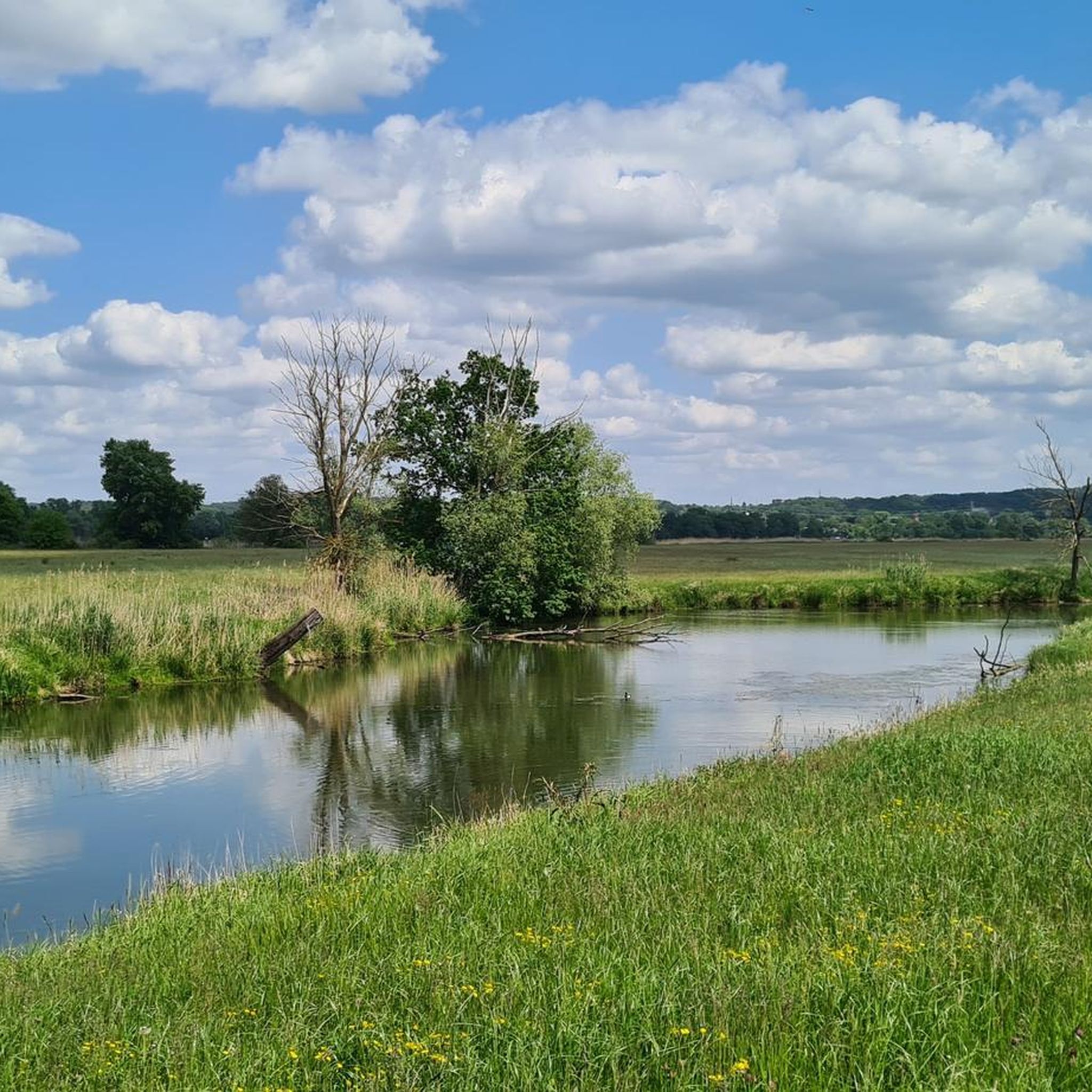
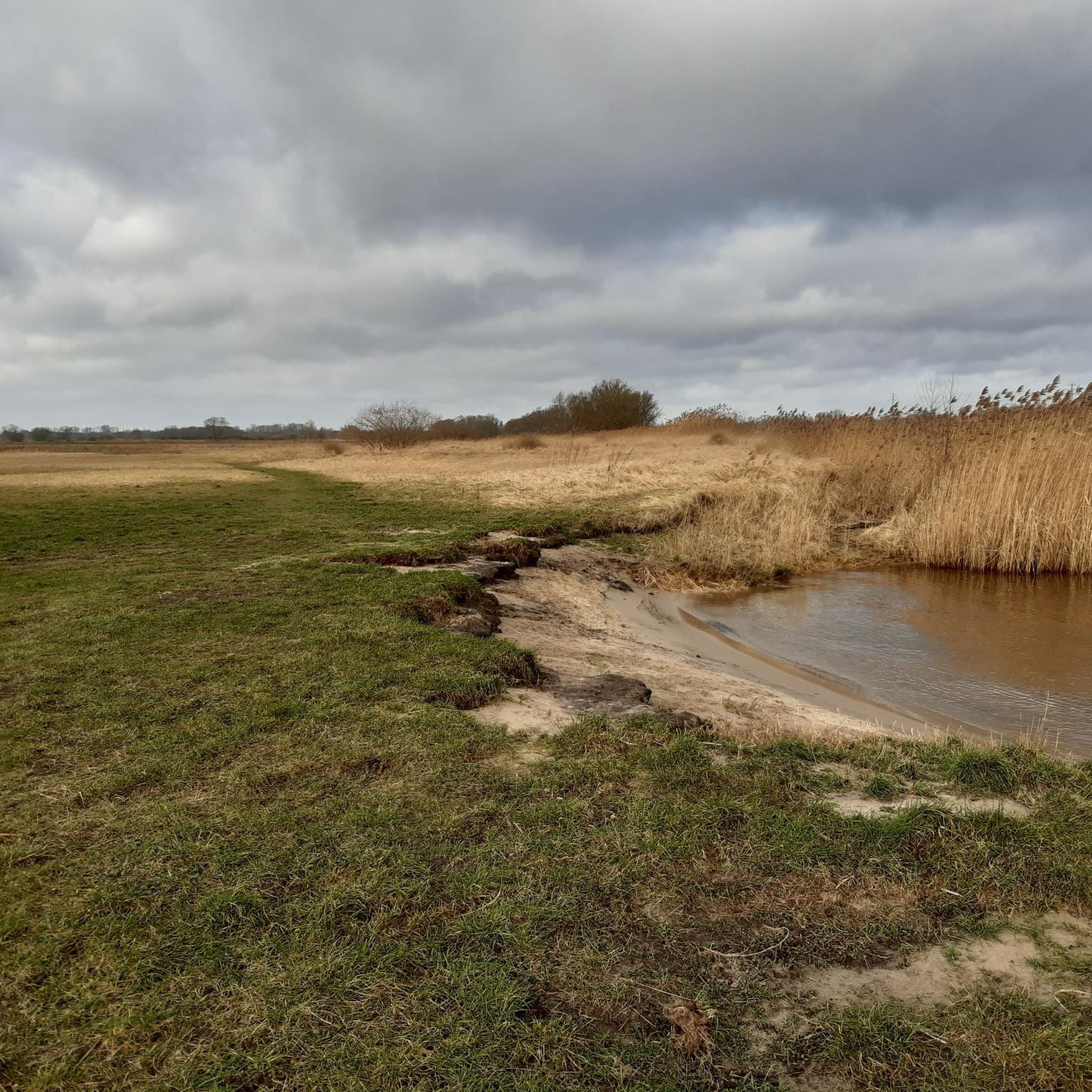
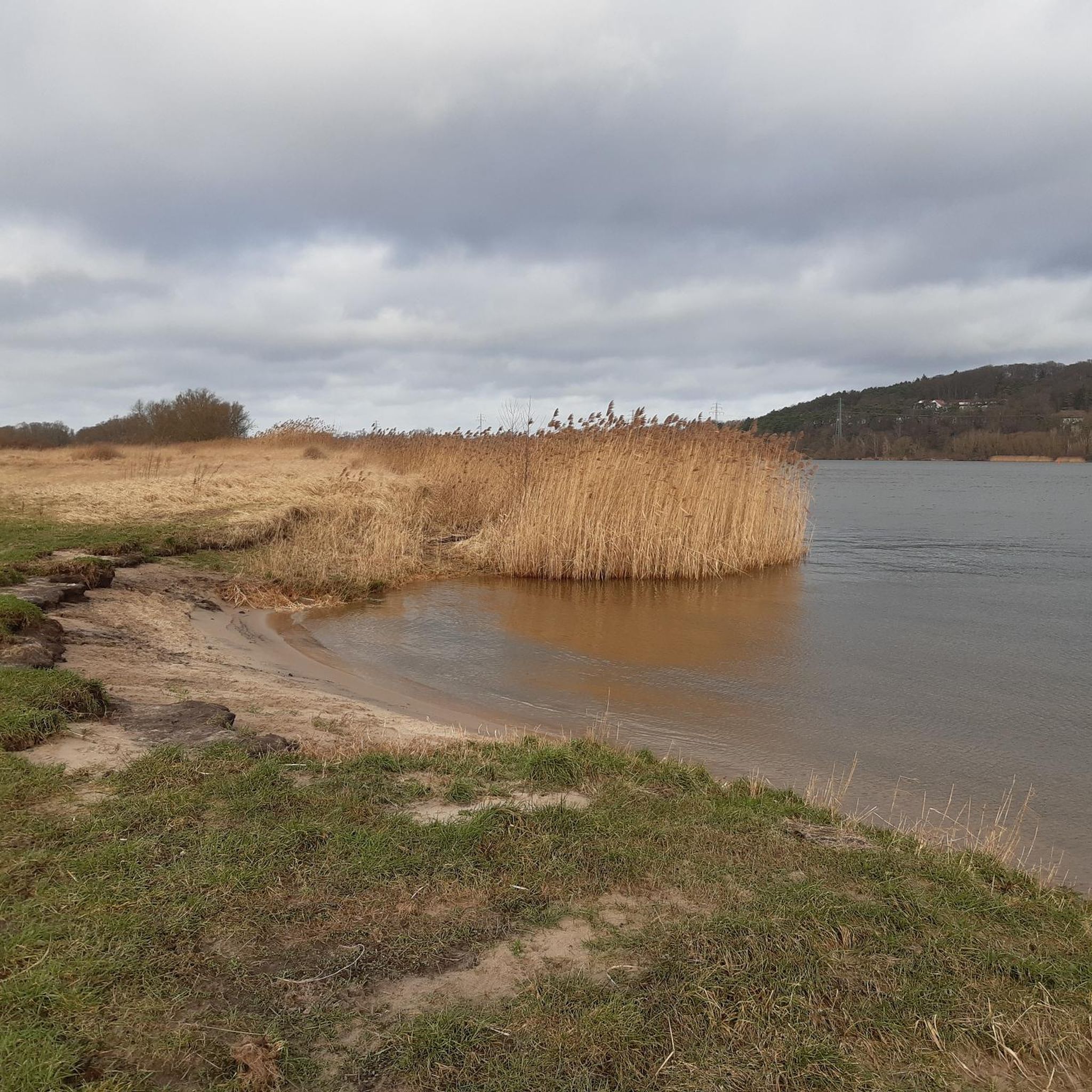
Tips from the Community

Geese and ducks use this tranquil park to raise their young each year. Furthermore, a wide variety of events organized by the city, the district, and various clubs and institutions take place here throughout the year.
0
0
The old castle, the historic stables, and the town hall stand in stark contrast to the bright, newly developed city center. Yet, everything invites you to linger and explore. Whether you're enjoying an ice cream in one of the cafés, a kebab by the Luhe River, or shopping in one of the small, locally owned shops, everyone will find something to their liking.
0
0

Winsen is a beautiful little town.
2
0

The historic garden complex “Juliusburg” is a landscape-defining testimony to the modern era, which is significant in the region's history. In the center of the garden complex is the medieval tower hill castle “Insulbarg”, whose tower hill was the starting point for the garden design and marks the actual archaeological monument. The earth, rampart and moat systems are rich soil archives of high scientific value that are worth preserving and protecting. The topographical location of the tower hill castle in a lowland was chosen based on fortification-favorable aspects. The garden was created in the 17th century by Duke Julius Heinrich of Lauenburg as a pleasure garden, who had a summer residence here. The tower hill castle and the outer bailey were incorporated into the garden. At the beginning of the 18th century the garden was abandoned, so that it can only be recognized by the relief and the ditches running through the area. The castle's good preservation and its integration into the surrounding lowland landscape make it easy to experience the monument. The naming shows that the monument is anchored in local traditions. The protection of the cultural monument of significant local importance is in the public interest because of its special historical, scientific and cultural landscape-defining value. https://www.schleswig-holstein.de/DE/landesregierung/ministerien-behoerden/ALSH/Service/Denkmallisten/Denkmallisten_node.html?lang=de
5
0
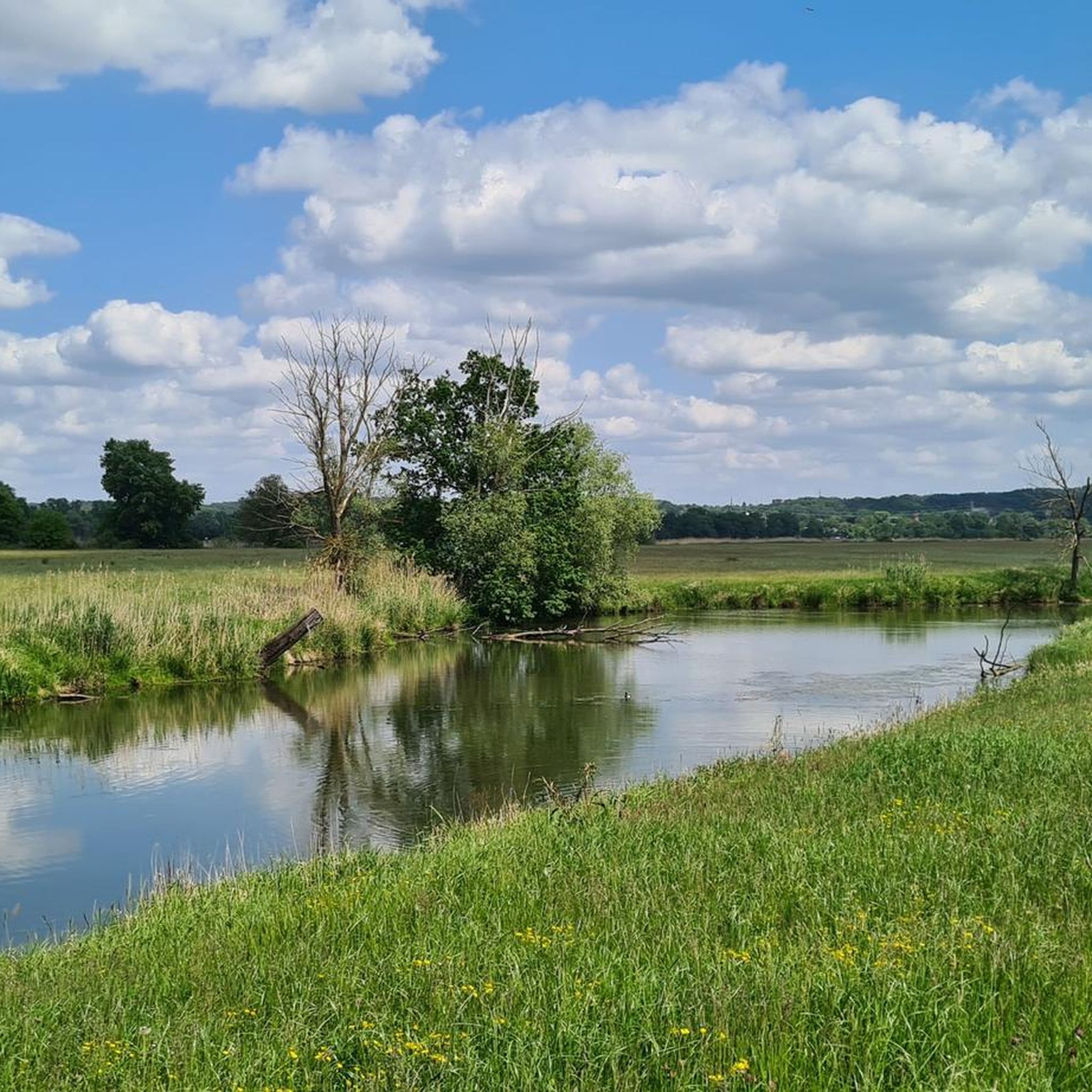
I just suggested to Komoot that they rename the highlight of the pond system to Schlossteich Winsen. Winsen Castle is located in the middle of the city on the northern edge of the castle park. South of the castle is a beautiful castle pond. The castle in Winsen was first mentioned in documents in 1299 and was probably built around 1230. The moated castle initially served as the temporary seat of the sovereigns https://www.landkreis-harburg.de/info/poi/winsener-schloss-2000391-20260.html
6
2

A very pretty park, with great photo opportunities.
4
0
A very pretty castle surrounded by a beautiful castle park. Before the castle was built, there was already a castle on this site. It is not known when exactly it was built, but it was probably built around the year 1200.
6
2

Man Maik... Existing highlight, 50m further... Please do not keep creating duplicates. 🙄 Luhe in Winsen near the castle square https://www.komoot.de/highlight/3134180?ref=ahd https://www.komoot.de/help/highlights https://www.komoot.de/community/guidelines https://support.komoot.com/hc/en/articles/360025017212-Tips-for-creating-good-highlights
5
2
Frequently Asked Questions
What kind of historical sites can I explore around Marschacht?
Around Marschacht, you'll find a focus on archaeological sites and former pleasure grounds rather than grand, intact castles. Notable sites include the Motte and pleasure palace Juliusburg, which features a medieval tower hill castle and a 17th-century garden complex. There's also the Burg Wentorf Archaeological Site, offering insights into a former multi-part complex, and nearby Winsen Castle, which has a versatile garden and hosts events.
Are there any family-friendly historical sites near Marschacht?
Yes, several sites offer family-friendly experiences. The View of Winsen Castle and St Mary's Church provides a pleasant backdrop for a family outing, with the castle grounds often used for photography and events. While the Motte and pleasure palace Juliusburg is an archaeological site, its open grounds can be interesting for children to explore the historical landscape.
What are the most popular historical sites around Marschacht according to visitors?
Visitors frequently appreciate the Motte and pleasure palace Juliusburg for its historical significance and unique landscape design. The View of Winsen Castle and St Mary's Church is also popular, offering picturesque views of the old castle and historic stables. Another interesting, albeit no longer accessible, site is the Edmundsthal Water Tower with Observation Tower, which is part of a former sanatorium's historical supply system.
Can I find hiking or cycling routes near these historical sites?
Absolutely. The region around Marschacht offers various outdoor activities. For cycling, you can explore routes like those found in the Gravel biking around Marschacht guide, which includes routes near the Elbe nature reserve. If you prefer running, the Running Trails around Marschacht guide features routes like the Stover Racecourse loop. Many of these trails pass through scenic areas that complement a visit to the historical sites.
What is the best time of year to visit the historical sites around Marschacht?
The best time to visit is generally during the spring, summer, and early autumn months (April to October). During these periods, the weather is milder, making it more pleasant for exploring outdoor archaeological sites and pleasure gardens. The natural landscapes surrounding these sites are also at their most vibrant, enhancing the experience.
Are there any viewpoints to get a good perspective of the historical sites?
Yes, the View of Winsen Castle and St Mary's Church is specifically a viewpoint offering sights of the old castle and historic stables. While the Edmundsthal Water Tower with Observation Tower is no longer accessible, the area around it still provides interesting perspectives on the historical landscape.
Is public transport available to reach the historical sites near Marschacht?
Public transport options exist for reaching areas around Marschacht, including some historical sites. For instance, the Motte and pleasure palace Juliusburg is accessible, and local bus services often connect Marschacht with nearby towns like Winsen, where Winsen Castle is located. It's advisable to check local bus schedules for the most current information.
Where can I park when visiting historical sites like Winsen Castle or Juliusburg?
Parking is generally available near the main historical attractions. For Winsen Castle, there are usually designated parking areas within walking distance. For the Motte and pleasure palace Juliusburg, you can typically find parking in nearby Marschacht or designated spots close to the site, allowing for easy access to the archaeological monument.
Are there cafes or pubs near the historical sites in the Marschacht area?
While Marschacht itself offers some local cafes and pubs, you'll find more options in nearby towns. Winsen (Luhe), for example, which is home to Winsen Castle, has a variety of cafes, restaurants, and pubs where you can relax and enjoy a meal or a drink after exploring the historical sites.
What is the historical significance of the Motte and pleasure palace Juliusburg?
The Motte and pleasure palace Juliusburg is a significant landscape-defining testimony to the modern era, rooted in the region's history. It centers around the medieval tower hill castle 'Insulbarg,' which served as the starting point for a 17th-century pleasure garden and summer residence created by Duke Julius Heinrich of Lauenburg. The site's earth, rampart, and moat systems are rich soil archives of high scientific value, showcasing historical fortification and garden design.
Are dogs allowed at the historical sites around Marschacht?
Many outdoor historical sites and their surrounding natural areas, such as the grounds of the Motte and pleasure palace Juliusburg or the park around Winsen Castle, are generally dog-friendly, especially if dogs are kept on a leash. However, specific rules may vary, so it's always best to check for any posted regulations at each individual site.
What makes the Burg Wentorf Archaeological Site unique?
The Burg Wentorf Archaeological Site is unique as a former multi-part complex featuring an oval main castle, measuring 63 meters long and 35 meters wide, rising 5 to 10 meters above its surroundings. Excavations have unearthed stone packing, charcoal, bones, pottery shards, and iron tools, highlighting its archaeological importance and providing valuable insights into the region's past fortifications.
Most popular routes around Marschacht
Most popular attractions around Marschacht

Get inspired with the komoot mobile app


Explore more
Looking for the best castles somewhere else? Discover other guides around Marschacht:
