The best road cycling routes around gmina gmina gmina Myślibórz
4.8
(6)
185
riders
15
rides
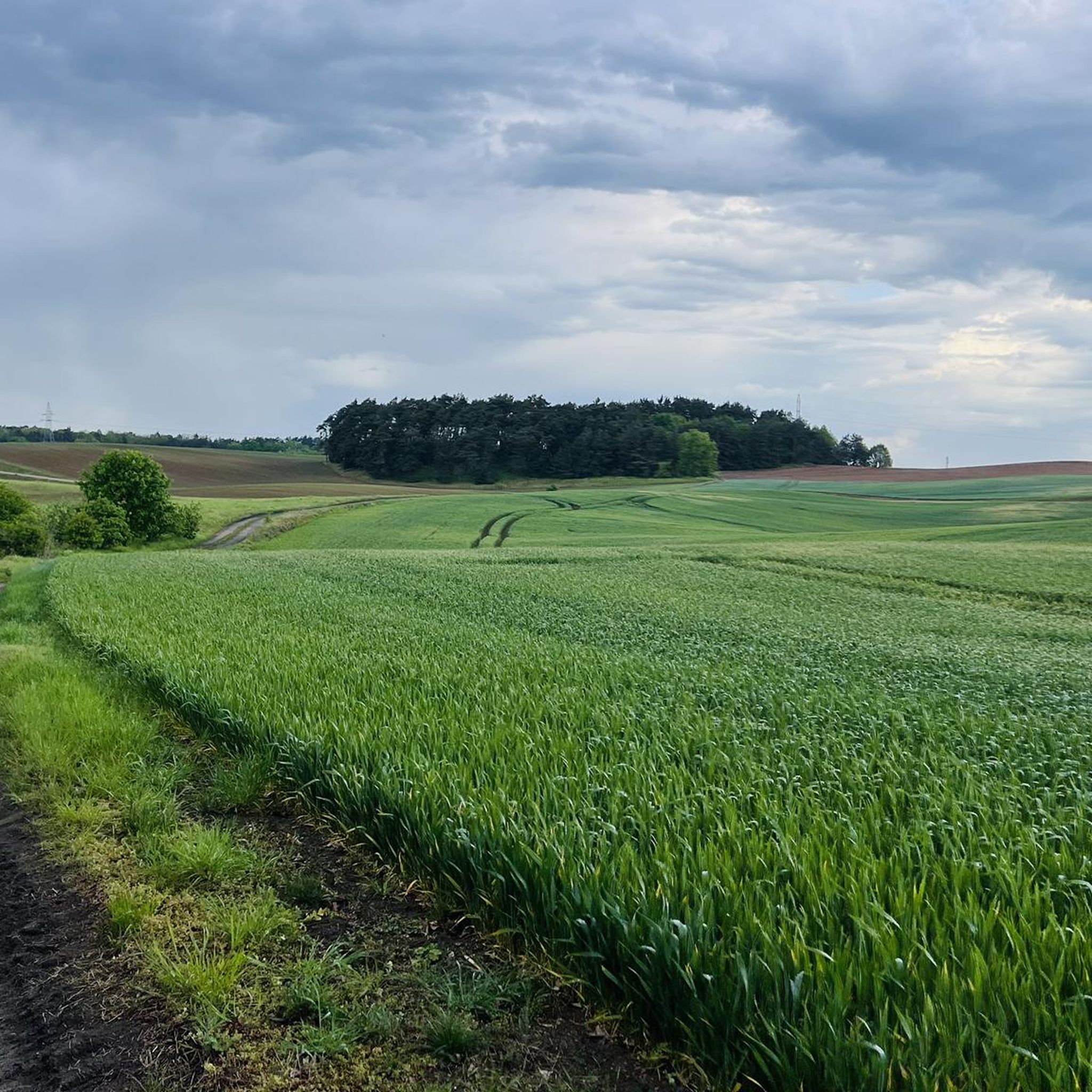
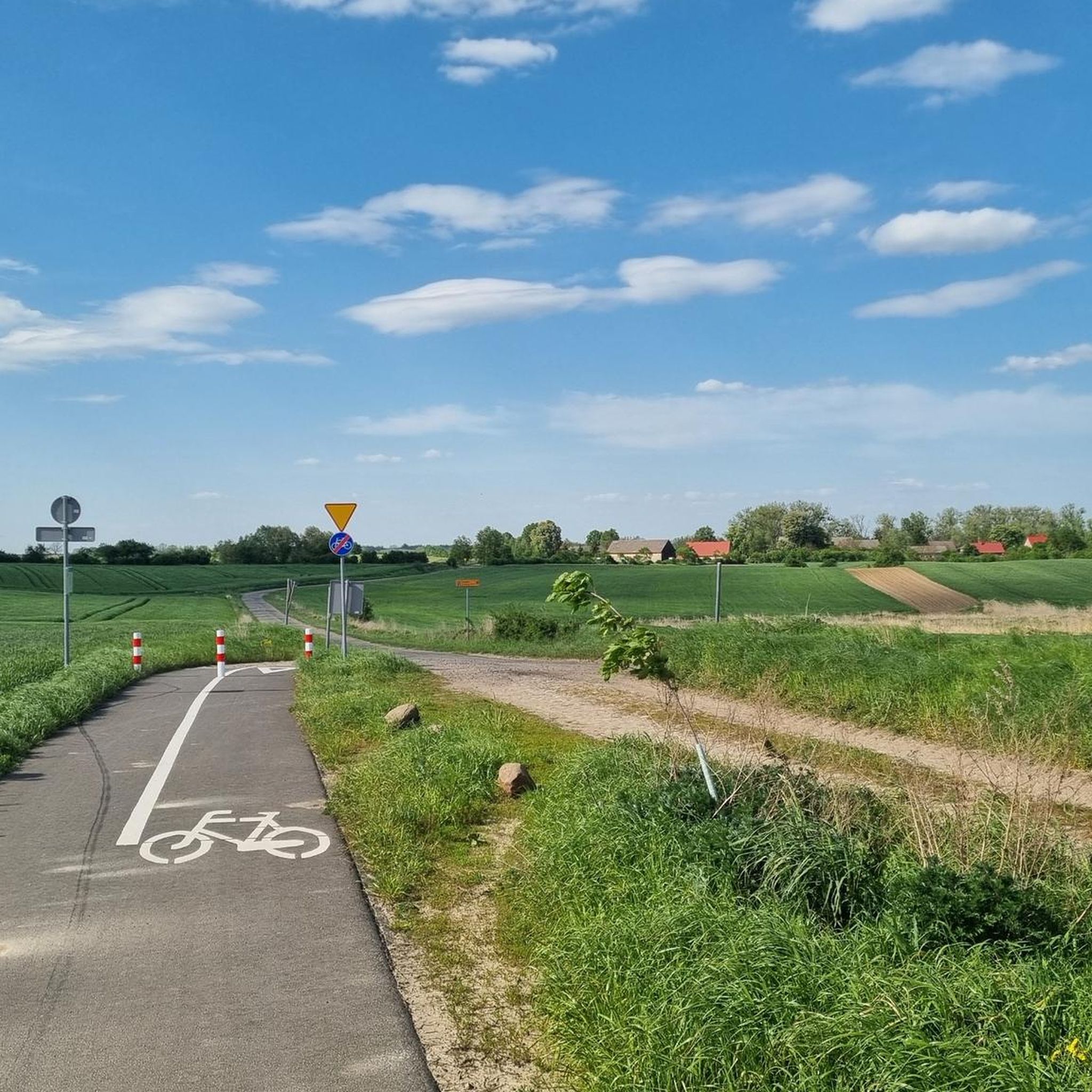
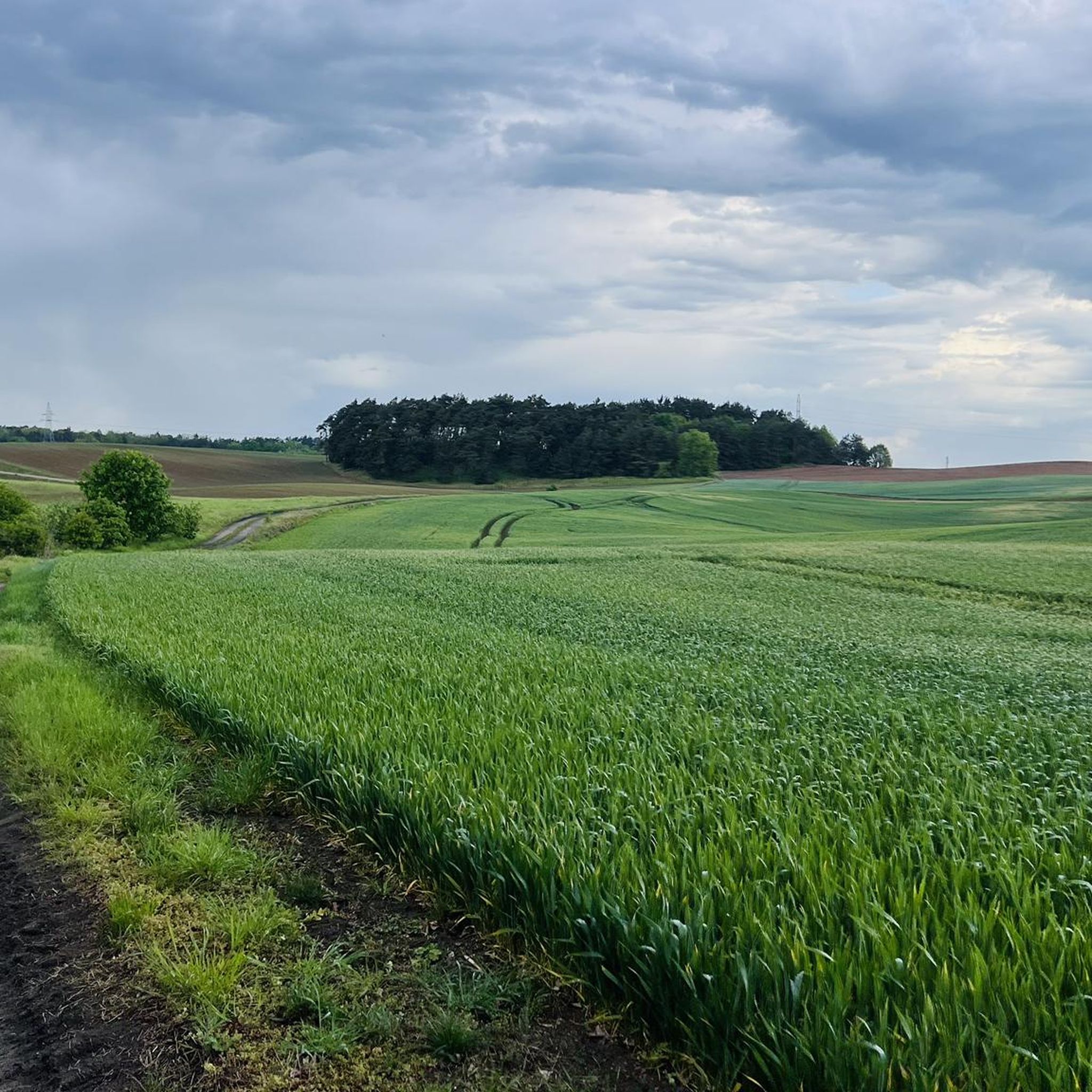
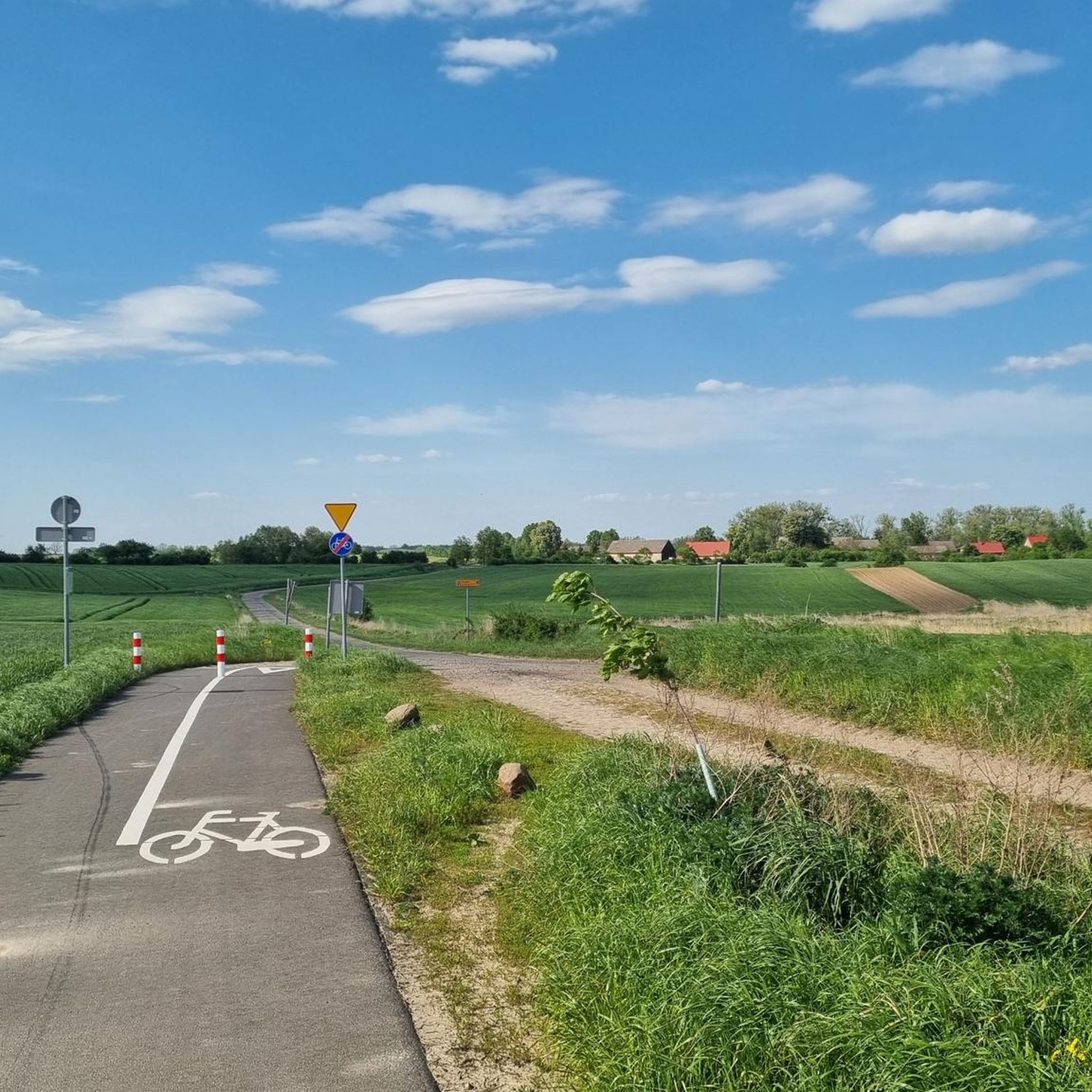
Road cycling around gmina gmina gmina Myślibórz features diverse natural landscapes, including the Myślibórz Lake District and extensive forested areas. The terrain is characterized by a network of developing cycling routes, offering varied experiences across its natural features. The region incorporates geological formations such as the Myśliborski Gorge and the basalt pillars of Myśliborskie Organ, alongside the scenic Myślibórz Lake.
Best road cycling routes around gmina gmina gmina Myślibórz
- The most popular road cycling route is Kołbacz Cistercian Abbey –…
Last updated: May 15, 2026
4.0
(2)
77
riders
Moderate road ride. Good fitness required. Some segments of this route may be unpaved and difficult to ride.
5.0
(1)
26
riders
Moderate road ride. Good fitness required. Some segments of this route may be unpaved and difficult to ride.

Sign up for free
5.0
(1)
16
riders
Moderate road ride. Good fitness required. Mostly well-paved surfaces and easy to ride.
12
riders
48.1km
01:59
210m
210m
Easy road ride. Great for any fitness level. Mostly well-paved surfaces and easy to ride.
10
riders
78.4km
03:01
230m
230m
Moderate road ride. Good fitness required. Mostly well-paved surfaces and easy to ride.
Get access to more routes and recommendations from other explorers.
Sign up for free
Already have an account?
Our route recommendations are based on thousands of hikes, rides, and runs completed by other people on komoot.
Start today with a free account
Your next adventure awaits.
Login or Signup
Tips from the Community

The church was built in the 13th century. Initially, it was a single-nave granite building with a tower on the west side. In the 14th century, a brick chancel was added, and then the main nave was demolished and a new one, also made of brick, was built. In the 15th century, an ambulatory was built around the chancel with a tower on the east side, and two side naves were extended to the sides of the west tower. The church was destroyed by fire twice and then rebuilt. In the 19th century, it was rebuilt in the neo-Gothic style. During World War II, the church was seriously damaged. The reconstruction was completed in 1977. The east tower was not rebuilt.
1
2

The Church of the Holy Spirit is a Romanesque fieldstone church from the 13th century. The altar probably dates back to the 12th century.
3
1

The monastery church was originally dedicated to the Blessed Virgin Mary, and its construction began at the same time as the entire monastery, in 1210. Initially, the temple was built in the late Romanesque style, and it was completed in the Gothic style in 1347. After the secularization of the monastery in the 16th century, the main nave was transformed into a granary. The original 15th-century altar, which was originally located in the temple, can now be seen in the Basilica of St. James in Szczecin. During the period when the monastery was in operation, deceased Pomeranian princes were buried there. Unfortunately, in 1720, the side naves were demolished. On the wall of the church, you can see a blind rosette, which, according to legend, was made by a blind person.
2
1
The Abbot's House in Kołbacz is part of the former monastery complex, but it stood outside the monastery itself. It was built in the first half of the 14th century in the Gothic style, around 1350 to be precise. Currently, its interior houses a library.
3
1
The abbot's house of the Cistercian monastery in Kołbacz. It was built in the first half of the 14th century and served its function until 1535, when the monastery was dissolved. The last abbot resigned from his position, for which he received an estate in nearby Kołowo, where he became an Evangelical parish priest. The former abbot's house was taken over by Barnim XI, Duke of Szczecin. It was transformed into a princely residence. In later years, it was the seat of the lessee of the estate in Kołbacz, and after a new manor house was built for him, it was inhabited by the employees of the manor. After the war, it was unused until the 1970s. It currently houses a library.
5
2
The monumental church in Kołbacz is closely associated with the Cistercian order, which was brought to these lands in 1173. The first mention of the church dates back to 1186, but it was probably a wooden church. The construction of the brick temple began in 1210, and the construction lasted almost 140 years. During this time, the church suffered a fire twice and had to be rebuilt. The church served its functions until 1534, when the order was dissolved as a result of the Reformation. Such a large building was no longer needed, so it was divided into two parts. The eastern part of the chancel was designated for the needs of the Protestant church, and the main nave was converted into a grain warehouse by building five wooden ceilings inside. In the 17th century, as a result of a fire, the vaults in the side naves of the church collapsed and were never rebuilt. In the 18th century, they were completely demolished. In the 19th and early 20th centuries, several renovations were carried out on the church, significantly transforming it. From that period come, among others: new, larger windows in the northern chapel. New vaults and a new bell tower on the roof were also built. After the war, the church was also used as a warehouse. The church has been undergoing renovation for a dozen or so years, but it is still not finished, and the church is not fully used.
4
1
In the Middle Ages, there was a princely stronghold in Kołbacz. In the 12th century, these lands belonged to Warcisław II Świętoborzyc, the castellan of Szczecin, who in 1173 brought Cistercians to the area from the Danish monastery in Esrum. Construction of the monastery complex began in 1210 in the Romanesque style and was completed in 1347 in the Gothic style. The monastery buildings were largely destroyed by the Thirty Years' War and the fire in 1662. The church, the Abbot's House and the Conversos' House have remained to this day.
0
1

Interesting small Catholic church.
1
2
Frequently Asked Questions
How many road cycling routes are available in Gmina Myślibórz?
Gmina Myślibórz offers a developing network of cycling routes. On komoot, you can find 16 dedicated road cycling routes, with 10 rated as easy and 6 as moderate, ensuring options for various skill levels.
What is the typical terrain and difficulty for road cycling in Gmina Myślibórz?
The terrain in Gmina Myślibórz is characterized by its lake district scenery and forested sections. Routes generally feature varied landscapes with moderate elevation changes. Most routes are rated as easy or moderate, making them accessible for a wide range of cyclists. For example, the Kołbacz Cistercian Abbey loop has an elevation gain of around 267 meters over 74 km.
What are the best natural attractions to see while road cycling in Gmina Myślibórz?
The region is rich in natural beauty. You can cycle past the picturesque Myślibórz Lake, explore routes near the Myśliborski Gorge, or even see the unique basalt pillars of Myśliborskie Organ. The extensive forested areas managed by the Myślibórz Forest District also offer scenic stretches.
Are there any historical or cultural landmarks along the road cycling routes?
Yes, Gmina Myślibórz offers several historical and cultural points of interest. You might encounter the well-preserved Myślibórz Gate (Brama Myśliborska) in Trzcińsko-Zdrój, or the historic Pyrzyce City Walls. The town of Myślibórz itself boasts a charming Market Square and the Collegiate Church of St. John the Baptist.
When is the best time of year to go road cycling in Gmina Myślibórz?
The months of July and August are particularly popular for cycling in Gmina Myślibórz, suggesting favorable conditions during this period. Generally, late spring through early autumn offers pleasant weather for exploring the region's routes.
Are there any family-friendly road cycling routes in the area?
Many of the routes in Gmina Myślibórz are rated as easy, making them suitable for families. These routes often feature gentle gradients and scenic paths through the lake district and forests. For instance, the Bańska Gate loop from Nowielin is an easy 48 km route that could be a good option.
Can I find circular road cycling routes in Gmina Myślibórz?
Yes, many of the road cycling routes in Gmina Myślibórz are designed as loops, allowing you to start and end at the same point. Examples include the Godków Train Station – Europa Bridge loop from Góralice and the Bridge Over the Myśla – Templar Church loop from parking leśny.
What do other road cyclists enjoy most about cycling in Gmina Myślibórz?
The road cycling routes in Gmina Myślibórz are highly rated by the komoot community, with an average score of 4.8 stars from over 5 reviews. Cyclists often praise the diverse natural landscapes, the scenic lake district, and the developing network of routes that offer varied experiences.
Are there any viewpoints or scenic spots accessible by road bike?
Yes, the region offers several scenic spots. In Myślibórz, Park Armii Krajowej features the "Górka Ślimacza," a viewpoint providing panoramic vistas of the park, the Myśla river estuary, and Myślibórz Lake. Many routes also offer views of the Myślibórz Lake District.
What kind of facilities can I expect along the road cycling routes in Gmina Myślibórz?
While specific facilities vary by route, the region's towns like Myślibórz offer amenities such as cafes, restaurants, and accommodation. You might also find rest areas, such as the Rest Area at the Former Baniewice Railway Station, which can be useful stops during your ride.
Is there public transport available to access the cycling routes in Gmina Myślibórz?
Gmina Myślibórz is part of a regional network, and while specific public transport options for cyclists might vary, towns like Myślibórz and others along the routes generally have local bus services. For routes starting from train stations, such as the Godków Train Station loop, train access could be an option.
Where can I find parking for my car when starting a road cycling tour?
While specific parking information for every route start is not detailed, towns and popular starting points for routes, such as Nowielin or Góralice, typically offer public parking facilities. Look for designated parking areas near trailheads or in town centers.
Most popular routes around gmina gmina gmina Myślibórz
Most popular attractions around gmina gmina gmina Myślibórz

Get inspired with the komoot mobile app


Explore more
Browse the best Road cycling routes in other regions.
