Attractions and Places To See around gmina gmina gmina Dębno - Top 20
Best attractions and places to see around gmina gmina gmina Dębno encompass two distinct regions in Poland, each offering unique points of interest. The Gmina Dębno in Małopolskie Province features historical wooden architecture, including a UNESCO World Heritage Site, and a blend of Carpathian Foothills and Sandomierz Basin landscapes. The Gmina Dębno in West Pomeranian Voivodeship presents historical urban sites, such as 13th-century churches and Art Nouveau tenement houses, alongside natural lakes and river areas. Both locations provide a variety…
Last updated: May 4, 2026
Oderradweg: Küstrin–Lebus Section
Highlight (Segment) • Cycleway
Translated by Google •
Tip by

Schneider Fishery Kienitz-Hartau
Highlight • Restaurant
Translated by Google •
Tip by

Sign up now to discover places like this
Get recommendations on the best single tracks, peaks, & plenty of other exciting outdoor places.
Sign up for free
Kostrzyn Fortress
Highlight • Historical Site
Translated by Google •
Tip by

Oder Dike Cycle Path
Highlight • Cycleway
Translated by Google •
Tip by
Berlin Gate
Highlight • Historical Site
Source de.wikipedia.org/wiki/Festung_K%C3%BCstrin
"The Küstrin Fortress was a fortress that was built in the second half of the 16th century to …
Translated by Google •
Tip by

Sign up for free to discover even more attractions around gmina gmina gmina Dębno.
Sign up for free
Already have an account?
Start today with a free account
Your next adventure awaits.
Login or Signup
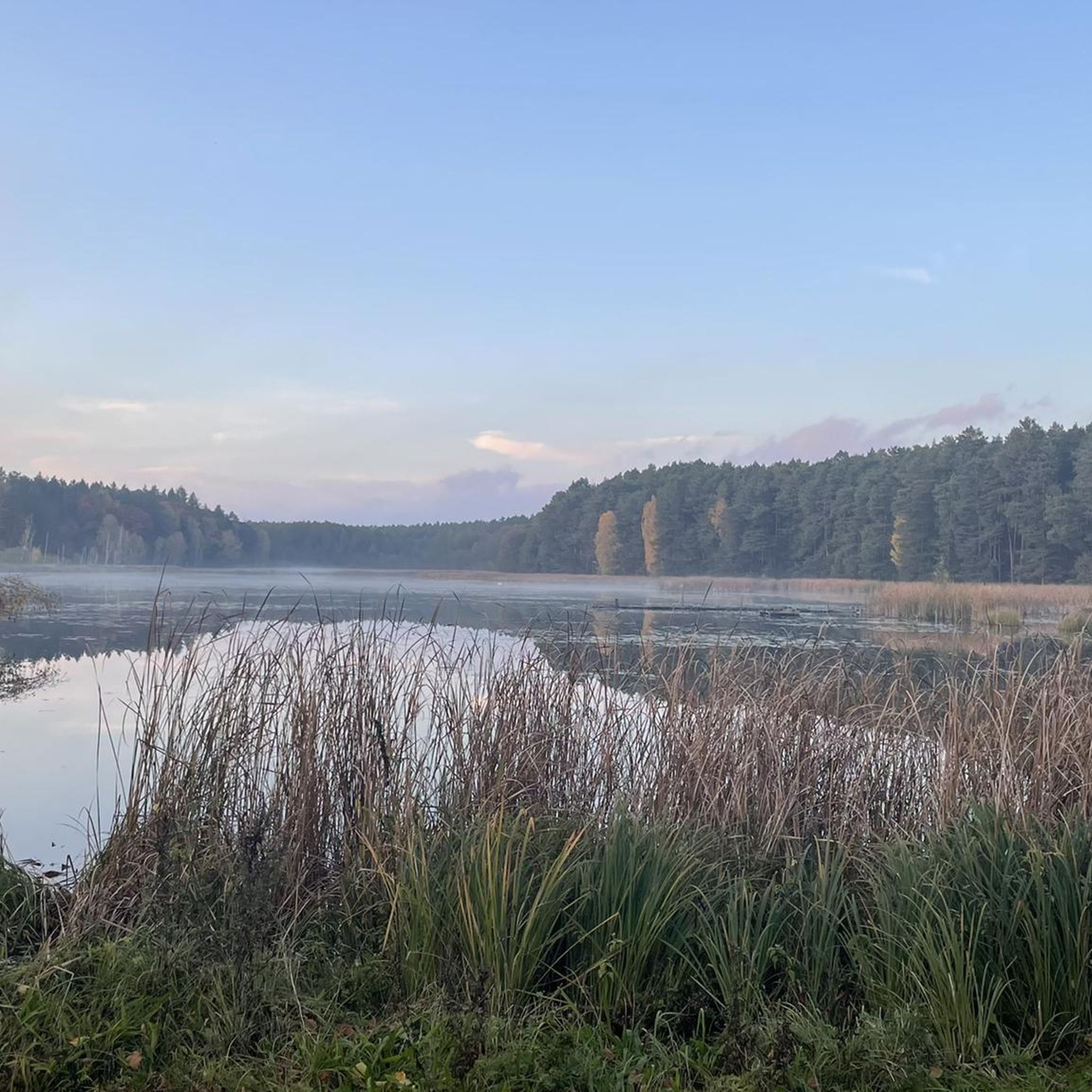
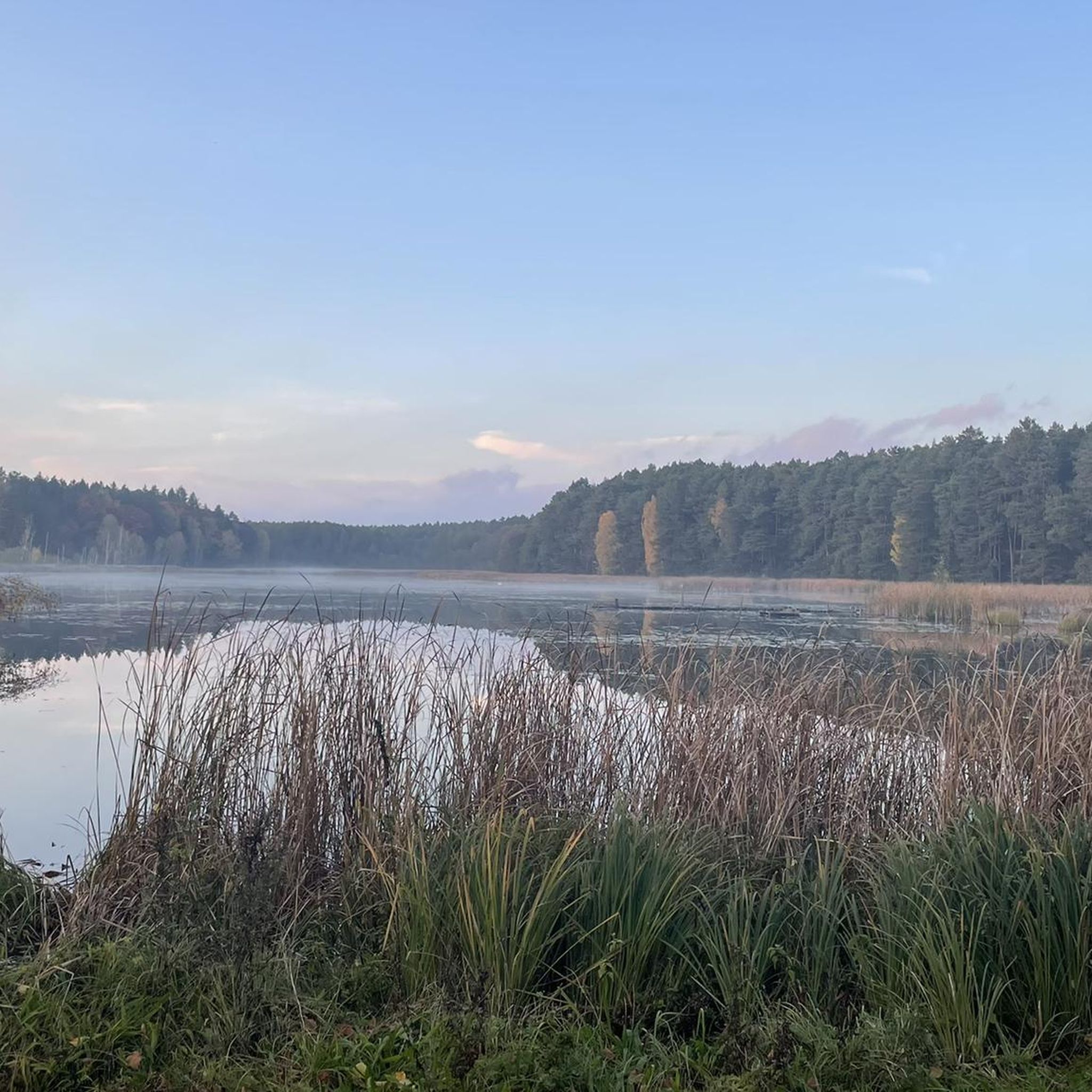
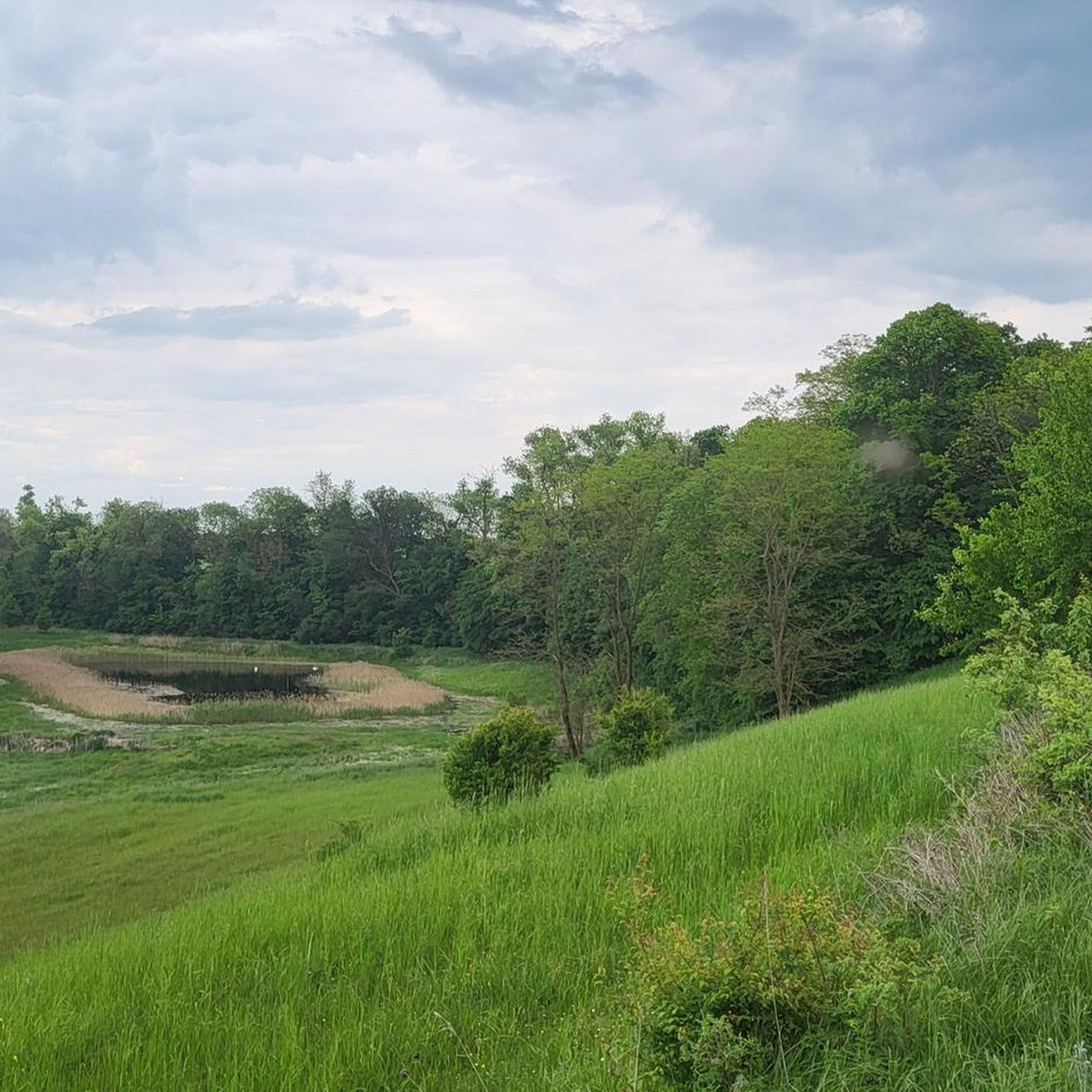
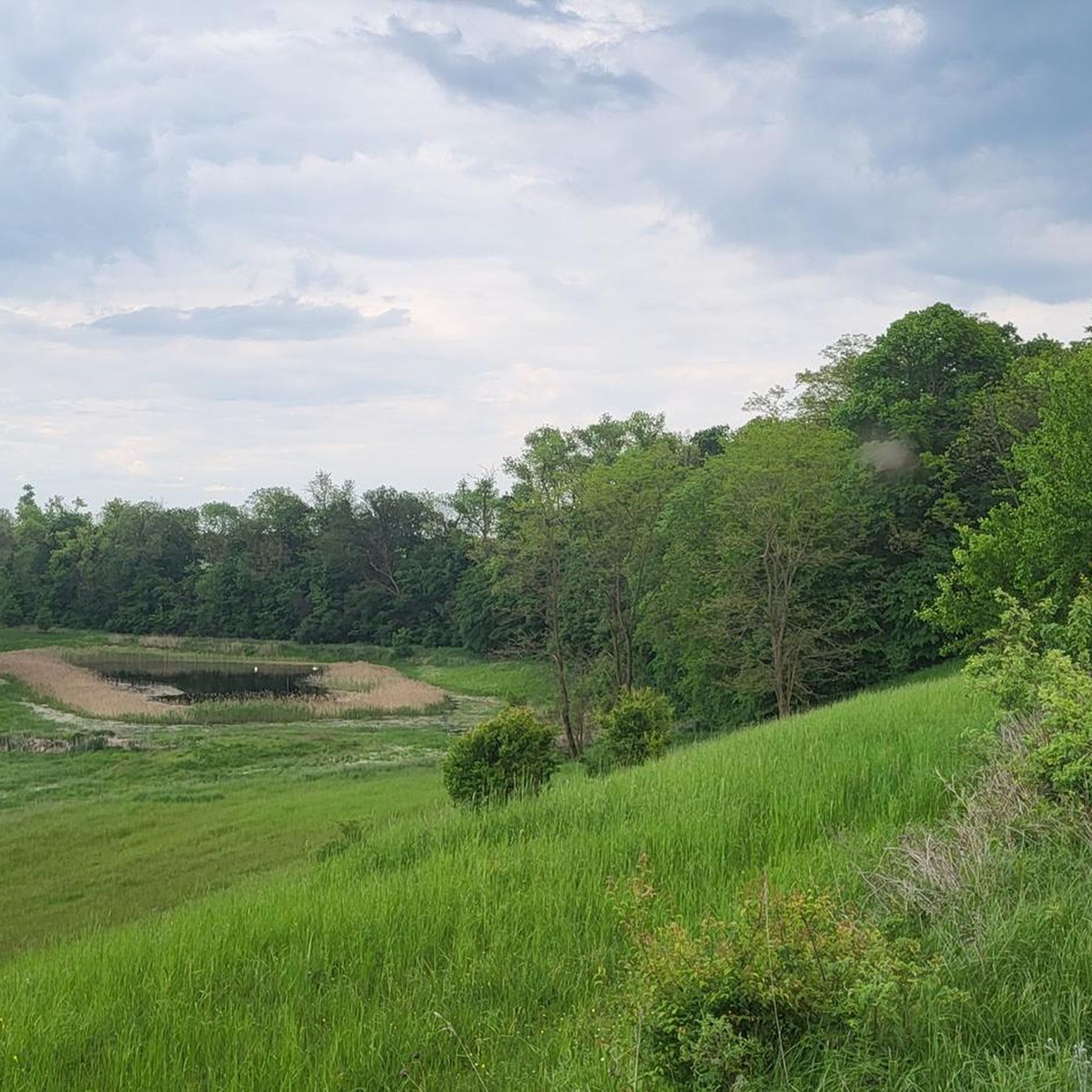
Tips from the Community

Very nice Oderdeich cycle path.
1
0

Delicious fish in different variations and enough space, even in the shade.
2
0

It doesn't get any fresher or tastier!
2
0

Delicious fish dishes, coffee and cake, everything you need after a bike tour. There is also a quiet spot for camping for the night.
3
0

The church was solidly built of bricks; its vault rested on 10 strong masonry pillars, 5 of which stood on each side. The pulpit was on the central pillar on the north side; Opposite her, on the side of the castle, lay the margrave's pew on a gallery. The ceiling of the latter featured many allegorical representations; the figures of faith, love, hope, perseverance, and devotion were here set in beautiful paintings.; Towards the nave, however, this loggia was closed off by the electoral coat of arms and a long hanging scarlet curtain. The pulpit was richly gilded wood carving; on its parapet were the twelve apostles with the four evangelists; but the front of the sound cover bore the figure of the resurrected prince of life in a halo with the cross-decorated flag of victory. Then the work gradually tapered upwards, like a Gothic tower with openwork; the top pommel carried a pelican feeding his young with the heart's blood, the ancient symbol of salvation, in a gilded nest. Above the preacher hovered the dove-form of the Holy Spirit, constantly moving; behind him lay the bleeding head of John the Baptist, already mentioned above, on a golden dish.
5
1
After a breakout, the bridgehead at Küstrin offered the direct route to Berlin and it could accommodate a large number of tanks that had to be brought across the river at other attack points. The next obstacle was the Seelow Heights. On Easter Sunday, April 1, 1945, the two marshals Zhukov and Konev were in Moscow to report to Stalin and the State Defense Committee. An attack plan had to be drawn up within two days. Zhukov declared that the main attack would come from the Oder bridgehead, which was now "forty-four kilometers long." Six armies, including two tank armies and "including the advancing troops [...] 768,000 men, were to be deployed here. Zhukov hoped to be able to set up at least 250 guns per kilometer in the Küstrin bridgehead." The date for this final offensive was set for April 16, 1945. By the time the attack began, 4,500 artillery positions had been built in the Küstrin bridgehead, 636 kilometers of connecting trenches and 25 bridges had been built over the Oder, many of them "underwater bridges." In addition, there were huge supplies of ammunition, fuel and food. The 16th Air Army was assigned to this front.
5
1

Perfectly located, great offers, nice staff... that's what makes a break fun.
2
0

The Oder-Neisse cycle path is a really beautiful cycle path and very quiet. I found the many mussel shells lying in fragments on the path interesting. I assume that crows get the mussels from the Oder and drop them over the tarred cycle path to break open - or does anyone know a better explanation. When I came to the Danube on my further tour, there were also mussel shells on the bike path - albeit much fewer.
2
0
Frequently Asked Questions
What historical and cultural sites can I explore in Gmina Dębno (Małopolskie Province)?
In the Małopolskie Province, you can visit the UNESCO World Heritage Site, St. Michael Archangel's Church, a medieval wooden church with Gothic polychrome decorations. Another significant site is Dębno Castle, a late Gothic complex housing a branch of the Tarnów Regional Museum. Don't miss the late Gothic St. Margaret's Parish Church, one of the oldest sacred buildings in Brzesko County.
What historical landmarks are there in Gmina Dębno (West Pomeranian Voivodeship)?
The West Pomeranian Gmina Dębno offers several historical sites, including the Church of Saints Peter and Paul, originally built in the 13th century. You can also admire Secessionist Tenement Houses and Villas along Armii Krajowej, Słowackiego, and Mickiewicza streets, and visit the unique, elongated 3 Maja Constitution Square, a remnant of an old Slavic settlement.
Where can I enjoy nature and outdoor recreation in Gmina Dębno (West Pomeranian)?
For nature lovers in West Pomeranian, Lake Lipowo is a popular spot for recreation and swimming. Lake Duszatyń offers a designated camping area and an educational nature trail. You can also explore the Myśla River, known for its canoe trail, and the clean waters of Promień Lake south of Warnice.
Are there cycling routes available around Gmina Dębno?
Yes, there are several cycling routes. For example, you can try the "White Eagle Monument, Dębno – Bicycle Route 3 loop from Dębno" or the "Villa on Słowackiego Street – Blue Velo: Dargomyśl to Dębno loop from Dębno." You can find more options and details on the dedicated Cycling around Gmina Dębno guide.
What hiking trails are available near the attractions in Gmina Dębno?
You can find various hiking trails, such as the "Olszynki nature trail: Warta Mouth National Park" which is an easy 5.7 km loop, or the "Jezioro Ostrowieckie loop from Ostrowiec" which is a moderate 8.1 km route. For more hiking options, check the Hiking around Gmina Dębno guide.
What are some family-friendly attractions in the Gmina Dębno area?
Many attractions are suitable for families. In West Pomeranian, the Skansen of Old Agricultural Machines in Krężelin is a great outdoor museum. The lakes like Lake Lipowo and Lake Duszatyń offer beaches and recreational areas. The Oderradweg: Küstrin–Lebus Section is also noted as family-friendly for a relaxed cycle.
What do visitors enjoy most about the Gmina Dębno region?
Visitors particularly enjoy the blend of historical exploration and natural beauty. The Kostrzyn Fortress is highly regarded for its historical insights and restoration efforts. The Oder Dike Cycle Path is praised for its scenic views and suitability for all types of bikes, offering a very pleasant experience along the Oder meadows.
Are there any unique or less-known places to visit in Gmina Dębno?
In the West Pomeranian Gmina Dębno, consider visiting the Skansen of Old Agricultural Machines in Krężelin, which opened in 2022. The town of Dębno also has a recreational square where the first town hall stood, now an archaeological excavation site exposing preserved wall fragments. The History and Monuments Trail, a 40 km hiking route, offers a deep dive into the region's past.
Where can I find local culinary experiences in the area?
For a taste of local cuisine, especially fresh fish, visit Schneider Fishery Kienitz-Hartau. It's known for freshly made fish sandwiches and warm smoked fish, making it a great stop for a rest and a meal.
What kind of terrain can I expect in Gmina Dębno (Małopolskie Province)?
The Gmina Dębno in Małopolskie is uniquely situated on the border of two distinct geographical regions: the Carpathian Foothills and the Sandomierz Basin. This provides a diverse and varied terrain, offering a mix of hilly landscapes and flatter basin areas, ideal for exploring different natural environments.
Are there any notable churches to visit in the Gmina Dębno area beyond the main ones?
Yes, both regions have other historic churches. In Małopolskie, you can find the Neo-Gothic Church of St. Andrew in Porąbka Uszewska. In West Pomeranian, explore the Church of Our Lady of Częstochowa in Dolsk (1740-41), the defensive stone church in Oborzany (c. 1300), and the Church of St. Joseph in Warnice (c. 1335).
Most popular routes around gmina gmina gmina Dębno
Most popular attractions around gmina gmina gmina Dębno

Get inspired with the komoot mobile app


Explore more
Still not found the Highlight you’re looking for? See guides of the top attractions in other regions:
