Attractions and Places To See around gmina Ostrowite - Top 20
Best attractions and places to see around gmina Ostrowite include a diverse range of historical landmarks, natural features, and cultural sites. The region is largely situated within the Powidz Landscape Park, which encompasses Lake Powidzkie and its surrounding forests and meadows. Visitors can explore remnants of historical periods, from ancient archaeological sites to 19th-century palaces and former border crossings. The area offers opportunities for exploring both cultural heritage and natural environments.
Best attractions and places to see around gmina Ostrowite
…Last updated: October 4, 2026
Former Prussian-Russian Border Crossing at Anastazewo
Highlight • Historical Site
After Napoleon's fall, the border between Prussia and Russia was finally moved and …
Translated by Google •
Tip by

Wooden Church
Highlight • Religious Site
🪵 History and Construction
- The church was founded in 1749 by the village owner, Sebastian …
Translated by Google •
Tip by

Sign up now to discover places like this
Get recommendations on the best single tracks, peaks, & plenty of other exciting outdoor places.
Moran Hotel, Spa & Marina
Highlight • Rest Area
Showing Translation
Tip by

Witkowo Historic Windmill
Highlight • Monument
Translated by Google •
Tip by

Archaeological Open-Air Museum in Kownaty-Mrówki
Highlight • Historical Site
Translated by Google •
Tip by

Sign up for free to discover even more attractions around gmina Ostrowite.
Already have an account?
Start today with a free account
Your next adventure awaits.

Tips from the Community

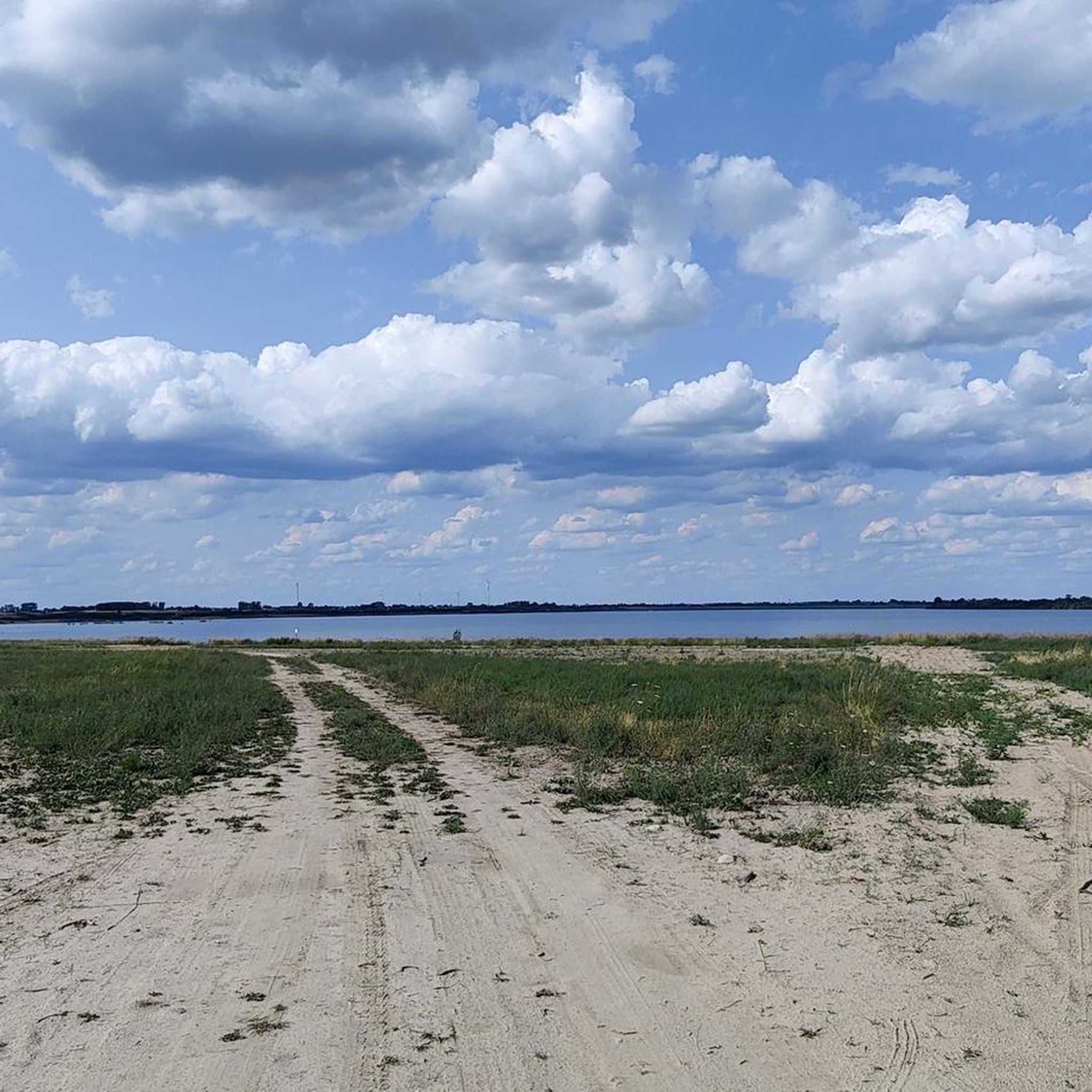
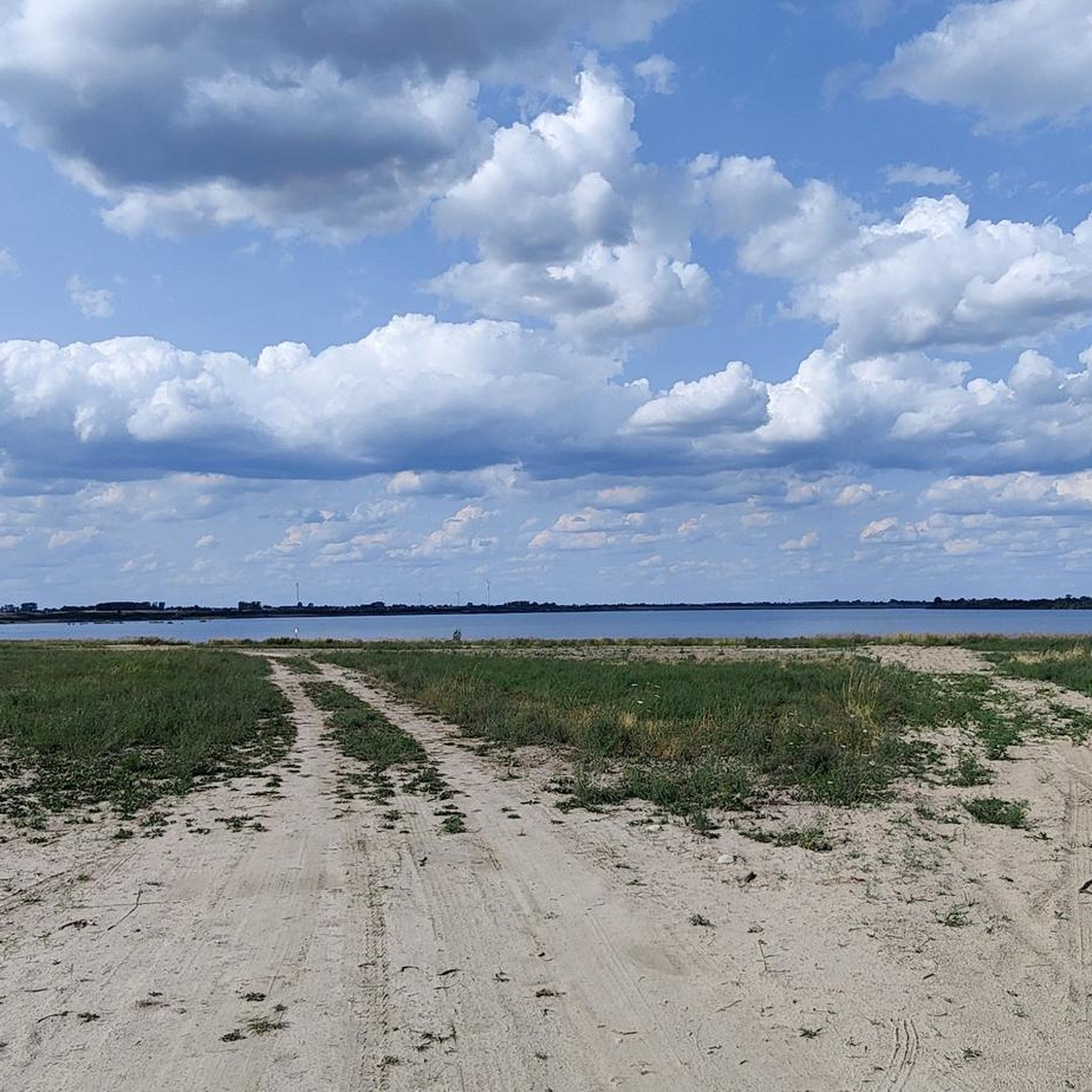
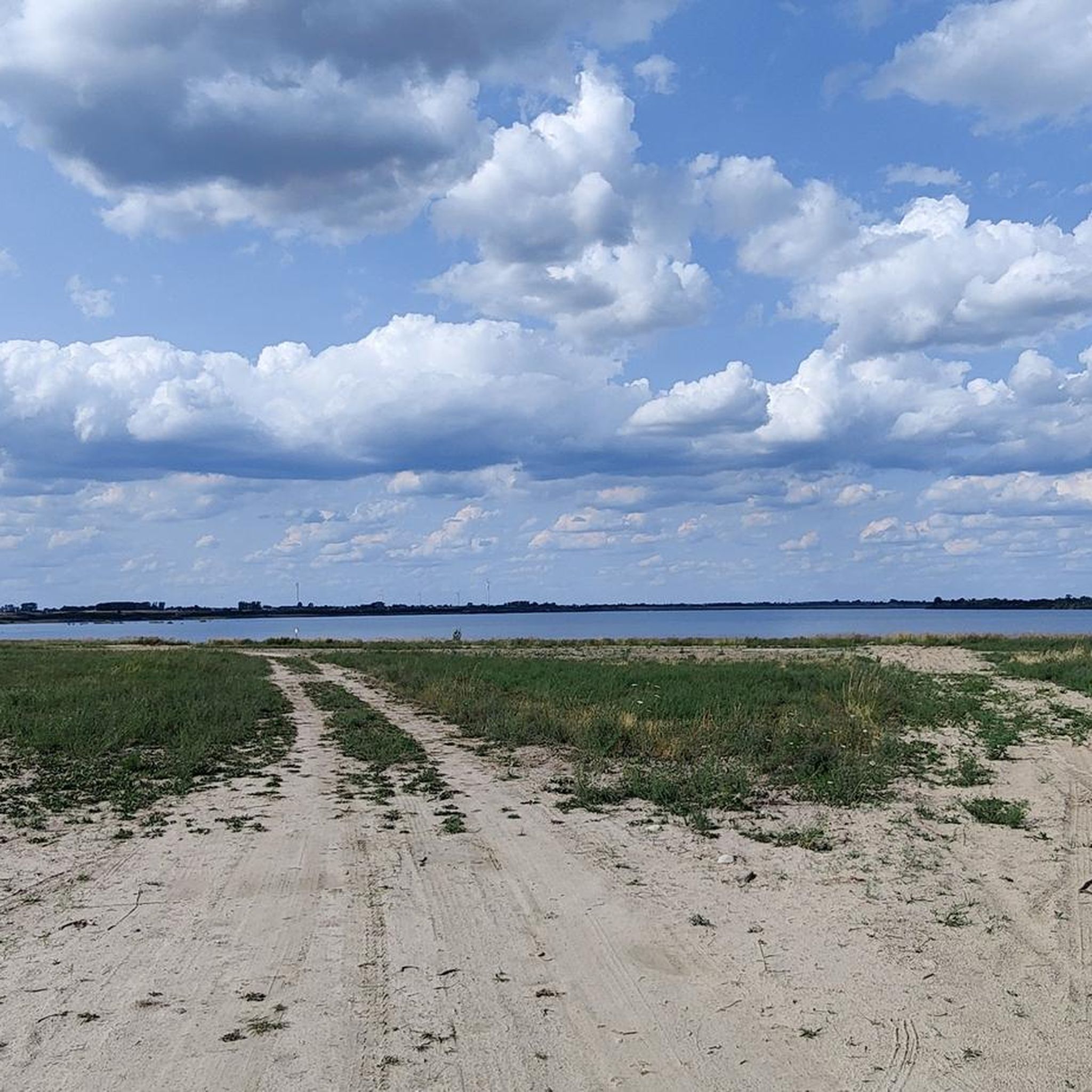
The hotel is indeed run by the Moran Cycling Club and their official "Coffee for Cyclist" initiative: you arrive by bike, and a QR code leads you to their Strava community. They even have their own gravel routes shared directly in Komoot. Moran Cycling Club – the official page of Moran Hotel & SPA https://hotelmoran.pl/moran-cycling-club?utm_source=chatgpt.com. Interestingly, it was precisely this point that I had previously consciously removed from my trip plan – it seemed unappealing to me, as what could be interesting for a cyclist in visiting a hotel complex? As it turned out – one can be very wrong sometimes. A cyclist entering the hotel grounds can spend two hours for free on the beautiful, sandy beach, and if you have the Strava app installed – receive a free coffee. A small, but truly friendly gesture towards cyclists. And perhaps it is precisely such surprises that are the best part of trips. A chance encounter on the route with a person who showed me this place and led me there, gave this excursion a completely different dimension. A place that I had crossed off my plan myself, ultimately became one of the most pleasant surprises on the route. Directions: From Ostrów, about 2.3 km of forest road leads to the Moran Hotel. Access by bike is hassle-free – it's worth heading directly to the Moran Hotel, even though the facility is located slightly off the main route. Don't be discouraged by the forest access – at the end, a beautiful location directly on Lake Powidzkie and the beach awaits.
1
0

St. Martin's Church in Linówiec – a wooden branch church dedicated to St. Martin. 🪵 History and Construction - The church was founded in 1749 by the village owner, Sebastian Cząstkowski. - Built using log construction on a stone foundation, it is timbered and oriented – in keeping with tradition, the chancel faces east. - The church has a hall-like layout, without a separate chancel, and is enclosed on three sides. - The mansard roof, covered with sheet metal, is topped by an octagonal bell tower with an onion-shaped dome and a lantern. 🎨 Interior and Furnishings - The interior is covered with a flat ceiling with a coving, and the choir loft, supported by two columns, houses the organ case. - The main altar comes from the Reformed Friars Minor monastery in Pakość – Baroque, from the first quarter of the 18th century, with sculptures of adoring angels and a painting of the Marriage of the Blessed Virgin Mary to Joseph – a rare motif in church iconography. - At the top of the altar is an oval painting of St. Martin. - The side altar and pulpit represent the Baroque-folk style, from the turn of the 18th and 19th centuries. - Remnants of polychrome paintings have survived, as well as a granite stoup and a processional cross with the date "1756."
0
0

The archaeological open-air museum in Mrówki is a unique place on the map of Wielkopolska, which takes visitors back to the early Middle Ages. There are reconstructions of old strongholds, cottages and defensive fortifications, allowing you to see how the inhabitants of these areas lived centuries ago. The open-air museum is part of an archaeological reserve, and the area around it is rich in traces of an old settlement. It is an ideal place for a historical bike trip, especially for lovers of old cultures and educational attractions. It is worth taking comfortable shoes, because the walk around the open-air museum includes uneven, forest paths.
1
0

Historic place.
0
0

looks nice unfortunately it was closed because they open from 10
0
0

After the Second Partition of Poland, the surrounding areas were incorporated into Prussia, but not for long. After Napoleon's fall, the border between Prussia and Russia was finally moved and ran between the lakes: Kownackie, Suszewskie, Budzisławskie and Powidzkie. The areas east of the border fell under the rule of Tsarist Russia, and the western area was incorporated into the Kingdom of Prussia. The shifting of the border resulted in restrictions on free movement between the partitions. To cross the border, you had to obtain a special pass, the so-called ticket. A very important border point was Anastazewo. The Prussian-Russian border was located here, and for this reason a border crossing with a customs office was established here. In connection with the functioning of the border crossing between the partitions, it was necessary to organize a customs post. The Prussian one was located in a tall building built of red brick in a characteristic Prussian style, and it was located right by the road. Another interesting building is of course the Russian watchtower, which is a few dozen meters away in the tiny village of Salamonowo. It was the road between these two watchtowers that marked the borders between the partitions. /pojezierze24.pl/
2
0

There is a restaurant and a beach bar on site. Expensive but nice.
0
0

Frequently Asked Questions
What natural attractions can I explore in Gmina Ostrowite?
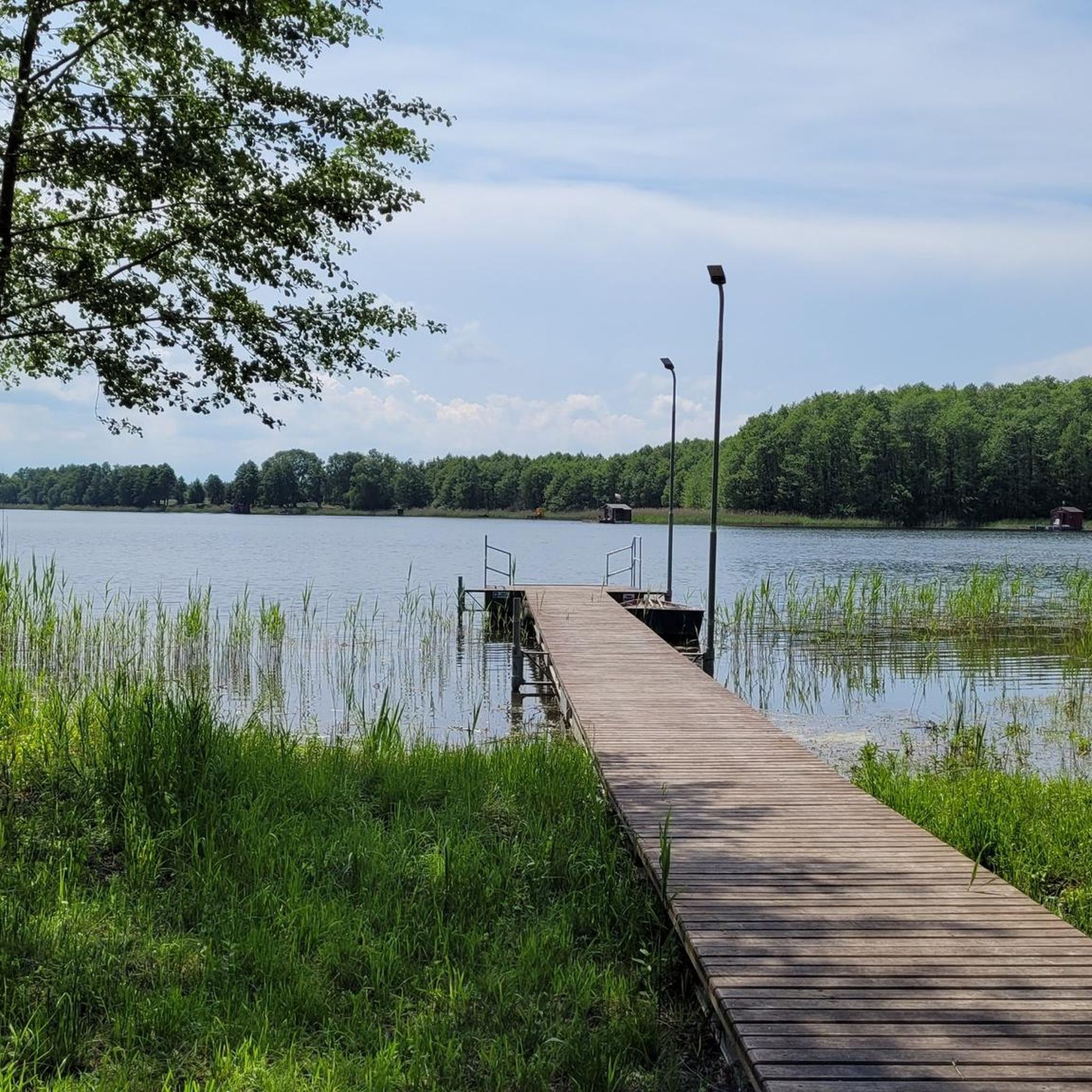
Gmina Ostrowite is largely situated within the beautiful Powidz Landscape Park, offering extensive forests, meadows, and the central feature, Lake Powidzkie. You can enjoy beaches, campsites, and a modern marina in Kosewo. The proposed "Jezioro Kańskie" Strict Aquatic-Peatland Reserve also protects unique ecosystems and wildlife. Don't miss the Skorzęcin Pier on Lake Powidzkie for scenic views and recreational access.
Are there significant historical sites to visit in the Gmina Ostrowite region?
Yes, the region is rich in history. You can visit the impressive 19th-century Palace Complex in Giewartów, which includes a classical chapel and a significant parish church. Other historical residences include manor houses in Naprusewo, Kosewo, and Mieczownica. A notable historical landmark is the Former Prussian-Russian Border Crossing at Anastazewo, where you can see the old customs house and Russian guardhouse.
What outdoor activities can I do around Gmina Ostrowite?
The area offers numerous opportunities for outdoor enthusiasts, especially within the Powidz Landscape Park. You can find many walking, cycling, and running routes. For specific running trails, check out the Running Trails around gmina Ostrowite guide. If you prefer cycling, explore the Cycling around gmina Ostrowite guide, or for off-road adventures, the Gravel biking around gmina Ostrowite guide.
Are there any family-friendly attractions in Gmina Ostrowite?
Absolutely! Many attractions cater to families. The Former Prussian-Russian Border Crossing at Anastazewo offers an interesting historical lesson. The Witkowo Historic Windmill is a fascinating educational site where children can learn about historical technology. Additionally, the recreational areas around Lake Powidzkie, with beaches and camping, are perfect for family outings.
Where can I experience the local culture or unique heritage of Gmina Ostrowite?
To experience local culture and heritage, visit the Wooden Church in Linówiec, a beautiful 18th-century structure with unique Baroque-folk art. The Parish House (Organistówka) in Ostrowite, built after WWI, also served as a cultural hub for the community. The planned Memorial Chamber of the January Uprising in the Mieczownica palace will offer insights into a significant historical event.
What is the best time of year to visit Gmina Ostrowite for outdoor activities?
The best time to visit Gmina Ostrowite for outdoor activities like hiking, cycling, and enjoying the lakes is typically during the warmer months, from late spring to early autumn (May to September). During this period, the weather is most favorable for exploring the Powidz Landscape Park, swimming in Lake Powidzkie, and utilizing the numerous recreational routes.
Are there any archaeological sites in the Gmina Ostrowite area?
Yes, the region holds archaeological significance. In Jarotki, you can find a Lusatian culture cremation cemetery within a 19th-century manor park, which is under archaeological observation. Another key site is the Archaeological Open-Air Museum in Kownaty-Mrówki, which features reconstructions of early medieval strongholds and cottages, offering a glimpse into ancient settlements.
Can I find places for swimming or relaxing by the water in Gmina Ostrowite?
Absolutely. Lake Powidzkie is a major draw for water activities. You'll find numerous beaches, bathing areas, and camping fields along its shores. The Skorzęcin Pier is a central point for accessing the lake and enjoying recreational activities, making it a popular spot for relaxation and water sports.
What unique architectural or engineering sights can I discover in the region?
Beyond historical palaces, Gmina Ostrowite features some unique sights. The Witkowo Historic Windmill, dating from the second half of the 19th century, is a thoroughly renovated example of historical technology that can still grind flour. In Ostrowite itself, you can find an original metal tower from the 1930s that once served as a 'lighthouse' for aviators, along with a brine graduation tower.
What do visitors enjoy the most about the attractions in Gmina Ostrowite?
Visitors appreciate the diverse range of attractions, from historical landmarks to natural landscapes. The Former Prussian-Russian Border Crossing at Anastazewo is noted as a 'Historic place.' The Skorzęcin Pier is loved for its 'Daily fun with live music. Beach. Forests. A paradise for anglers. Amusement park. Water equipment rental. Wakeboard. Parties.' The blend of cultural heritage and natural beauty, especially around Lake Powidzkie, makes the area highly enjoyable.
Are there any lesser-known historical places worth discovering in Gmina Ostrowite?
Beyond the main highlights, you can explore the village of Kąpiel, known for a 20th-century economic mill and an inn with a coach house. Siernicz Wielki and Skrzynka Mała also hold remnants of material culture, including the remains of a 19th-century manor complex within a park in Siernicz Wielki, offering a glimpse into the region's past.
Is Gmina Ostrowite suitable for dog owners?
While specific dog-friendly facilities are not detailed, the extensive natural areas within the Powidz Landscape Park and around Lake Powidzkie offer many opportunities for walks with dogs. It's always recommended to keep dogs on a leash and clean up after them, especially in protected areas and near beaches.
Most popular routes around gmina Ostrowite
Most popular attractions around gmina Ostrowite

Get inspired with the komoot mobile app


Explore more
Still not found the Highlight you’re looking for? See guides of the top attractions in other regions:
