The best cycling routes around Osieczna
4.7
(174)
878
riders
23
rides
Touring cycling around Osieczna offers routes through a landscape characterized by moraine hills, forests, and the tranquil Łoniewskie Lake. The area features varied terrain, including scenic trails that wind through natural settings and charming villages. Historic windmills and architectural landmarks provide points of interest along many routes. The region's topography allows for both gentle lakeside rides and routes with moderate elevation changes.
Best touring cycling routes around Osieczna
- The most popular touring cycling route is Rydzyna Reservoir – Zalew Rydzyna…
Last updated: July 7, 2026
4.9
(18)
75
riders
47.4km
03:18
180m
180m
Moderate bike ride. Good fitness required. Mostly paved surfaces. Suitable for all skill levels.
4.4
(5)
44
riders
18.5km
01:24
100m
100m
Easy bike ride. Great for any fitness level. Mostly paved surfaces. Suitable for all skill levels.

Sign up for free
5.0
(4)
36
riders
33.6km
02:15
160m
160m
Moderate bike ride. Good fitness required. Mostly paved surfaces. Suitable for all skill levels.
5.0
(6)
17
riders
Easy bike ride. Great for any fitness level. Mostly paved surfaces. Suitable for all skill levels.
8
riders
22.6km
02:05
200m
200m
Moderate bike ride. Good fitness required. Mostly paved surfaces. Suitable for all skill levels.
Get access to more routes and recommendations from other explorers.
Sign up for free
Already have an account?
Our route recommendations are based on thousands of hikes, rides, and runs completed by other people on komoot.
Start today with a free account
Your next adventure awaits.
Login or Signup
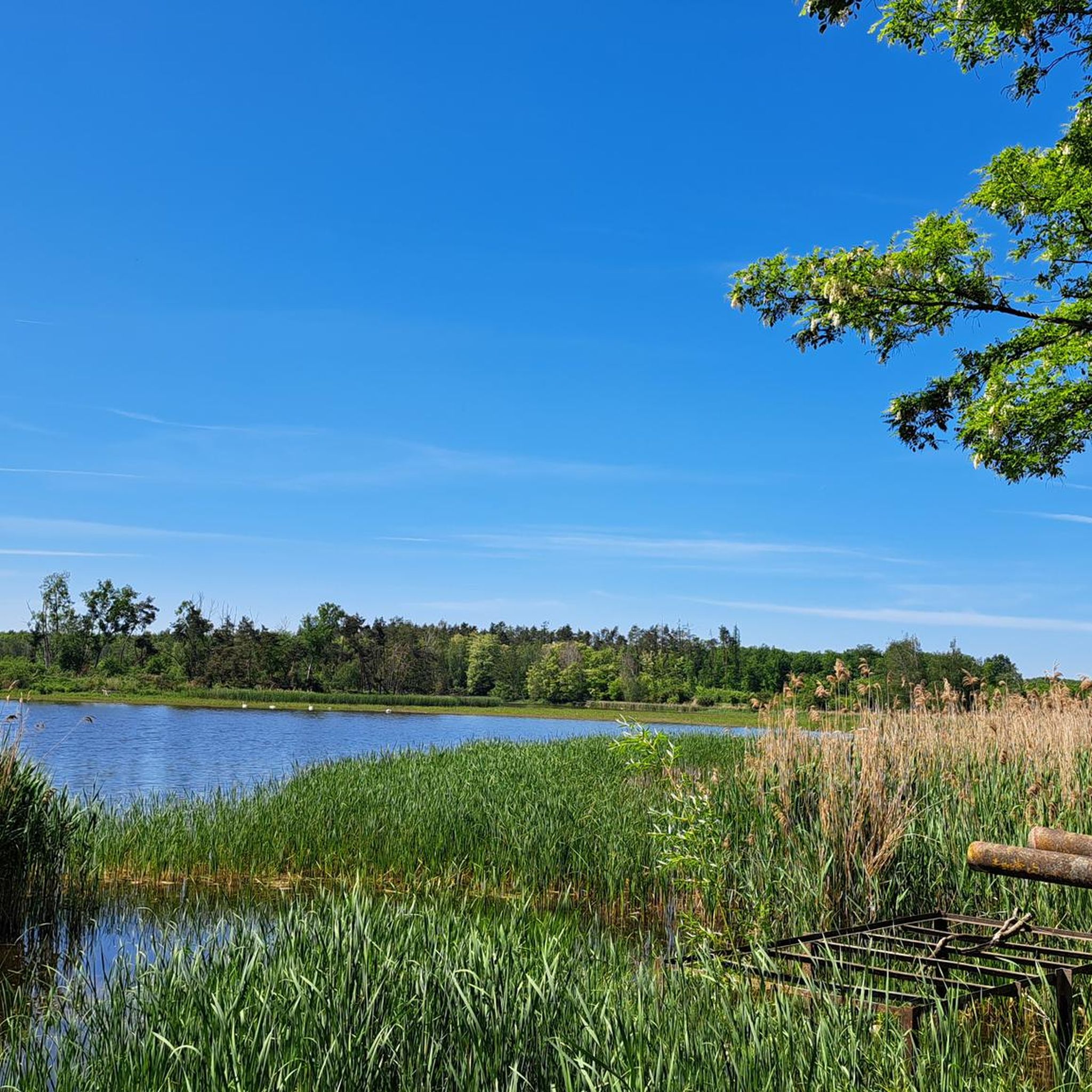

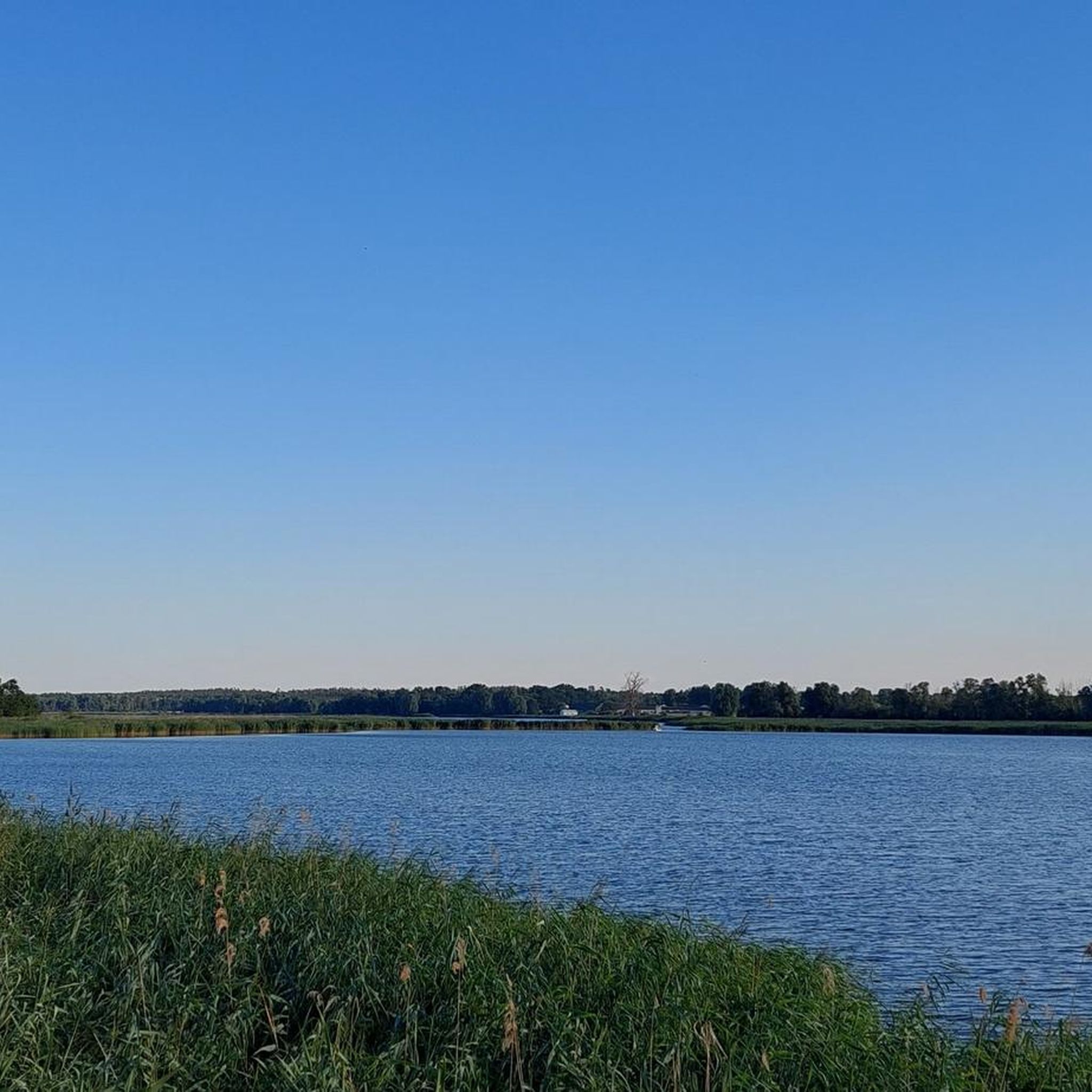
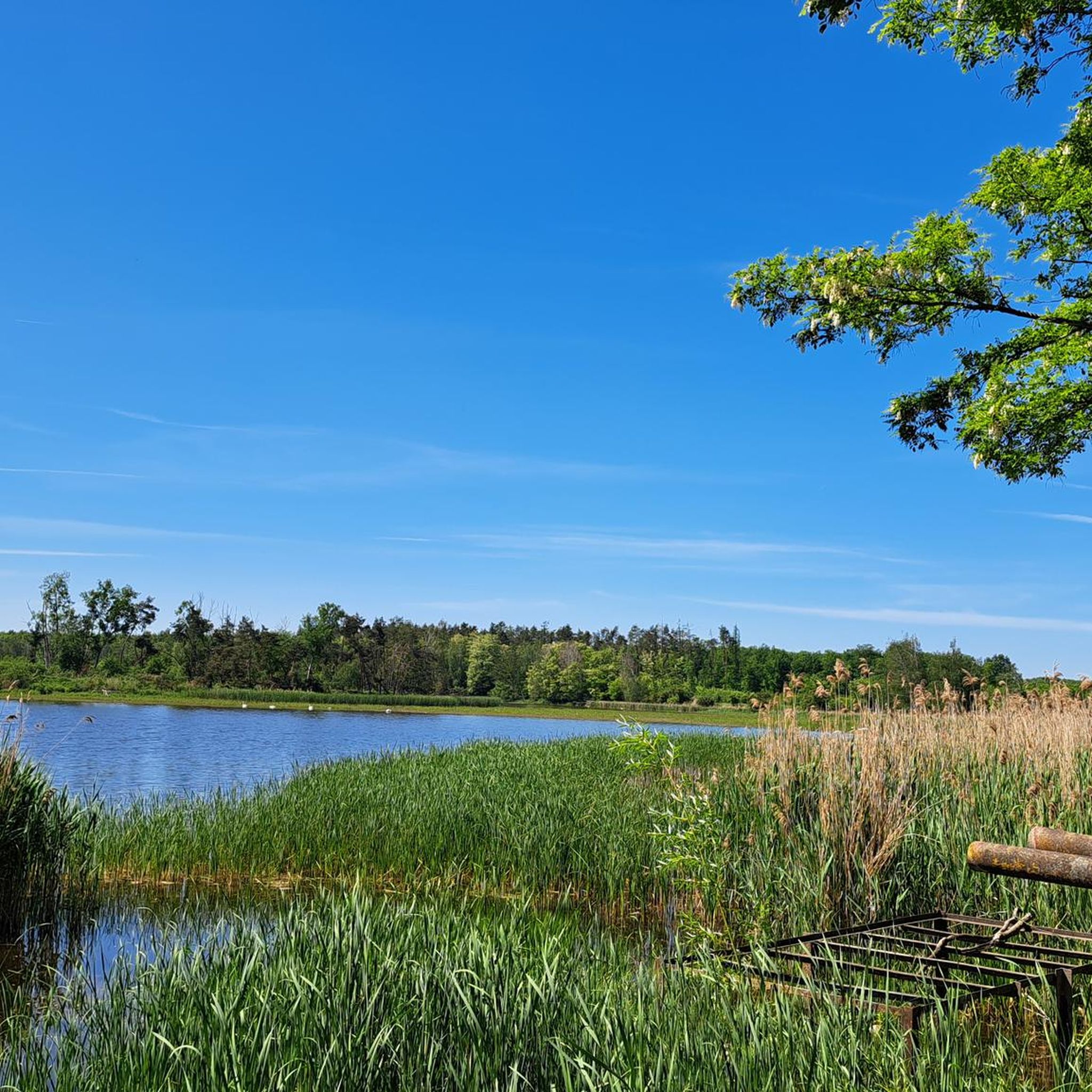

Tips from the Community

A steep and bumpy path leads to the tower. A little further on, a wide, much longer forest road leads to it.
1
0
The stadium opened in 1977 and has been primarily used for speedway racing since its inception. It is one of the most important and well-known speedway stadiums in Poland. In front of the stadium stands a statue of Alfred Smoczyk – an outstanding Polish speedway rider, the 1949 Polish champion, who tragically died in a motorcycle accident. He was associated with Leszno and the Unia Leszno club.
1
0


Church of St. Luke the Evangelist from the 2nd half of the 17th century. Built from the foundation of the castellan of Ląd, Wojciech Skarbek-Malczewski and Jan Daleszyński. Renovated with the expansion of the presbytery in 1731 at the initiative of Stanisław Malczewski. In 1853, a brick chapel of the Transfiguration of the Lord was added from the foundation of Jan Modlibowski. In the years 1929-30, a brick side nave was added. In the years 1965-66, polychrome was made. Restored in 1989. Construction and equipment. Wooden church, originally a single-nave log construction. Oriented. Smaller presbytery than the nave, closed on three sides with a side sacristy and a brick chapel. Chapel with neo-Gothic features built on a pentagonal plan with a turret for a bell tower. Side brick nave. Tower from the front, of a skeleton construction, two-storey with a narrower upper part with a porch on the ground floor and a clock. Topped with a tin cupola with a spire. Double-ridge roof, covered with sheet metal with a quadrangular turret for a bell. Topped with a tented roof with a lantern and a pennant with the date "1731" and the initials of the founder "WSM". Flat ceiling inside, cruciform in the chapel. Choir supported on two columns with a Baroque organ prospect with 10 voices from the 1st half of the 18th century, rebuilt in 1930 by Władysław Prelate. Straight-line parapet decorated with paintings with 9 images of Saints. Rainbow beam with the Passion Group from around the mid-18th century. 19th century. Late Baroque: main altar and two side altars, pulpit (with sculptures of the four Evangelists and a figure of Saint Stanislaus) and baptismal font (supported by a figure of an angel) from 1737. In the chapel, an altar from 1853 with classicist features. Two late Baroque crucifixes. Sculptures of the apostles by Andrzej Majchrzak. Neo-Gothic rectory from the end of the 19th century.
0
0
The wooden structure is 30m high, and the main viewing terrace is located about 25m above the ground, which corresponds to the height of the 8th-9th floor in the building There are 152 steps to the top. It is located on a hill in the forest, south of Osieczna, with access via a marked path from the parking lot The opening took place on December 18, 2021, when it replaced the previous, 8-meter tower from 2006, demolished in 2018 due to its technical condition
2
0

During his career he represented LKM Unia Leszno and CWKS Warszawa. Individual Polish Speedway Champion (Leszno, 1949). He died tragically in a motorcycle accident in the Kąkolewski Forest. Since 1951, Leszno has hosted a speedway tournament called the Alfred Smoczyk Memorial, held since 1953 at the stadium named after the speedway rider.
0
0

It's a pity that the water is very dirty... zero visibility :(
0
0
Frequently Asked Questions
What kind of terrain can I expect when touring cycling around Osieczna?
Touring cycling around Osieczna offers a diverse landscape. You'll encounter moraine hills, forests, and the tranquil Łoniewskie Lake. Routes feature varied terrain, from easy asphalt paths to moderate trails that wind through natural settings and charming villages. Expect a mix of paved surfaces and natural scenery.
How many touring cycling routes are available in the Osieczna area?
There are over 25 touring cycling routes around Osieczna. These include 20 easy routes and 5 moderate routes, providing options for various skill levels.
Are there touring cycling routes suitable for beginners or those seeking an easier ride?
Yes, Osieczna offers several easy touring cycling routes. For example, the Cycle Path to Osieczna – Asphalt Bike Path loop from Osieczna is an easy 12.3-mile (19.9 km) trail primarily on an asphalt bike path. Another easy option is the Leszno–Nowa Wieś Bike Path – Bicycle Repair Station loop from Kąkolewo, covering 19.0 km with minimal elevation changes.
What natural features can I expect to see along touring cycling routes in Osieczna?
The routes often pass by the serene Łoniewskie Lake, offering picturesque views and opportunities to observe local flora and fauna. You'll also cycle through lush forests and rolling moraine hills, which define the region's scenic beauty.
Are there any historical landmarks or points of interest to visit while cycling near Osieczna?
Yes, Osieczna and its surroundings are rich in history. You can encounter historic windmills, a Franciscan monastery, the late Gothic Holy Trinity Church, and a castle on Łoniewskie Lake. Nearby, you might visit Rydzyna Castle or the Kopaszewo Palace and Park. The town of Rydzyna, connected by a cycling trip, also features an Agriculture and Milling Museum in a historic windmill.
What do other touring cyclists enjoy the most about touring cycling in Osieczna?
The touring cycling routes in Osieczna are highly rated by the komoot community, with an average score of 4.6 stars from over 180 reviews. Cyclists often praise the varied terrain that blends natural beauty with cultural exploration, including the tranquil lakeside settings and historical landmarks like the windmills.
Are there any circular touring cycling routes in the Osieczna area?
Yes, many routes in Osieczna are designed as loops. For instance, the Rydzyna Reservoir – Zalew Rydzyna loop from Kąkolewo is a popular moderate route that circles the Rydzyna Reservoir. Another option is the Zalew Rydzyna – Leszno–Nowa Wieś Bike Path loop from Kąkolewo, which combines a dedicated bike path with natural scenery.
Are the touring cycling routes in Osieczna suitable for families?
Many of the routes in Osieczna are suitable for families, especially the easier ones with asphalt surfaces and minimal elevation. The region's scenic trails through forests and by lakes provide a pleasant environment for family outings. Consider routes like the Cycle Path to Osieczna – Asphalt Bike Path loop from Osieczna for a more relaxed family ride.
Where can I find parking for touring cycling routes in Osieczna?
While specific parking locations for each trailhead are not detailed, Osieczna is a town with various amenities. It's generally possible to find parking near the starting points of routes, especially in or around the town center or near popular attractions like Łoniewskie Lake.
What is the best time of year to go touring cycling in Osieczna?
The best time to go touring cycling in Osieczna is typically during the spring, summer, and early autumn months. During these seasons, the weather is generally mild and pleasant, allowing for comfortable rides through the forests, by the lake, and past historical sites. The vibrant flora and fauna are also more active and visible during these times.
Are there any viewpoints or panoramic spots along the cycling routes?
Yes, the Jagoda Observation Tower offers a beautiful panorama of Osieczna and its surroundings, providing rewarding views after a ride. The moraine hills also contribute to scenic vistas throughout the region.
Can I combine cycling with other activities in Osieczna?
Absolutely. Osieczna's location by Łoniewskie Lake means you can combine cycling with water activities like swimming, kayaking, or fishing. The town's historical architecture, including the Franciscan monastery and the castle, also offers cultural exploration opportunities to complement your ride.
Most popular attractions around Osieczna

Get inspired with the komoot mobile app


Explore more
Browse the best Cycling routes in other regions.
