Attractions and Places To See around gmina Szczytniki - Top 12
Best attractions and places to see around gmina Szczytniki include a range of historical and cultural sites located in the Kalisz County of Greater Poland Voivodeship. The region features architectural heritage such as Gothic churches and 19th-century manors. Visitors can explore historical parks and archaeological findings, offering insights into the area's past. These sites provide diverse points of interest for those exploring the gmina.
Best attractions and places to see around gmina Szczytniki
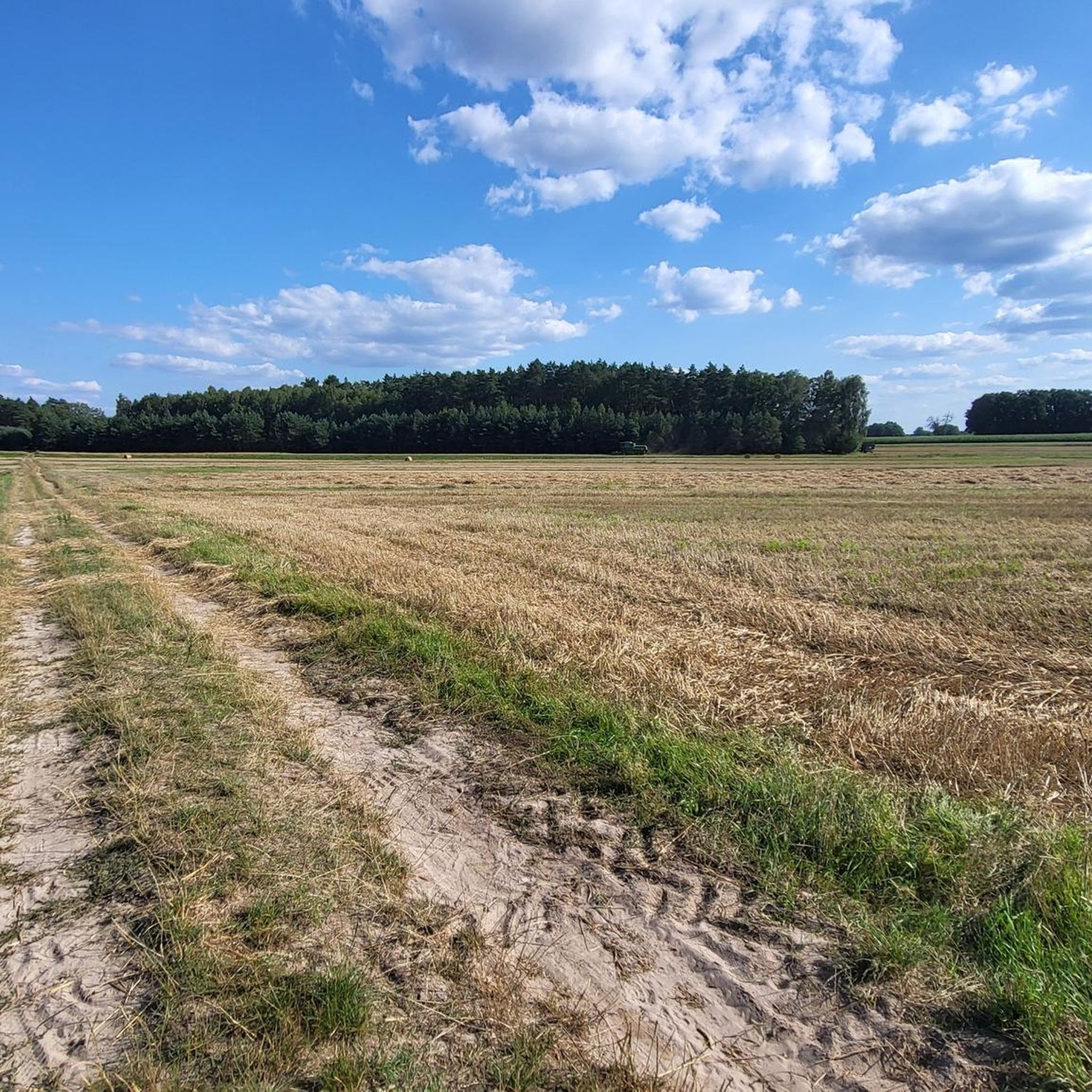
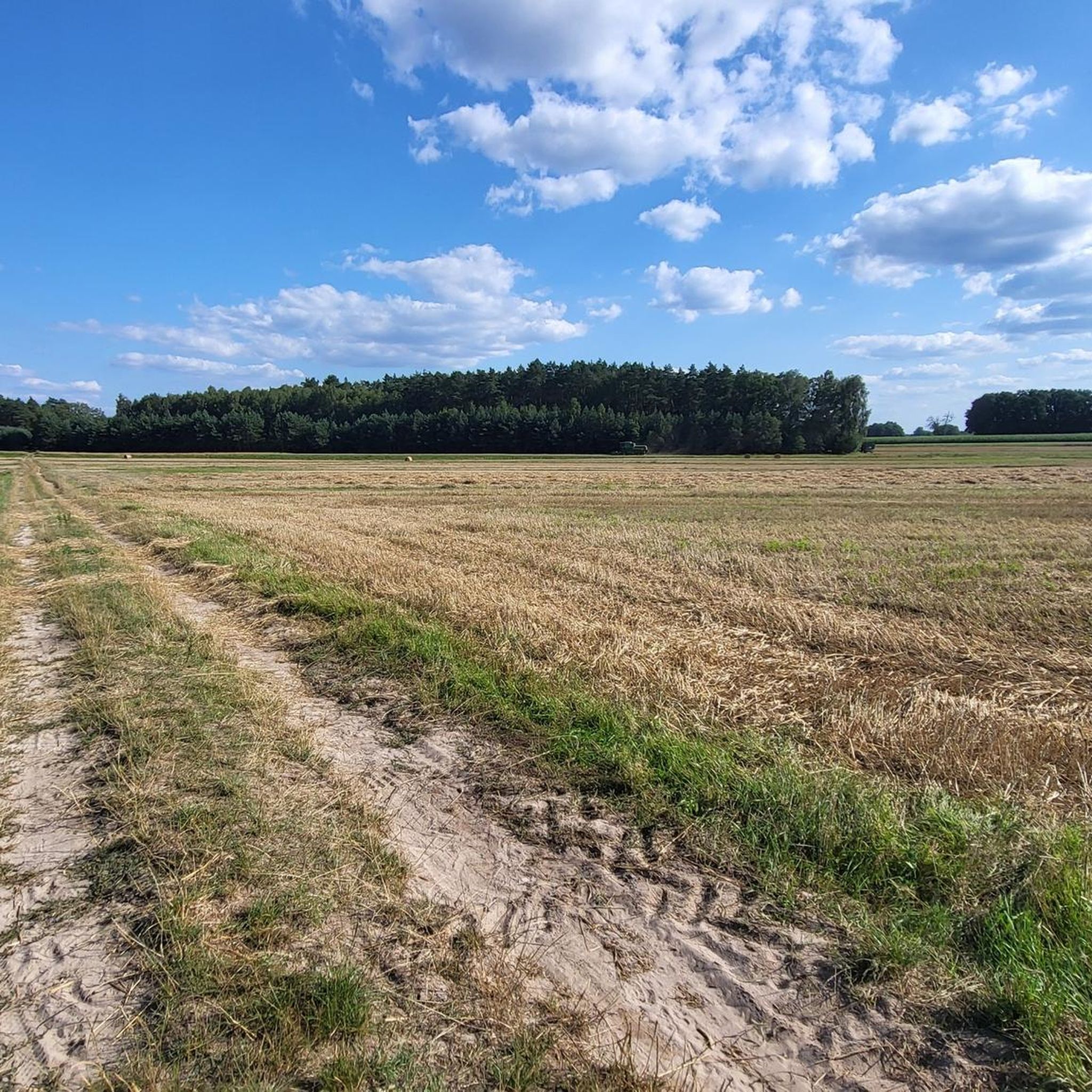
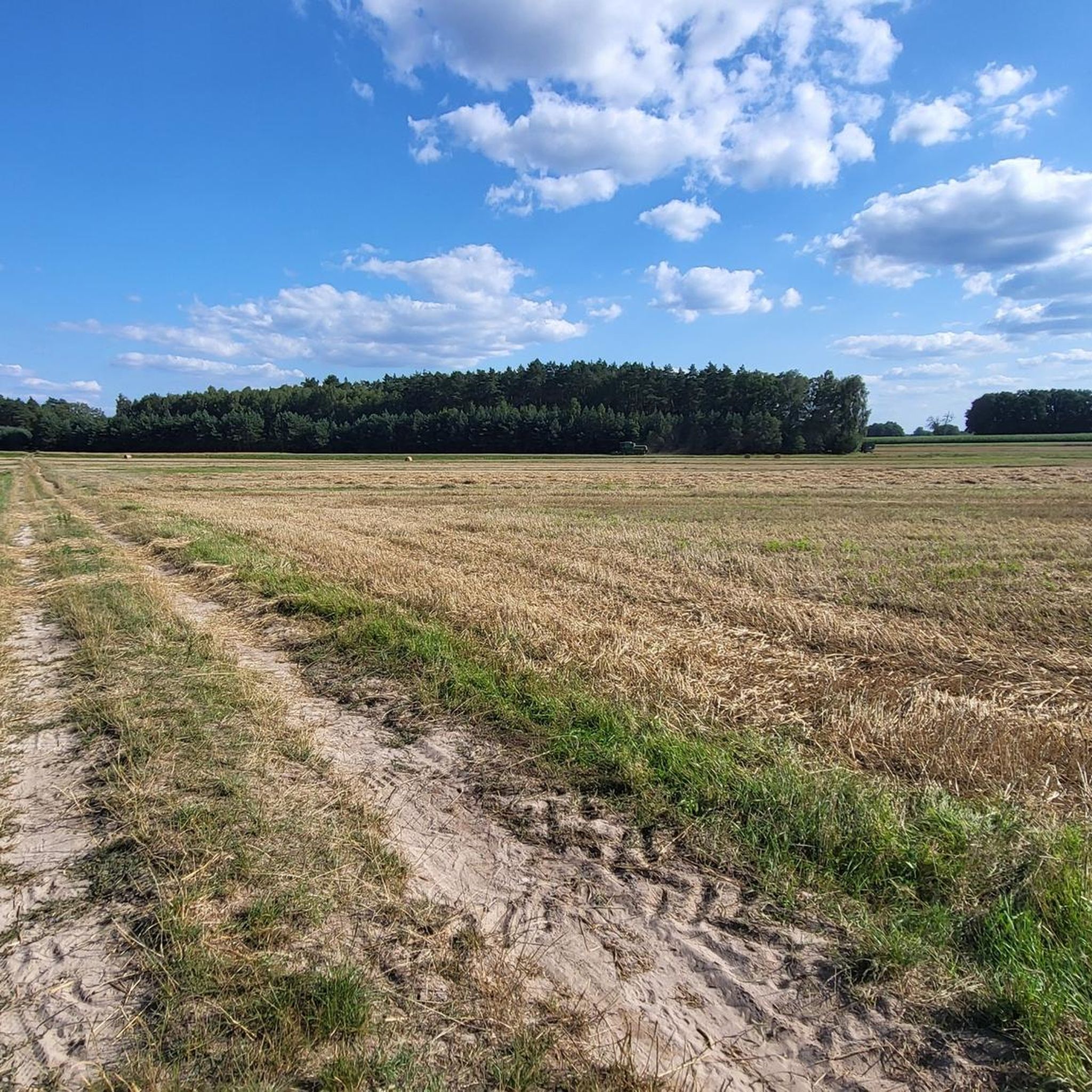
- The most popular attractions is End of the World, a settlement that is considered a unique spot for an expedition. It is described as a place that cannot be missed.
- Another must-see spot is Church of the Immaculate Conception of the Blessed Virgin Mary in Wojków, a religious building. This church dates from the early 20th century, built on the site of a 1646 temple, with the parish first mentioned in 1411.
- Visitors also love Mural of the Legend of the Wanderer, Janek, Kasia, and the Golden Ears, Budynek Tradycji, Godniesze Wielkie, a man-made monument. This mural depicts a scene from a local legend and is painted on the Tradition Building, which was created from the renovation of an old concrete plant.
- gmina Szczytniki is known for its historical churches, manors, and cultural sites. The area offers a variety of attractions to see and explore, including architectural landmarks and historical trails.
- The attractions around gmina Szczytniki are appreciated by the komoot community, with 22 photos and 31 upvotes from visitors.
Last updated: July 15, 2026
End of the World
Highlight • Settlement
Translated by Google •
Tip by

Church of the Immaculate Conception of the Blessed Virgin Mary in Wojków
Highlight • Religious Site
parafiawojkow.pl
Translated by Google •
Tip by

Sign up now to discover places like this
Get recommendations on the best single tracks, peaks, & plenty of other exciting outdoor places.
Sign up for free
Cukierenka Gothic House, Opatówek
Highlight • Historical Site
Translated by Google •
Tip by

Saint Bartholomew Wooden Church, Godziesze Wielkie
Highlight • Religious Site
A wooden church, single-nave, log construction. Oriented. Two low chapels on the sides, rectangularly closed. A smaller presbytery from the nave, closed on three sides with a sacristy on the side, with a collator's lodge on the first floor. A porch at the front of the nave. A double-ridge roof, covered with sheet metal with a square turret for a bell tower. Topped with an onion-shaped dome with a lantern and a cross. The gable of the nave at the front with a pennant with the date "1782". Inside, a flat ceiling with a facet. Choir supported by two pillars, a slightly bulging parapet in the central part with a 13-voice organ. Rainbow beam with a small Late Gothic Passion Group from the late 16th century. Rococo main altar from 1783. Two Baroque side altars from the 18th century and a third Rococo from 1803. Baroque pulpit and baptismal font from the 1st half of the 17th century. Late Gothic stone stoup from the late 16th century. Wooden belfry of a pillar structure from the late 18th century. Built on a square plan, covered with a hipped roof.
Translated by Google •
Tip by
Translated by Google •
Tip by
Sign up for free to discover even more attractions around gmina Szczytniki.
Sign up for free
Already have an account?
Start today with a free account
Your next adventure awaits.
Login or Signup
Tips from the Community

The local community has embraced the End of the World idea, creating such a beautifully designed spot near the forest. It's closed and unattended, but you can still take shelter under the shelter in case of a bad weather, for example.
0
0

Church of St. Bartholomew the Apostle from 1781-82. Built at the initiative of parish priest Mikołaj Panecki. In 1867, a chapel from Wola Droszewska, dedicated to the Transfiguration of the Lord from 1789, was added to the church. Another was added in 1905. Renovated in the 1990s. A wooden church, single-nave, log construction. Oriented. Two low chapels on the sides, rectangularly closed. A smaller presbytery from the nave, closed on three sides with a sacristy on the side, with a collator's lodge on the first floor. A porch at the front of the nave. A double-ridge roof, covered with sheet metal with a square turret for a bell tower. Topped with an onion-shaped dome with a lantern and a cross. The gable of the nave at the front with a pennant with the date "1782". Inside, a flat ceiling with a facet. Choir supported by two pillars, a slightly bulging parapet in the central part with a 13-voice organ. Rainbow beam with a small Late Gothic Passion Group from the late 16th century. Rococo main altar from 1783. Two Baroque side altars from the 18th century and a third Rococo from 1803. Baroque pulpit and baptismal font from the 1st half of the 17th century. Late Gothic stone stoup from the late 16th century. Wooden belfry of a pillar structure from the late 18th century. Built on a square plan, covered with a hipped roof.
0
0
The mural depicts a scene from the legend of the wanderer Janek, Kasia, and the golden ears of corn, the content of which is quoted on the board next to the mural. The mural was painted on the Tradition Building, which was created as a result of the renovation of an old concrete plant.
0
0
The Gothic House located on Kościelna Street in Opatówek is associated with General Józef Zajączek, the governor of the Kingdom of Poland. The house was part of the property that the general received from Napoleon Bonaparte in recognition of his military merits. Unfortunately, it is not known exactly when the building was built. It is estimated, however, that it took place at the beginning of the 19th century. In the interwar period, the building housed a kindergarten of the National Women's Organization, and the building owes its current name to a candy factory that had been operating there since the late 1930s. After the war, the building was inhabited, but in the following years it gradually fell into disrepair. Then the building was taken over by the local government, whose efforts, under the supervision of the conservator, restored the "Cukierenko" by restoring the characteristic pinnacles and large Gothic windows. The non-original annexes were demolished, and the newly added wing with Gothic windows became the seat of the Giller Brothers Communal Public Library.
0
0

Right next to the church there is a great gravel track through the forest.
0
0

It's a pity that people mess around so much 😡, it would be nicer if it was tidy and clean.
0
0


The parish of the Blessed Virgin Mary Immaculately Conceived in Wojków, a church from the early 20th century, built on the site of a temple from 1646. The first mention of the parish comes from 1411. https://parafiawojkow.pl/
0
0
Frequently Asked Questions
What historical sites can I explore in gmina Szczytniki?
Gmina Szczytniki is rich in historical sites. You can visit the Church of the Immaculate Conception of the Blessed Virgin Mary in Wojków, which dates from the early 20th century on the site of a 1646 temple. Another significant religious building is the Roman Catholic Parish Church of St. Catherine in Iwanowice, a Gothic church built around 1460. The Cukierenka Gothic House in Opatówek, an early 19th-century building associated with General Józef Zajączek, also offers a glimpse into the past. Additionally, the Saint Bartholomew Wooden Church in Godziesze Wielkie, built in 1781-82, showcases unique wooden architecture.
Are there any unique or unusual attractions in gmina Szczytniki?
Yes, gmina Szczytniki offers a few unique spots. One notable highlight is End of the World, a settlement described as a unique spot for an expedition. Another is the Mural of the Legend of the Wanderer, Janek, Kasia, and the Golden Ears in Godniesze Wielkie, which depicts a local legend on the Tradition Building.
What kind of outdoor activities can I do near the attractions in gmina Szczytniki?
You can enjoy various outdoor activities, especially hiking and running. There are several routes available, such as the moderate 'Zbiornik Murowaniec loop from Rogal' or the easy 'Szałe Reservoir loop from Nędzerzew'. For more options, you can explore the hiking routes around gmina Szczytniki or check out the running trails.
Are there any family-friendly attractions in gmina Szczytniki?
Yes, several attractions are suitable for families. The Church of the Immaculate Conception of the Blessed Virgin Mary in Wojków and the Cukierenka Gothic House in Opatówek are both considered family-friendly. The historical parks, such as the Manor Park in Szczytniki, also provide pleasant green spaces for relaxation and recreation.
Where can I find information about the history and heritage of gmina Szczytniki?
Gmina Szczytniki has a rich historical and cultural heritage. You can learn more about its past by exploring the 'Historical Trail of Gmina Szczytniki and its exceptional residents,' which features 12 information boards in various locations like Szczytniki, Iwanowice, Staw, and Marchwacz. These boards provide historical information, archival photos, and documents. For more details on the trail, you can visit the official gmina website: Historical Trail of Gmina Szczytniki.
Are there any parks or green spaces in gmina Szczytniki?
Yes, gmina Szczytniki features historical gardens and parks that offer green spaces. The Palace Park in Marchwacz and the Manor Park in Szczytniki are notable examples. The Manor Park in Szczytniki, dating from the 18th to 20th centuries, has been revitalized and serves as a public space for social and recreational activities.
What are the main architectural styles found in gmina Szczytniki's historical buildings?
The historical buildings in gmina Szczytniki showcase various architectural styles. You'll find Gothic architecture, notably in the Roman Catholic Parish Church of St. Catherine in Iwanowice. There are also 19th-century manors, such as the Manor in Radliczyce and the Manor in Mroczki Wielkie, reflecting the styles of that period. The Saint Bartholomew Wooden Church in Godziesze Wielkie is a prime example of traditional wooden church architecture from the late 18th century.
Can I find archaeological sites in gmina Szczytniki?
Yes, gmina Szczytniki has archaeological significance. Remains of defensive manors have been found in Staw, including a late-medieval wooden structure and a more modern brick one. Archaeological layers indicating urban layouts from historical times can also be found in Iwanowice and Staw, offering insights into the region's ancient past.
What do visitors say about the attractions in gmina Szczytniki?
Visitors appreciate the unique and historical aspects of gmina Szczytniki. For instance, the End of the World is described as a 'unique spot' and an 'expedition that cannot be missed.' The Mural of the Legend of the Wanderer receives praise for being 'beautiful.' The historical churches are noted for their rich history and architectural details.
Are there any easy hiking trails suitable for beginners in gmina Szczytniki?
Yes, gmina Szczytniki offers several easy hiking trails. You can explore routes like the 'Zbiornik Murowaniec loop from Osuchów,' the 'Szałe Reservoir loop from Nędzerzew,' or the 'Falcon 9 Rocket Sculpture loop from gmina Godziesze Wielkie.' These trails are generally less challenging and perfect for a relaxed walk. More options can be found in the easy hikes guide for gmina Szczytniki.
What are some of the historical figures associated with gmina Szczytniki?
Gmina Szczytniki is connected to several significant historical figures. Jan Gruszczyński (1405-1473), born in Iwanowice, was a prominent chancellor and primate of Poland. Another notable figure from Iwanowice is Father Augustyn Kordecki (1603-1673), renowned for his heroic defense of Jasna Góra.
Where can I find more general information about gmina Szczytniki?
For more general information about gmina Szczytniki, including details on its administration and other local aspects, you can refer to the official gmina website. A good starting point for information about the gmina is this page.

Get inspired with the komoot mobile app


Explore more
Still not found the Highlight you’re looking for? See guides of the top attractions in other regions:
