Attractions and Places To See around Żerków - Top 20
Attractions and places to see around Żerków offer a blend of historical sites, natural beauty, and cultural experiences. The town, located in the Greater Poland Voivodeship, is known for its unique corrugated landscape, often referred to as the "Żerków Switzerland." This area features a diversified post-glacial terrain, including the Żerków-Czeszewo Landscape Park, which provides a scenic backdrop for exploration. Visitors can find a variety of landmarks, natural features, and recreational opportunities.
Best attractions and places to see around Żerków
- The most popular attractions is Miłosław Palace, a man-made monument that is a 19th-century Classicist residence. Rebuilt in the 1960s, it now houses a school and is surrounded by a picturesque park.
- Another must-see spot is Radoliński Palace, a historic castle in Jarocin. This palace was designed in the English Neo-Gothic style by Friedrich August Stüler and built between 1848 and 1865.
- Visitors also love Ruins of the Opaliński Palace in Radlin, a historical site that was once an impressive 16th-century residence. Today, only fragments remain, offering a glimpse into its past as the first palace and garden complex of its kind in Greater Poland.
- Żerków is known for its historical sites, natural landscapes, and cultural experiences. The region offers a variety of attractions to see and explore, from palaces and ruins to expansive landscape parks.
- The attractions around Żerków are appreciated by the komoot community, with more than 35 upvotes and 16 photos shared by visitors.
Last updated: August 25, 2026
Miłosław Palace
Highlight • Monument
Translated by Google •
Tip by

Ruins of the Opaliński Palace in Radlin
Highlight • Historical Site
Translated by Google •
Tip by
Sign up now to discover places like this
Get recommendations on the best single tracks, peaks, & plenty of other exciting outdoor places.
Sign up for free
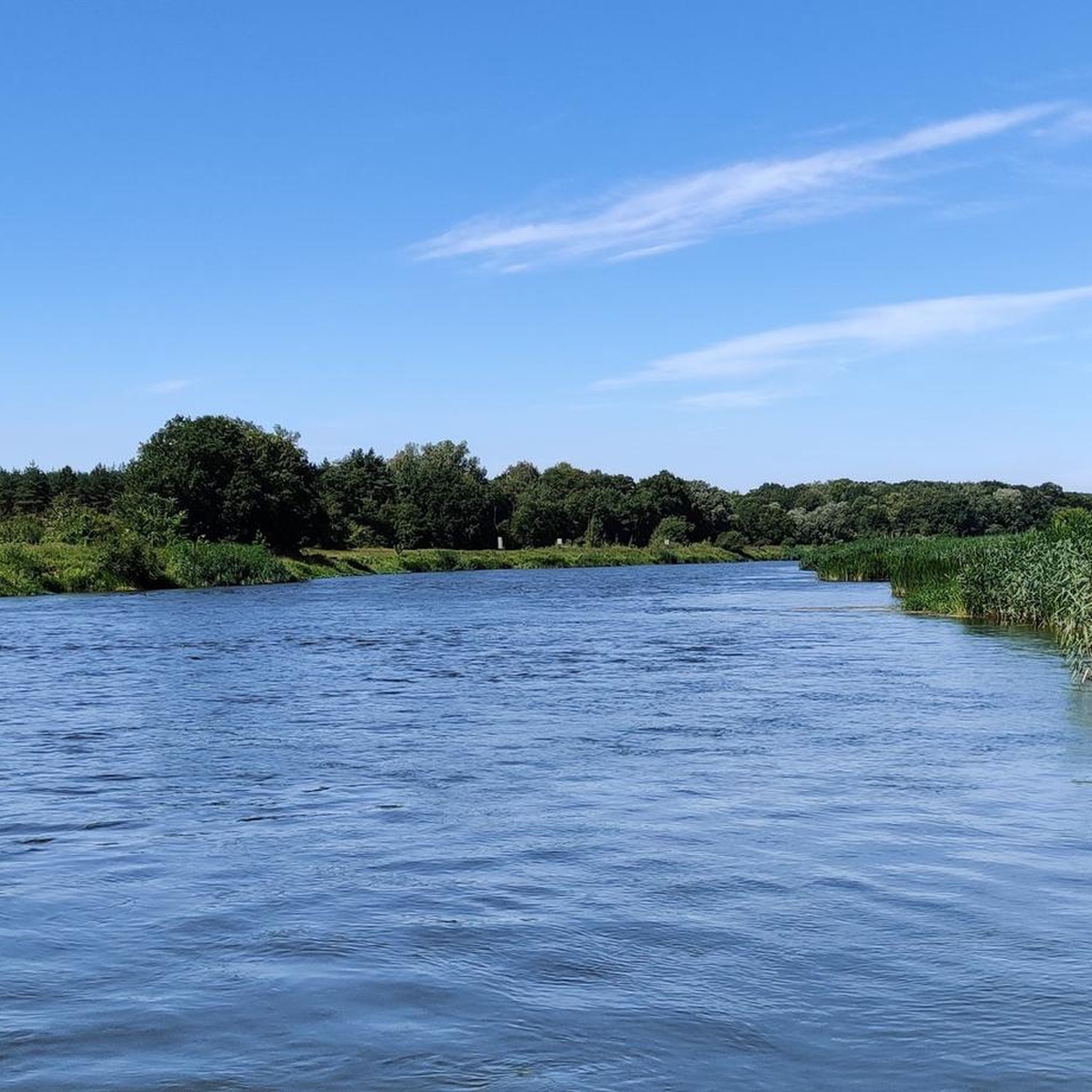
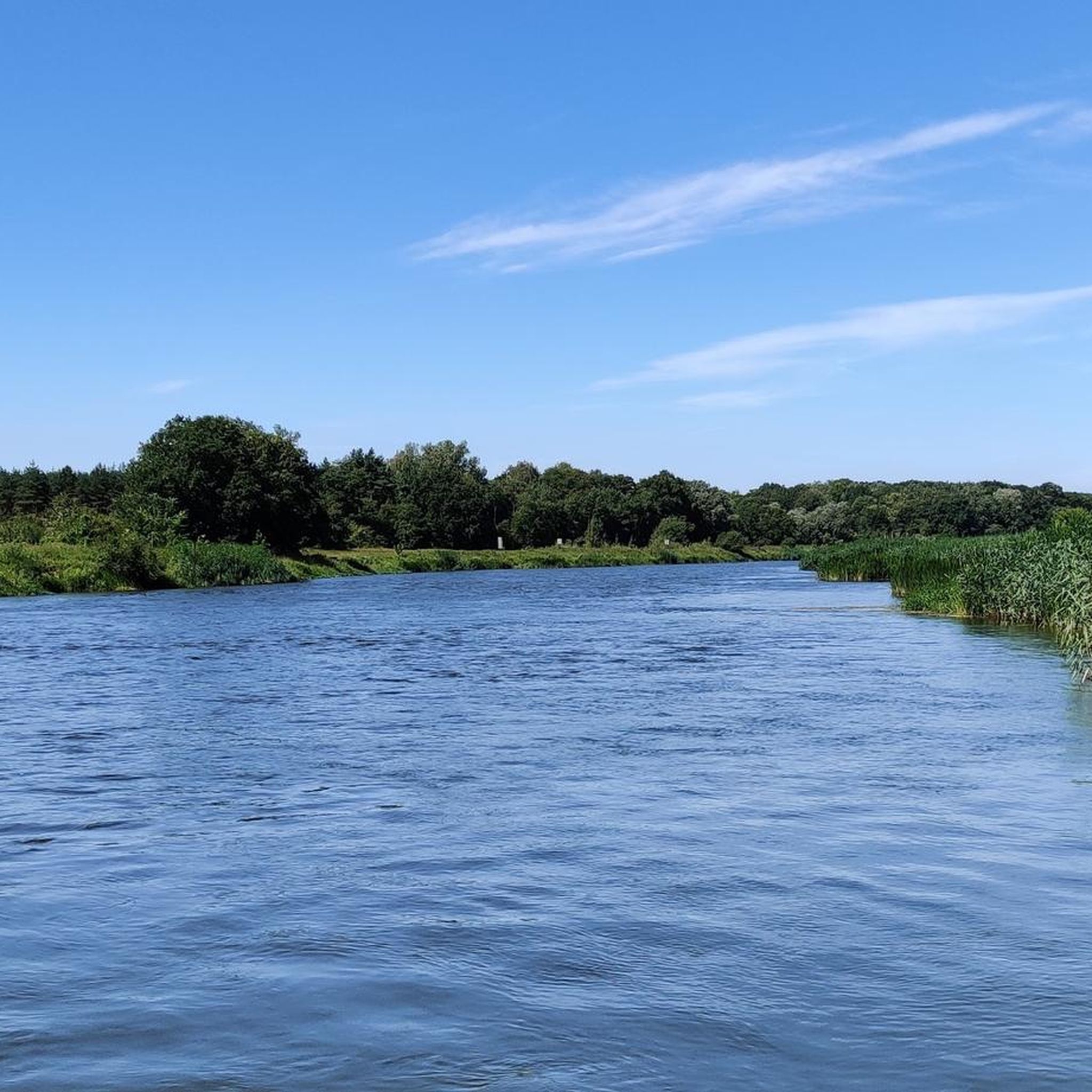
Ferry crossing
Highlight • Rest Area
In 2025, the ferry will be operational, but it is worth checking it in advance.
Translated by Google •
Tip by

Adam Mickiewicz Museum and Gardens in Śmiełów
Highlight • Historical Site
Translated by Google •
Tip by
Radoliński Palace
Highlight • Castle
Tip by

Sign up for free to discover even more attractions around Żerków.
Sign up for free
Already have an account?
Start today with a free account
Your next adventure awaits.
Login or Signup

Tips from the Community

The palace was built in the early 19th century at the request of Józef Mielżyński, according to a design by K.F. Schinkel, as a (then relatively modest) villa-palace. In the mid-19th century, it was expanded to include the wings of the southern façade, the western wing, and a tower in the Neo-Renaissance style. The reconstruction was designed by Count Seweryn Mielżyński himself. He intended to designate the eastern wing of the façade as a picture gallery. The next reconstruction took place at the end of the 19th century. It was carried out by the next owner of Miłosław, Józef Kościelski, to whom the palace owes its regular façade wings, the Grand Order portico, the balustrade-like finial, and the additional tower story, among other things. Thanks to these efforts, the palace acquired the classic appearance of a Neo-Renaissance residence. The façade, with its central projection and Grand Order portico, is particularly impressive. Four Ionic columns support the architrave, which supports the triangular pediment. The avant-corps is connected to the side wings, which protrude significantly from the facade, and feature charming galleries decorated with vases. A quadrangular tower, topped by a belvedere surrounded by a balustrade, dominates the entire structure. The garden façade is enhanced by a perpendicularly added wing. The palace stands in a beautiful landscaped park. (naprzekordniom.wordpress.com) Currently (October 2025), the building is undergoing facade renovations.
0
0

It may look more interesting from a bird's eye view (filming/photographing with a drone).
0
0

Miłosław Palace is a 19th-century Classicist residence located in the southern part of the city. Built as a Neo-Renaissance villa designed by Karl Friedrich Schinkel, it was subsequently expanded several times, including by Seweryn Mielżyński. In its heyday, it served as an "open house," hosting distinguished writers, musicians, and painters, and housed a museum housing a valuable art collection. Burnt down in 1945, it was rebuilt in the 1960s, preserving its original appearance. Today, it houses a school, and the building is surrounded by a picturesque park, worth visiting on a bicycle tour of the area.
3
0

It is worth checking when planning whether the ferry runs
0
0
An interesting attraction in Jarocin
0
0
Radoliński Palace in Jarocin – a historic palace in Jarocin. The main family seat of the Radoliński family from Greater Poland, bearing the Leszczyc coat of arms. Designed in the English Neo-Gothic style by the Prussian royal architect Friedrich August Stüler, commissioned by Władysław Radoliński. Built between 1848 and 1865. Architectural style: Neo-Gothic
0
0
The Opaliński Palace in Radlin was one of the most impressive residences in 16th-century Greater Poland and the first palace and garden complex in the region with such a modern layout. It consisted of a quadrangular building with a cloistered courtyard, a gate tower and an Italian garden with a chapel – today serving as a cemetery. After centuries of neglect and changes of owners, the palace was demolished in the 19th century by Władysław Radoliński, who used its bricks to build a residence in Jarocin. Today, only fragments of its former glory have survived in Radlin, but for cyclists interested in history, it is an interesting point on the map of Greater Poland – it is worth stopping here for a while.
3
0
The classicist Gorzeński Palace in Śmiełów is now home to the Adam Mickiewicz Museum – a unique place on the map of Wielkopolska, especially for lovers of literature and history. It was here that Mickiewicz stayed in 1831, trying to get through to the November Uprising. The interior of the palace conceals numerous Masonic elements, and the museum exhibition is devoted to the life and work of the bard, with separate rooms for "Pan Tadeusz" and "Dziady". The park surrounding the residence with Zosia's Garden and the Mickiewicz bench is also worth visiting.
3
0
Frequently Asked Questions
What historical sites can I explore in and around Żerków?
Żerków and its surroundings are rich in history. You can visit the Baroque Church of Saint Stanislaus, a significant landmark near the market square. Other notable historical sites include the Miłosław Palace, a 19th-century Classicist residence now housing a school, and the impressive Radoliński Palace in Jarocin, designed in the English Neo-Gothic style. Don't miss the fragments of the 16th-century Ruins of the Opaliński Palace in Radlin, once a grand residence.
Are there any natural attractions or scenic viewpoints in the Żerków area?
Absolutely! The region is known for its unique corrugated landscape, often called the “Żerków Switzerland.” The Żerków-Czeszewo Landscape Park offers diverse post-glacial terrain, rich plant communities, and rare flora and fauna. You can also explore the Wał Żerkowski, a range of hills providing beautiful views of distant forests and villages, with a scenic viewpoint available in Brzóstków.
What kind of outdoor activities can I do near Żerków's attractions?
The varied post-glacial landscape around Żerków is perfect for active leisure. You'll find numerous hiking and cycling routes. For specific ideas, check out the Easy hikes around Żerków guide, which includes routes like the Radoliński Palace loop. If you're into cycling, explore the Gravel biking around Żerków guide or the MTB Trails around Żerków guide for more adventurous options.
Are there family-friendly attractions or activities in Żerków?
Yes, Żerków offers several family-friendly options. The Miłosław Palace, with its picturesque park, is a pleasant spot for a stroll. The Ruins of the Opaliński Palace in Radlin can spark imagination about history. Additionally, families can enjoy the "Żerków - a town on the hills" Quest, a field game that involves solving puzzles and riddles to explore the town's history.
What is the best time of year to visit Żerków for outdoor activities?
The region's natural beauty, particularly the 'Żerków Switzerland' landscape and the Żerków-Czeszewo Landscape Park, is best enjoyed during spring, summer, and early autumn. These seasons offer pleasant weather for hiking, cycling, and exploring the historical sites and parks. The vibrant greenery of spring and the rich colors of autumn make for particularly scenic visits.
Where can I find information about hiking trails in the Żerków-Czeszewo Landscape Park?
The Żerków-Czeszewo Landscape Park is ideal for hiking. You can find various routes, including easy options, in the Easy hikes around Żerków guide. These trails allow you to experience the park's unique post-glacial terrain and rich plant communities, especially within the beautiful Czeszewo forests.
What cultural landmarks are there besides palaces and churches?
Beyond the grand palaces and churches, Żerków's Market Square (Rynek) is a historic heart of the town, featuring a monument dedicated to 'Brothers fallen for freedom.' You can also see the Former Horse Post Office at Kościelna 7, a building with stables dating back to the turn of the 18th and 19th centuries, offering a glimpse into past daily life.
Are there any unique historical ruins to visit in the area?
Yes, the Ruins of the Opaliński Palace in Radlin are a significant historical site. Once an impressive 16th-century residence, only fragments remain today, but they offer a fascinating look into what was the first palace and garden complex of its kind in Greater Poland. Another interesting ruin is the Ruins of the Church of the Holy Spirit in Jarocin, originally a hospital church from the 15th century.
What do visitors particularly enjoy about the attractions around Żerków?
Visitors appreciate the blend of historical sites and natural beauty. The picturesque parks surrounding palaces like Miłosław Palace are often highlighted. The opportunity to explore diverse landscapes through hiking and cycling, and the historical depth offered by sites like the Ruins of the Opaliński Palace, are also frequently mentioned as enjoyable aspects.
Are there any other notable churches or religious sites in the wider Żerków region?
Beyond Żerków itself, the region has several other historical religious structures. These include the Church of St. John the Baptist in Brzóstków (1839-40) and the Church of All Saints in Kretków (late 18th/early 19th century). Further afield, you can find the Gothic Kolegiata Najświętszej Maryi Panny Wniebowziętej in Środa Wielkopolska and the historic wooden Sanktuarium Matki Bożej Pocieszenia in Golina, known for its miraculous painting.
What kind of cycling routes are available near Żerków's attractions?
Żerków's varied landscape is excellent for cycling. You can find routes for different preferences, from easy gravel biking to more challenging MTB trails. For example, the Gravel biking around Żerków guide features routes like the 'Bridge Over the Lutynia – Radoliński Palace loop'. For mountain biking, the MTB Trails around Żerków guide offers options such as the 'View of Żerków and the Church loop'.
Most popular attractions around Żerków

Get inspired with the komoot mobile app


Explore more
Still not found the Highlight you’re looking for? See guides of the top attractions in other regions:
