Attractions and Places To See around Barmissen - Top 20
Attractions and places to see around Barmissen, a small locality in the Plön district of Schleswig-Holstein, Germany, primarily consist of natural features and cultural sites in the surrounding region. The area is characterized by its quiet setting within the municipality of Preetz-Land. Visitors can explore various natural reserves and historical sites nearby. The landscape offers opportunities for outdoor activities and cultural exploration.
Best attractions and places to see around Barmissen
- The most popular attractions is Kührener Teich Nature Reserve,…
Last updated: July 7, 2026
Sieversdorf Bridge
Highlight • Bridge
Translated by Google •
Tip by

Wahlstorf Manor
Highlight • Historical Site
“The Wahlstorf estate is a unique oasis where the Orient and the Occident meet in magical nature.”
The Wahlstorf estate, located in the beautiful Holstein Switzerland, …
Translated by Google •
Tip by

Sign up now to discover places like this
Get recommendations on the best single tracks, peaks, & plenty of other exciting outdoor places.
Sign up for free
Kührener Teich Nature Reserve
Highlight • Natural
Translated by Google •
Tip by

Schwentine Oxbow Nature Reserve Trail
Highlight (Segment) • Trail
Translated by Google •
Tip by

Kührener Pond
Highlight • Lake
Translated by Google •
Tip by

Sign up for free to discover even more attractions around Barmissen.
Sign up for free
Already have an account?
Start today with a free account
Your next adventure awaits.
Login or Signup

Tips from the Community

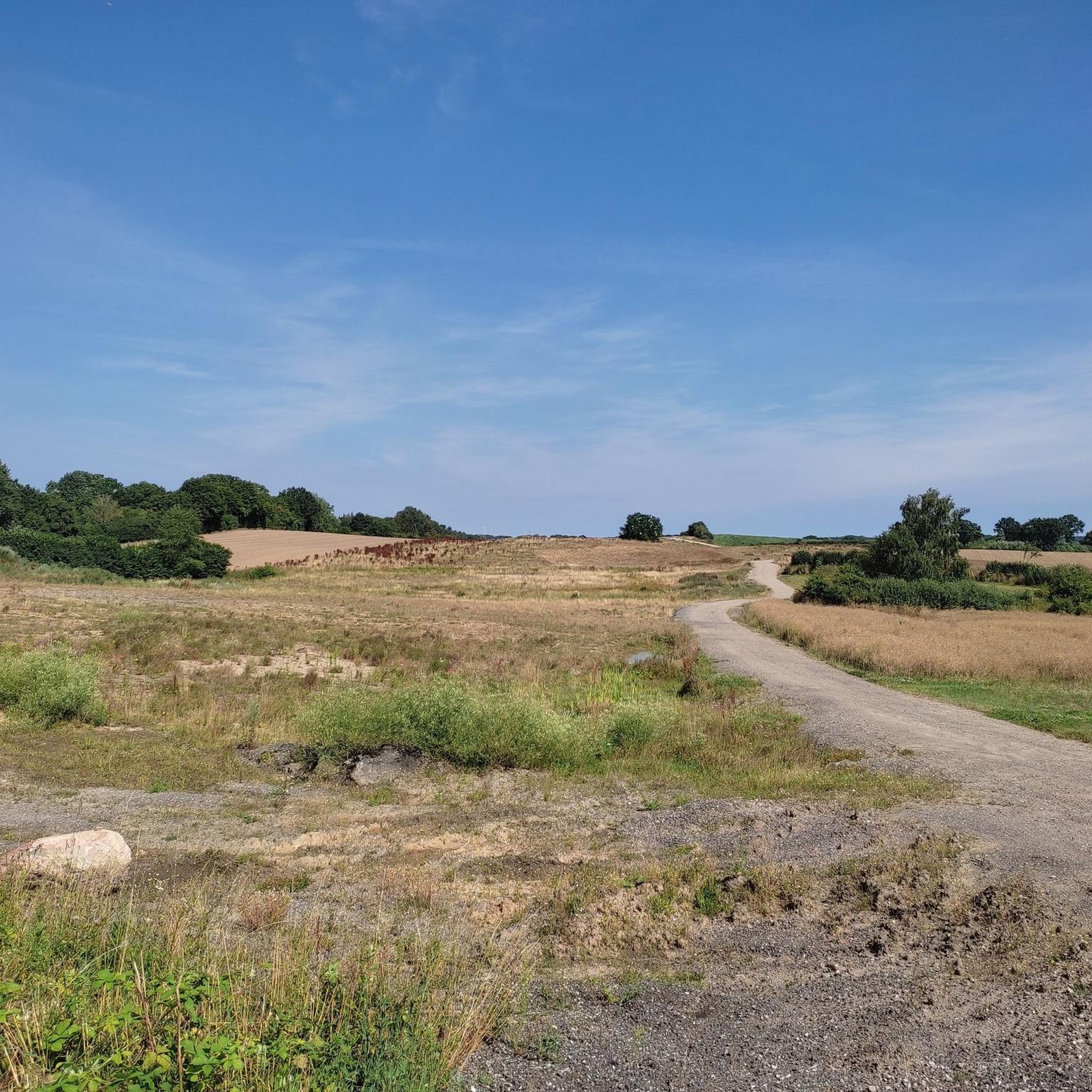
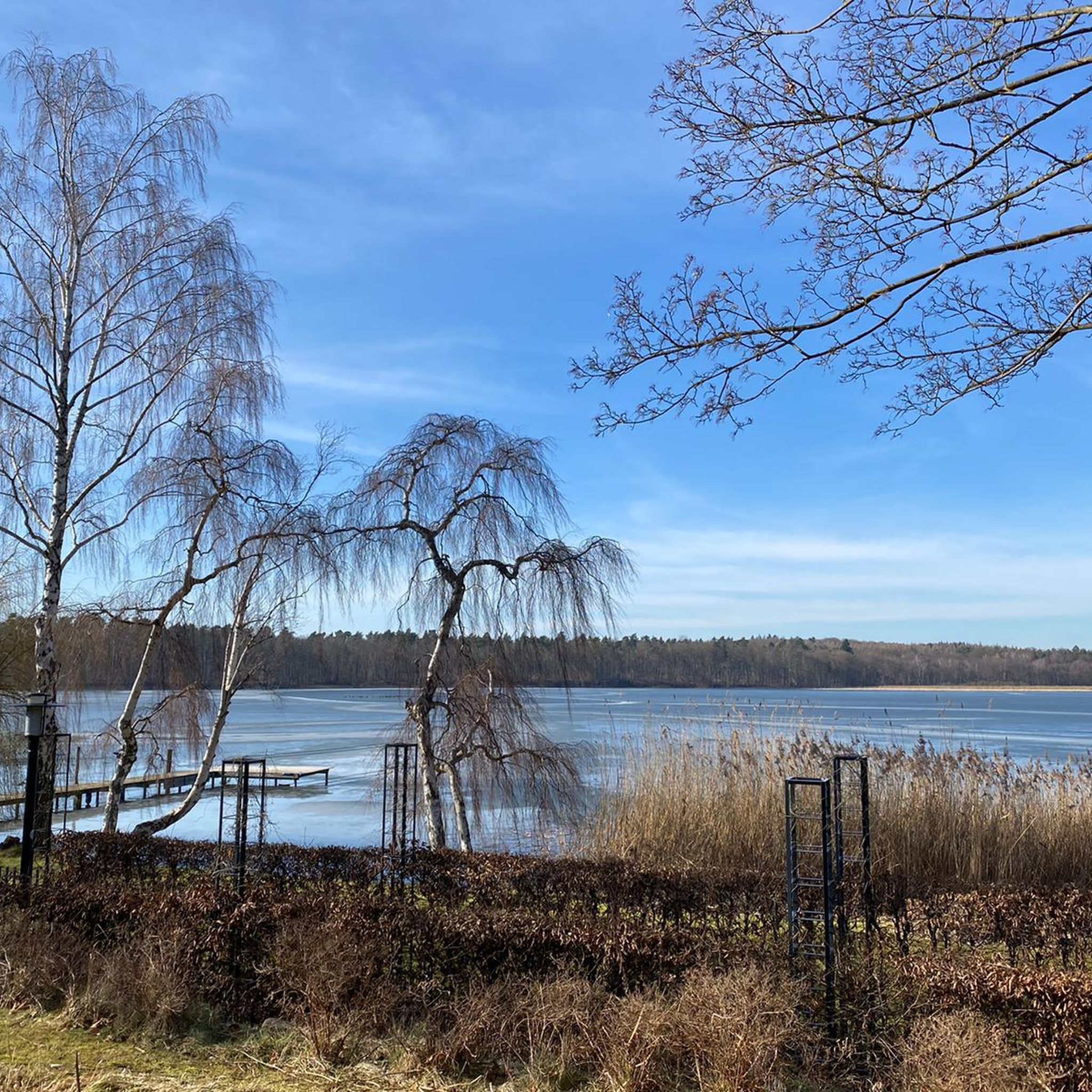
The 79-hectare "Kührener Teich and Surroundings" nature reserve, designated in 1994, lies directly south of the 207-hectare "Peninsulas and Bays in Lake Lanker" nature reserve, separated by the railway embankment. This protection safeguards two nationally important breeding, resting, and feeding areas for endangered and rare bird species, as well as for the rare fire-bellied toad. The core of the nature reserve is the 40-hectare fish pond, which is on average only half a meter deep and drains into Lake Lanker via a dam on the northern edge. North of the path, which runs along a narrow ridge, a species-rich, wet lowland area extends to the railway embankment. The natural water balance has been restored through damming. Large bodies of water occasionally extend here. The area is part of the European ecological network "Natura 2000" (protected habitat area and bird sanctuary). Pond management
8
2
Schleswig-Holstein's Oldest Estate "Wahlstorf Estate is a unique oasis where East and West meet in magical nature." Located in the beautiful Holstein Switzerland region, Wahlstorf Estate is one of the oldest estates in Schleswig-Holstein and a rare, well-preserved example of a 16th-century estate. With its late medieval architectural style, it is of architectural significance. The listed estate now includes the manor house, three historic barns, and a horse stable. This is where explorer, ornithologist, zoologist, film producer, painter, and writer Victor Baron von Plessen (1900-1980) lived. He embarked on numerous expeditions to the Malay Archipelago from 1924 to 1938. Wahlstorf Estate, its inventory, and the East Asian collection of Victor Baron von Plessen are now owned by the Plessen Foundation Wahlstorf. The agricultural holding of approximately 900 hectares is managed by the Gut Wahlstorf Foundation.
14
0
The municipality's name comes from the Wahlstorf estate, first documented in 1224. The manor house was built by Detlev von Thienen and served as the ancestral seat of the ancient noble Thienen family for over 300 years until they emigrated to Austria, where they still live today.
14
0

The Kirchbarkau - Preetz - Lütjenburg (KPL) narrow-gauge railway, founded in 1908, connected rural towns in the region from 1910 onwards over a distance of 41.1 kilometres with 23 stops and was used primarily for freight transport, for example for agricultural products. Despite good infrastructure and regular transport, it was not economically viable, so passenger transport was initially discontinued and then all operations were discontinued in 1938. The line was dismantled, but relics such as the Schwentine Bridge remind us of this short but significant era in regional transport history.
5
0
Oldest estate in Schleswig-Holstein “The Wahlstorf estate is a unique oasis where the Orient and the Occident meet in magical nature.” The Wahlstorf estate, located in the beautiful Holstein Switzerland, is one of the oldest in Schleswig-Holstein and a rare, well-preserved example of an estate from the 16th century. With its late medieval architectural style, it is of architectural significance. The listed estate now includes the manor house, three historic barns and a horse stable. The explorer, ornithologist, zoologist, film producer, painter and writer Victor Baron von Plessen (1900-1980) lived here, who set off on numerous expeditions to the Malay Archipelago from 1924 to 1938. The Wahlstorf estate, the inventory and the East Asian collection of Victor Baron von Plessen are now owned by the Plessen Foundation Wahlstorf. The agricultural operation of approximately 900 hectares is managed by the Foundation
17
0

Go into the NABU house, close the door and watch the birds 😉.
2
0


Just watch out for the edge when going up and down
4
1
Frequently Asked Questions
What natural features can I explore around Barmissen?
The region around Barmissen offers several notable natural features. You can visit the Kührener Teich Nature Reserve, a significant area for endangered bird species and the fire-bellied toad, featuring a 40-hectare fish pond. Another option is the Schwentine Oxbow Nature Reserve Trail, which preserves the Schwentine Valley as a habitat for diverse flora and fauna, including kingfishers and dippers. Further afield, the Himmelmoor Nature Reserve near Quickborn is Schleswig-Holstein's largest raised bog, offering a unique nature trail through peat soil and birch forests.
Are there opportunities for birdwatching near Barmissen?
Yes, the Barmissen area is excellent for birdwatching. The Kührener Teich Nature Reserve is a nationally important breeding, resting, and feeding area for endangered and rare bird species. At the Schwentine Oxbow Nature Reserve Trail, you can often spot kingfishers and dippers. Additionally, the Kührener Pond offers good views, where visitors have observed sea eagles. The Himmelmoor Nature Reserve also provides a valuable refuge for many protected bird species.
Where can I find hiking or walking trails around Barmissen?
You can find several walking and hiking opportunities. The Schwentine Oxbow Nature Reserve Trail offers a narrow forest path along the banks of the Schwentine. The Kührener Teich Nature Reserve also has beautiful paths. For more structured routes, you can explore various running trails, such as the moderate "Sieversdorfer Bridge loop from Postfeld" or the "View of Bothkamp Lake – Eider spring in Bissee loop from Kirchbarkau." You can find more running trails on the Running Trails around Barmissen guide.
What historical sites can I visit near Barmissen?
The region offers interesting historical sites. The Sieversdorf Bridge is a renovated historical site that was once part of a narrow-gauge railway, reminding visitors of the region's past transport history. You can also visit Wahlstorf Manor, one of the oldest estates in Schleswig-Holstein, dating back to the 16th century with significant architectural style. Further away, Barmstedt Castle Island offers a historical castle site with art installations.
Are there family-friendly attractions around Barmissen?
Yes, several attractions are suitable for families. The Kührener Teich Nature Reserve and Kührener Pond are family-friendly spots to enjoy nature. The Sieversdorf Bridge is also considered family-friendly, offering a glimpse into local history. The Himmelmoor Nature Reserve features a nearly four-kilometer-long nature trail that is accessible and engaging for families.
Where can I find scenic viewpoints around Barmissen?
For scenic views, the Kührener Teich Nature Reserve and Kührener Pond offer good vantage points, with one spot providing a clear view of the pond. The Sieversdorf Bridge also serves as a viewpoint. The Himmelmoor Nature Reserve has specific vantage points offering views of the moor lake and former peat mining areas.
What kind of wildlife can I spot in the Barmissen area?
The natural reserves around Barmissen are rich in wildlife. In the Kührener Teich Nature Reserve, you can find endangered bird species and the rare fire-bellied toad. The Schwentine Oxbow Nature Reserve Trail is home to kingfishers and dippers. Visitors to Kührener Pond have reported seeing sea eagles. The Himmelmoor Nature Reserve is also a significant refuge for many protected plant and animal species.
Are there cycling routes available near Barmissen?
Yes, there are various cycling routes for different preferences. For road cycling, you can find routes like the "Eidermühle Brügge – Smooth asphalt road loop from Kirchbarkau" (easy, 37 km) or the "Roadbike loop from Nettelsee" (moderate, 26 km). Gravel biking options include the "View of the Schwentine River – Kührener Teich Nature Reserve loop from Preetz" (easy, 17 km). More cycling routes are detailed in the Road Cycling Routes around Barmissen guide and the Gravel biking around Barmissen guide.
What is the best time of year to visit Barmissen for outdoor activities?
The best time to visit Barmissen for outdoor activities, especially exploring its natural reserves and trails, is typically during the spring, summer, and early autumn months. During these seasons, the weather is generally milder and more conducive for hiking, cycling, and birdwatching, allowing you to fully enjoy the region's natural beauty and wildlife.
Can I learn about the region's past transport history?
Yes, the Sieversdorf Bridge is a direct link to the region's transport past. It was once part of the Kirchbarkau-Preetz-Lütjenburg narrow-gauge railway, which operated until the 1930s. Although the line was dismantled, relics like this bridge serve as a reminder of this significant era in regional transport history.
Are there any unique cultural experiences near Barmissen?
Beyond natural attractions, you can experience unique cultural sites. Wahlstorf Manor is a rare, well-preserved 16th-century estate with a rich history, including its connection to explorer Victor Baron von Plessen and his East Asian collection. The estate is now owned by the Plessen Foundation Wahlstorf. Another cultural site is Barmstedt Castle Island, which features various art installations and a unique 'castle prison café'.
Most popular attractions around Barmissen

Get inspired with the komoot mobile app


Explore more
Still not found the Highlight you’re looking for? See guides of the top attractions in other regions:
