Attractions and Places To See around Łubowo - Top 20
Best attractions and places to see around Łubowo include a variety of historical, cultural, and natural sites in west-central Poland. This region is rich in locations connected to the early history of the Polish state, offering insights into its origins. Visitors can explore significant landmarks and enjoy the natural landscape, including protected areas and scenic routes. The area provides opportunities for both historical exploration and outdoor activities.
Best attractions and places to see around Łubowo
- The most popular attractions is…
Last updated: July 1, 2026
Gniezno market
Highlight • Settlement
Translated by Google •
Tip by

Translated by Google •
Tip by

Sign up now to discover places like this
Get recommendations on the best single tracks, peaks, & plenty of other exciting outdoor places.
Sign up for free
St. Martin's Wooden Church in Pawłowo
Highlight • Religious Site
Translated by Google •
Tip by

Wielkopolski Ethnographic Park in Dziekanowice
Highlight • Historical Site
Translated by Google •
Tip by
Statue of Zbój Maciej from Modliszewo
Highlight • Monument
Translated by Google •
Tip by

Sign up for free to discover even more attractions around Łubowo.
Sign up for free
Already have an account?
Start today with a free account
Your next adventure awaits.
Login or Signup
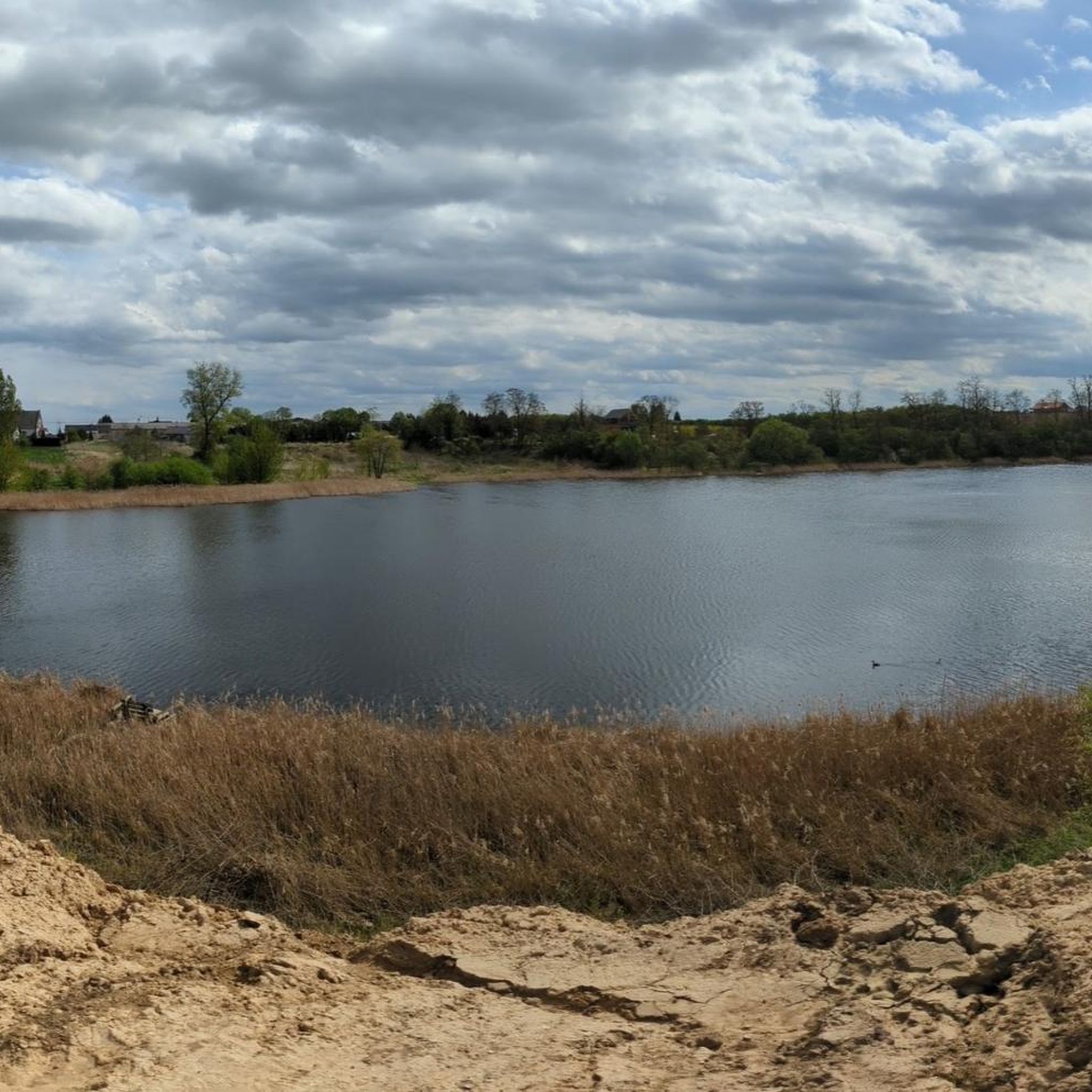
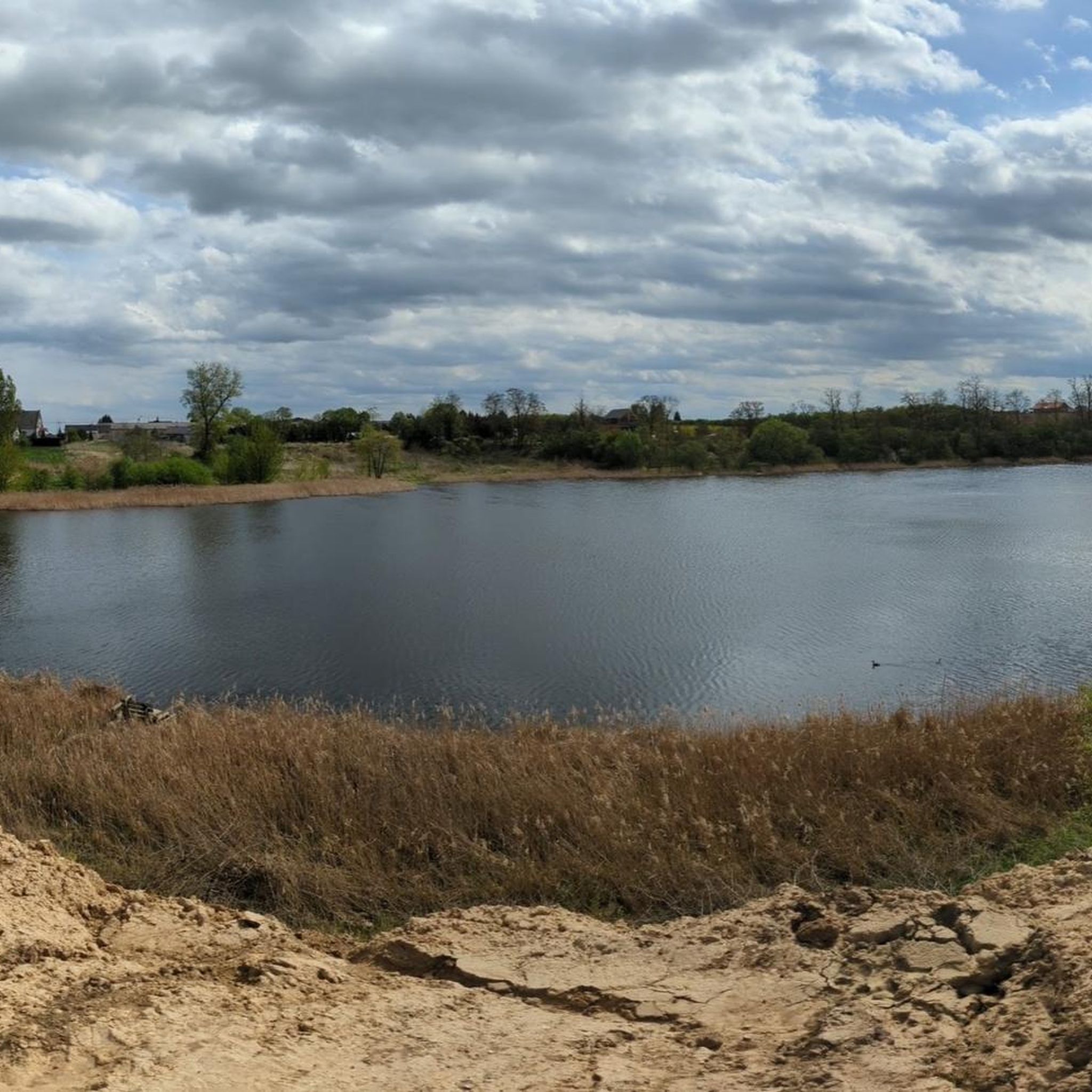
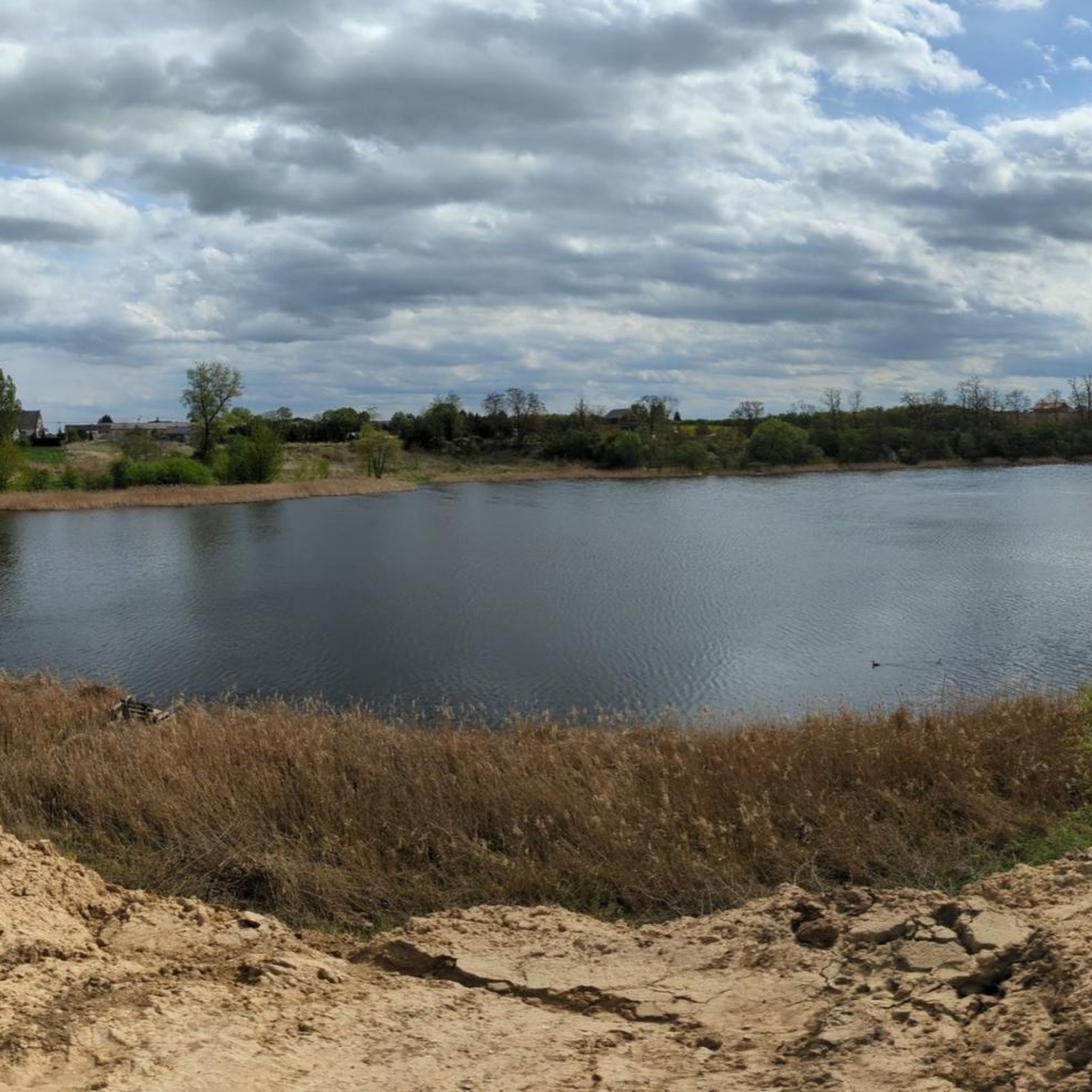
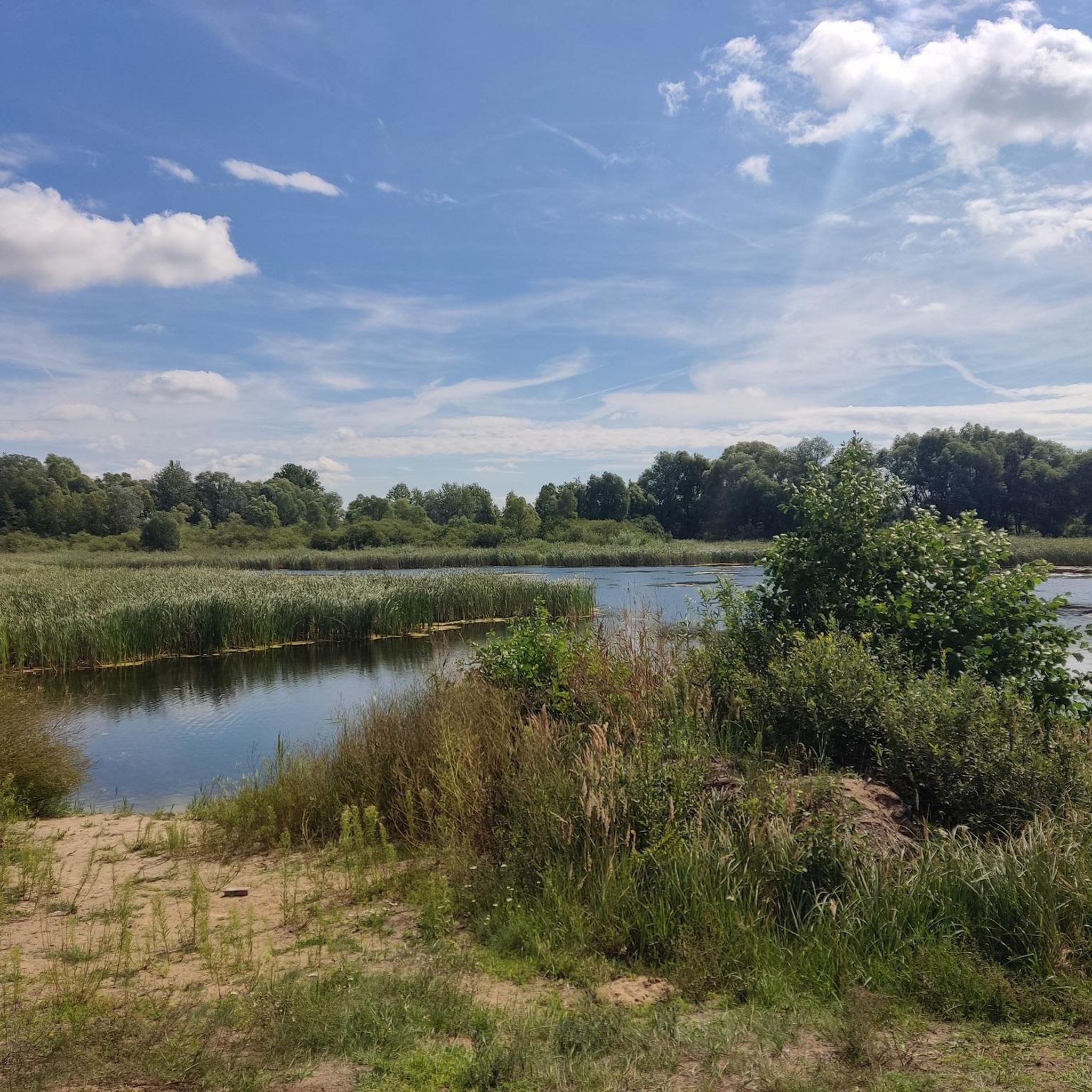
Tips from the Community

Gniezno Cathedral is considered one of the most important religious buildings in Poland. Since the 15th century, the church has served as both the seat of the Archbishop of Gniezno and the Primate of Poland. The Gniezno Double Doors, made of bronze, are of great significance on a European scale.
2
0

The Market Square is located in the Old Town on Panieński Hill, one of Gniezno. After a devastating fire in 1819 that destroyed most of Gniezno, the square was rebuilt according to new urban planning that created a spatial axis between the cathedral and the evangelical church, with only two original medieval buildings surviving. Today the cobblestone square features a fountain inaugurated in 2014, and during winter months it hosts a 10-12 meter Christmas tree and an ice rink that has operated since 2008.
2
0
A Gothic archcathedral located on Lech Hill, serving as the burial place of Saint Adalbert and the site of five royal coronations since 1000 AD. Known as the "Mother of Polish Churches," it has been the seat of Polish primates and was designated as a minor basilica in 1931. The cathedral houses the famous Gniezno Doors, bronze doors from around 1175 that depict scenes from Saint Adalbert's life.
2
0

Marzec Ice Cream Studio - true handmade work. I recommend it!
1
0

The bandit Maciej allegedly carried out his criminal activities in the area of Modliszewo and Modliszewko during the times of King Władysław. He attacked and robbed merchants who were passing by, following the route from the north to Gniezno, or heading from Gniezno towards the Baltic Sea. Since nothing is known about his companions, he had to be strong and fit to act alone. One day, Matthias attacked a caravan of merchants traveling from Italy. He robbed them, but they managed to escape alive. When they reached Gniezno, they told the mayor everything. And although he was very concerned about the report, he had no idea or means to find and capture the robber. However, when he learned from the merchants that they were carrying significant supplies of Tuscan wine, he ordered them to go immediately and find the robber. As it turned out, this time it didn't take long to find the perpetrator of the attack. Well, immediately after his success, the villain tasted the wine. And because he drank too much of it, he fell asleep under a tree. And so the robber Maciej was captured near the Koreczno forester's lodge. /tupowstalapolska.pl - trail of myths and legends of the Gniezno district/
0
0

The Market Square in Gniezno is the heart of the historic city and a place where the past meets the present. Surrounded by colorful townhouses, it retains the layout of the medieval market square with the town hall at its center. In the summer, it bustles with life, hosting concerts, fairs, and community meetings. Around the square, you'll find numerous cafes and restaurants, perfect for a moment of relaxation after visiting the cathedral. This is a space where you can truly feel the spirit of Poland's first capital.
2
0

A nice market square, well-stocked with various pubs. A good stop for a bicycle tourer. There are plenty of monuments around related to the beginnings of the Polish state.
5
0

A huge open-air museum with a lot of exhibits showing the life of rural people from the 17th and 18th centuries. The oldest exhibits date back to 1602.
2
0
Frequently Asked Questions
What historical and cultural sites can I explore around Łubowo?
The region around Łubowo is rich in history, particularly related to the early Polish state. You can visit the Gniezno Cathedral, one of Poland's most important religious buildings, known for its bronze Gniezno Double Doors. Another significant site is the Museum of the First Piasts at Lednica, which includes Ostrów Lednicki with ruins of a 10th-century palatium. Don't miss the historic wooden St. Martin's Church in Pawłowo, built in 1762, or the ancient St. Nicholas Church in Łubowo, whose parish dates back to the 12th century.
Are there any notable natural attractions or parks near Łubowo?
Yes, the Lednica Landscape Park, established in 1988, is dedicated to protecting the historical landscape surrounding Lake Lednica. This park offers a valuable natural area for visitors to enjoy scenic views and outdoor activities.
What kind of outdoor activities can I do around Łubowo?
The area around Łubowo is ideal for outdoor enthusiasts. You can enjoy various hiking trails, including easy loops around Ostrów Lednicki and Baba Lake. For cyclists, there are numerous scenic cycling routes, such as the Lake Lednica loop from Dziekanowice, and sections of the 'Polenweg'.
Are there family-friendly attractions in the Łubowo area?
Absolutely! The Gniezno market is a family-friendly settlement with a well-maintained city center, numerous restaurants, and cafes, largely closed to car traffic. The Gniezno Cathedral is also considered family-friendly, offering a glimpse into Polish history. Additionally, the Statue of Zbój Maciej from Modliszewo offers an interesting historical anecdote that can captivate younger visitors.
Where can I find places to eat or drink near the attractions?
The Gniezno market is an excellent spot, featuring a vibrant city center with numerous restaurants and cafes. It's a great place to stop for a meal or a coffee break while exploring the historical sites.
What is the Zakrzewo Palace, and can I visit it?
The Zakrzewo Palace is a historic building constructed between 1870 and 1872. While it has a rich history, it is currently in private hands and not accessible to the public for visits.
Are there any easy hiking trails suitable for beginners around Łubowo?
Yes, there are several easy hiking options. You can find trails like the 'Baptismal Font of Poland loop from Ostrów Lednicki' (3 km) or the 'Baba Lake – Lake Ula loop from Jezierce' (5 km). These are generally flat and suitable for those new to hiking. More details can be found in the easy hikes guide for Łubowo.
What is the significance of the Museum of the First Piasts at Lednica?
The Museum of the First Piasts at Lednica is a significant complex that includes the Wielkopolski Park Etnograficzny and Ostrów Lednicki. Ostrów Lednicki is particularly important as it houses the ruins of a 10th-century palatium, offering crucial insights into the very beginnings of the Polish state.
Can I find cycling routes that are suitable for different skill levels?
Yes, the area offers a range of cycling routes. For an easy ride, consider the 'Lake Lednica – Lednica Fish Gate (Bramy-Ryba) loop from Dziekanowice' (21 km). More moderate options include the 'Gniezno market – View of Gniezno Cathedral loop from Lednogóra' (51 km). You can explore these and more in the cycling guide for Łubowo.
What is the story behind the Statue of Zbój Maciej from Modliszewo?
The Statue of Zbój Maciej from Modliszewo commemorates a legendary bandit named Maciej, who allegedly robbed merchants in the area during the time of King Władysław. The legend tells of his capture after he fell asleep under a tree, having consumed too much Tuscan wine from a caravan he had robbed.
Are there any other historical churches in the Łubowo parish besides St. Nicholas Church?
Yes, the Filial Church of the Assumption of the Blessed Virgin Mary is another historical church in the parish. It was originally built in 1891 as an evangelical church.
What is the Fałkowo Manor?
The Fałkowo Manor is an eclectic manor house located in the gmina, constructed around 1890. It is a single-story building with an attic and a distinctive two-story risalit on its axis, adorned with pilasters, showcasing late 19th-century architecture.
Most popular routes around Łubowo
Most popular attractions around Łubowo

Get inspired with the komoot mobile app


Explore more
Still not found the Highlight you’re looking for? See guides of the top attractions in other regions:
