Attractions and Places To See around Czarnków - Top 15
Attractions and places to see around Czarnków, a town in the Greater Poland Voivodeship, offer a blend of historical landmarks, cultural sites, and natural beauty. Situated on the edge of the Noteć River Valley, the area features varied terrain with moraine hills overlooking the flat valley. This geographic diversity provides opportunities for exploring both historical monuments and natural landscapes.
Best attractions and places to see around Czarnków
- The most popular attractions is Jan of Czarnków Monument, a man-made monument…
Last updated: July 1, 2026
Church of the Nativity of the Blessed Virgin Mary in Lubasz
Highlight • Religious Site
More information: wielkopolska.travel/kosciol-pw-narodzenia-nmp-lubaszu, sanktuariumlubasz.pl, pl.wikipedia.org/wiki/Sanktuarium_Kr%C3%B3lowej_Rodzin_w_Lubaszu and regionwielkopolska.pl/de/katalog-obiektow/kosciol-pw-narodzenia-nmp-w-lubaszu
Translated by Google •
Tip by

Goraj Castle
Highlight • Castle
Translated by Google •
Tip by

Sign up now to discover places like this
Get recommendations on the best single tracks, peaks, & plenty of other exciting outdoor places.
Sign up for free
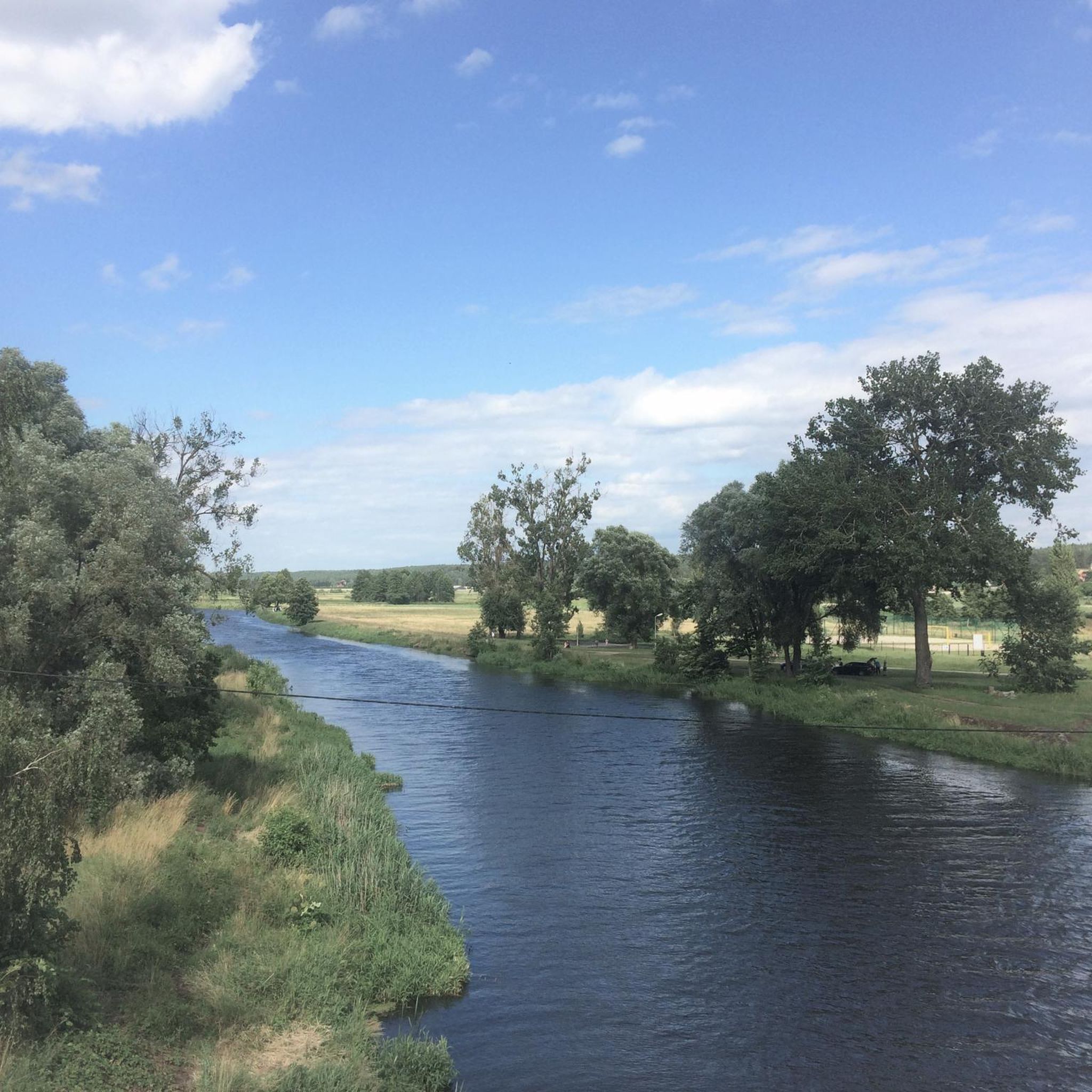
Bridge Over the Noteć River in Czarnków
Highlight • Bridge
More information: pl.wikipedia.org/wiki/Note%C4%87 and de.wikipedia.org/wiki/Czarnk%C3%B3w
Translated by Google •
Tip by
Czarnków Market Square
Highlight • Settlement
More information: pl.wikipedia.org/wiki/Czarnk%C3%B3w and de.wikipedia.org/wiki/Czarnk%C3%B3w
Translated by Google •
Tip by
Carla Fabian's Tenement House
Highlight • Monument
Translated by Google •
Tip by

Sign up for free to discover even more attractions around Czarnków.
Sign up for free
Already have an account?
Start today with a free account
Your next adventure awaits.
Login or Signup


Other adventures around Czarnków

Tips from the Community

Quite a nice bridge over the Noteć.
0
0

In 1893, a bridge over the Vistula River in Fordon was opened; in 1945, the bridge was blown up. In post-war Poland, Czarnków nad Notecią received one span from the blown-up bridge.
1
0

Today it is owned by the Forest School Complex (currently the castle houses the Forest School Complex dormitory and several classrooms).
0
0
The church was built in the mid-18th century.
0
0
This building once housed the workshop of watchmaker Carl Fabian. At the beginning of the 20th century, the first electric clock in Czarnków was installed on one of the walls of the building.
0
0

The Church of St. Lawrence and St. Sigismund was founded in the twelfth century. In 1586, a wooden church dedicated to the Blessed Virgin Mary was built on the so-called Krasna Góra - the truncated cone-shaped moraine hill of Lubasz. Like so many wooden buildings of that time, this too burned down. And the subsequent building was not to last either, falling victim to a landslide in 1750 and sinking into the ground of Krasna Góra. Reconstruction began in the same year and the impressive parish church of the Blessed Virgin Mary still stands today. The late Baroque style building was completed in 1761 and its homogeneous Rococo furnishings (including six altars, pulpit and baptismal font) have been preserved to this day. The neo-Gothic bell tower followed in 1856. The interior of the church is of particular importance, however. The sanctuary of the Queen of Families. A 16th century painting from Rome, ceremoniously crowned in 2000 with crowns consecrated by Pope John Paul II, depicting Mary with the baby Jesus and which has become the destination of numerous pilgrimages by believers from all over Poland. The model for the miraculous painting, painted with oil paints on wooden boards, is none other than "Salus populi Romani" - the most historically significant icon of the Mother of God of Rome, which has been in the Basilica of Santa Maria Maggiore for well over 1,000 years.
3
0

Marienkirche. Church of the Nativity of the Blessed Virgin Mary in Lubasz.
0
0
Neo-Renaissance chateau built in 1908 - 1912 for Count Wilhelm Bolek von Hochberg, the then owner of the Goraj estate.
1
0
Frequently Asked Questions
What historical landmarks can I explore in Czarnków?
Czarnków offers several historical landmarks. The Czarnków Market Square, dating back to the late 13th or early 14th century, remains the town's heart. Adjacent to it is the late Gothic St. Mary Magdalene Church, built between 1570-1580, featuring Baroque interiors and Renaissance tombstones. You can also see the late-classicist Town Hall from the 19th century and the Jan of Czarnków Monument, commemorating the medieval chronicler.
Are there any significant cultural sites to visit in Czarnków?
Beyond the historical buildings, the Museum of the Czarnków Land offers a permanent exhibition on the town's history and hosts temporary displays. For a unique local experience, the Czarnków Brewery, housed in a historic 1871 building, has an outlet shop and a pub where you can sample local beers.
What natural attractions are there around Czarnków?
Czarnków is known for its natural beauty, often called 'Czarnków Switzerland.' You can enjoy scenic vistas of the Noteć Valley from Góra Krzyżowa (Cross Hill). The town is also on the edge of the extensive Puszcza Notecka (Noteć Forest), ideal for hiking and mushroom picking. The Noteć River itself provides opportunities for water tourism.
What outdoor activities can I do near Czarnków?
The region around Czarnków is excellent for outdoor enthusiasts. You can explore various routes for running, road cycling, and mountain biking. For example, there are moderate running loops from Czarnków and Góra Nad Notecia. Cyclists can find road cycling routes like the Lubasz - 17th-century palace loop, and MTB trails such as the Wild Beach loop from Lubasz.
Are there family-friendly attractions around Czarnków?
Yes, Czarnków offers several family-friendly options. The Czarnków Market Square with its modern, colorful fountain system is enjoyable for all ages. The Jan of Czarnków Monument also falls into this category. For active families, the 'Śniegowa Baśń' (Snow Story) Luge Track in Stanisław Staszic Municipal Park provides fun, and the Marina Czarnków offers kayak rentals for water adventures.
What are the options for water tourism in Czarnków?
Czarnków is situated on the Noteć River, making it a great spot for water tourism. The modern Marina Czarnków, opened in 2011, is a central hub. It provides amenities for yachts, motorboats, kayaks, and houseboats, and is part of the Great Waterway Loop of Wielkopolska. You can rent equipment here to explore the river.
Are there good viewpoints in the Czarnków region?
Absolutely. Góra Krzyżowa (Cross Hill) offers panoramic views of the Noteć Valley and the surrounding landscape. It's a prime spot to appreciate the varied terrain that gives Czarnków its 'Switzerland' nickname.
Can I find historical castles or chateaus nearby?
Yes, a notable historical site is Goraj Castle. This Neo-Renaissance chateau was built between 1908 and 1912 and is now home to the Forest School Complex dormitory and classrooms. It's an interesting example of early 20th-century architecture in the region.
What is the best time of year to visit Czarnków for outdoor activities?
The warmer months, typically from late spring to early autumn, are ideal for outdoor activities in Czarnków. During this period, you can fully enjoy hiking in Puszcza Notecka, cycling on the local paths, water sports on the Noteć River, and exploring the town's historical sites comfortably.
Are there any unique engineering or architectural points of interest?
Yes, the Bridge Over the Noteć River in Czarnków has a unique history. A span of this bridge originally came from a bridge over the Vistula River in Fordon, which was blown up in 1945. After the war, this section was repurposed for the Czarnków bridge, making it a fascinating piece of local engineering history.
Where can I find religious heritage sites in the area?
The St. Mary Magdalene Church on Plac Wolności is a prominent religious site within Czarnków. Additionally, a short distance away, you can visit the Church of the Nativity of the Blessed Virgin Mary in Lubasz. This impressive late Baroque church, completed in 1761, houses a 16th-century painting of Mary with the baby Jesus, which is a destination for numerous pilgrimages.
Most popular routes around Czarnków

Get inspired with the komoot mobile app


Explore more
Still not found the Highlight you’re looking for? See guides of the top attractions in other regions:
