Attractions and Places To See around Jeziorany - Top 19
Best attractions and places to see around Jeziorany include a mix of historical landmarks, natural features, and cultural sites. Located in Poland's Warmian-Masurian Voivodeship, the town is part of the historic Warmia region, with its town rights dating back to 1338. The area offers diverse points of interest, from medieval churches to expansive lakes. Visitors can explore sites that reflect centuries of regional history and natural landscapes.
Best attractions and places to see around Jeziorany
- The most popular attractions is…
Last updated: July 15, 2026
Basilica of Our Lady of Peace, Stoczek Klasztorny
Highlight • Religious Site
Translated by Google •
Tip by

Stoczek Monastery
Highlight • Religious Site
Translated by Google •
Tip by

Sign up now to discover places like this
Get recommendations on the best single tracks, peaks, & plenty of other exciting outdoor places.
Sign up for free
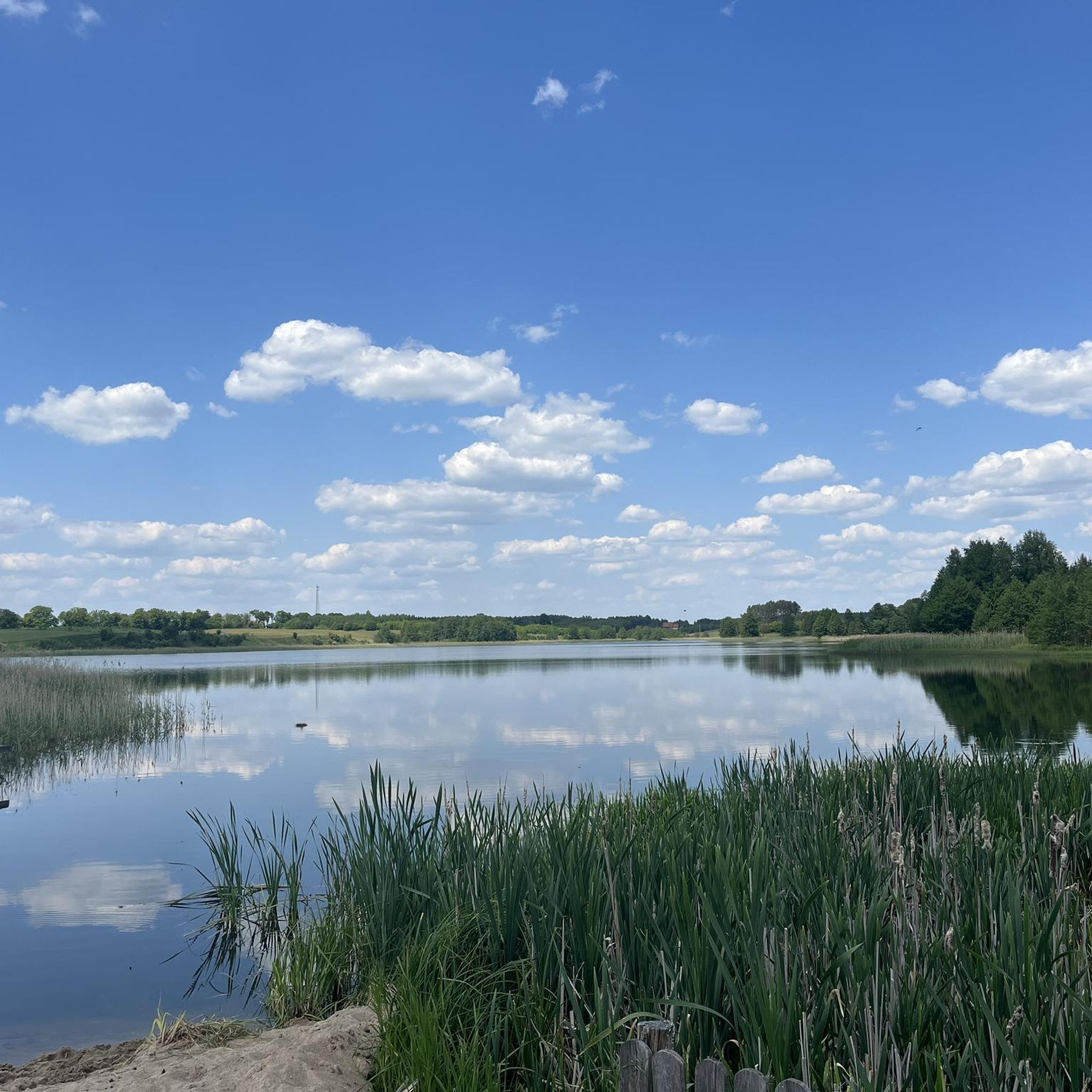
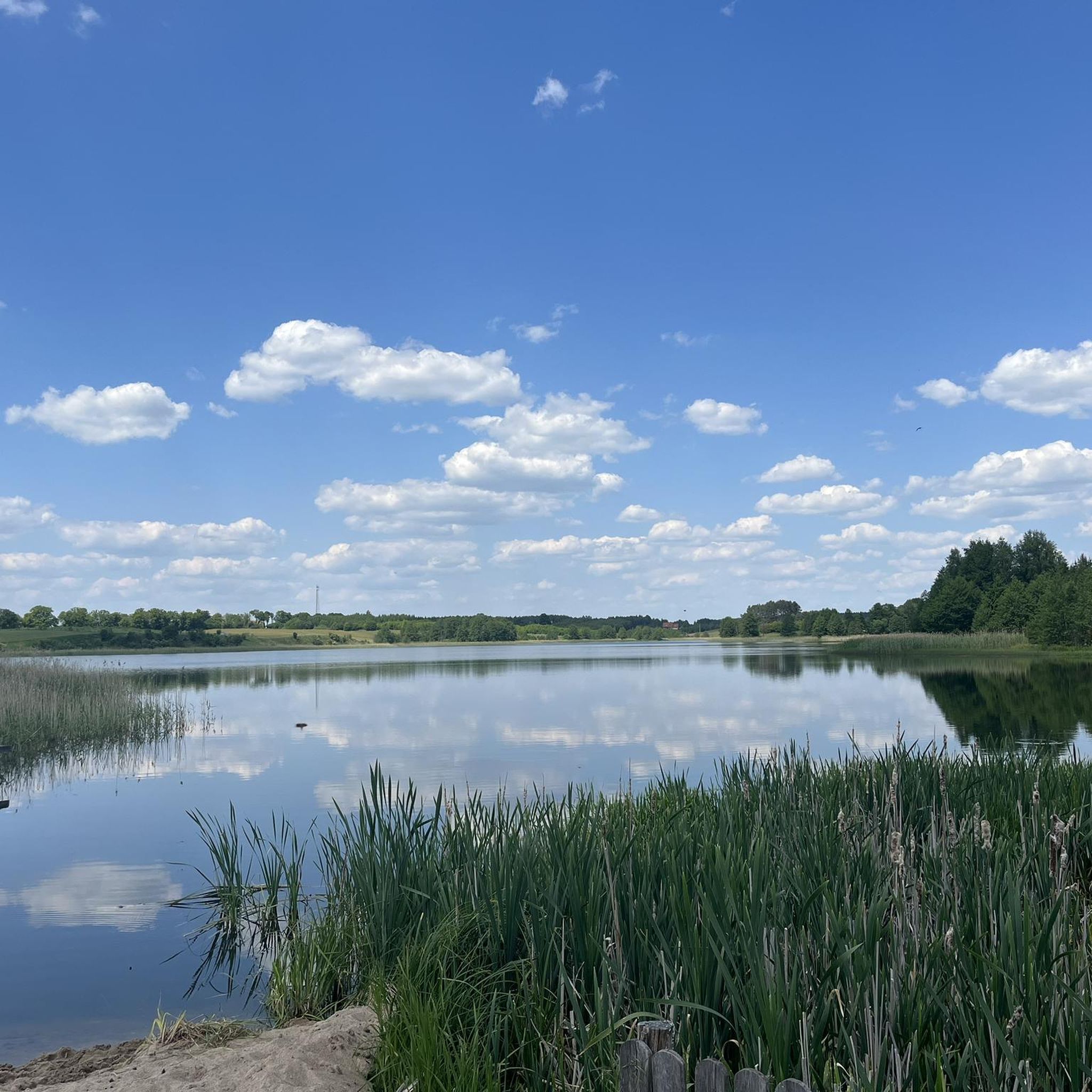
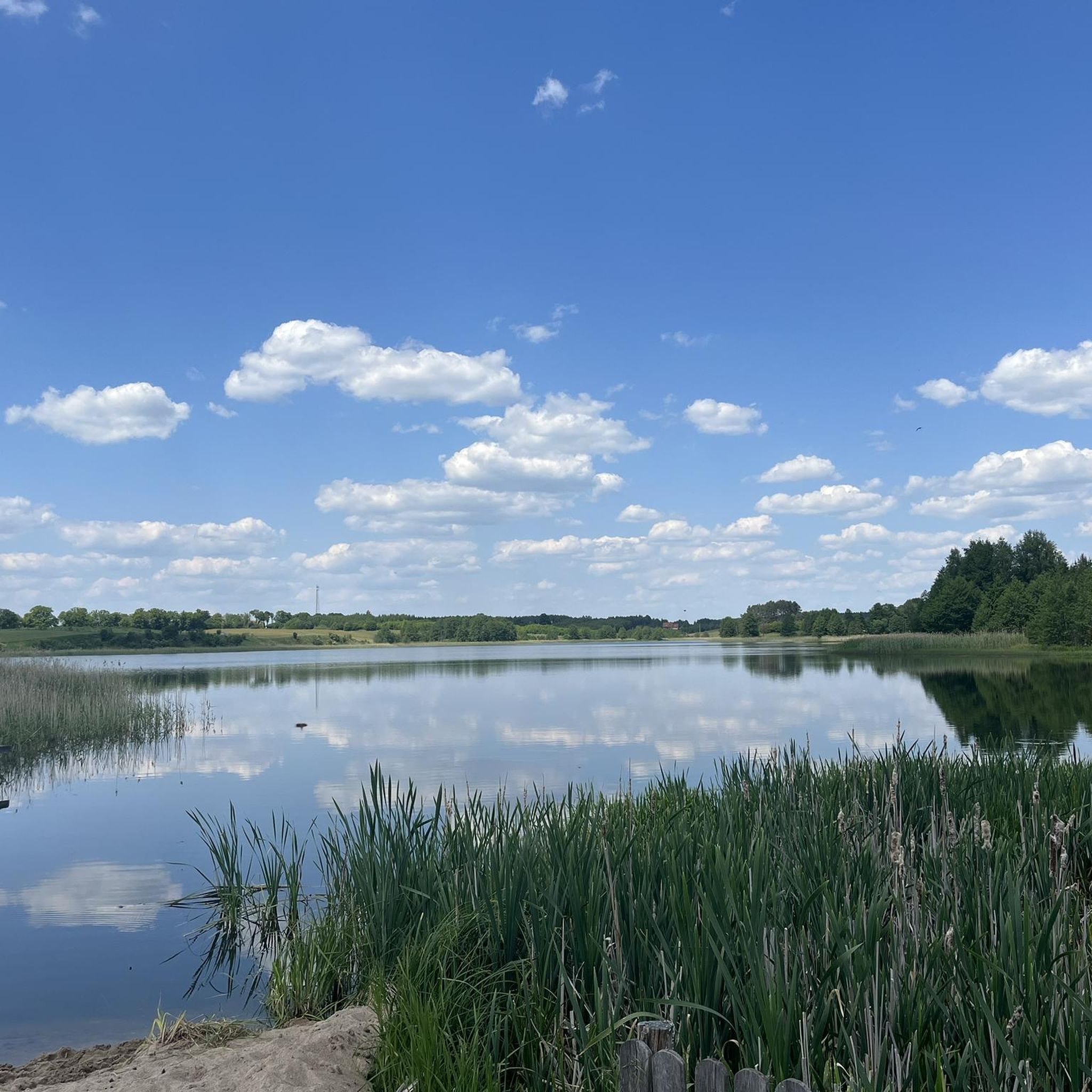
Lake Luterskie
Highlight • Lake
More information: pl.wikipedia.org/wiki/Jezioro_Luterskie
Translated by Google •
Tip by

Railway Viaduct Between Droszewo and Wilimy
Highlight • Bridge
Translated by Google •
Tip by

Najdymowo Memorial Plaque
Highlight • Monument
A plaque commemorating the residents of Najdymov murdered by Red Army soldiers in 1945
Translated by Google •
Tip by

Sign up for free to discover even more attractions around Jeziorany.
Sign up for free
Already have an account?
Start today with a free account
Your next adventure awaits.
Login or Signup
Tips from the Community

The Bernardine Monastery (a branch of the Franciscans) in Stoczek Klasztorny is one of the most important places related to the history of the Church in Poland. In the years 1953–1954, it was the place of internment for Primate Stefan Wyszyński, the head of the Catholic Church in Poland in the mid-20th century, by the communist authorities. Currently, the monastery houses a museum dedicated to his stay and the preserved internment cell. The physical conditions that Wyszyński had in this prison were significantly better than those of other opposition activists. I don't understand why this insignificant 2-year period of imprisonment is the object of such veneration. A place worth visiting. Especially since the sanctuary and monastery are currently under the care of the Marian Fathers (Congregation of Marian Fathers of the Immaculate Conception of the Blessed Virgin Mary), who have served there since 1959.
0
0

Easy access 24/7. A plaque commemorating the residents of Najdymov murdered by Red Army soldiers in 1945
0
0

sharp turn, sometimes lack of grip
0
0
interesting railway structure, entry is not as easy as it seems
0
0

In this village founded on November 18, 1349 by the Bishop of Warmia, there are around 330 inhabitants. The place is surprising, because it also houses the sanctuary of Our Lady of Peace. Before the construction of the imposing church, there was only a modest chapel dedicated to the Virgin Mary. The title of minor basilica was awarded to the church by Pope John Paul II on May 19, 1987.
0
0

Stoczek Warmiński - the first place of imprisonment of Primate Stefan Wyszyński (September 25, 1953 - October 6, 1954)
0
0

At the latest since the beginning of the 17th century there was a Marienkapelle with a statue of Mary near Springborn, which was visited by pilgrims. Bishop Szyszkowski had a round stone church built on the site of the chapel in 1639-1641 as a votive offering after the end of the First Polish-Swedish War. The church was handed over to the St. Bernards from Wartenburg. Initially, the monks lived in wooden buildings until 1666, when Bishop Jan Wydżga donated the stone monastery buildings. From 1708 onwards, under Bishop Zaluski, a cloister with four corner chapels was built around the church, based on the example of Saint Linde. The construction was completed under Bishop Teodor Andrzej Potocki. During his tenure, the monastery was expanded, which as a four-wing complex with an inner courtyard adjoins the cloister to the east. In 1716 Bishop Potocki dedicated the church to "Mary, the Queen of Peace" (Regina Pacis). The pilgrimage site experienced its heyday in the 1740s and 1750s, when it almost equaled Heiligenlinde in popularity. After the secularization of the religious orders in Prussia, the state took over the church and monastery (the last religious died in 1826). During the tenure of Bishop Andreas Stanislaus von Hatten (1838-1841), however, the church and monastery were returned to the Diocese of Warmia. In 1870 Bishop Philipp Krementz handed over the monastery to Lazarists from the Rhineland. As a result of the Kulturkampf, they had to withdraw three years later. In 1909 the cloister tracts were increased by one floor, in 1913 the cloister received an extension on the garden side. In 1926 the complex was handed over to the Franciscans. From October 1953 to October 1954 the primate of Poland, Cardinal Stefan Wyszyński, was interned in the monastery by the communists. He occupied rooms on the first floor of the monastery and was attended by a priest and a nun. After Radio Free Europe made the primate's whereabouts public, he was taken to Prudnik in Upper Silesia. In 1987, Pope John Paul II gave the church the rank of minor basilica (Wikipedia).
1
0

Stoczek Klasztorny, also called Stoczek Warmiński, is an old Warmian village founded in the 14th century. In this small town there is an interesting round church (St. Mary's pilgrimage site), built in 1641 by the Warmia bishop Mikołaj Szyszkowski as a votive offering of gratitude for the victory in a war against Sweden. The church is surrounded by walls and monastery buildings from the 17th and 18th centuries. The monastery was inhabited by Franciscan friars, who looked after it until the beginning of the 19th century. It is currently a monastery of the Marian Order. The interior of the church is richly decorated, in the main altar there is an image of the Blessed Virgin Mary, covered with a silver dress with an amber necklace, a gift from Cardinal Primate Stefan Wyszyński. The wrought iron pulpit from 1738 is remarkable. The expanded organ front from the end of the 18th century makes a great impression. There is a memorial room in the monastery buildings dedicated to Cardinal Stefan Wyszyński. This was set up in the rooms where the cardinal was held prisoner in Stoczek Klasztorny for a year from October 13, 1953 during his arrest. After his whereabouts became widely known, the cardinal was transferred to Prudnik in southern Poland.
1
0
Frequently Asked Questions
What historical landmarks can I explore in Jeziorany?
Jeziorany offers several historical landmarks. You can visit the Town Hall, which stands on the foundations of a 14th-century Warmian bishops' castle. The Gothic Church of St. Bartholomew, built around 1390, is considered the most valuable medieval monument, featuring a baroque altar and 18th-century Stations of the Cross. Another significant site is the Church of St. Stanislaus and St. Catherine, constructed between 1746 and 1751. For a glimpse into 19th-century Prussian town ambiance, stroll along Kajki and Krzywa streets with their colorful tenement houses.
Are there significant religious sites near Jeziorany?
Yes, the area is rich in religious history. A prominent site is the Basilica of Our Lady of Peace, Stoczek Klasztorny, a pilgrimage site elevated to a minor basilica by Pope John Paul II in 1987. Adjacent to it is the Stoczek Monastery, which gained historical significance as the internment location for Cardinal Stefan Wyszyński from 1953 to 1954.
Where can I find natural attractions and lakes around Jeziorany?
The Jeziorany area boasts beautiful natural features. Lake Luterskie is the largest lake, covering 691.1 hectares. Other nearby lakes include Blanki, Ławki, and Pierścień. For nature enthusiasts, the Ustnik Nature Reserve, located about 5 km west of Jeziorany, preserves breeding grounds for rare water and marsh birds. You can also visit Święta Góra (Holy Mountain) for panoramic views of the surrounding landscape, or explore Dadey See.
What kind of outdoor activities can I do near Jeziorany?
The region around Jeziorany offers various outdoor activities. You can find numerous routes for cycling, running, and hiking. For cycling, explore routes like the 'Playground and Shelter – Lake Luterskie loop from Jeziorany' or the 'Roadside Shrine in Wipsowo – Lake Luterskie loop from Kikity'. Hikers can enjoy easy trails such as the 'Lake Swimming Area at Głębokie – Cross on the Tree loop from Zalesie'. You can find more details and routes for these activities in the dedicated guides for Cycling around Jeziorany, Running Trails around Jeziorany, and Easy hikes around Jeziorany.
Are there family-friendly attractions in Jeziorany?
Many attractions around Jeziorany are suitable for families. Natural sites like Lake Luterskie offer opportunities for relaxation and enjoying the outdoors. Historical sites such as the Basilica of Our Lady of Peace, Stoczek Klasztorny, and the Najdymowo Memorial Plaque can provide educational experiences. The general ambiance of the town and its natural surroundings make it a pleasant destination for families to explore together.
What is the best time of year to visit Jeziorany?
Jeziorany can be enjoyed throughout the year, but the best time often depends on your preferred activities. Spring and summer (May to September) are ideal for outdoor activities like hiking, cycling, and enjoying the lakes. The weather is generally pleasant for exploring historical sites and natural reserves. Autumn offers beautiful foliage, while winter can provide a serene, snowy landscape, though some outdoor activities might be limited.
Are there any unique or lesser-known sights worth visiting around Jeziorany?
Beyond the main attractions, you might discover some unique spots. The Railway Viaduct Between Droszewo and Wilimy is an interesting architectural structure. The Najdymowo Memorial Plaque offers a poignant historical reflection. Further afield, you can find the Devil's Stone (Griffstein) in Bartoszyce County or the Tężnie solankowe (brine graduation tower) in Lidzbark County for a different experience.
What do visitors particularly enjoy about the attractions around Jeziorany?
Visitors appreciate the blend of historical and natural beauty. The Basilica of Our Lady of Peace, Stoczek Klasztorny, is often highlighted for its impressive baroque architecture and historical significance. The Stoczek Monastery is noted for its cloisters and historical context. Natural spots like Lake Luterskie are loved for their scenic beauty, offering a peaceful escape. The community has shared 75 photos and given 49 upvotes, indicating a strong appreciation for the diverse offerings.
Is Jeziorany part of any special initiatives or networks?
Yes, Jeziorany is a member of Cittaslow, an international network of towns dedicated to improving the quality of life for both residents and visitors. This affiliation highlights the town's commitment to preserving its local identity, promoting sustainable development, and offering a relaxed, high-quality experience.
Can I find cultural exhibition spaces in Jeziorany?
Yes, for those interested in cultural exhibitions, Galeria Vita Warmia in Jeziorany offers various themed exhibition halls. It provides an opportunity to engage with local art and cultural displays.
Are there camping opportunities near Jeziorany?
For those looking to stay closer to nature, there are camping options available. Camping Kikity and Camping Tumiany are two campsites in the vicinity that offer opportunities for outdoor stays and enjoying the natural surroundings of Jeziorany.
Most popular routes around Jeziorany

Get inspired with the komoot mobile app


Explore more
Still not found the Highlight you’re looking for? See guides of the top attractions in other regions:
