The best road cycling routes around gmina gmina gmina Nidzica
4.9
(23)
436
riders
16
rides
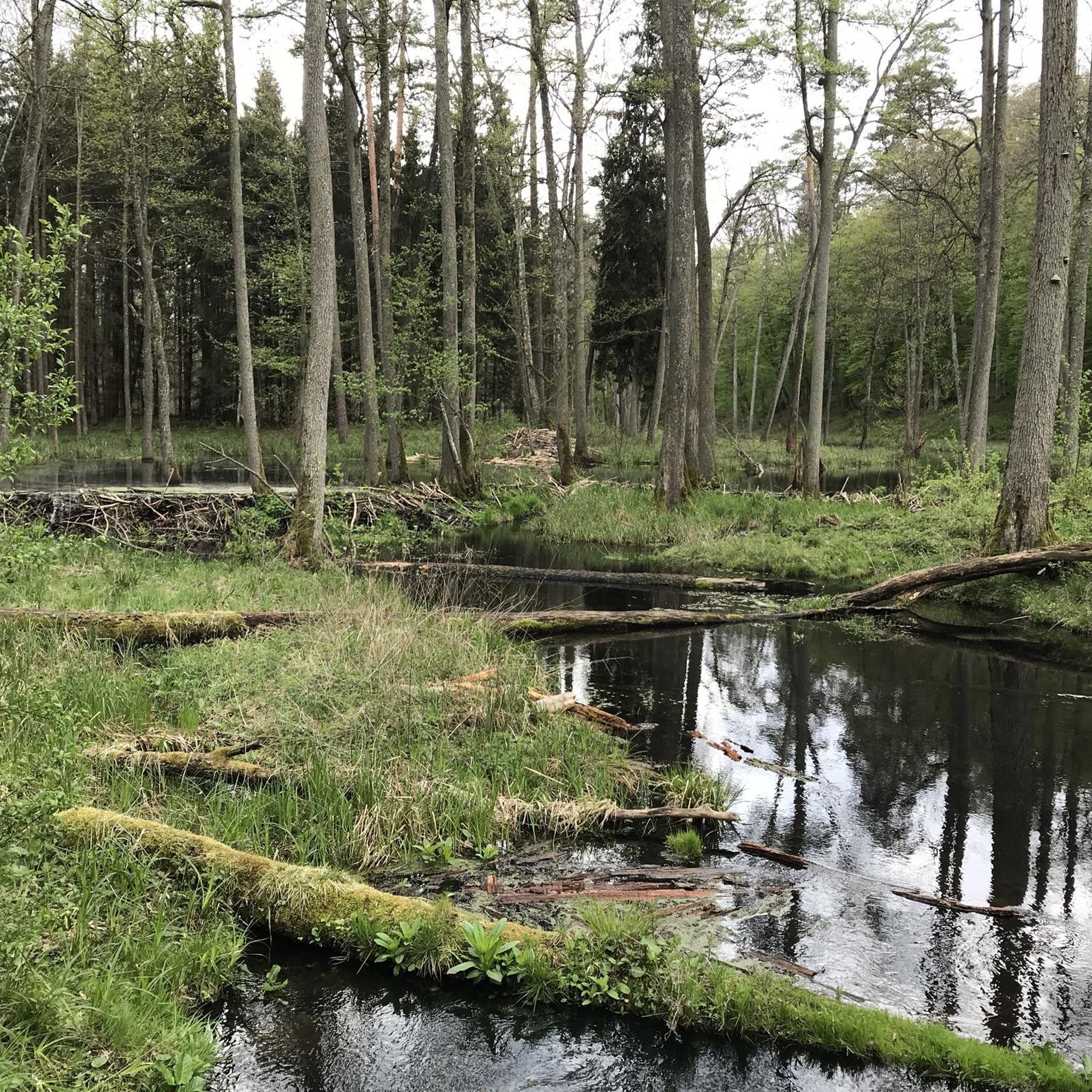
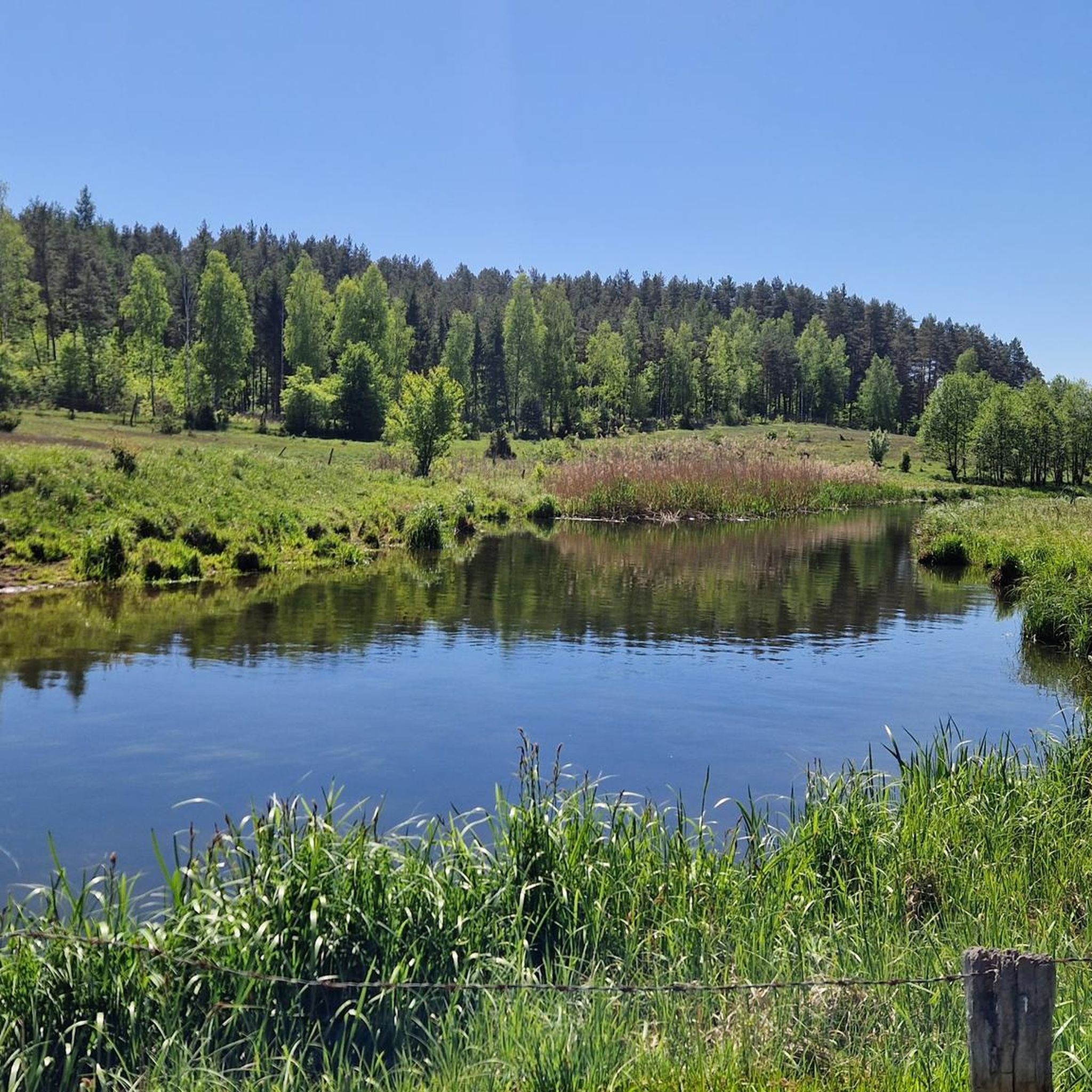
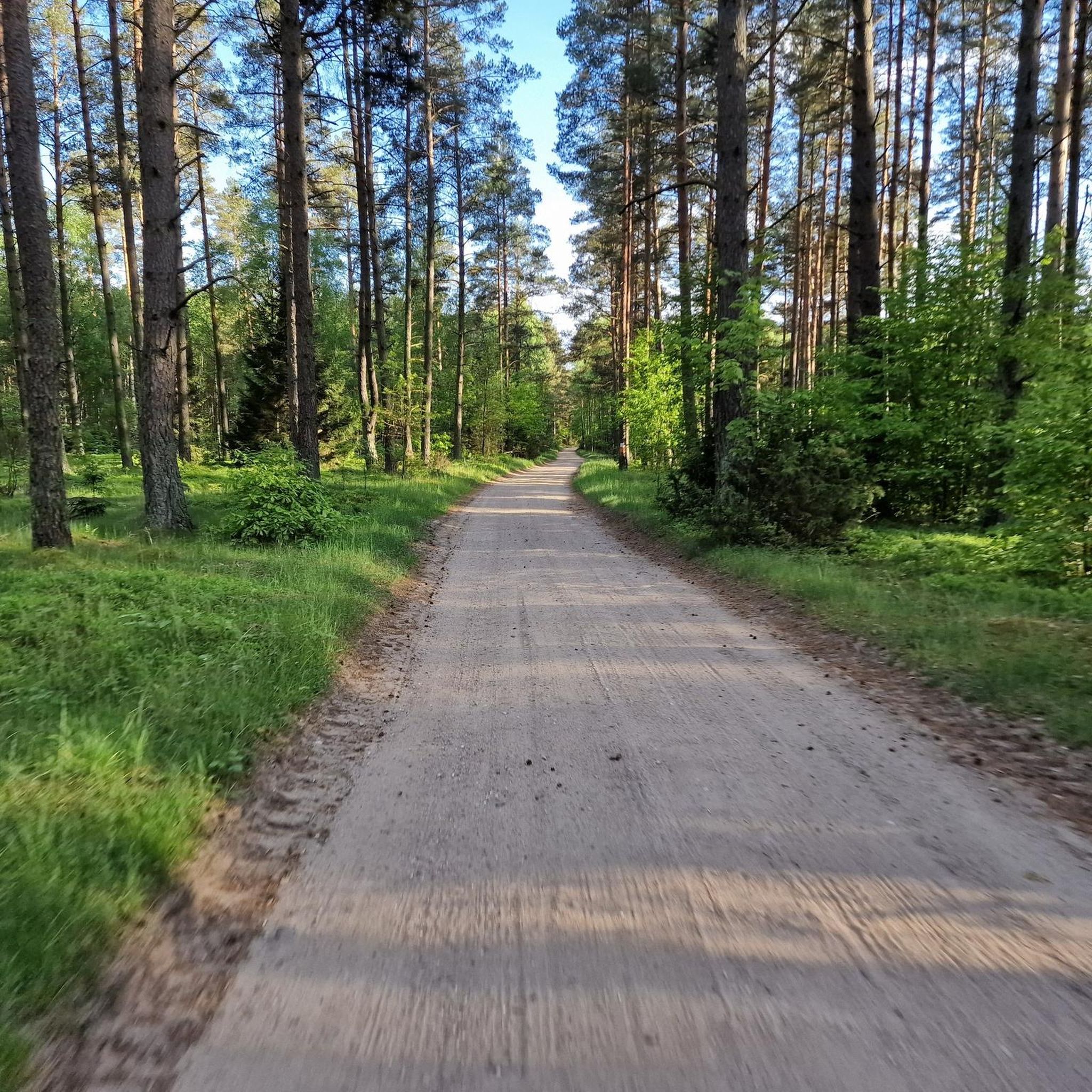
Road cycling around Gmina Nidzica offers varied terrain shaped by the last Baltic glaciation, featuring a mix of hilly landscapes and flat plains. The region is characterized by extensive forests, numerous lakes, and river valleys, providing diverse backdrops for road cyclists. This topography creates a dynamic environment with both challenging ascents and scenic, flatter sections.
Best road cycling routes around Gmina Nidzica
- The most popular road cycling route is Old Town Hall Olsztyn – Chapel Shrine in Bartąg loop from…
Last updated: May 16, 2026
5.0
(4)
36
riders
129km
05:18
660m
660m
Hard road ride. Very good fitness required. Some segments of this route may be unpaved and difficult to ride.
5.0
(1)
27
riders
85.3km
03:25
360m
360m
Moderate road ride. Good fitness required. Mostly well-paved surfaces and easy to ride.

Sign up for free
5.0
(1)
15
riders
54.9km
02:19
210m
210m
Moderate road ride. Good fitness required. Some segments of this route may be unpaved and difficult to ride.
5.0
(1)
10
riders
42.0km
01:48
150m
150m
Easy road ride. Great for any fitness level. Mostly well-paved surfaces and easy to ride.
12
riders
40.3km
01:41
130m
130m
Moderate road ride. Great for any fitness level. Some segments of this route may be unpaved and difficult to ride.
Get access to more routes and recommendations from other explorers.
Sign up for free
Already have an account?
Our route recommendations are based on thousands of hikes, rides, and runs completed by other people on komoot.
Start today with a free account
Your next adventure awaits.
Login or Signup

Tips from the Community

The construction of the castle began around 1398, the main western wing was completed in 1405, and the remaining works were completed in the spring of 1409[1]. The Teutonic procurator resided there. On July 12, 1410, on his way with his army into the depths of the Teutonic state, the undefended castle was occupied by Polish troops. During the Hunger War in 1414, the castle was besieged by Polish knights and captured on July 6 after an eight-day siege. In 1454, the castle was occupied by the pro-Polish Prussian Confederation and in February 1455, it was handed over to Czech mercenaries led by Jan Kolda of Žampach, who repelled the invasion of the Teutonic troops on April 28[2]. In 1517, the outer bailey was expanded and fortified. In 1784, the outer bailey burned down. In 1812, the castle was devastated by French troops. In the years 1828-1830 the castle was rebuilt into a court and prison. In the winter of 1945, Soviet troops bombarded the castle, which remained a ruin until its reconstruction in 1961-1965.
0
0
Wikno Olsztynecka Position. A unique facility, designed for 2 positions for heavy machine guns (built according to the standard Regelbau B1-6 plan), and an added casemate for a 3.7 cm AAA anti-tank field gun.
0
0
Nidzica Castle – was built at the beginning of the 15th century in the Gothic style as the seat of the Teutonic prosecutor.
0
0

First, some information about visiting, namely it is closed on Mondays. The construction of the castle began around 1370, and in 1409, a Teutonic prosecutor was already residing there. On July 12, 1410, on the way with an army into the depths of the Teutonic state, the undefended castle was occupied by Polish troops. During the Hunger War in 1414, the castle was besieged by Polish knights and captured on July 6 after an eight-day siege. In 1454, the castle was occupied by the pro-Polish Prussian Confederation. In February 1455, it was handed over to Czech mercenaries led by Jan Kolda of Žampach, who repelled the invasion of the Teutonic troops on April 28. In 1517, the castle's outer bailey was expanded and fortified. In 1784, the outer bailey burned down. The castle was damaged most by French soldiers, who were stationed here intermittently in the years 1806–1812. The building, devastated by the Napoleons, was saved from total ruin by the court counselor Ferdynand Tymoteusz Gregorovius, an effective initiator of the reconstruction (1828–1830) of the medieval fortress to serve as a courthouse, private apartments and a prison. However, Gregorovius stipulated that the people of Nidzica should build him a monument. The monument was built only more than seventy years after the castle was rebuilt. The monument is located in the castle park. In 1945, the castle was not so lucky – it was bombed by the Russians and burned down, losing its ceilings and part of the walls. However, the decision was quickly made to rebuild it. In 1949, the building was cleared of rubble, and three years later, the first security works began. The full restoration of the monument, including the conservation of the preserved paintings in the chapel and refectory, began in 1961 and was completed in 1965, after which it was ceremonially handed over to local cultural and social institutions. Currently, the castle serves as the city's center of business, culture and entertainment. It houses: the Museum of the Nidzica Region with an ethnographic and historical exhibition, the Nidzica Cultural Center, the Knights' Brotherhood of the Nidzica Commandery, the Hieronim Surpski Author's Gallery, a sculpture studio and a city library. There is also a hotel and a restaurant here. Admission to the outer bailey and the courtyard of the high castle is free, to the museum it is paid. The complex is surrounded by a dense 19th-century park. https://zamek-nidzica.pl/historia-zamku-2/
3
0

Church of st. James in Butryny. The first church mentioned in documents from the 14th century was of wooden construction and burned down in 1682. Seven years later, the construction of a brick church in the Baroque style began. This temple also burnt down during a fire in 1886 and was rebuilt in the years 1887-1888 in the neo-Gothic style, using the old walls. Since 2008, every year on the first Saturday of July, the "Kiermas Warmiński" ceremony takes place there. see the reconstruction of the historical entry of the bishop to Warmia.
1
0

The old town hall presents itself in a wonderfully restored Gothic look. It was built in the second half of the 14th century and rebuilt after a fire in 1620 and expanded over time.
4
0

A historic chapel at the entrance to Gryźliny
0
0

Frequently Asked Questions
How many road cycling routes are available in Gmina Nidzica?
Gmina Nidzica offers a diverse selection of over 15 road cycling routes, catering to various skill levels and preferences. These routes explore the region's unique landscapes, from hilly terrains to flat plains, and pass through extensive forests and along numerous lakes.
What kind of terrain can I expect when road cycling in Gmina Nidzica?
Road cycling in Gmina Nidzica features a varied topography shaped by the last Baltic glaciation. You'll encounter a mix of hilly landscapes and flat plains, extensive forests, and numerous lakes. This creates a dynamic environment with both challenging ascents and scenic, flatter sections, offering an engaging experience for cyclists.
Are there road cycling routes suitable for beginners or families?
Yes, Gmina Nidzica offers several easy road cycling routes perfect for beginners or family outings. For example, the Stare Dęby Avenue – View of the Łyna River loop from Nidzica is an easy 39.2 km trail. The area around Lake Omulew also features a 28 km trail suitable for recreational and family trips, connecting with a nature trail in the Koniuszanka II reserve.
Are there challenging routes for experienced road cyclists?
Absolutely. For experienced road cyclists seeking a challenge, Gmina Nidzica provides more difficult routes. The Old Town Hall Olsztyn – Chapel Shrine in Bartąg loop from Bujaki is a demanding 128.5 km trail that explores the wider region and connects historical points, offering significant elevation changes.
What are some scenic viewpoints or natural attractions along the road cycling routes?
Many routes offer stunning views and pass by significant natural attractions. You can cycle past the picturesque Jezioro Gim or Dłużek Lake, and explore areas like the Sources of the Łyna River Nature Reserve, known for its unique geological features and deciduous forests. The Tatary Stone, one of Masuria's largest erratic boulders, is also a notable landmark.
What historical or cultural attractions can I visit near the road cycling routes?
Gmina Nidzica is rich in history and culture. You can visit the impressive Teutonic Castle in Nidzica, a 14th-century Gothic fortress that now houses a museum. The Bishop's Trail – Gate of Warmia offers a glimpse into the region's past, commemorating historical routes of Warmian bishops. The neoclassical Town Hall and neo-Renaissance Church of St. Adalbert in Nidzica are also worth seeing.
Are there any long-distance road cycling routes in Gmina Nidzica?
Yes, for those looking for longer rides, Gmina Nidzica has options. The Old Town Hall Olsztyn – Chapel Shrine in Bartąg loop from Bujaki is a substantial 128.5 km route, while the Swaderki Lake – Swaderki Shelter loop from Nidzica covers 85.3 km, offering extensive cycling experiences.
What is the best time of year for road cycling in Gmina Nidzica?
The best time for road cycling in Gmina Nidzica is typically from late spring to early autumn (May to September). During these months, the weather is generally mild and pleasant, with lush green landscapes and full access to all routes and attractions. Summer offers the warmest temperatures, while spring and autumn provide beautiful scenery with fewer crowds.
What do other road cyclists enjoy most about road cycling in Gmina Nidzica?
The area is highly rated by the komoot community, with an average score of 4.9 stars from over 20 reviews. Reviewers often praise the varied terrain, the extensive forest areas providing shaded routes, and the numerous lakes that offer picturesque views. The mix of challenging climbs and scenic descents is also frequently highlighted.
Are there any road cycling routes that pass by lakes?
Many road cycling routes in Gmina Nidzica offer beautiful lake views. For instance, the Swaderki Lake – Swaderki Shelter loop from Nidzica provides views of Lake Swaderki. Another route, Road Along Lake Wilna – Wikno combat bunker loop from Jabłonka, leads past Lake Wilna. The region is dotted with several lakes, including Omulew, Trzcinowe, Czarne, and Bolejny, ensuring many opportunities to cycle alongside water.
Are there any new cycling paths being developed in the Gmina Nidzica area?
Yes, Gmina Nidzica is actively investing in its cycling infrastructure. There are ongoing efforts to improve cycling paths, with agreements signed for the construction of new cycling paths totaling 20 km. These new paths will connect areas like Kozłowo-Nidzica and Nowa Różanka-Solanka, with completion expected by the end of 2025, further enhancing the cycling experience.
Most popular routes around gmina gmina gmina Nidzica
Most popular attractions around gmina gmina gmina Nidzica

Get inspired with the komoot mobile app


Explore more
Browse the best Road cycling routes in other regions.
