Attractions and Places To See around Barciany - Top 20
Best attractions and places to see around Barciany include a variety of historical sites and natural features. This Polish village offers medieval architecture, such as Teutonic castles and Gothic churches, alongside serene natural spots like Lake Arklickie. The region provides opportunities to explore significant landmarks and enjoy the surrounding environment.
Best attractions and places to see around Barciany
- The most popular attractions is Wolf's Lair (Wolfsschanze), a historical site that served as a military situation center and one of Hitler's main headquarters during World War II. It is located near Kętrzyn and offers a glimpse into recent history.
- Another must-see spot is Barciany Teutonic Castle, a 14th-century Gothic castle. This impressive structure, once a center of administrative and military power, showcases monastic castle architecture.
- Visitors also love St. George's Church in Kętrzyn, a Gothic single-nave church dating back to the 16th century. This well-preserved defensive church in Masuria features a tower that offers views of Kętrzyn.
- Barciany is known for its historical sites, including castles and palaces, and natural areas like forests and lakes. The region offers a variety of attractions to see and explore, from medieval architecture to tranquil landscapes.
- The attractions around Barciany are appreciated by the komoot community, with 161 upvotes and 186 photos shared across various highlights.
Last updated: July 1, 2026
Wolf's Lair (Wolfsschanze)
Highlight • Historical Site
Adolf Hitler himself gave the system the code name, based on the pseudonym he used, "Wolf", which can be traced back to the meaning of his first name Adolf and which he mainly used in his private correspondence in the 1920s. [2] Another code name of the Führer Headquarters East was "Görlitz".
The Wolfsschanze was built above ground from 1940 by the Todt Organization. To protect against aerial reconnaissance, it was in a dense forest under non-combustible camouflage nets and was covered with a camouflaging mortar. Numerous flak positions secured against air raids. [3] A total of around 100 different objects and buildings were erected in the area between 1940 and 1944. The construction site had the cover name "Chemical Works Askania". [4] Since 1941, with the beginning of the war against the Soviet Union (Operation Barbarossa), the Wolfsschanze was Hitler's main residence.
Source: de.m.wikipedia.org/wiki/Führerhauptquartier_Wolfsschanze
Translated by Google •
Tip by

Kętrzyn Castle
Highlight • Castle
Tip by

Sign up now to discover places like this
Get recommendations on the best single tracks, peaks, & plenty of other exciting outdoor places.
Sign up for free
St. George's Church in Kętrzyn
Highlight • Religious Site
Translated by Google •
Tip by

Drogosze Palace
Highlight • Historical Site
In the years 1710–1714 a palace was erected, modeled on the Donhoffs' main residence (not preserved), famous for its beauty and grandeur, in Friedrichstein near Królewiec. Presumably, both buildings were built by the architect Johann von Collas (1678–1753), while the original architectural concept of the palace in Friedrichstein was made by the French architect Jean de Bodt (1670–1745).
The completed baroque building was very impressive and became the largest family residence in Masuria and one of the largest in all of East Prussia. Splendor was also added by the function of the so-called royal palace, where traveling monarchs could stay safely and comfortably.
pl.wikipedia.org/wiki/Pa%C5%82ac_w_Drogoszach
Translated by Google •
Tip by

Barciany Teutonic Castle
Highlight • Castle
Translated by Google •
Tip by

Sign up for free to discover even more attractions around Barciany.
Sign up for free
Already have an account?
Start today with a free account
Your next adventure awaits.
Login or Signup
Tips from the Community

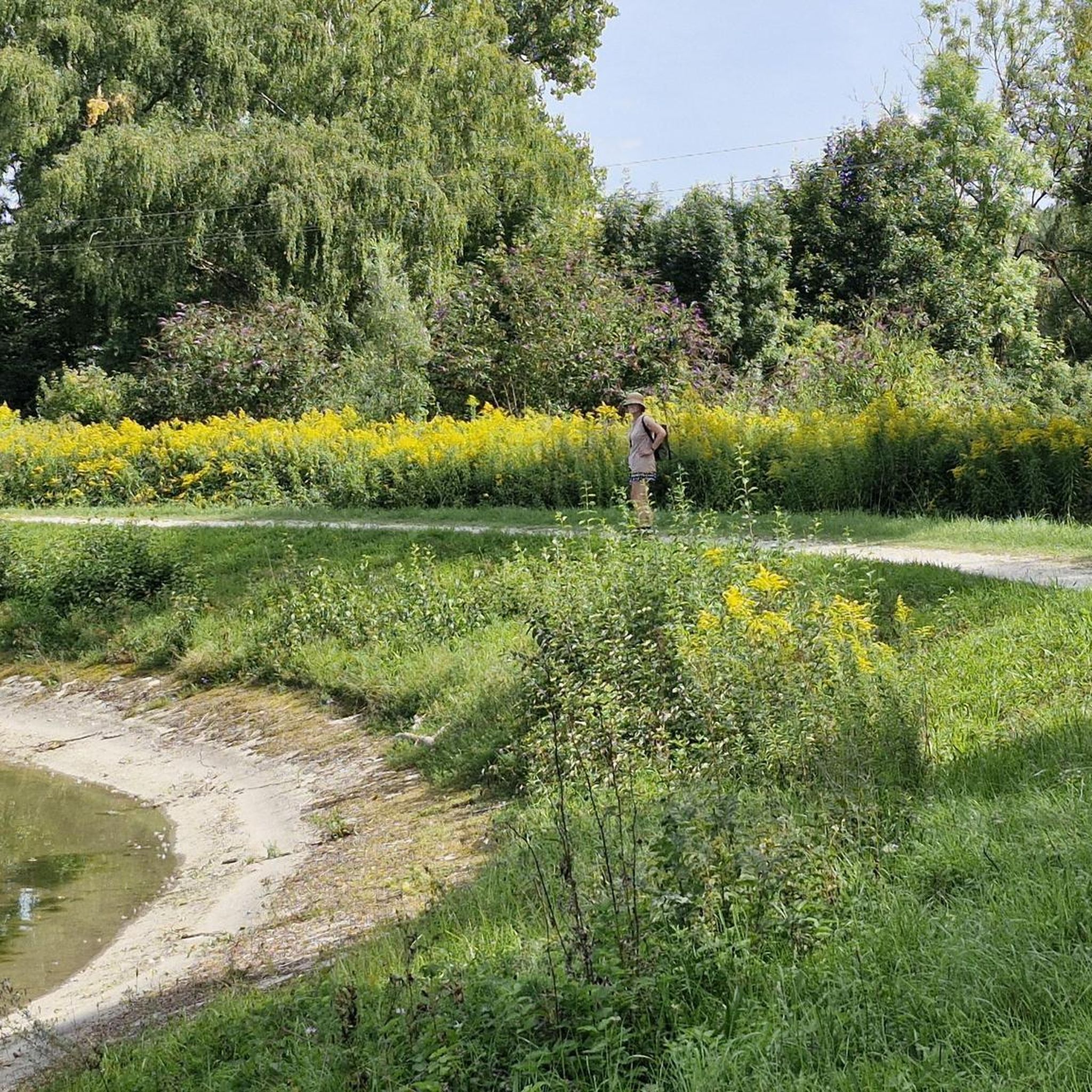
On the way to the lost place. There will soon be a way inside. Unfortunately, I was a bit too early.
2
0

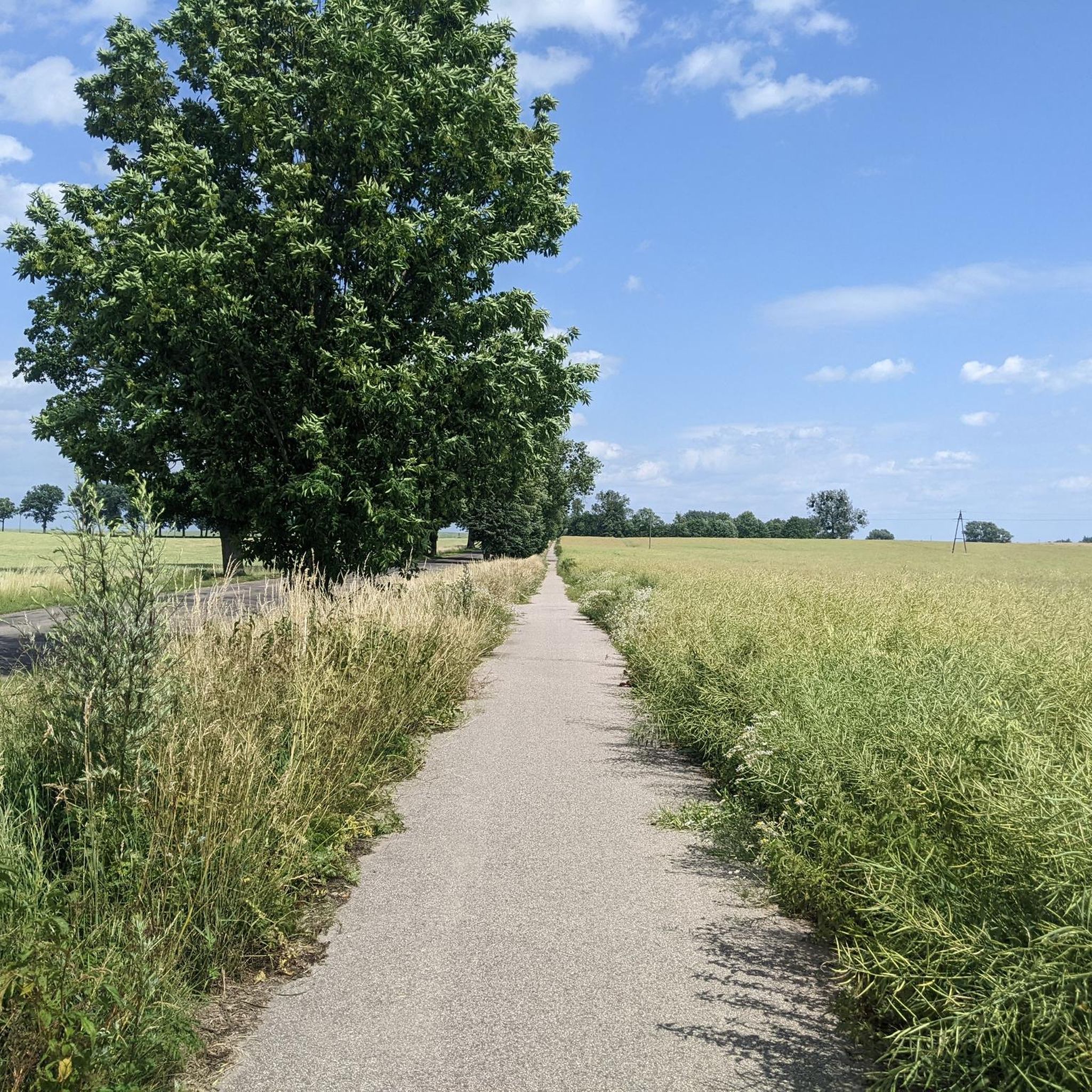
The castle in Barciany is an impressive example of Gothic Teutonic architecture from the 14th century, located on a small hill surrounded by former marshes. Although it lacks tall towers, it has retained its massive shape and defensive character, making it an interesting testimony to the evolution of monastic castles. After the war, it served economic functions and is currently closed to visitors, although its silhouette can be admired from the outside. The castle is easy to reach by bike, it is worth planning a short stop here for photos and to learn the history of the place.
3
0

Since the State Forests took over the facility in 2017, this place has become more and more attractive.
0
0

The basilica, built on the site of a former watchtower from 1359, expanded until the early 16th century, is the best-preserved defensive church in Masuria. Initially, it was a hall-type, single-nave building located in the southwestern corner of the city. Defensive porches and a tower topped with battlements were built in the crown of the walls. At the beginning of the 15th century, a second tower (bell tower) was built, and at the end of the century, the building was rebuilt into a three-nave pseudo-basilica (the northern side nave was added, the central and southern naves are located within the outline of the hall church). After a fire in 1500, during the reconstruction, the existing and characteristic deviation of the church's axis was created. In the church, the following are worthy of attention: the crystal vaults from 1515 by Master Matz from Gdańsk, the 16th-century pulpit, the organs from 1721 (Josue Mosengel, the creator of the organs in Święta Lipka) were rebuilt - the current one from 1975 has 43 voices, the tombstone of Krzysztof Schenk von Tautenburg from 1597 and the prison (entrance from the church) located under the high tower. After the Germans were expelled in 1945, the church was used by the Kętrzyn Evangelical parish. A year later, in 1946, the building was requisitioned by the communist authorities and immediately transferred to the Roman Catholic Church. Since then, the small "Polish church" of St. George, built next door in the mid-16th century, has been the only Evangelical church in the city. As a Roman Catholic temple, the church of St. George has held the title of minor basilica since 22 July 1999, and since 7 June 1992 it has also served as a collegiate church. In the church, the former chapel of St. James served as a baptistery after the Reformation, which after 1946 was architecturally shaped on the model of the Gate of Dawn in Vilnius. Within the preserved defensive walls, adjacent to the church of St. George, there is a former rectory (14th/15th–16th centuries), built in the Middle Ages, and later a pastor's house (16th century – 1817), converted into a gymnasium in the 19th century (1817–1907), until 1945 it functioned as the so-called Widow's House – a place of residence for the wives of deceased priests. The gate at the western façade leads to the area between the walls, where a lapidarium has been arranged, containing a collection of historic tombstones, monuments, epitaphs and cast iron crosses. http://bazylika.ketrzyn.pl https://pl.wikipedia.org/wiki/Bazylika_kolegiacka_%C5%9Bw._Jerzego_w_K%C4%99trzynie
0
0
Well restored 14th century castle (founded as Ordensburg Rastenburg), now a museum and a library
3
0

great city and definitely worth a trip
0
0
great city and definitely worth a trip
1
0
probably THE tourist destination in this area and I can really recommend a visit to this complex
0
0
Frequently Asked Questions
What historical sites can I explore in and around Barciany?
The region around Barciany is rich in history. You can visit the impressive 14th-century Gothic Barciany Teutonic Castle, the grand Drogosze Palace, and the historic Church in Barciany with its 15th-century bell. Nearby, you'll also find Wolf's Lair (Wolfsschanze), a significant World War II site, and Kętrzyn Castle.
Can I visit the Barciany Teutonic Castle?
The Barciany Teutonic Castle is an impressive 14th-century Gothic structure. While currently closed to visitors, its massive silhouette can be admired from the outside, offering a glimpse into its long history. It's an excellent spot for photos and to appreciate monastic castle architecture.
What is the significance of the Drogosze Palace?
The Drogosze Palace, also known as Schloss Dönhofstädt, is a magnificent Baroque palace and park complex built between 1710 and 1714. It was the seat of the influential von Dönhoff family and is considered one of the three largest 'royal palaces' of East Prussia, known for its beauty and grandeur. Its unique design features 12 chimneys, 52 rooms, and 365 windows, symbolically referencing the calendar.
Are there any ancient artifacts or legends in the Barciany area?
Yes, the Barciany area holds ancient history. You can find the 'Baba' Stone Statue, an early medieval stone statue left by the Prussians, which is steeped in local legend. Additionally, on Lake Arklickie, there's an artificial island with remnants of an aquatic settlement built around the 6th century BCE by the Western Baltic Barrow Culture.
What natural attractions can I find near Barciany?
Barciany offers serene natural spots. Lake Arklickie is a peaceful oasis perfect for anglers and contributes to the region's clean air. The commune also boasts extensive forests, ideal for foragers and providing nesting sites for wild birds and game. You can also explore the artificial island on Lake Arklickie, which has historical significance.
Are there opportunities for hiking around Barciany?
Absolutely! The area around Barciany provides various hiking opportunities. You can find easy to moderate trails, such as the 'Town Hall in Ketrzyn – Milk Bar loop from Kętrzyn' (3.9 km, easy) or the 'Hitler's Bunker (Wolf's Lair) loop from Czerniki' (13.3 km, moderate). For more options, explore the Hiking around Barciany guide.
Can I go cycling near Barciany?
Yes, Barciany is well-suited for cycling. There are numerous road cycling routes, including the 'Kętrzyn Windmill – New Asphalt loop from Kętrzyn' (35.2 km, easy) and the 'Wolf's Lair Bunker Museum – Boyen Fortress loop from Kętrzyn' (85.9 km, moderate). Discover more routes in the Road Cycling Routes around Barciany guide.
What kind of mountain biking trails are available?
For mountain biking enthusiasts, Barciany offers several trails. You can try the 'Masurolandia – Wolf's Lair (Wolfsschanze) loop from Kętrzyn' (26.4 km, easy) or the 'Wolf's Lair (Wolfsschanze) – Military Museum 303 loop from Kętrzyn' (29.6 km, moderate). Check out the MTB Trails around Barciany guide for more details.
Are there family-friendly attractions in the Barciany area?
Many of the historical sites in the Barciany area are suitable for families, offering educational and engaging experiences. The Wolf's Lair (Wolfsschanze) and Kętrzyn Castle are listed as family-friendly highlights. Exploring the natural areas like Lake Arklickie and the forests also provides great outdoor activities for all ages.
What do visitors particularly enjoy about the attractions near Barciany?
Visitors appreciate the rich historical context and the well-preserved architecture of the region. The Wolf's Lair (Wolfsschanze) is highly recommended for its historical significance and good audio guides. The St. George's Church in Kętrzyn is admired for its beautiful Gothic architecture, with the option to climb the tower for views of Kętrzyn. The overall blend of history and tranquil natural landscapes is a major draw.
What historical churches are worth visiting near Barciany?
The Gothic single-nave Church in Barciany, dating back to the 16th century, is a notable site with its preserved 1804 tower housing the oldest bell in the area (cast in 1425). Additionally, the St. George's Church in Kętrzyn is a beautiful Gothic defensive church from the 16th century, offering a rich history and the chance to climb its tower for panoramic views.
Are there other historical palace and park complexes to visit in the Barciany commune?
Beyond the prominent Drogosze Palace, the Barciany commune is home to other historical palace and park complexes. These include the small Rococo palace in Wielewo, built in 1797, and an impressive neo-classical palace in Silginy. While some may be in varying states of preservation, they offer further glimpses into the region's aristocratic past.

Get inspired with the komoot mobile app


Explore more
Still not found the Highlight you’re looking for? See guides of the top attractions in other regions:
