Attractions and Places To See around Mirzec - Top 20
Best attractions and places to see around Mirzec include a blend of historical sites, cultural heritage, and natural landscapes. The region features dense woodlands, such as parts of the Iłża Forest, and the extensive Iłżanka River valley, which are rich in wildlife. Mirzec's history dates back to 1170, with ancient mining and metallurgy leaving visible traces. Visitors can explore a variety of sites reflecting its past and natural beauty.
Best attractions and places to see around Mirzec
- The most popular…
Last updated: May 4, 2026
Wykus Home Army Memorial
Highlight • Monument
Translated by Google •
Tip by

Mostki Reservoir
Highlight • Lake
Translated by Google •
Tip by

Sign up now to discover places like this
Get recommendations on the best single tracks, peaks, & plenty of other exciting outdoor places.
Sign up for free
Wykus Nature Reserve
Highlight • Forest
Translated by Google •
Tip by
Langiewicz Glade Memorial
Highlight • Historical Site
Translated by Google •
Tip by
Statue of the Sołtys in Wąchock
Highlight • Monument
Translated by Google •
Tip by

Sign up for free to discover even more attractions around Mirzec.
Sign up for free
Already have an account?
Start today with a free account
Your next adventure awaits.
Login or Signup

Tips from the Community

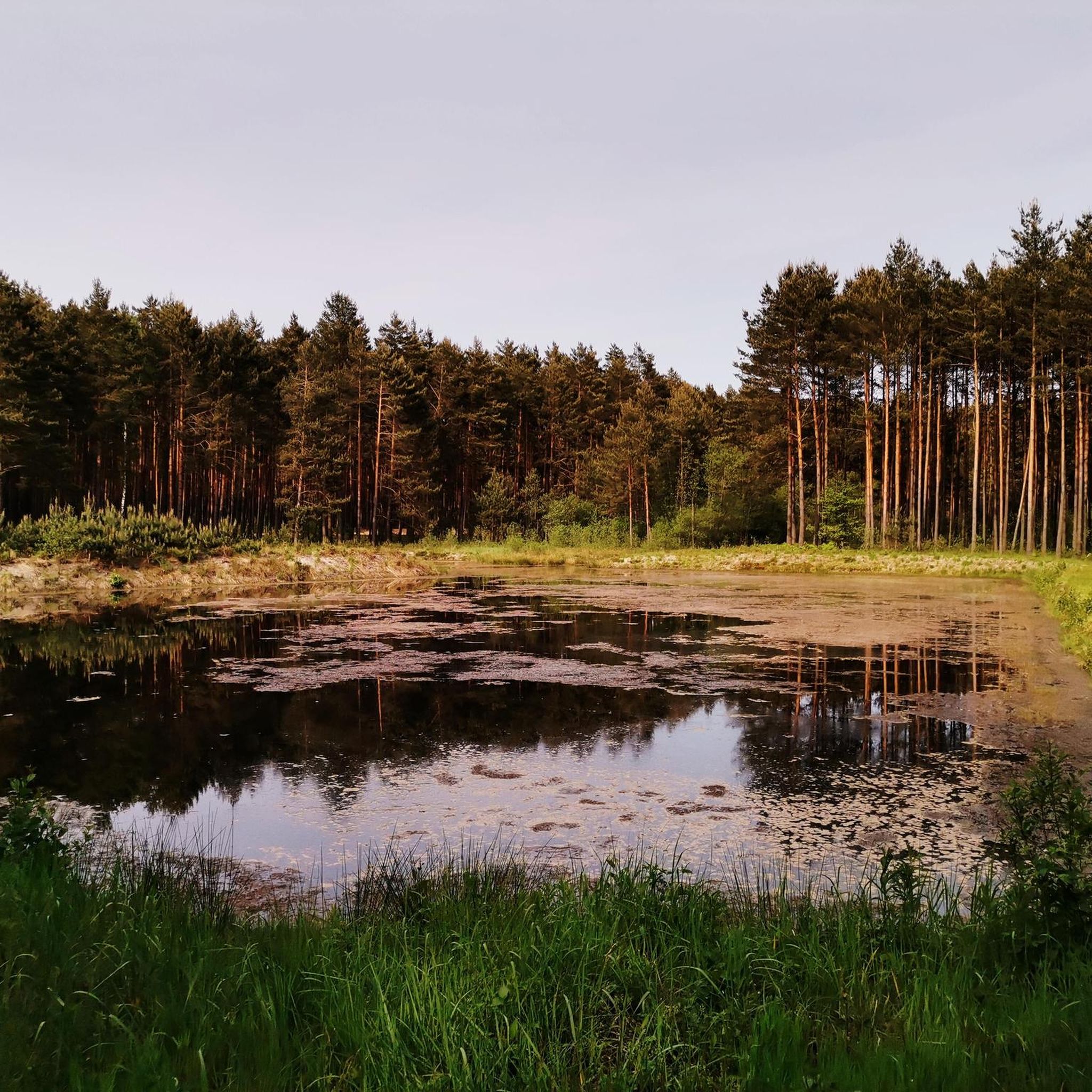
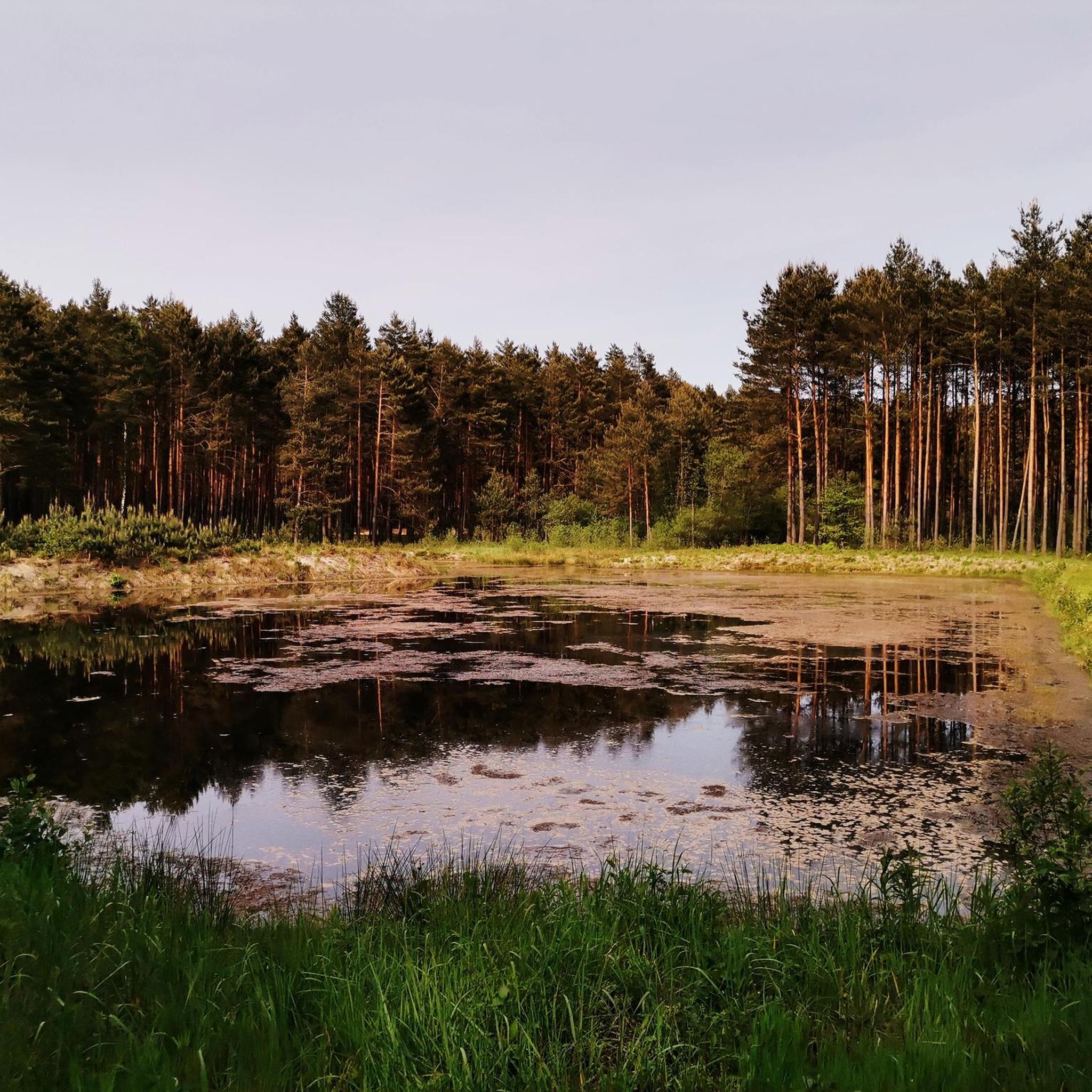
A 21ha reservoir located on the Żarnówka River, which is a right tributary of the Kamienna River. The fishing ground is located in the village of Mostki near Suchedniów in Skarżysko County. The reservoir is located on the Suchedniów-Starachowice route and is approximately 2 km long.
0
0

A must visit on Sieradowicki
0
0

this is one big attraction this single track
0
0
Wykus was the base of Polish partisans. During the January Uprising, insurgents commanded by Marian Langiewicz were stationed here. During World War II, camps of Polish underground soldiers were located here, first under the command of Maj. Henryk Dobrzański "Hubal", later the Home Army Partisan Groups "Ponury" - lieutenant cc. Jan Piwnik "Ponury". On On September 15, 1957, in the place of the former camp, a chapel with the image of Our Lady of Sorrows was unveiled, commemorating those who died in the fight for the homeland. On its walls there are 123 nicknames of soldiers who died during the war. The shrine is surrounded by a wall, on which there are several hundred plaques with the names of the dead soldiers of the "Ponury" and "Nurt" groups. The chapel with the surrounding area within a radius of 30 m is the "Wykus" National Memorial Site and is entered in the register of immovable monuments. Every year, on the second Saturday of June, ceremonies commemorating the fallen soldiers of the Partisan Groups of the Home Army "Ponury" are organized in Wykus. Wykus (326 m above sea level) is also a nature reserve.
0
0
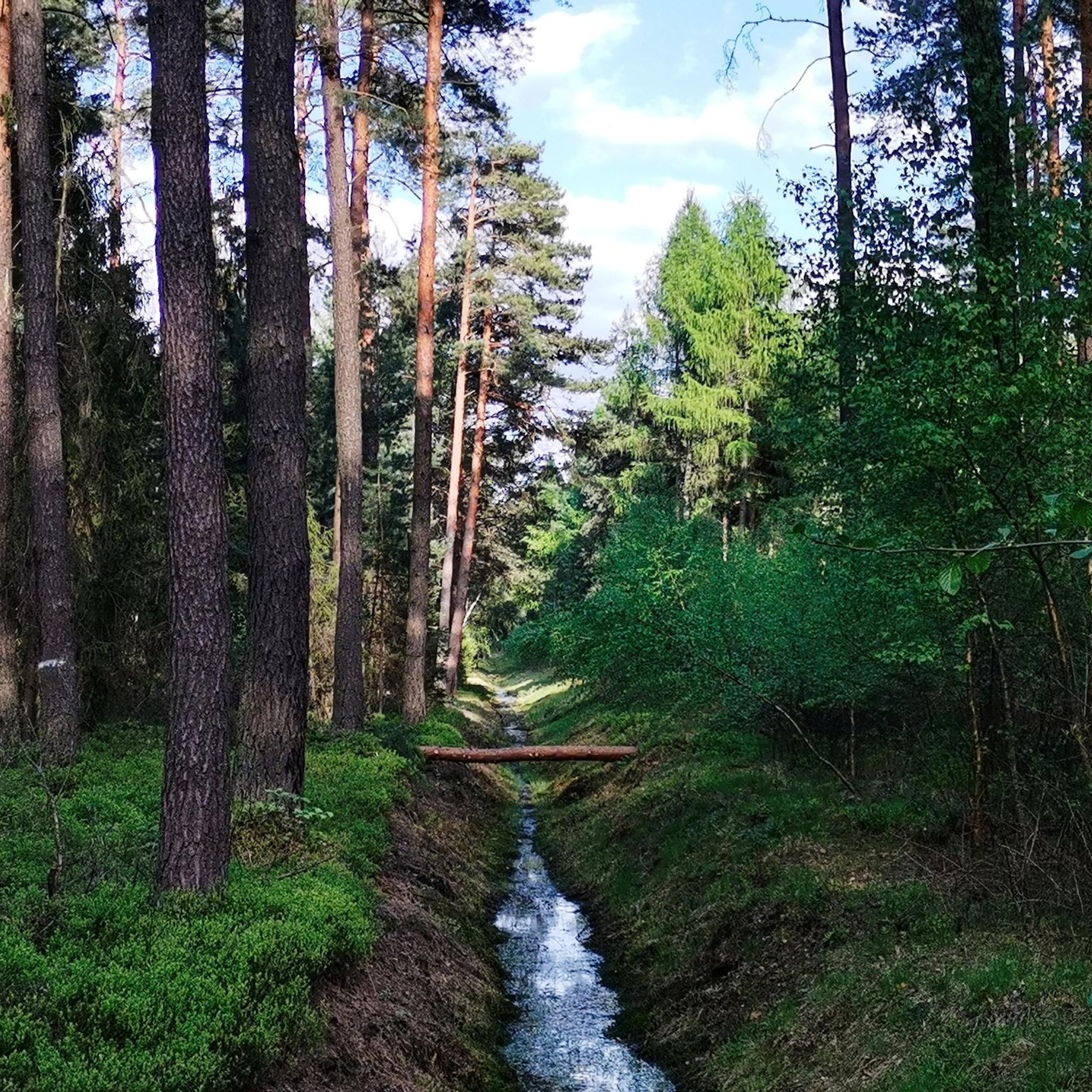
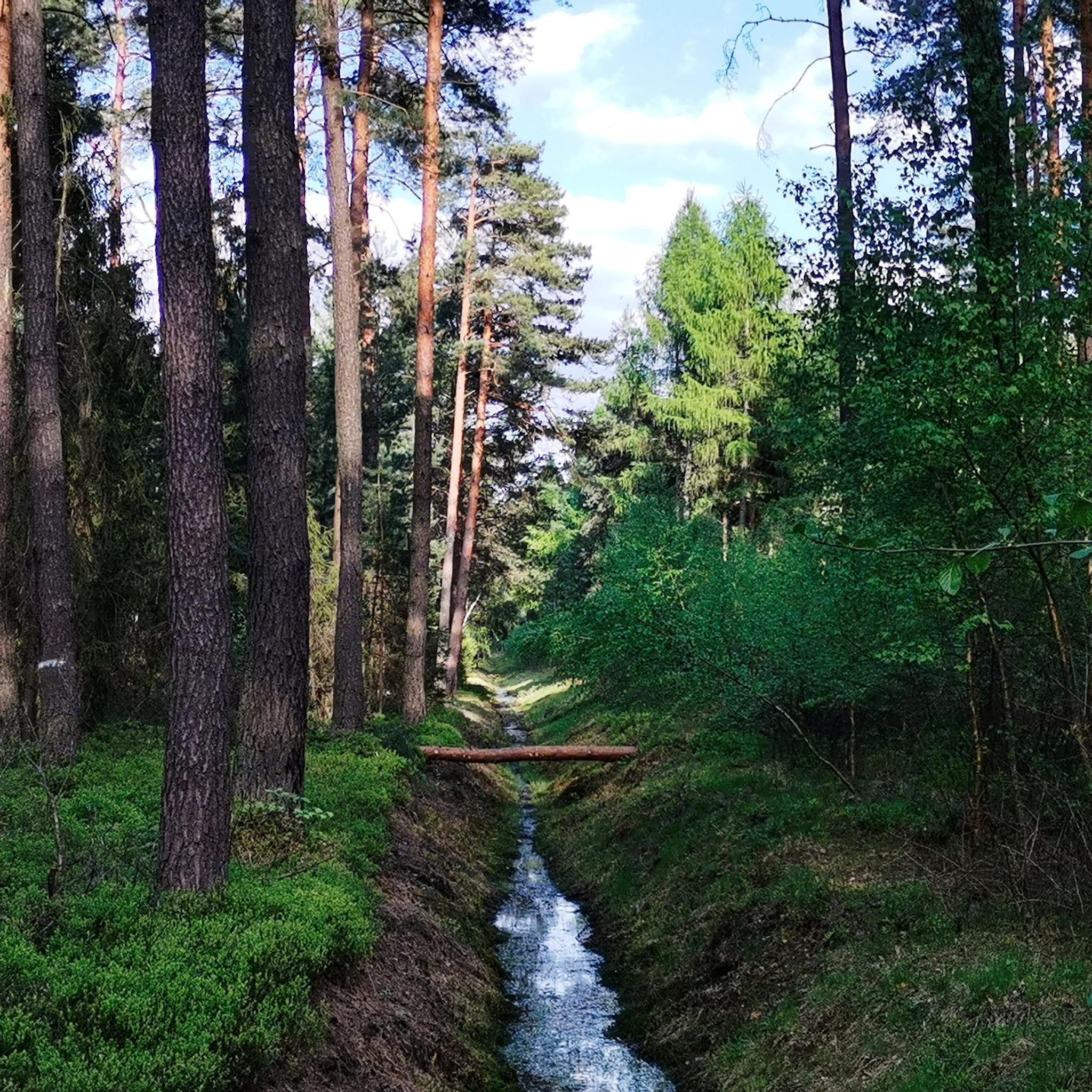
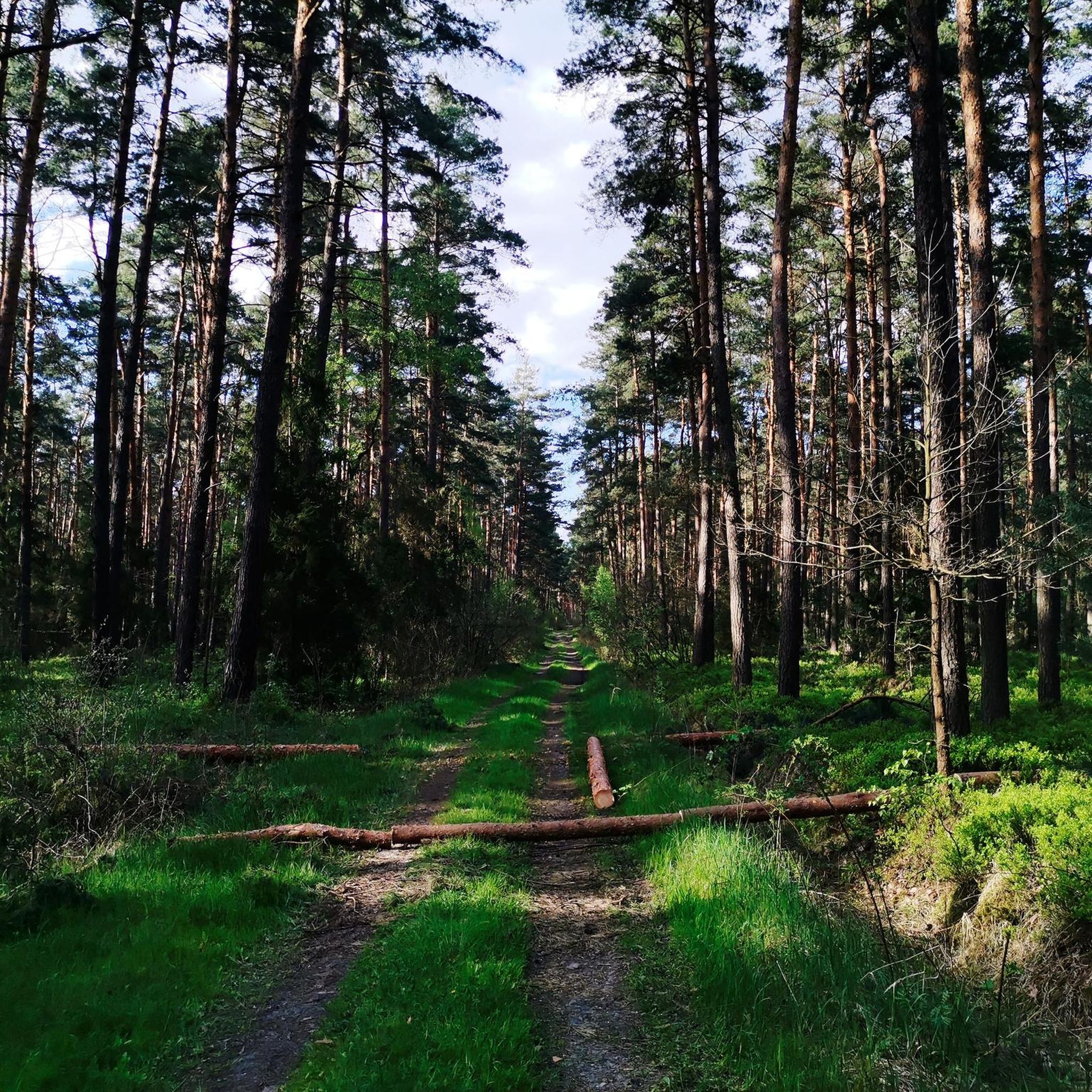
The Wykus partial reserve was established by the Ordinance of the Minister of Forestry and Wood Industry of October 11, 1978. The total area of the reserve is 53.01 ha, including 52.7 ha of forest and 0.31 ha of non-forest land. The reserve belongs to the Suchedniów Forest District, Bronkowice Forest District, Bodzentyn and Wąchock communes. The subject of protection in the reserve are diversified and highly natural forests with the participation of pine, fir and oak, hornbeam, birch, aspen and alder. The age of the upper layer of trees varies from 70 to 100 years, with specimens reaching 140 years. They are a great natural asset of the reserve. The highest degree of naturalness is characteristic of forest-like fir and alder stands. The area of the reserve is overgrown with a number of forest vegetation communities, among which the following deserve attention: Carpathian beech forest, oak-hornbeam forest, upland fir forest, mixed forest, Central Polish mixed forest with fir and alder and ash riparian forest. Many interesting and protected species of plants grow in the undergrowth and undergrowth, including: hepatica, live onion, three-needle moss, bugle, laurel and clubmoss. However, Wykus is famous above all for its many historical places. Large complexes of forests have long provided shelter to patriots fighting for the independence of our country. It was here that the January insurgents found shelter and the partisans of World War II. The Wykus Reserve is an important junction of tourist trails. They lead to it: - green hiking trail from Skarżysko (Mostek) - blue pedestrian from Wąchock and Bodzentyn - black pedestrian from Starachowice - red bicycle from Mostki, Wąchock and Bronkowice
0
0
Polana Langiewicza is commonly regarded as a campsite for insurgent troops led by General Marian Langiewicz during the January Uprising in 1863. However, there is no evidence that the insurgents were stationed in this exact place and that General Langiewicz himself stayed there. This place was indicated by Capt. Wojdacki, writing that "there was a spring and an oak grew, where General Marjan Langiewicz sat as if on a stool". The place was marked for the first time in 1925, during the convention of veterans of the 1863 uprising. Then, after the holy mass in Wąchock, the participants of the reunion went to the clearing, where a commemorative plaque was consecrated. The plaque was made in a foundry in Skarżysko, owned by Kazimierz Jan Witwicki, son of Jan Witwicki, an insurgent. At that time, the plaque was hung on an oak - today it is hung on a pine.
0
0
Where is the most famous mayor in the country? It's of course - Wąchock! This respectable position has even received a monument. The monument is located near the Cistercian Abbey, right under the windows of the Police building. The initiator of the creation of the monument was Feliks Januchta - president of the Association of Mayors of the Kielce Region. Sławomir Micek, an artist from Kielce, was the contractor for the project. The ceremonial unveiling of the bronze monument took place on June 28, 2003. On the plinth there is an inscription: "Sołtys on the homestead equal to the voivode". The figure, on the other hand, shows the mayor sitting on a stone with his hat slightly tilted. He rests his right hand on a wooden cart wheel, while in his left hand he holds a mobile phone to his ear. The first gadget did not end up on the monument by accident. The circle refers to one of the jokes about the method of electing the mayor in Wąchock. Well: "the wheel from the wagon is released from the highest hill, and whose cottage it hits - he becomes the mayor". It is worth mentioning that Wąchock is currently managed by the mayor. The city itself has about 2,800 inhabitants and is situated on the Kamienna River.
0
0

Mayor of Wąchocka - a character from jokes about Wąchock. A monument was erected in his honor on June 28, 2003. The president of the Kielce Land Association was the originator of the erection of a monument to the village leader in Wąchock. The idea was accepted and the monument was placed in front of the Police and Post Office building. In 1994 Wąchock regained municipal rights and the office of the commune head was replaced with the office of the mayor. The Society of Wąchock's Friends came up with the figure of the honorary mayor of Wąchock, who has been traditionally elected since that year.
0
0
Frequently Asked Questions
What historical sites can I explore in Mirzec?
Mirzec is rich in history. You can visit the Wykus Home Army Memorial, which commemorates soldiers from World War II. Another significant historical site is the Langiewicz Glade Memorial, associated with the January Uprising. Beyond these, explore St. Leonard's Church, the historic Larch Manor, and the Mirzec Parish Cemetery with gravestones dating back to the 19th century.
Are there any significant cultural centers or museums in the area?
Yes, the Center of Folk Creativity in Osiny, housed in a former school building, features a Regional Souvenirs Museum and a permanent exhibition titled "Stąd nasz ród," showcasing local family and cultural life up to 1945. Additionally, the Mini-Open-Air Museum "House of Memories" offers a private collection of everyday objects from the Mirzec region.
What natural attractions are there to visit around Mirzec?
The region boasts significant natural beauty. You can explore parts of the Iłża Forest, which covers nearly 39% of the commune and is rich in wildlife. The Iłżanka River valley is also an excellent habitat for birds. Don't miss the Wykus Nature Reserve, protecting diverse forests, or the Mostki Reservoir for recreational opportunities.
Where can I go for outdoor activities like hiking or cycling near Mirzec?
Mirzec offers various outdoor activities. For hiking, you can explore trails within the Wykus Nature Reserve, which is an important junction for tourist trails. You can find more hiking routes in the Hiking around Mirzec guide. For cycling, there are options for both gravel and road biking, detailed in the Gravel biking around Mirzec and Road Cycling Routes around Mirzec guides.
Are there any nature reserves or protected areas in Mirzec?
Yes, the Wykus Nature Reserve is a key protected area, preserving diversified and natural forests. Additionally, the landscape, flora, and fauna of the Starachowice forests within the Mirzec commune are protected under the Natura 2000 area "Uroczyska Lasów Starachowickich".
Can I go wildlife spotting in the Mirzec region?
Absolutely. The dense woodlands of the Iłża Forest are home to beavers, badgers, martens, wild boars, foxes, deer, elk, and even wolves. The Iłżanka River valley and its tributaries are also excellent habitats for numerous bird species, including woodpeckers, hoopoes, nuthatches, warblers, and black storks.
Are there any lakes or reservoirs for recreation?
Yes, the Mostki Reservoir is a 21-hectare reservoir on the Żarnówka river, offering recreational opportunities. It features a characteristic hexagonal well water overflow and a bathing beach, making it a popular spot for visitors.
Are there family-friendly attractions in Mirzec?
Several attractions in Mirzec are suitable for families. The Mostki Reservoir offers a bathing beach and recreational activities. The Wykus Home Army Memorial is also considered family-friendly, offering a historical and commemorative experience in a natural setting.
Are there any attractions in Mirzec that are wheelchair accessible?
The Statue of the Sołtys in Wąchock is noted as wheelchair accessible. For other attractions, it's advisable to check specific site details or contact them directly for accessibility information, especially for historical buildings or natural trails.
Are there any lesser-known or unique places to discover in Mirzec?
For a unique experience, visit the Mini-Open-Air Museum "House of Memories," a private initiative displaying hundreds of everyday objects from the Mirzec region in an old family home. Another interesting site is the Rydno Archaeological Reserve, which protects ancient smelting and mining sites dating back to the early centuries CE.
What religious landmarks are present in Mirzec?
Mirzec features several religious landmarks. St. Leonard's Church, built between 1844 and 1850, houses a precious painting of St. Leonard from around 1500 and an image of Divine Mercy. There is also a wooden Chapel of John of Nepomuk in the center of Mirzec, and the Wykus Home Army Memorial includes a chapel with the image of Our Lady of Sorrows.
What is the best time to visit Mirzec for outdoor activities?
While specific seasonal recommendations are not provided, the region's natural attractions like the Iłża Forest, Iłżanka River valley, and Mostki Reservoir are best enjoyed during warmer months, typically spring through early autumn, when hiking, cycling, and water-based recreation are most pleasant.
Most popular attractions around Mirzec

Get inspired with the komoot mobile app


Explore more
Still not found the Highlight you’re looking for? See guides of the top attractions in other regions:
