Attractions and Places To See around Bliżyn - Top 20
Best attractions and places to see around Bliżyn include a blend of natural landscapes, historical sites, and cultural points of interest. Located in Poland's Holy Cross region, the area features unique rock formations, serene reservoirs, and ancient trees. Visitors can explore a diverse environment that combines natural beauty with historical authenticity.
Best attractions and places to see around Bliżyn
- The most popular attractions is Bartek Oak, a natural monument that is one of the oldest preserved oaks in Poland.…
Last updated: May 4, 2026
Ruins of the Józef Ironworks in Samsonów
Highlight • Historical Site
Translated by Google •
Tip by

Aga's Cave — Piekło pod Niekłaniem rock formations
Highlight • Cave
Translated by Google •
Tip by

Sign up now to discover places like this
Get recommendations on the best single tracks, peaks, & plenty of other exciting outdoor places.
Sign up for free
Mostki Reservoir
Highlight • Lake
Translated by Google •
Tip by
Bartek Oak
Highlight • Natural Monument
Translated by Google •
Tip by

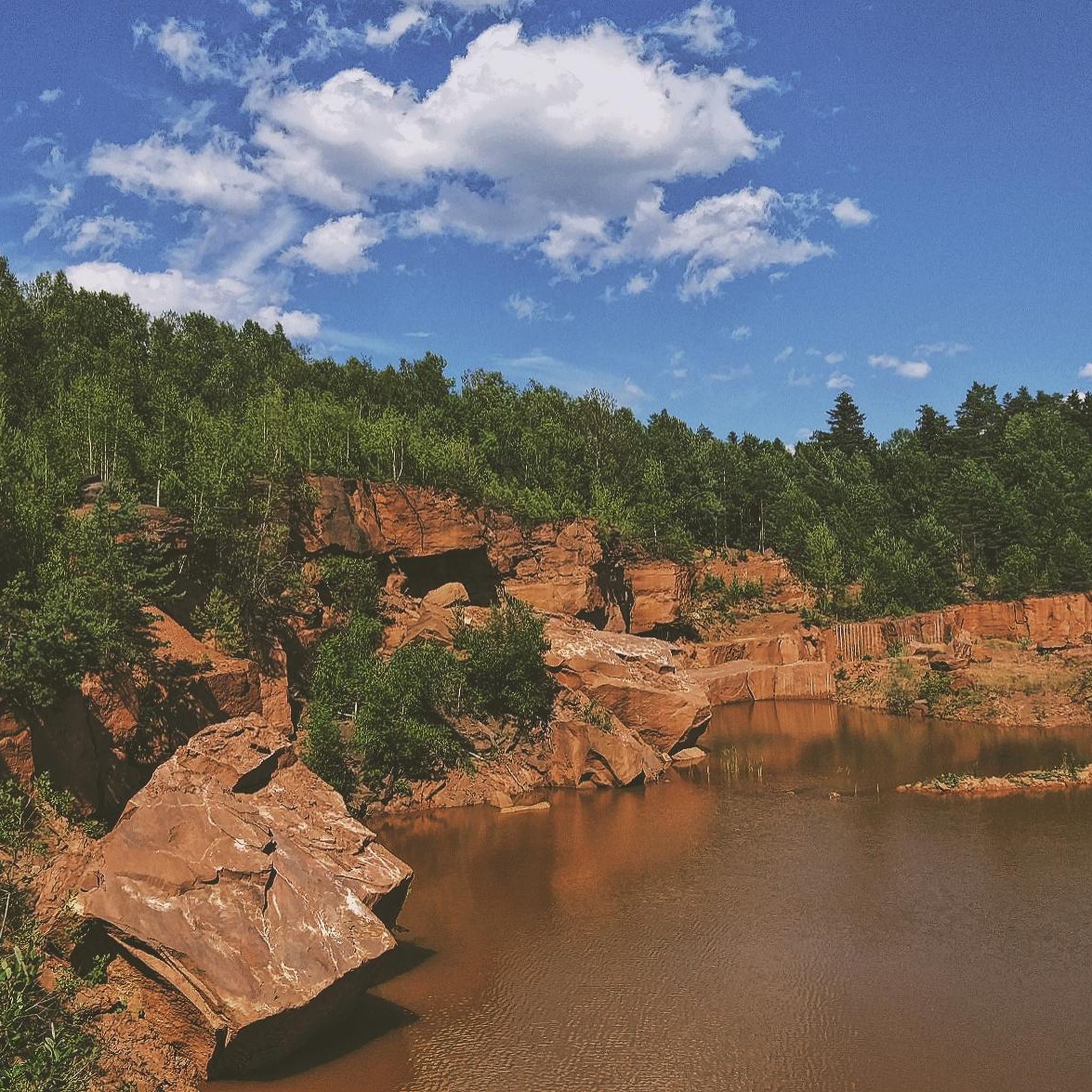
Zachełmie Quarry Nature Reserve
Highlight • Natural Monument
Translated by Google •
Tip by

Sign up for free to discover even more attractions around Bliżyn.
Sign up for free
Already have an account?
Start today with a free account
Your next adventure awaits.
Login or Signup
Tips from the Community

An inanimate nature reserve in the Konecko-Łopuszniański Protected Landscape Area in the Stąporków commune, in the Konecki district, in the northern part of the Świętokrzyskie province, near the town of Niekłań Wielki. The rocks stretch for about 1 kilometre, their height reaches 8 metres. The Skałki Piekło nature reserve under Niekłaniem is the starting point of the black tourist trail of the black tourist trail leading to the town of Wólka Plebańska. The blue tourist trail from Skarżysko-Kamienna (Pogorzałe) to Kuźniaki passes through the reserve. It is also a point on the Piekielny Szlak.
0
0

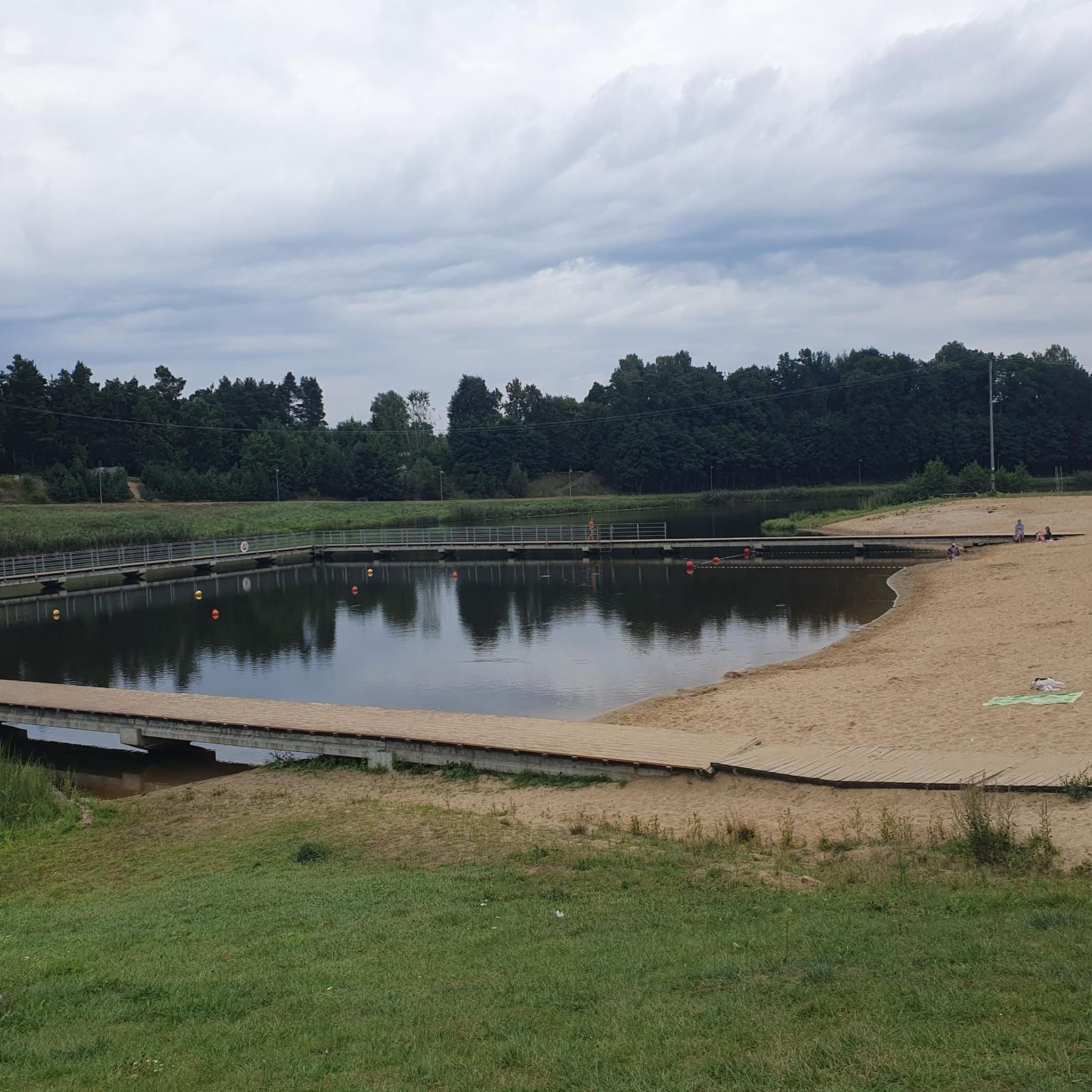
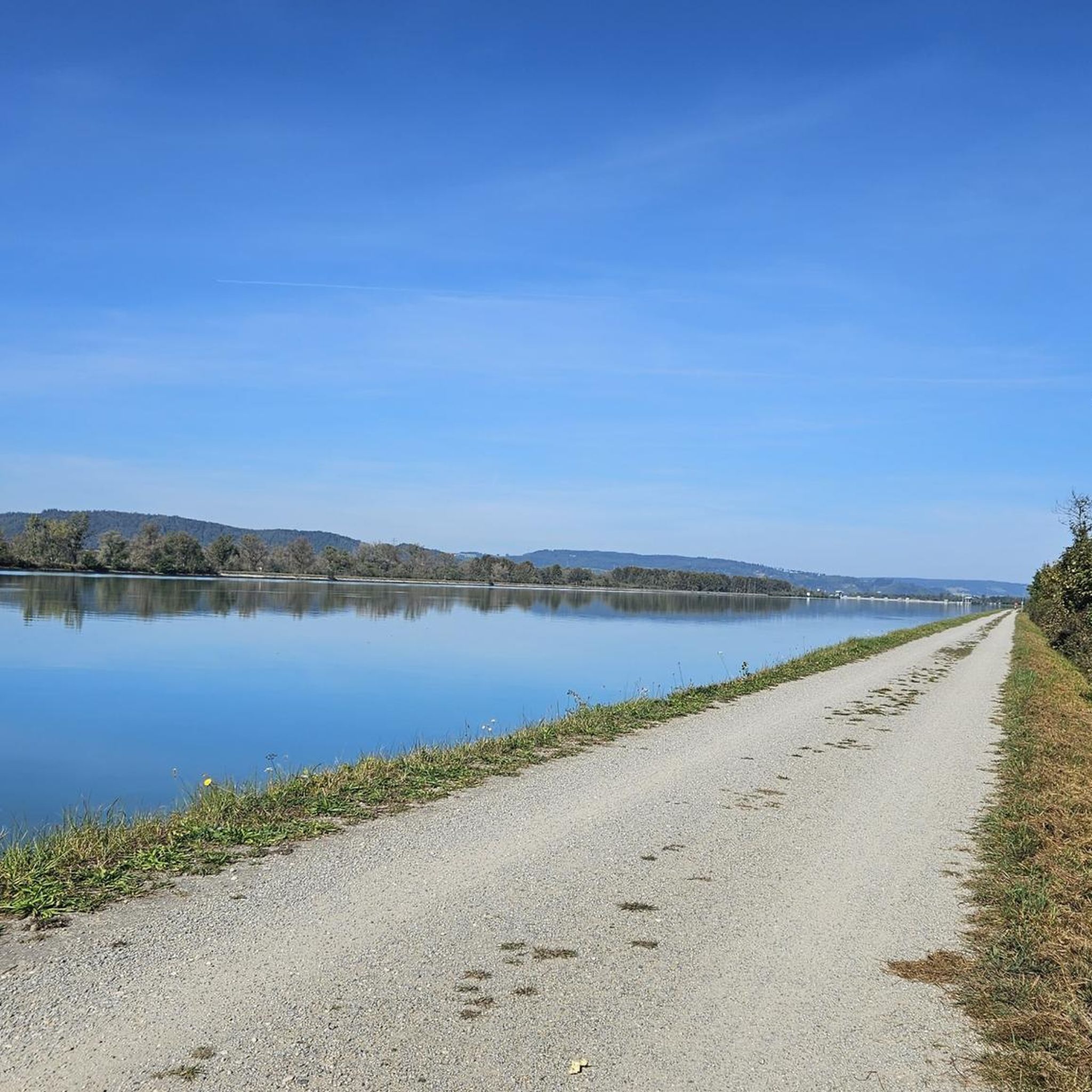
A 21ha reservoir located on the Żarnówka River, which is a right tributary of the Kamienna River. The fishing ground is located in the village of Mostki near Suchedniów in Skarżysko County. The reservoir is located on the Suchedniów-Starachowice route and is approximately 2 km long.
0
0


"Bartek Oak" grows on the Ćmińsk - Samsonów - Barcza road. The oak has been a natural monument since 1954. Dendrologists estimate that the oak is over 700 years old. The tree is about 30 meters high, the trunk circumference is almost 10 meters. The crown span is 20x40 meters. On the side opposite the road, the oak is devoid of branches, this is the result of necrosis that affected the tree after the fire in 1906. By the oak there is a chapel dedicated to St. Hubert, as well as information boards and a roofed shelter.
1
0

It is not the oldest oak, but it is still worth seeing.
0
0

In 1900, on the occasion of the 25th anniversary of his literary work, the Polish society organized a fundraiser for the future Nobel Prize winner and funded it in gratitude for his work. On this occasion, a civic committee was formed to prepare a program for the jubilee celebrations. The notarial deed was signed in Kielce on July 18, 1900 in the presence of counselor Tadeusz Kowalski and priest Zygmunt Chełmicki, who acted on behalf of the committee and the seller, the notary Mieczysław Halik. The property was bought back for 51,249 rubles and 59 kopecks. The estate consisted of a total of 515 acres, including: 240 acres of forest, 160 acres of arable land, 90 acres of meadows, a park, an orchard, etc. With the funds remaining after the purchase of the property, the funds from the collection were purchased for the writer (60 cattle, 6 horses, and agricultural machinery and tools). For this occasion, the sculptor Pius Weloński made a bust of the writer from white marble. The manor house designed by the Warsaw architect Hugo Kuder was built in 1895, the area around the palace, 49 hectares of land[3], was designed and arranged by the Warsaw gardener Franciszek Szanior. The road to the palace leads through the Red Gate and then through the linden alley.
0
0
Next to Bartek, at the parking lot, there is a brand new nature education park for children. There are a lot of installations of benches and a playground.
1
0

The "Skałki Piekło pod Niekłaniem" nature reserve was established on April 1, 1959, in order to preserve, for scientific and didactic reasons, the peculiar forms of sandstone rocks formed by wind erosion and the northern parrot fern (Asplenium Septentrionale) living in rock crevices, on the initiative of Eng. Teodor Zielinski. It is the oldest nature reserve operating in the Stąporków Forest District.
2
0
Frequently Asked Questions
What natural attractions can I explore around Bliżyn?
Bliżyn is rich in natural beauty. You can visit Aga's Cave — Piekło pod Niekłaniem rock formations, a nature reserve with unique sandstone formations up to 8 meters high. Another highlight is Mostki Reservoir, offering a beach and fishing opportunities. Don't miss the ancient Bartek Oak, one of Poland's oldest trees, or the unique shell limestone formations at Gostków Quarry.
Are there any historical sites to visit in the Bliżyn area?
Yes, the region has a significant industrial history. You can explore the Ruins of the Józef Ironworks in Samsonów, a site where the first blast furnace was built in 1598. Other historical points include the Platers' Palace Complex in Bliżyn, the last remaining Water Tower from the Platers' foundry, and the Monument to King Władysław Jagiełło.
What family-friendly activities are available around Bliżyn?
Families can enjoy several spots. Mostki Reservoir features a bathing beach and parking. The Bliżyn Reservoir, reopened in 2014, offers swimming, a children's playground, exercise equipment, and cycling paths. Near the Bartek Oak, there's a nature education park with installations and a playground for children.
Where can I go for outdoor activities like hiking or cycling near Bliżyn?
The Bliżyn area is excellent for outdoor enthusiasts. You can find numerous routes for various activities. For mountain biking, explore trails like the 'Chapel on Obrazik Glade – Bukowa Góra Rock Formations loop' or 'Rejov Lake – Steel Bridge loop'. Running enthusiasts can try the 'Jezioro Rejowskie Beach loop'. For gravel biking, consider routes such as 'St. Hubert's Shrine – Świnia Góra Nature Reserve loop'. You can find more details on these and other routes in the MTB Trails around Bliżyn, Running Trails around Bliżyn, and Gravel biking around Bliżyn guides.
Are there any cultural sites or museums in the vicinity of Bliżyn?
Yes, Bliżyn offers cultural insights. You can visit the House of a Weaver (Weaving Museum) to learn about linen processing and try weaving. The Community's Cultural Centre is located in the Platers' Palace Complex. Additionally, there are churches like Bliżyn's Saint Ludwik's Parish Church and the wooden Saint Zofia's Church, dating back to 1818. The White Eagle Museum and the Museum of Martyrdom of Polish Village Michniów are also nearby.
What are some lesser-known natural spots or 'hidden gems' in the Bliżyn region?
Beyond the main attractions, consider visiting the "Świnia Góra" Nature Reserve, known for its beautiful natural mixed stands of trees and historical copper ore exploitation marks. The "Dalejów" Reserve is a sanctuary for ancient Polish larches and features the "Piekło Dalejowskie" rock formation complex. Also, seek out "Brama Piekielna" (Hell's Gate), a natural rocky gateway formed by wind erosion.
Can I find places for swimming or water activities in Bliżyn?
Absolutely. The Mostki Reservoir offers a bathing beach. The Bliżyn Reservoir, which was rebuilt and reopened in 2014, is also suitable for swimming and features a beach and a rectangular jetty, making it a great spot for water recreation.
What kind of unique geological features can be found in the area?
The Bliżyn area is notable for its geological formations. Aga's Cave — Piekło pod Niekłaniem rock formations are peculiar forms carved from Triassic and Lower Jurassic sandstones. The Gostków Quarry is a natural monument where shell limestone and karst phenomena like ponors can be observed. "Brama Piekielna" is a natural rocky gateway formed by wind erosion in white Triassic sandstone.
Is there a protected landscape area near Bliżyn?
Yes, a significant portion of the Bliżyn community's area, particularly along the Kamienna river valley, lies within the Suchedniowsko-Oblęgorski Landscape Park. This park is recognized for its unique natural resources and historical sites, reflecting the Old Polish Industrial Region.
What do visitors particularly enjoy about the attractions around Bliżyn?
Visitors appreciate the blend of natural beauty and historical significance. For instance, the Bartek Oak is loved for its ancient grandeur and the new nature education park for children. The Aga's Cave — Piekło pod Niekłaniem rock formations are admired for their unusual shapes, often compared to mushrooms or chimneys, sparking imagination. The Mostki Reservoir is popular for its serene environment and recreational opportunities.
Are there any forest reserves worth visiting in Bliżyn?
Yes, the area boasts several important forest reserves. The "Świnia Góra" Nature Reserve is fully protected and features one of Poland's most beautiful natural mixed stands of trees. The "Dalejów" Reserve is a sanctuary for ancient Polish larches. Additionally, the Ciechostowice Reserve, established in 1953, protects natural areas of Polish larch, yew, beech, and spruce trees.
Most popular attractions around Bliżyn

Get inspired with the komoot mobile app


Explore more
Still not found the Highlight you’re looking for? See guides of the top attractions in other regions:
