Attractions and Places To See around gmina gmina Busko-Zdrój - Top 20
Best attractions and places to see around gmina gmina Busko-Zdrój. This region in Poland's Świętokrzyskie Voivodeship is known for its therapeutic sulphide waters and iodine-bromide brines, establishing it as a health resort. Situated in the scenic Ponidzie valley near the Nida River, the area features gypsum rock formations and unique thermophilous vegetation. It offers a blend of natural beauty, historical landmarks, and cultural experiences.
Best attractions and places to see around gmina gmina Busko-Zdrój
- The most popular attractions is Basilica…
Last updated: October 4, 2026
Basilica of the Nativity of the Blessed Virgin Mary in Wiślica
Highlight • Religious Site
Translated by Google •
Tip by

Solec-Zdrój
Highlight • Settlement
Translated by Google •
Tip by

Sign up now to discover places like this
Get recommendations on the best single tracks, peaks, & plenty of other exciting outdoor places.
Sanctuary of the Visitation of the Blessed Virgin Mary in Pińczów
Highlight • Religious Site
pl.wikipedia.org/wiki/Ko%C5%9Bci%C3%B3%C5%82_Nawieniu_Naj%C5%9Bwi%C4%99tszej_Maryi_Panny_w_Pi%C5%84czowie
Translated by Google •
Tip by

Medieval Stronghold in Wiślica
Highlight • Historical Site
Translated by Google •
Tip by

St. Stanislaus Church in Nowy Korczyn
Highlight • Religious Site
Translated by Google •
Tip by
Sign up for free to discover even more attractions around gmina gmina Busko-Zdrój.
Already have an account?
Start today with a free account
Your next adventure awaits.
Tips from the Community

The Wiślica stronghold, currently known as "Na Łąkach", was built at the earliest around the second half of the 10th century. The nature of the fortifications' construction would indicate that its construction was related to Czech influences and the period of Czech rule in Lesser Poland, although it is also possible that its foundation was carried out by the Piast dynasty at the turn of the 10th and 11th centuries, but the construction was carried out according to the building traditions known in the region. Since there was another, slightly older stronghold in Wiślica, in the area of which later developed monumental palace and sacral buildings, it is possible that the seat "Na Łąkach" was associated exclusively with a military function. Alternatively, the stronghold "Na Łąkach" was built after the destruction of the older stronghold and both establishments did not initially function at the same time. In the 11th century, in addition to the stronghold "Na Łąkach", at least three nearby settlements developed in Wiślica, one of which was located on the site of an older stronghold that was destroyed at that time. At the end of the 11th century or at the beginning of the 12th century, the stronghold "Na Łąkach" was also burned down. Its fall may have occurred in 1135, during the invasion of the Ruthenians and Cumans, associated with the policy of supporting the pretender to the Hungarian throne, Boris Kolomanović, by the Polish prince. Boris was probably settled in the stronghold of Wiślica at that time, so when Krzywousty stopped supporting him, he could take revenge by handing him over to the allied Ruthenians, led by Władymirka, son of Włodar, the prince of Przemyśl and Galicia. After rebuilding from the destruction, Bolesław Krzywousty did not restore the rank of Wiślica, which initially, as one of the less significant centers, became part of the senior district.
1
0
In 1587, the church in Mirów was founded by Bishop Piotr Myszkowski. The building was completed by Ferdynand Myszkowski, son of Zygmunt Gonzaga Myszkowski, in 1619. In October 1683, the Franciscan Reformers were brought to Pińczów by Stanisław Kazimierz Myszkowski, who founded their own monastery and began to take care of the church. The monks lived in the monastery until 1910, when the last Reformer, Innocenty Boniszewski, died. Then the monastery was liquidated by the Tsarist authorities. Even before the monk's death, part of the monastery buildings was rebuilt into a hospital. During World War I, the church was partially damaged. In 1928, the Reformers reactivated their monastery.
0
0
Collegiate Basilica of the Nativity of the Blessed Virgin Mary in Wiślica – a Gothic church built in the 14th century by Casimir the Great in Wiślica, on the foundations of two older Romanesque temples. It bears the title of collegiate church, and since September 8, 2005 also of minor basilica[2]. In 2018, the basilica (together with the relics of St. Nicholas' Church and the hillfort) was entered on the list of historical monuments as part of the campaign "100 Historical Monuments for the Centenary of Regaining Independence".
1
0
Collegiate Basilica of the Nativity of the Blessed Virgin Mary in Wiślica – a Gothic church built in the 14th century by Casimir the Great in Wiślica, on the foundations of two older Romanesque temples. It bears the title of collegiate church, and since September 8, 2005 also of minor basilica. In 2018, the basilica (together with the relics of St. Nicholas' Church and the hillfort) was entered on the list of historical monuments as part of the campaign "100 Historical Monuments for the Centenary of Regaining Independence".
0
0

The fortified settlement is just outside the city
0
0

The Capuchin monastery was founded and built in the 15th century. Inside there is a miraculous painting of Our Lady Mirowska. The painting was painted in the likeness of the image of the Madonna and Child in the Roman Basilica of Santa Maria Maggiore, i.e. Our Lady Major.
0
0
The dominant feature of the Wiślica landscape is the collegiate church complex, considered one of the most valuable Gothic historic complexes in Poland. It consists of a Gothic church. Nativity of the Blessed Virgin Mary, bell tower and curate's house - the so-called Długosz House. In the immediate vicinity of the collegiate church there are relics of the Romanesque church, currently covered with an exhibition pavilion. Saint Nicholas (?). Presumably, it was a parish church built for a pre-foundation settlement. The Wiślica collegiate church is considered one of the foundations of Casimir the Great as an expiation for the king's order to kill canon Marcin Baryczka. https://zabytek.pl/pl/obiekty/wislica-zespol-kolegiaty-pw-narodzina-najswietszej-maryi-p
0
0
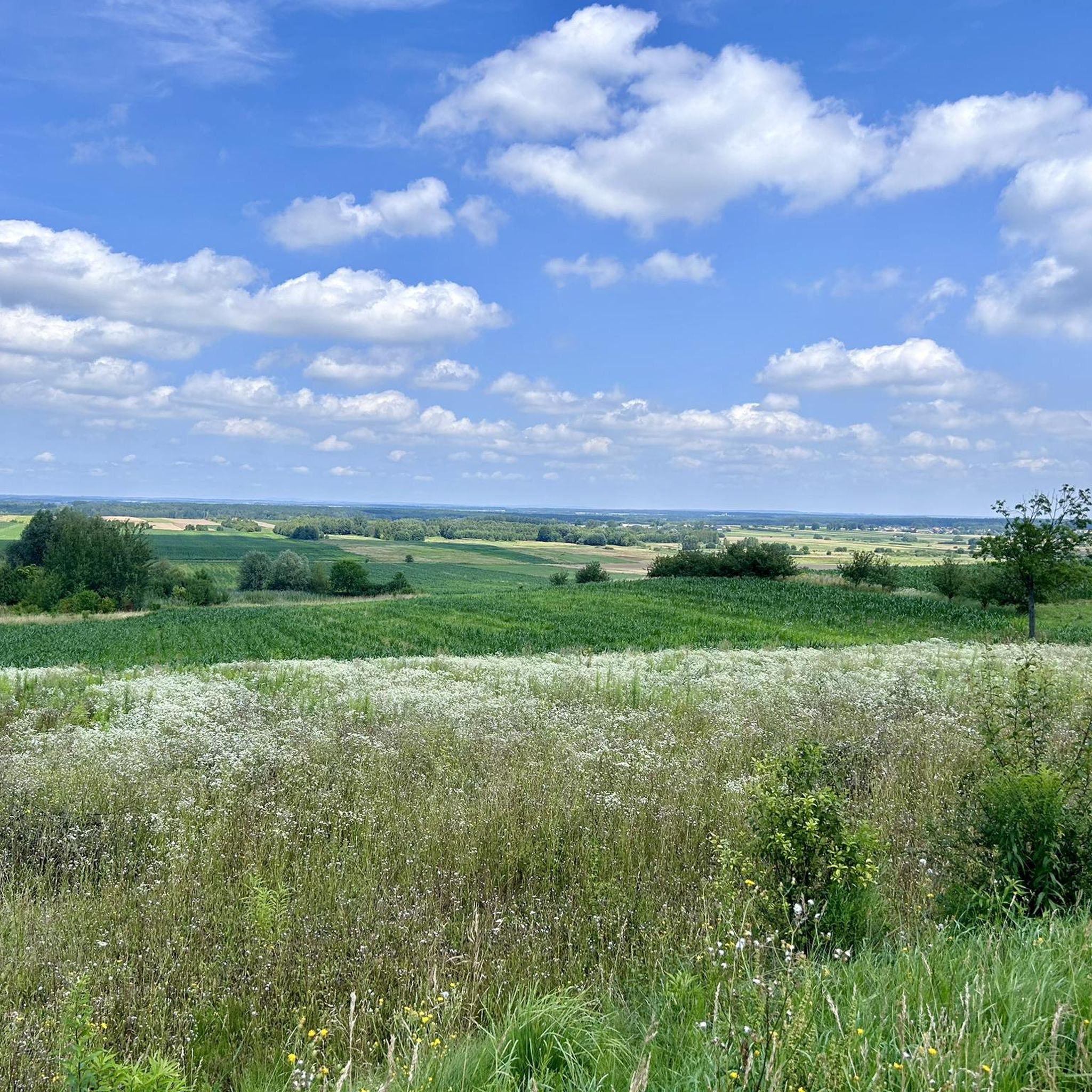
You can't drive here, but you can relax :-)
0
0
Frequently Asked Questions
What historical and cultural sites can I explore in Gmina Busko-Zdrój?
The region is rich in history. You can visit the impressive Basilica of the Nativity of the Blessed Virgin Mary in Wiślica, a Gothic church from the 14th century, or the beautiful historic Sanctuary of the Visitation of the Blessed Virgin Mary in Pińczów. Don't miss the exceptional St. Leonard's Wooden Church, built in 1699, or the historic Marconi Sanatorium within the Busko-Zdrój Spa Park. The Busko Region Museum offers insights into the town's past.
Are there any natural reserves or scenic spots to visit in the area?
Yes, Gmina Busko-Zdrój boasts several natural attractions. The "Zimne Wody" Nature Reserve features unique gypsum rock formations and thermophilous vegetation, offering views of the Borzykowska Basin. The Karabosy Rock-Steppe Reserve showcases gypsum karst phenomena like caves and sinkholes. You can also enjoy the scenic Ponidzie Valley and the Nida River, known for its ecological conditions and many sunny days.
What family-friendly attractions are available in Gmina Busko-Zdrój?
Families will enjoy the Brine Graduation Tower, which offers open-air inhalation and features a pirate-themed playground nearby. For more active fun, the Rope Park "Małpi Gaj" provides 100 obstacles across 10 routes with varying difficulty levels, suitable for both children and adults.
Where can I enjoy outdoor activities like hiking or cycling near these attractions?
The area offers various outdoor opportunities. For easy walks, explore the easy hikes around gmina gmina Busko-Zdrój, such as the loop around Spa Park. Cyclists can find routes like the Road Cycling Routes around gmina gmina Busko-Zdrój, including a scenic ride to Długosz House in Wiślica. There are also running trails around gmina gmina Busko-Zdrój, such as the Spa Park loop.
What makes Busko-Zdrój a health resort?
Busko-Zdrój is renowned as a health resort due to its unique sulphide waters and iodine-bromide brines. These natural resources have been used for therapeutic purposes for centuries. The town's Spa Park and facilities like the Marconi Sanatorium are central to its health and wellness offerings.
Is there a neighboring spa town worth visiting?
Yes, about 17 km southeast of Busko-Zdrój lies Solec-Zdrój. This neighboring spa town is also known for its saline springs and offers a relaxing atmosphere, often noted for its pretty promenade.
Can I find viewpoints or panoramic vistas in the region?
Absolutely. The Brine Graduation Tower features a viewing terrace that offers panoramic city views. Additionally, the "Zimne Wody" Nature Reserve provides scenic views of the Borzykowska Basin and Szaniec Plateau, perfect for enjoying the landscape.
What is the best time of year to visit Gmina Busko-Zdrój for outdoor activities?
The region is known for having one of the highest numbers of sunny days in Poland, making it pleasant for outdoor activities for much of the year. Spring and autumn offer mild temperatures ideal for hiking and cycling, while summer is perfect for enjoying the spa park and cultural events. Winter activities are more limited, but the spa facilities operate year-round.
Are there any unique historical landmarks beyond churches?
Beyond the numerous beautiful churches, you can explore the Medieval Stronghold in Wiślica, an earth formation that represents the remains of a significant historical fortification. The Adam Mickiewicz Avenue in Busko-Zdrój also features a monument to Leszek Czarny, who granted the town its city rights in 1287.
What kind of cultural events take place in Busko-Zdrój?
Busko-Zdrój hosts various cultural events throughout the year. Notable events include the Buskie Meetings with Folklore, the Krystyna Jamroz International Music Festival, and the Florian Fair. These events add a vibrant cultural dimension to your visit.
Are there any museums dedicated to specific interests?
Yes, besides the general Busko Region Museum, automotive enthusiasts might enjoy the Museum of Polish Automotive Industry of the 20th century "Polska na Kołach," which opened in 2013 and is a popular attraction for those interested in automotive history.
Can I find places for fishing in the area?
Yes, the Radzanów Water Reservoir, located about 6 km from Busko-Zdrój, is a good spot for fishing. The Nida River, which flows through the scenic Ponidzie Valley, also offers opportunities for fishing.
Most popular routes around gmina gmina Busko-Zdrój
Most popular attractions around gmina gmina Busko-Zdrój

Get inspired with the komoot mobile app


Explore more
Still not found the Highlight you’re looking for? See guides of the top attractions in other regions:
