Attractions and Places To See around Tarnowskie Góry - Top 20
Best attractions and places to see around Tarnowskie Góry, a historic city in Silesia, southern Poland, blend its rich mining heritage with natural beauty and cultural sites. The region is particularly known for its underground mining complexes, which have received international recognition. Visitors can explore a diverse landscape featuring forests, river valleys, and historical landmarks.
Best attractions and places to see around Tarnowskie Góry
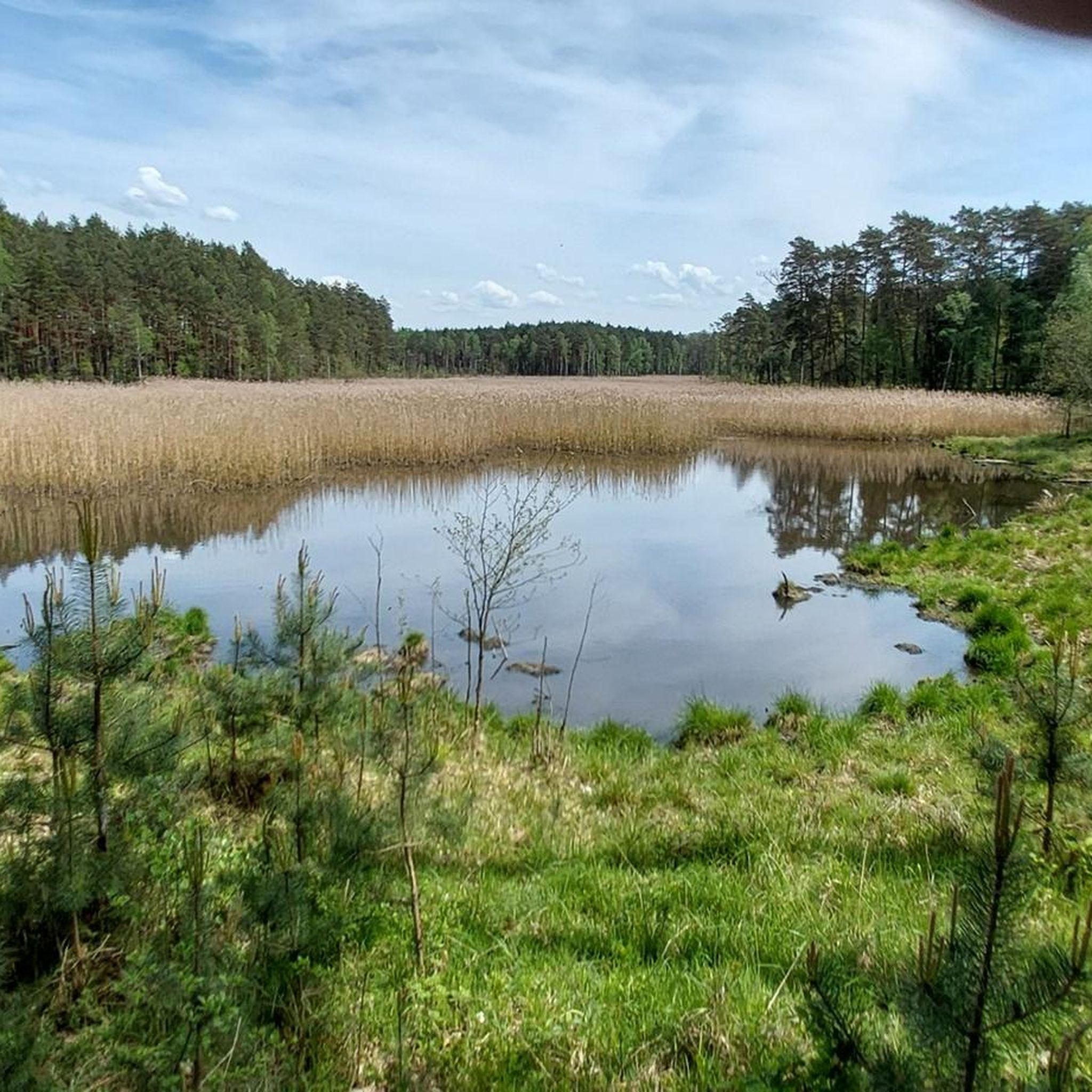
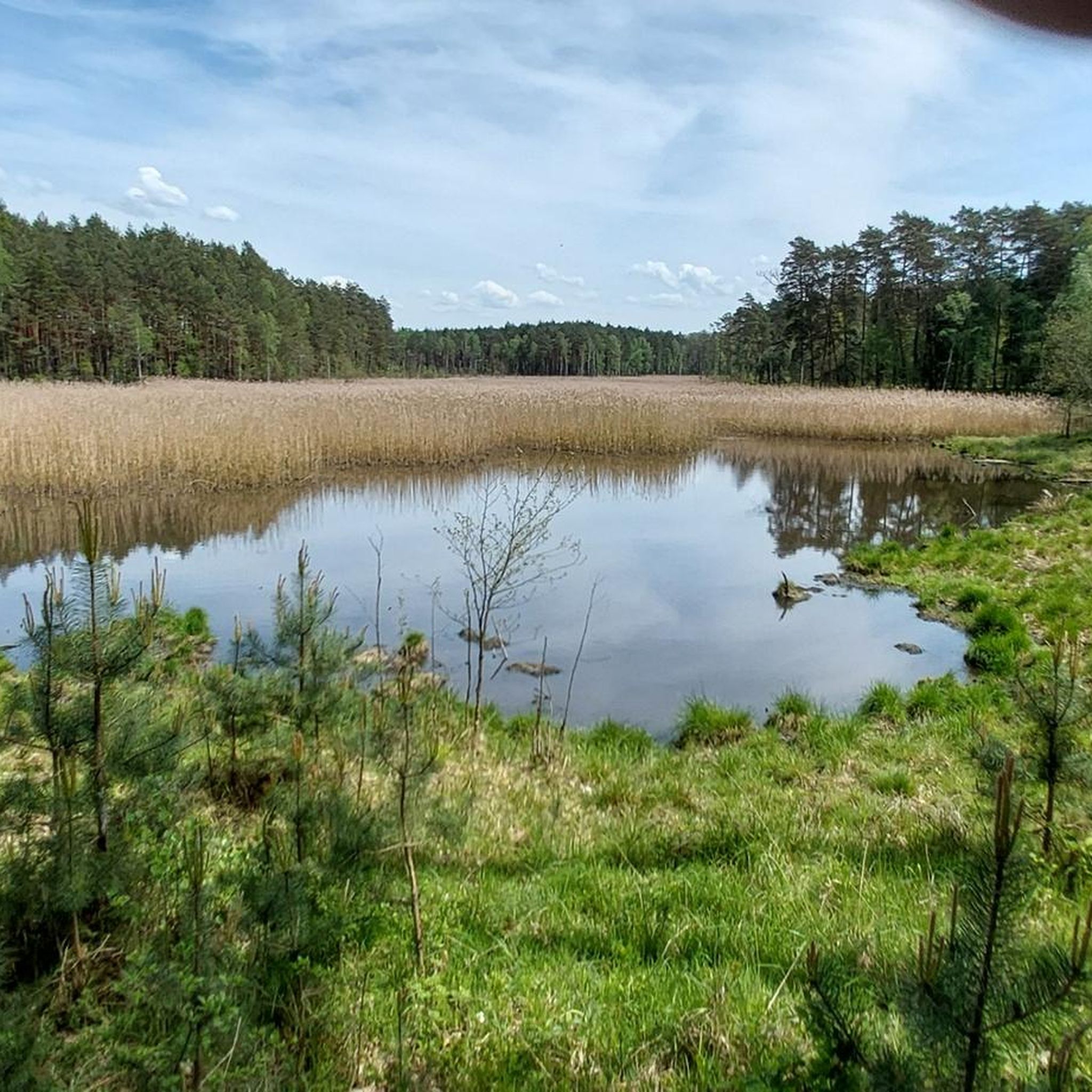
- The most popular attractions is Lake Chechło, a lake that offers walking paths around its…
Last updated: July 15, 2026
Lake Chechło
Highlight • Lake
Tip by

Kawaler Palace
Highlight • Castle
Translated by Google •
Tip by

Sign up now to discover places like this
Get recommendations on the best single tracks, peaks, & plenty of other exciting outdoor places.
Sign up for free
Town Hall in Tarnowskie Góry
Highlight • Monument
Translated by Google •
Tip by
Sylwester Shaft (Szyb Sylwester)
Highlight • Historical Site
Translated by Google •
Tip by
Ewa Shaft (Szyb Ewa) – Black Trout Adit Entrance
Highlight • Historical Site
Translated by Google •
Tip by
Sign up for free to discover even more attractions around Tarnowskie Góry.
Sign up for free
Already have an account?
Start today with a free account
Your next adventure awaits.
Login or Signup

Tips from the Community

A great landmark on the bike route through the center of Tarnowskie Góry – the town hall with its neo-Renaissance façade and tower, where it is worth taking a break and admiring the architectural details and the historical atmosphere of the city.
0
0
A beautiful building preserved in excellent condition.
0
0

A pleasant walk by the lake, I recommend coming during the week, there are a huge number of walkers and cyclists.
0
0


Bachelor's Palace (also Kawaler's House, German: Kavaliershaus) - a palace built in the years 1903–1906 in the French neo-baroque style in Świerklaniec, entered into the register of immovable monuments of the Silesian Voivodeship.
2
0

The present town hall in Tarnowskie Góry, which can be admired in the southern frontage of the Market Square, was built at the end of the 19th century, when the city was dynamically developing. The plot was purchased in 1894, but construction began two years later. The design was prepared by an architect from Berlin, Hermann Guth. He proposed a magnificent building in the neo-renaissance-neo-gothic style, interestingly very similar to another, realized at the same time, own project - the town hall in Jawor in Lower Silesia. The building was erected in the years 1896-98. Bricks were used for its construction, and for the facade decoration - clinker bricks, Silesian granite and sandstone. The building has three floors, but a tall tower dominates the body. Numerous turrets, projections topped with gables, balconies and bay windows look impressive. In the front elevation, we can see a stone figure of the goshawk, which replaced the old sculpture of Prince George Hohenzollern. This building is commonly considered the most beautiful (next to Bielsko) town hall in the entire voivodeship. Originally, there were shops on the ground floor of the town hall, the office on the first floor, and the mayor's apartment on the second floor. To this day, the magnificent boarding room of the city council makes a great impression. https://www.slaskie.travel/poi/15865/ratusz-w-tarnowskich-gorach https://pl.wikipedia.org/wiki/Ratusz_w_Tarnowskich_G%C3%B3rach https://www.youtube.com/watch?v=AqxI0pogOkg
2
1
Świerklaniec is a small town situated in the district of Tarnowskie Góry, in the valley of the Brynica River. The history of the village and the construction of the unique palace and park complex are closely related to the Donnersmarck family. In the 1870s, Count Guido von Donnersmarck built a residence for his wife, which was called "Little Versailles" or "Silesian Versailles". Its designer was Hector Lefuel, the court architect of Napoleon III. The "Little Versailles" delighted with its splendor and technical innovations. Thinking about the guests visiting the Donnersmarck family, in the years 1903-1906, near the "Little Versailles", another building, enchanting with its taste and modernity, was created, called the Cavalier's Palace. The Cavalier's Palace was equipped with, among others in Istrian marble floors, American "Royal" bathtubs made of one piece of earthenware, paintings by masters, etc. The main reason for its creation was the frequent visits of the Emperor of Germany, Wilhelm II, who came here to hunt. The Knight's Palace in the French neo-baroque style was designed by Ernest von Ihne, architect of Emperor Wilhelm II. The Kawalera Palace was built on a plan similar to a square. The brick facade of the building is made in two colors: red walls and white corners. In the central part of the building there is a representative, oval hall with a marble-mirror staircase. On the front of the palace there is an inscription "Memento vivere" (Remember about life), which was supposed to encourage visiting guests and bachelors (especially) to have fun. https://www.slaskie.travel/poi/3416/palac-kawalera-w-swierklancu https://www.youtube.com/watch?v=iEWxcy1kYek
4
1
The adit has been open to visitors since 1957. It is one of the attractions of the Industrial Monuments Route of the Silesian Voivodeship. The Black Trout Adit and the underground of the Historic Silver Mine were recognized as a historical monument by the ordinance of the President of the Republic of Poland of April 14, 2004. The tourist route runs between the shafts "Ewa" (adit shaft no. 13 of the Deep Adit "Fryderyk"; depth 20 m) and "Sylwester" (adit shaft no. 17; depth 30 m). During the trip, which takes place by boat, you can observe the small stalactites that are being formed today and the original parts of the adit sidewalk carved in the dolomite rock. Visiting the facility begins with going down the winding stairs to the underground marina located in the shafts "Ewa" or "Sylwester" (swing movement). Several dozen meters underground, tourists get into a boat and, under the light of lamps, swim a distance of 600 m - until 2018 the longest underground boat flow in Poland. The guide, pushing the boats away from the side walls, tells about the history of mining in Tarnowskie Góry. Due to the variable terrain profile, the adit is situated at a depth of 20–30 m. The width of the adit ranges from 1.2 to 2.5 m, its height is up to 4 m, and the water depth is from 0.7 to 1 m. https://pl.wikipedia.org/wiki/Sztolnia_Czarnego_Pstr%C4%85ga https://sztolniapstraga.pl/ https://www.youtube.com/watch?v=hRyhgbFOXb0
0
0
Frequently Asked Questions
What historical mining sites can I visit in Tarnowskie Góry?
Tarnowskie Góry is renowned for its UNESCO-listed underground mining complexes. You can explore the Historic Silver Mine, which offers tours through underground corridors and a boat ride. Another unique experience is the Sylwester Shaft (Szyb Sylwester), part of the Black Trout Adit, where you can travel by boat through a 600-meter section of the historic Fryderyk Deep Adit. The Ewa Shaft (Szyb Ewa) is another entrance to the Black Trout Adit.
Are there any notable palaces or historical buildings to see?
Yes, the region features impressive historical architecture. The Kawaler Palace in nearby Świerklaniec is a French neo-baroque palace built between 1903 and 1906, once referred to as 'Little Versailles.' In the city center, you can admire the Town Hall in Tarnowskie Góry, a man-made monument with a distinctive Neo-Renaissance façade and tower.
Where can I learn more about the local history and culture?
The Tarnowskie Góry Museum, established in 1958, houses over 11,000 artifacts across departments of History, Ethnography, and Art, focusing on the region's mining heritage and local organizations. Additionally, the annual 'Gwarki Tarnogórskie' event in early September celebrates the area's rich mining culture.
What natural attractions are there for outdoor enthusiasts?
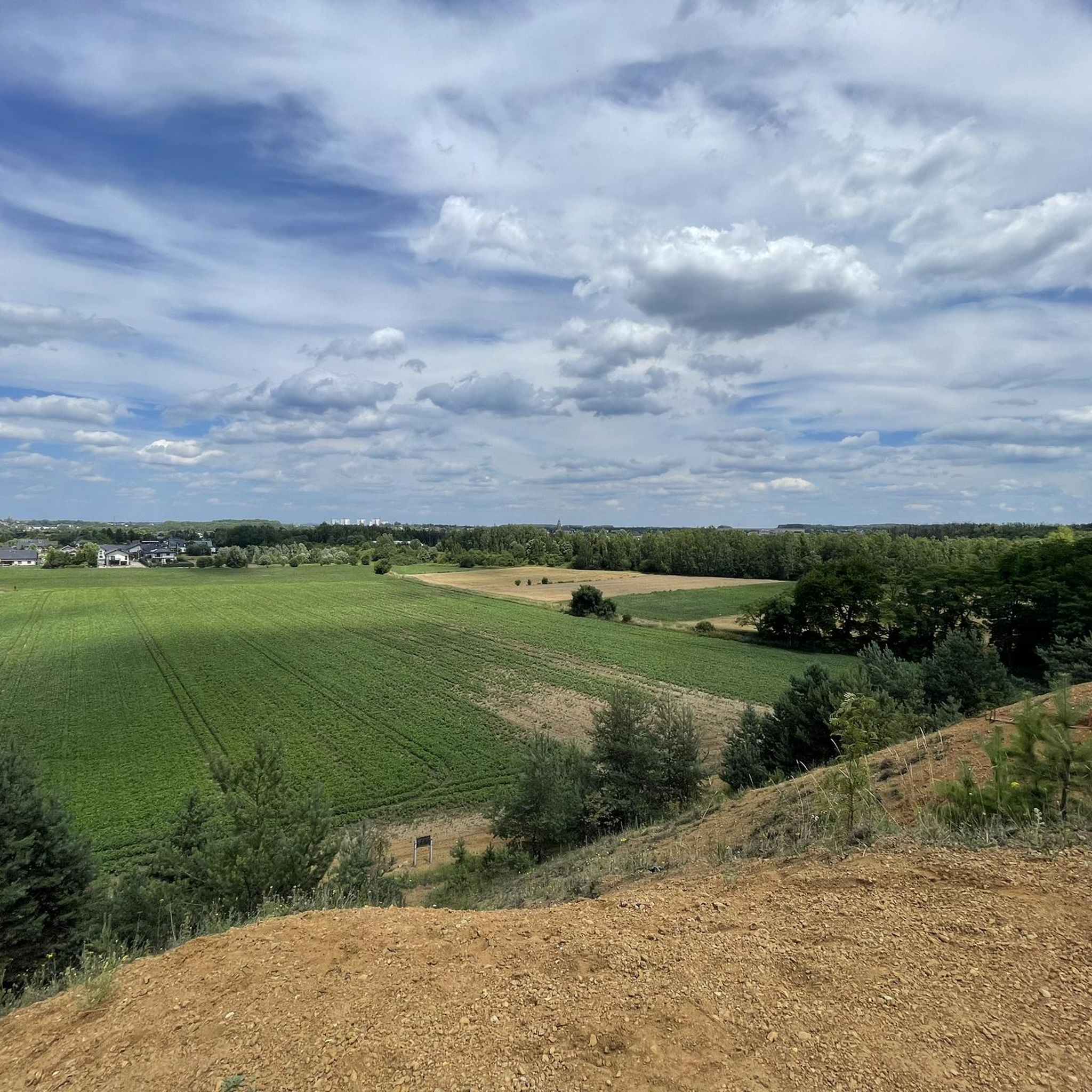
Nature lovers can explore the Segiet Forest Reserve, known for its beautiful beechwood forest and as a significant wintering ground for bats. Repecki Park and the Drama River Valley offer extensive forest paths for walking and cycling. You can also visit the Wash Heap (Hałda Popłuczkowa), an orange dolomite hill that is a picturesque remnant of the region's mining past and a UNESCO site.
Can I go hiking or cycling near Tarnowskie Góry?
Absolutely. The area offers diverse landscapes for outdoor activities. For hiking, you can explore trails around the Segiet Forest Reserve or Repecki Park. There are also easy hiking routes like the 'Chechło–Nakło Reservoir – Lake Nakło-Chechło loop' near Lake Chechło. For cycling, options range from easy routes around Lake Chechło to more challenging gravel biking trails. You can find more details on routes in the hiking guide and cycling guide for Tarnowskie Góry.
Are there any lakes or water-based activities available?
Yes, Lake Chechło is a popular spot offering walking paths around its perimeter and multiple access points to the water. While not a lake, the Black Trout Adit provides a unique underground boating experience through historic mining tunnels.
What family-friendly activities are available in Tarnowskie Góry?
Families can enjoy a walk around Lake Chechło, visit the Park Wodny Tarnowskie Góry (a water park), or explore the Sport Valley, which offers a ski slope in winter. The underground tours at the Historic Silver Mine and Black Trout Adit can also be an exciting and educational experience for older children.
What is the best time of year to visit Tarnowskie Góry?
The best time to visit depends on your preferred activities. Spring and summer are ideal for outdoor activities like hiking and cycling around Lake Chechło and in Repecki Park. Autumn offers beautiful foliage in the Segiet Forest Reserve. The underground mining attractions are accessible year-round, providing a consistent temperature regardless of the season.
How can I get to the main attractions using public transport?
Public transport options are available to reach key attractions like the Historic Silver Mine and the Black Trout Adit. Specific routes and schedules can vary, so it's advisable to check local bus services for the most current information on connections from Tarnowskie Góry city center to these sites.
Are there any dog-friendly trails or attractions?
Many natural areas around Tarnowskie Góry are suitable for walks with dogs. Segiet Forest Reserve and Repecki Park offer extensive paths. Walking around Lake Chechło is also popular with dog owners. Always ensure dogs are kept on a leash and follow local regulations in nature reserves.
What should I wear when visiting the underground mining attractions?
When visiting the Historic Silver Mine or the Black Trout Adit, it's recommended to wear comfortable shoes suitable for walking and a jacket or warm layer, as the underground temperature remains cool (around 10°C) even in summer. The boat rides can also be a bit damp.
Are there options for winter outdoor activities?
Yes, even in winter, Tarnowskie Góry offers outdoor activities. The Sport Valley (Sport Dolina) in the Blachówka quarry features a ski slope with a ski lift, making it a recreational spot for winter sports enthusiasts. The Segiet Forest Reserve is also a significant wintering ground for bats, offering a unique natural aspect during colder months.
Most popular routes around Tarnowskie Góry
Most popular attractions around Tarnowskie Góry

Get inspired with the komoot mobile app


Explore more
Still not found the Highlight you’re looking for? See guides of the top attractions in other regions:
