Attractions and Places To See around Piekary Śląskie - Top 20
Attractions and places to see around Piekary Śląskie, a city in southern Poland, are characterized by a blend of spiritual heritage, historical landmarks, and natural areas. The region is known as a significant Marian pilgrimage site in Upper Silesia. Visitors can explore various sites reflecting its industrial past, religious importance, and green spaces. The landscape offers opportunities for outdoor activities such as hiking and cycling.
Best attractions and places to see around Piekary Śląskie
- The most popular attractions is Lake…
Last updated: May 4, 2026
Świerklaniec Palace Gate at the Silesian Zoo
Highlight • Monument
Our zoo covers an area of nearly 50 ha. You can visit them by visiting selected …
Translated by Google •
Tip by

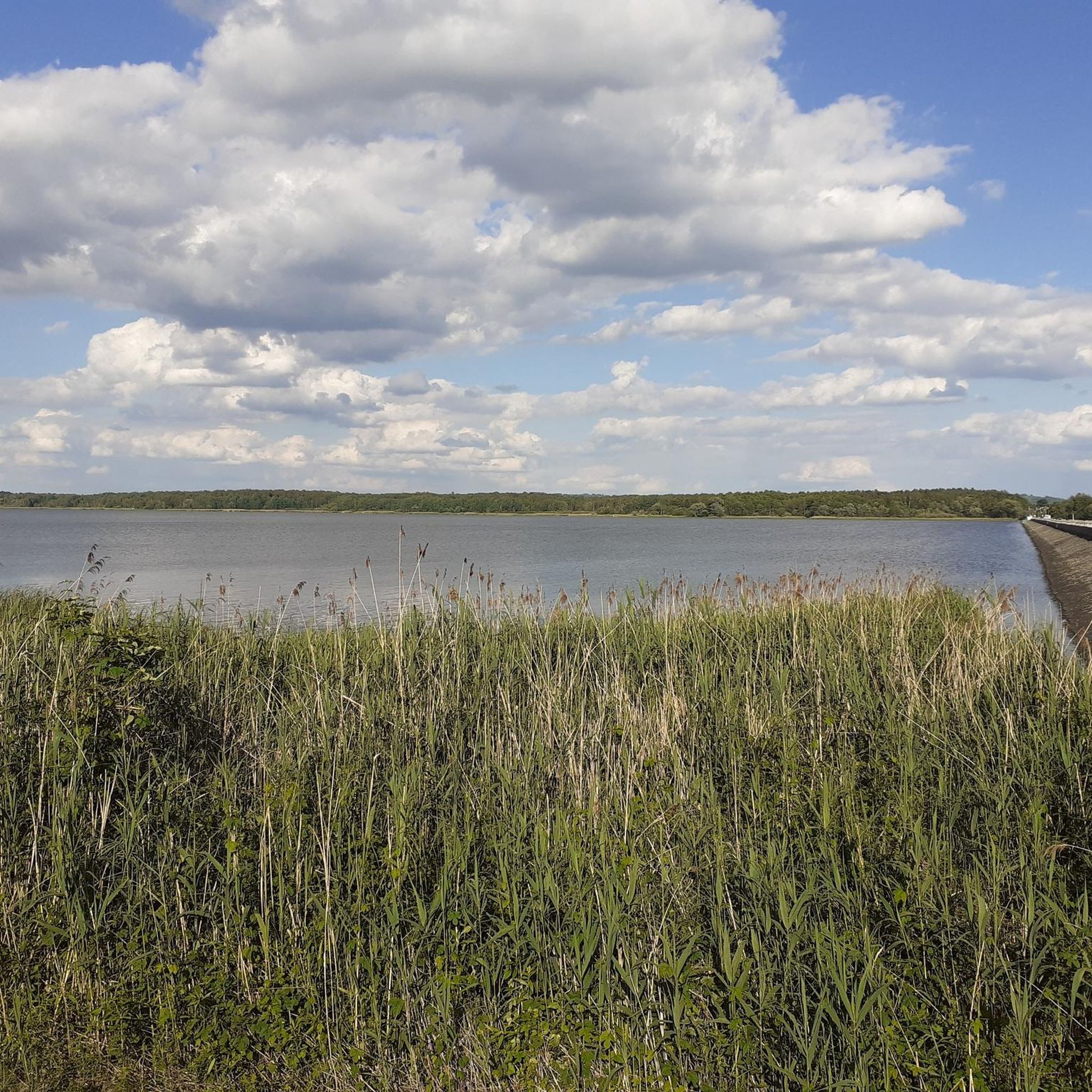
Lake Chechło
Highlight • Lake
Tip by

Sign up now to discover places like this
Get recommendations on the best single tracks, peaks, & plenty of other exciting outdoor places.
Sign up for free
Kawaler Palace
Highlight • Castle
Translated by Google •
Tip by
Sztygarka Complex in the former "Prezydent" mine
Highlight • Historical Site
The President Shaft Hoisting Tower is a strut type tower …
Translated by Google •
Tip by
Silesian Stadium
Highlight • Structure
source: Wikipedia
Translated by Google •
Tip by

Sign up for free to discover even more attractions around Piekary Śląskie.
Sign up for free
Already have an account?
Start today with a free account
Your next adventure awaits.
Login or Signup
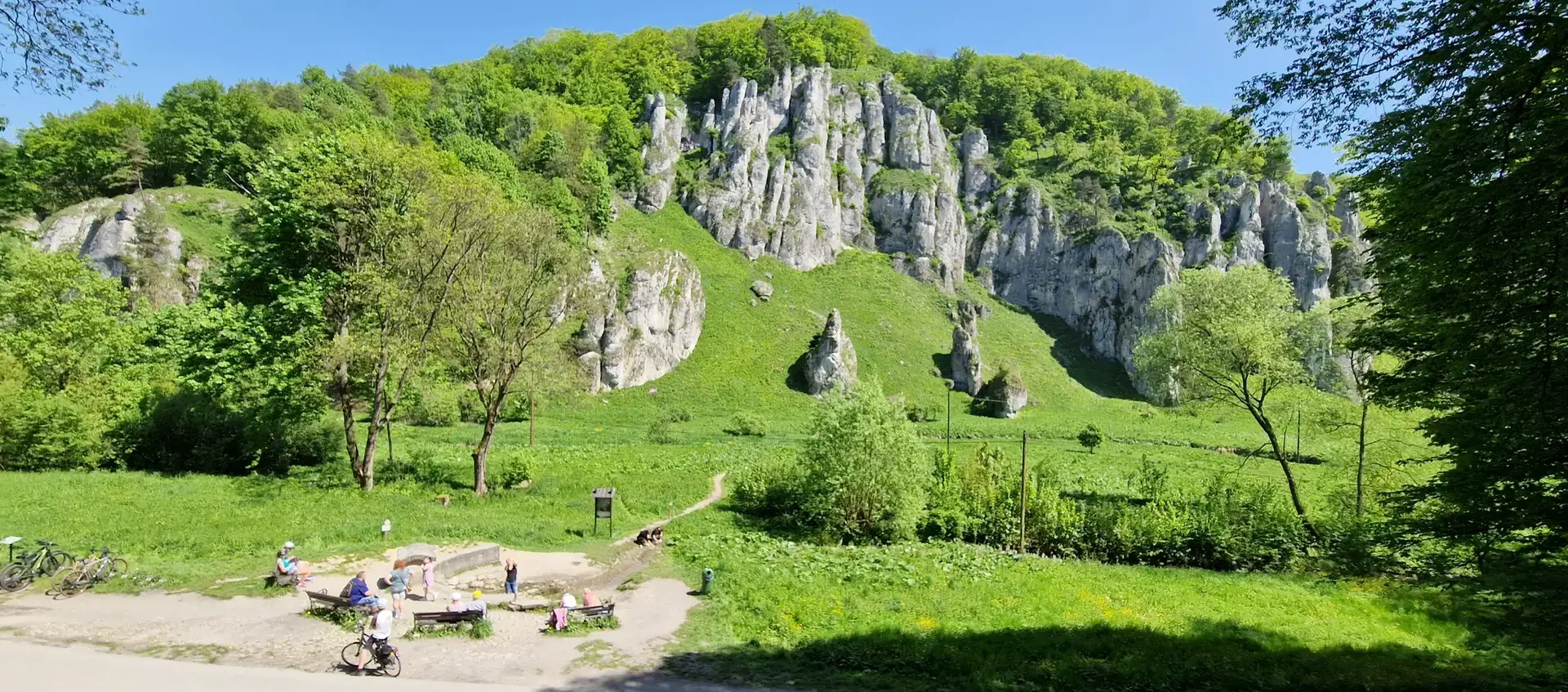
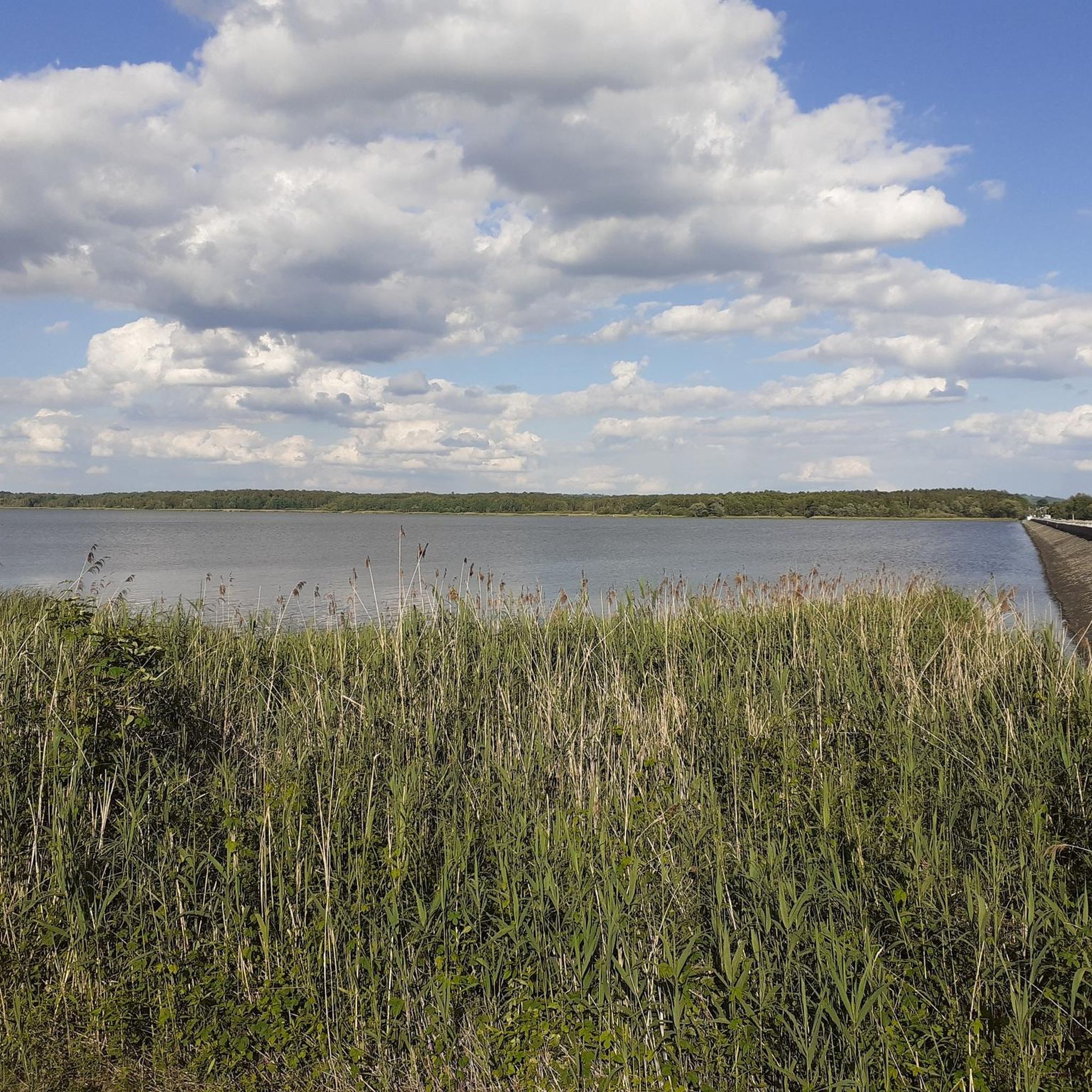
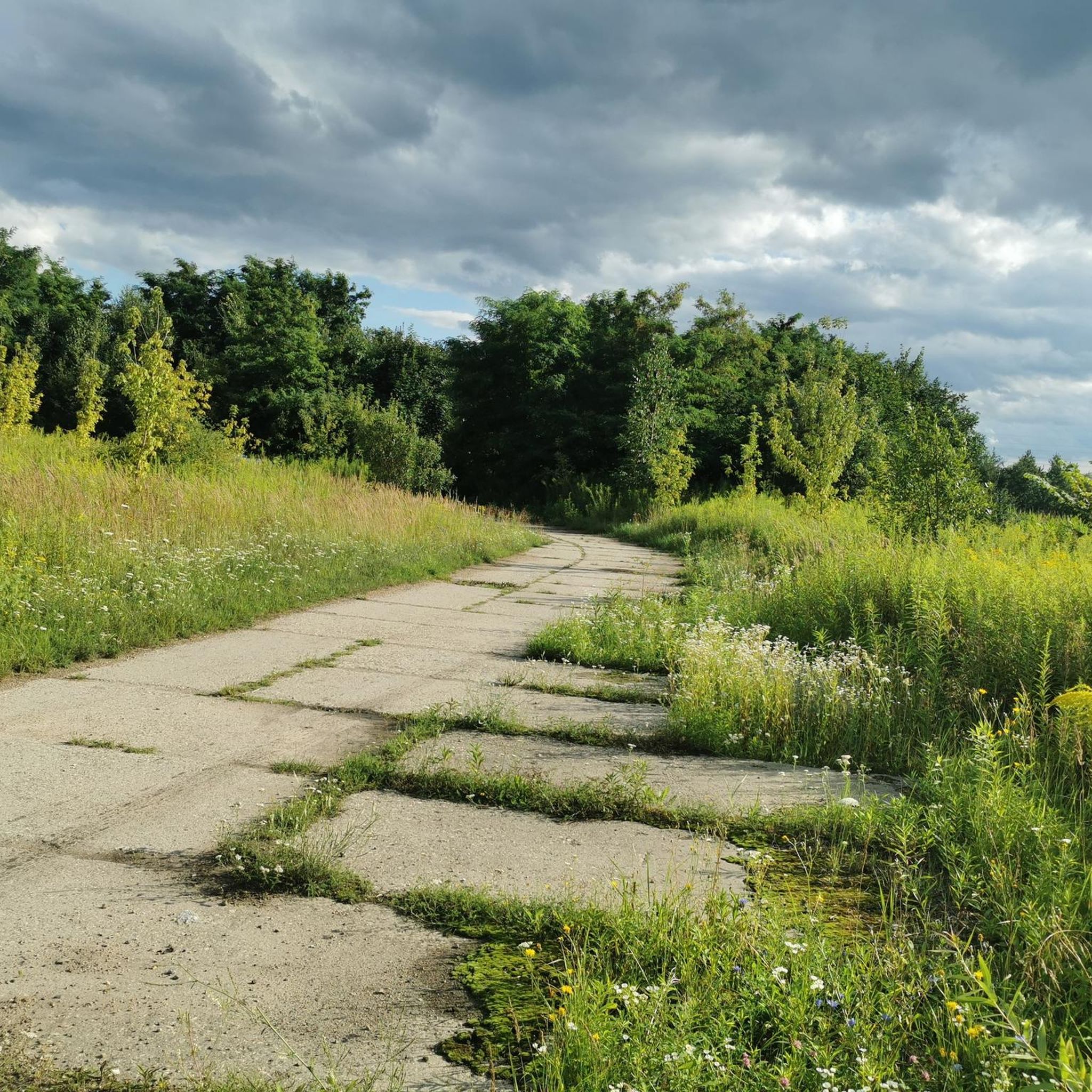

Other adventures around Piekary Śląskie

Tips from the Community

The Silesian Stadium is a sports and music icon in the region, impressing with its size and history. A striking landmark along the route, it impresses both up close and from afar. It's the perfect place to pause and admire the monumental architecture.
0
0
A beautiful building preserved in excellent condition.
0
0

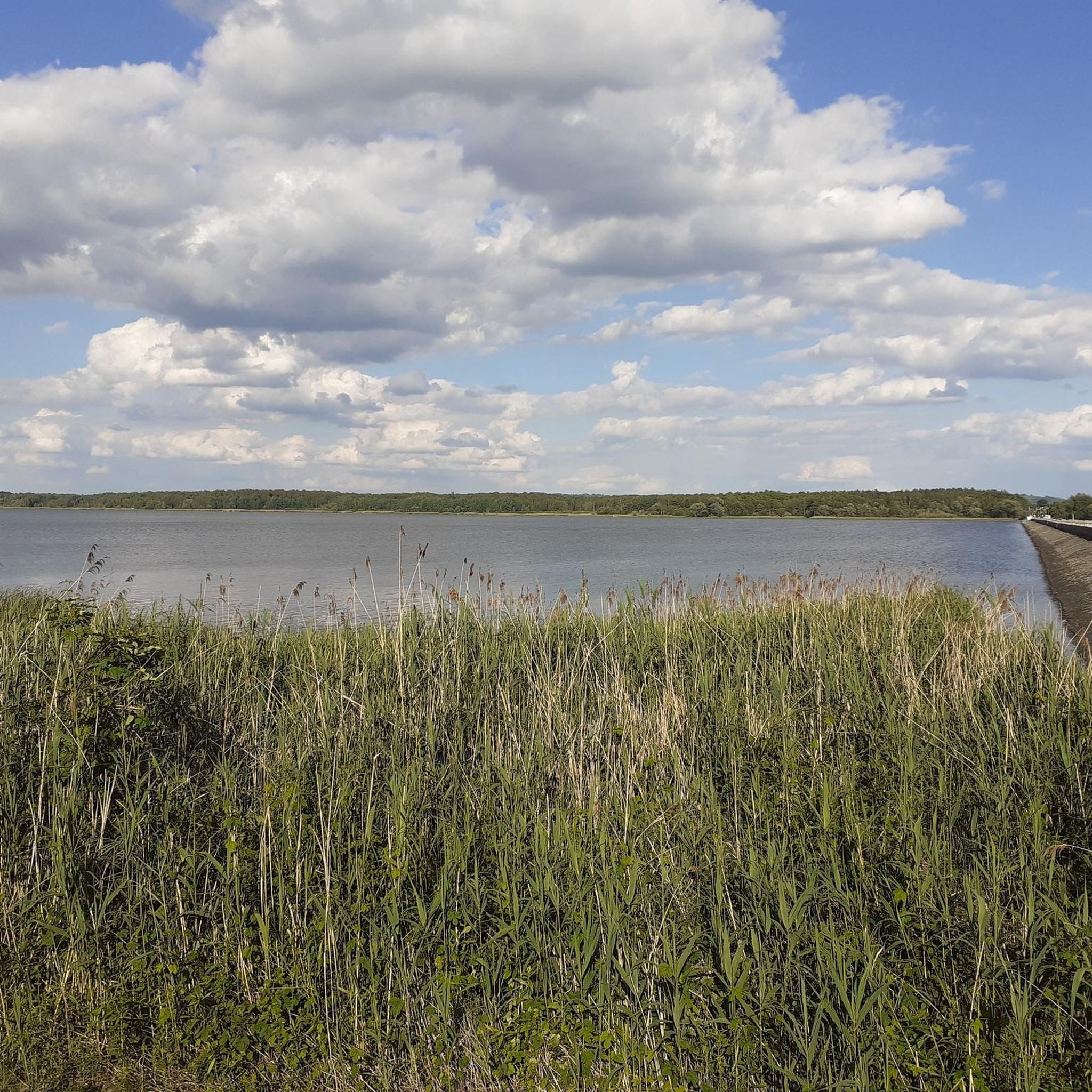
A pleasant walk by the lake, I recommend coming during the week, there are a huge number of walkers and cyclists.
0
0


Bachelor's Palace (also Kawaler's House, German: Kavaliershaus) - a palace built in the years 1903–1906 in the French neo-baroque style in Świerklaniec, entered into the register of immovable monuments of the Silesian Voivodeship.
2
0

Świerklaniec is a small town situated in the district of Tarnowskie Góry, in the valley of the Brynica River. The history of the village and the construction of the unique palace and park complex are closely related to the Donnersmarck family. In the 1870s, Count Guido von Donnersmarck built a residence for his wife, which was called "Little Versailles" or "Silesian Versailles". Its designer was Hector Lefuel, the court architect of Napoleon III. The "Little Versailles" delighted with its splendor and technical innovations. Thinking about the guests visiting the Donnersmarck family, in the years 1903-1906, near the "Little Versailles", another building, enchanting with its taste and modernity, was created, called the Cavalier's Palace. The Cavalier's Palace was equipped with, among others in Istrian marble floors, American "Royal" bathtubs made of one piece of earthenware, paintings by masters, etc. The main reason for its creation was the frequent visits of the Emperor of Germany, Wilhelm II, who came here to hunt. The Knight's Palace in the French neo-baroque style was designed by Ernest von Ihne, architect of Emperor Wilhelm II. The Kawalera Palace was built on a plan similar to a square. The brick facade of the building is made in two colors: red walls and white corners. In the central part of the building there is a representative, oval hall with a marble-mirror staircase. On the front of the palace there is an inscription "Memento vivere" (Remember about life), which was supposed to encourage visiting guests and bachelors (especially) to have fun. https://www.slaskie.travel/poi/3416/palac-kawalera-w-swierklancu https://www.youtube.com/watch?v=iEWxcy1kYek
4
1
Frequently Asked Questions
What are some popular natural attractions for outdoor activities near Piekary Śląskie?
You can enjoy the scenic Lake Chechło, which offers paths for walking and cycling around its perimeter, along with places to rest and enjoy water views. The Żabie Doły Nature Reserve is also excellent for hiking and cycling, known for its diverse bird species and unique murals.
Are there any historical landmarks or architectural sites worth visiting in the area?
Absolutely. The Kawaler Palace, built in the French neo-baroque style between 1903 and 1906, is notable for its two-color brick facade and preserved condition. Another significant site is the Town Hall in Tarnowskie Góry, a late 19th-century neo-renaissance-neo-gothic building with a tall tower and intricate details. The Basilica of St. Mary and St. Bartholomew is also a prominent Romanesque Revival basilica and a major pilgrimage site.
What kind of outdoor activities can I do around Piekary Śląskie?
The region offers a variety of outdoor activities. You can explore numerous running trails, such as the 'Las Brzeziny loop' or 'Księża Góra loop'. For cyclists, there are road cycling routes like the 'Excellent Bike Path loop' and MTB trails around areas like Lake Nakło-Chechło. You can find more details on these routes in the Running Trails around Piekary Śląskie, Road Cycling Routes around Piekary Śląskie, and MTB Trails around Piekary Śląskie guides.
Are there any family-friendly attractions in Piekary Śląskie?
Yes, several attractions are suitable for families. Lake Chechło is a great spot for a family outing with its walking and cycling paths. The Sztygarka Complex, located in the former 'Prezydent' mine, offers historical insights and facilities like a restaurant and cafe, making it an interesting visit for all ages. The Silesian Zoo, accessible via the Świerklaniec Palace Gate, is also a popular family destination.
What is the significance of Piekary Śląskie as a pilgrimage site?
Piekary Śląskie is a significant Marian pilgrimage site in Upper Silesia. The city is home to the Basilica of St. Mary and St. Bartholomew, which houses the Miraculous Picture of the Holy Mary of Piekary. Nearby, the Piekary Calvary complex features chapels depicting the Passion of Christ, a neo-Gothic Calvary church, and a miraculous spring, attracting thousands of pilgrims annually.
Can I explore the region's industrial heritage?
Yes, Piekary Śląskie has a rich industrial past. The Sztygarka Complex at the former 'Prezydent' mine in Chorzów is a prime example, featuring a unique reinforced concrete shaft tower and various historical buildings. Additionally, the Ajska Spoil Heap, a remnant of former mining activities, now offers opportunities for cycling with views of the surrounding area. Kolonia Zgorzelec also showcases typical Upper Silesian industrial-era architecture with its red-brick buildings.
Where can I find viewpoints or scenic spots in Piekary Śląskie?
The Liberation Mound (Kopiec Wyzwolenia) is the highest point within the city limits, offering panoramic views. The Ajska Spoil Heap, a former mining site, also provides elevated perspectives for cyclists. For water views, Lake Chechło is a pleasant spot to enjoy the scenery.
Are there any parks or green spaces for relaxation within the city?
Yes, you can find green spaces for walks and relaxation. Park in Kozłowa Góra provides paths and areas to unwind. Freedom Park also offers a tranquil environment with a monument dedicated to those who died for freedom.
What is the best time to visit Piekary Śląskie for outdoor activities?
While specific seasonal tips are not available, the region's lakes and nature reserves are generally most enjoyable during the warmer months, from spring to early autumn, when conditions are ideal for hiking, cycling, and leisure activities around water bodies like Lake Chechło and Rogoznik Lake.
What unique cultural elements can I discover in Piekary Śląskie?
Beyond its spiritual heritage, Piekary Śląskie offers unique cultural insights. The murals at Żabie Doły Nature Reserve, including the notable 'Frogs' mural, showcase public art. Kolonia Zgorzelec provides a glimpse into typical Upper Silesian industrial-era architecture with its distinctive red-brick buildings, preserved as a monument.
Are there any historical military sites in the area?
Yes, the Combat Bunker / Battlements No. 1 at the Łagiewniki Resistance Point is a historical site representing the region's military past. It showcases ancient defense strategies with its solid, austere structure, offering a glimpse into the area's wartime history.
Most popular routes around Piekary Śląskie
Most popular attractions around Piekary Śląskie

Get inspired with the komoot mobile app


Explore more
Still not found the Highlight you’re looking for? See guides of the top attractions in other regions:
