Attractions and Places To See around gmina Czechowice-Dziedzice - Top 20
Best attractions and places to see around gmina Czechowice-Dziedzice include a diverse range of historical landmarks, natural features, and cultural sites. Located in southern Poland at the junction of the Upper Vistula Valley and the Silesian Foothills, the region features a landscape with numerous rivers and fish ponds. Visitors can explore architectural monuments, recreational areas, and historical town centers. The area provides opportunities for outdoor activities and cultural discovery.
Best attractions and places to see around gmina Czechowice-Dziedzice
- The most…
Last updated: November 1, 2026
Goczałkowice Dam
Highlight • Monument
Translated by Google •
Tip by

Pszczyna Castle
Highlight • Castle
pl.wikipedia.org/wiki/Zamek_w_Pszczynie
Showing Translation
Tip by
Sign up now to discover places like this
Get recommendations on the best single tracks, peaks, & plenty of other exciting outdoor places.
Bison Show Farm in Pszczyna
Highlight • Structure
Tip by

Bielsko-Biała Town Hall
Highlight • Historical Site
It was built in the years 1895–1897 …
Translated by Google •
Tip by
Strumień Town Square
Highlight • Historical Site
Translated by Google •
Tip by
Sign up for free to discover even more attractions around gmina Czechowice-Dziedzice.
Already have an account?
Start today with a free account
Your next adventure awaits.
Popular around gmina Czechowice-Dziedzice
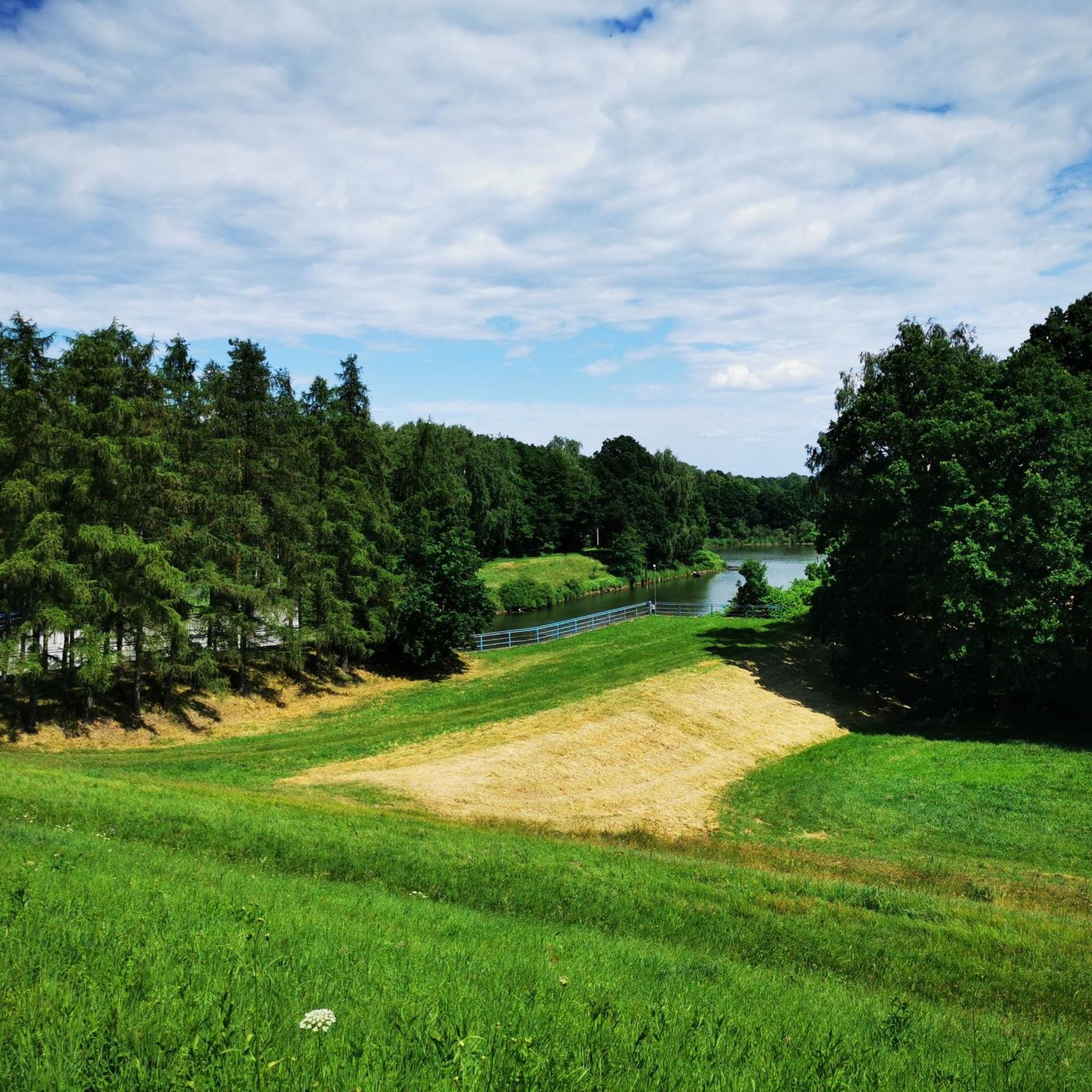
Cycling around gmina Czechowice-Dziedzice
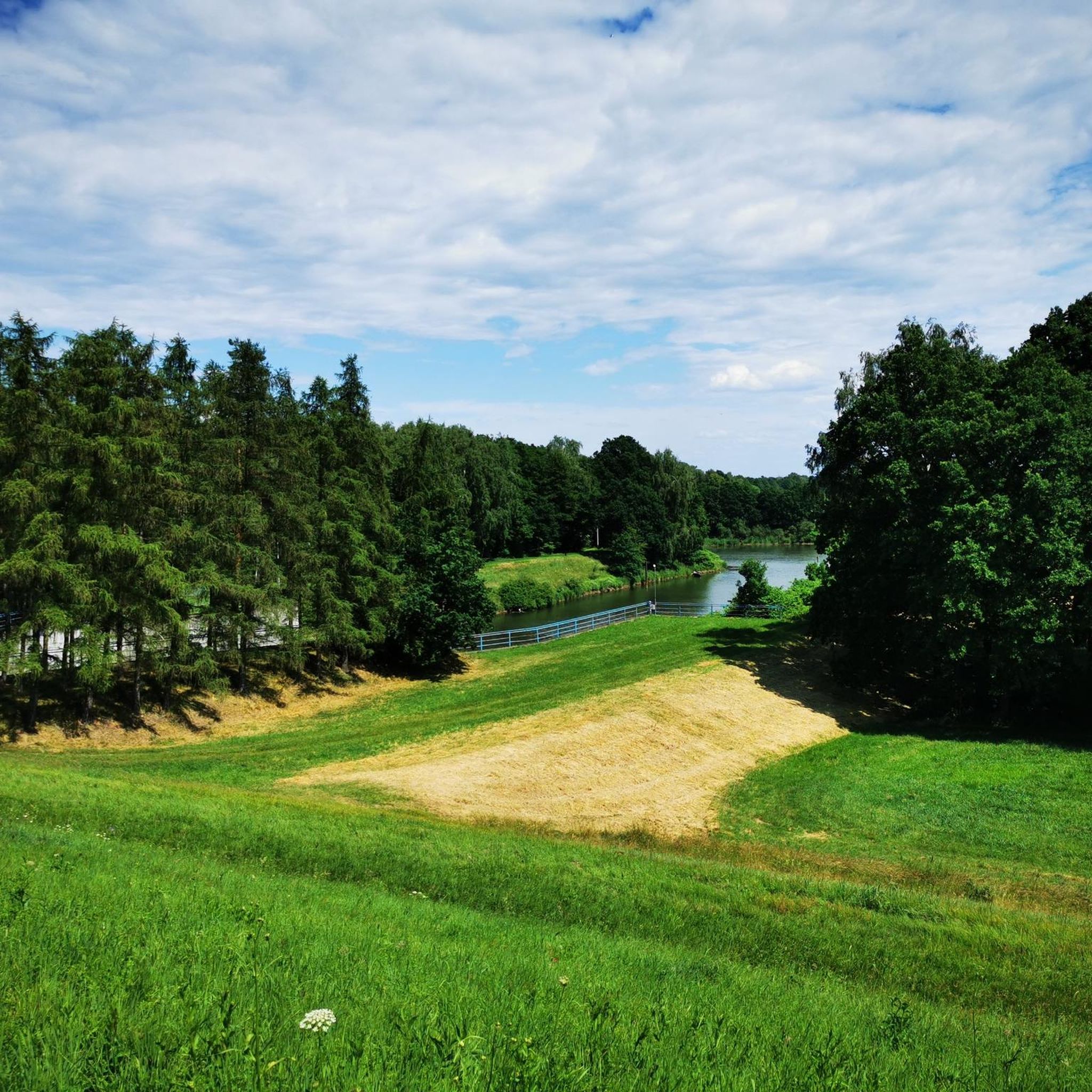
Road Cycling Routes around gmina Czechowice-Dziedzice
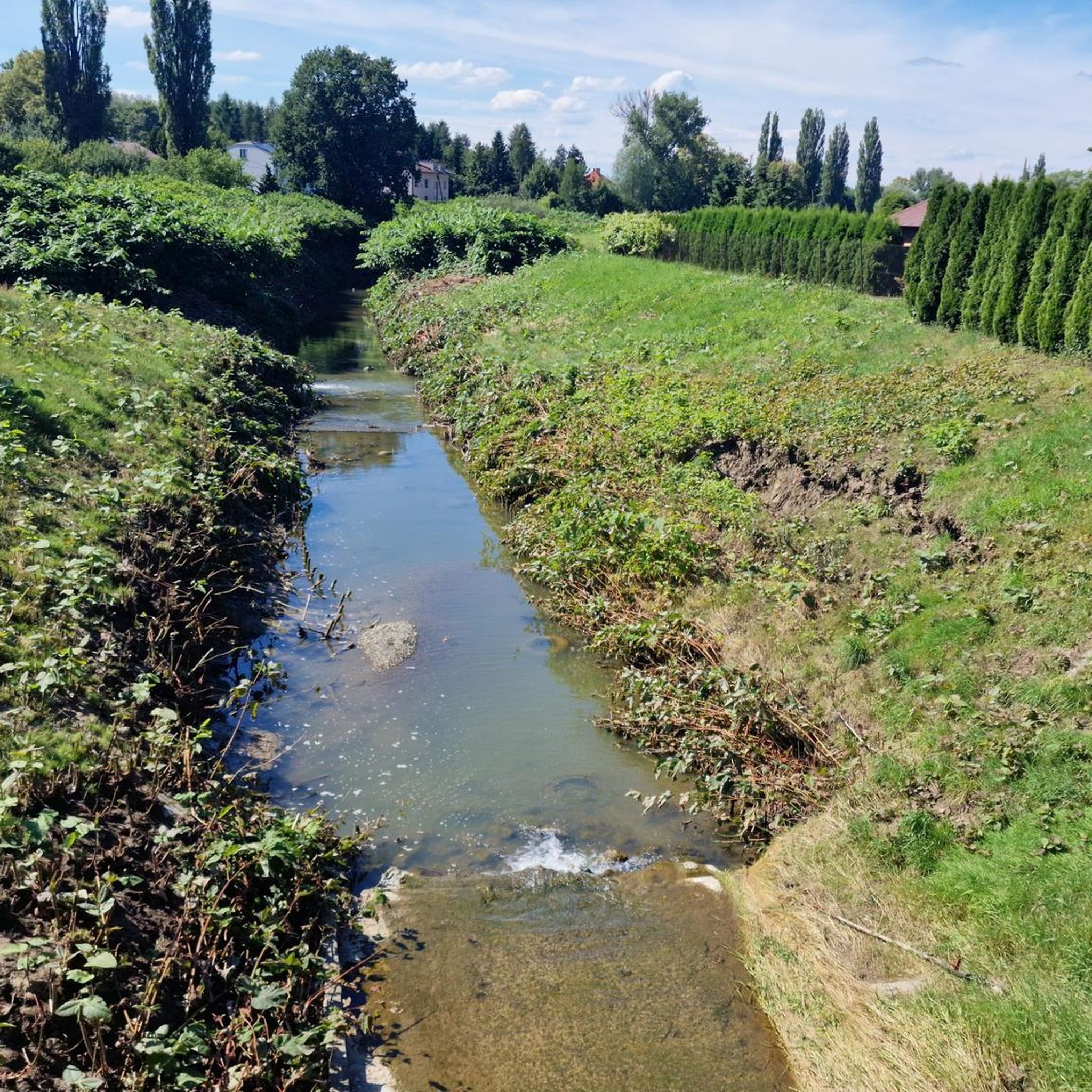
Hiking around gmina Czechowice-Dziedzice
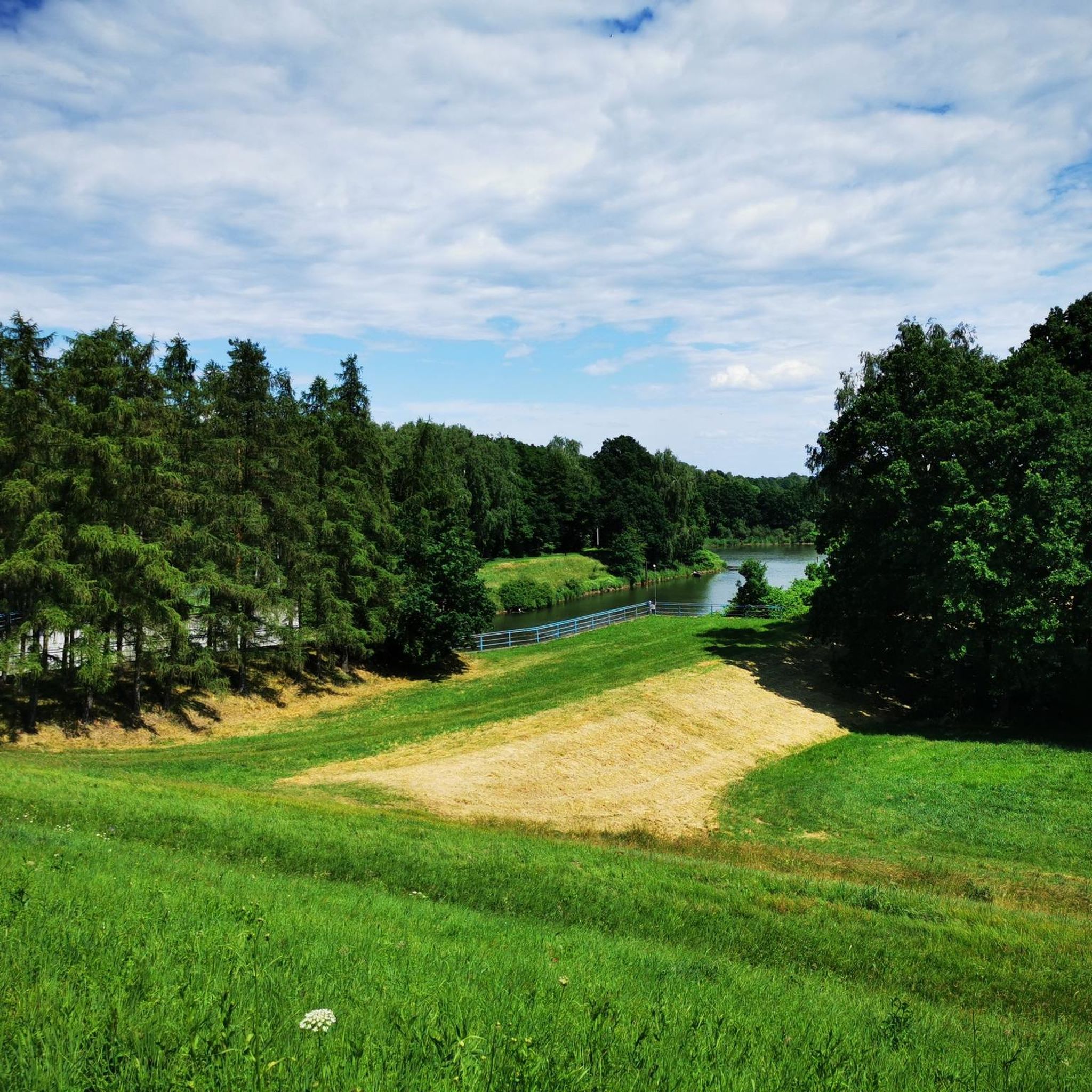
Running Trails around gmina Czechowice-Dziedzice
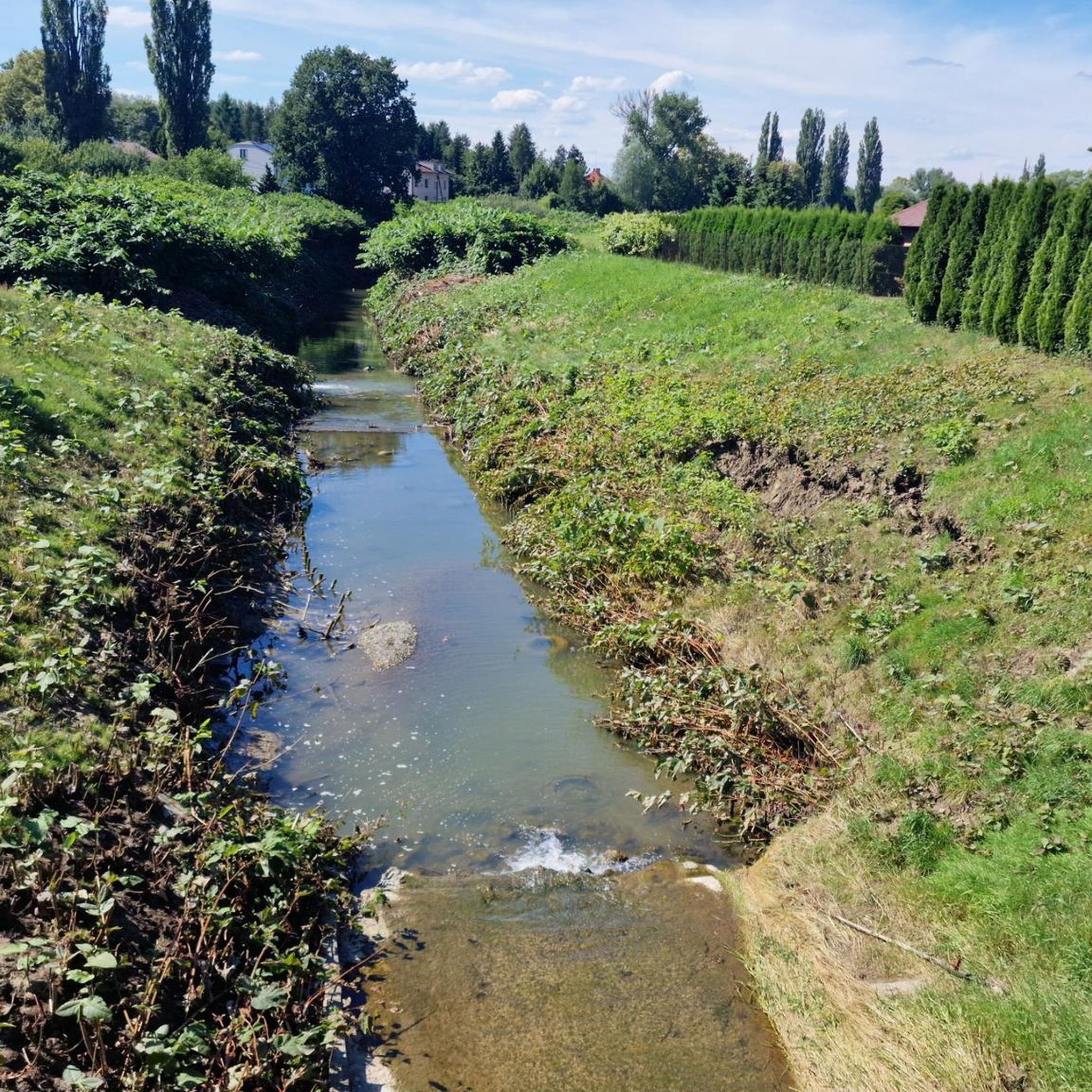
MTB Trails around gmina Czechowice-Dziedzice

Gravel biking around gmina Czechowice-Dziedzice
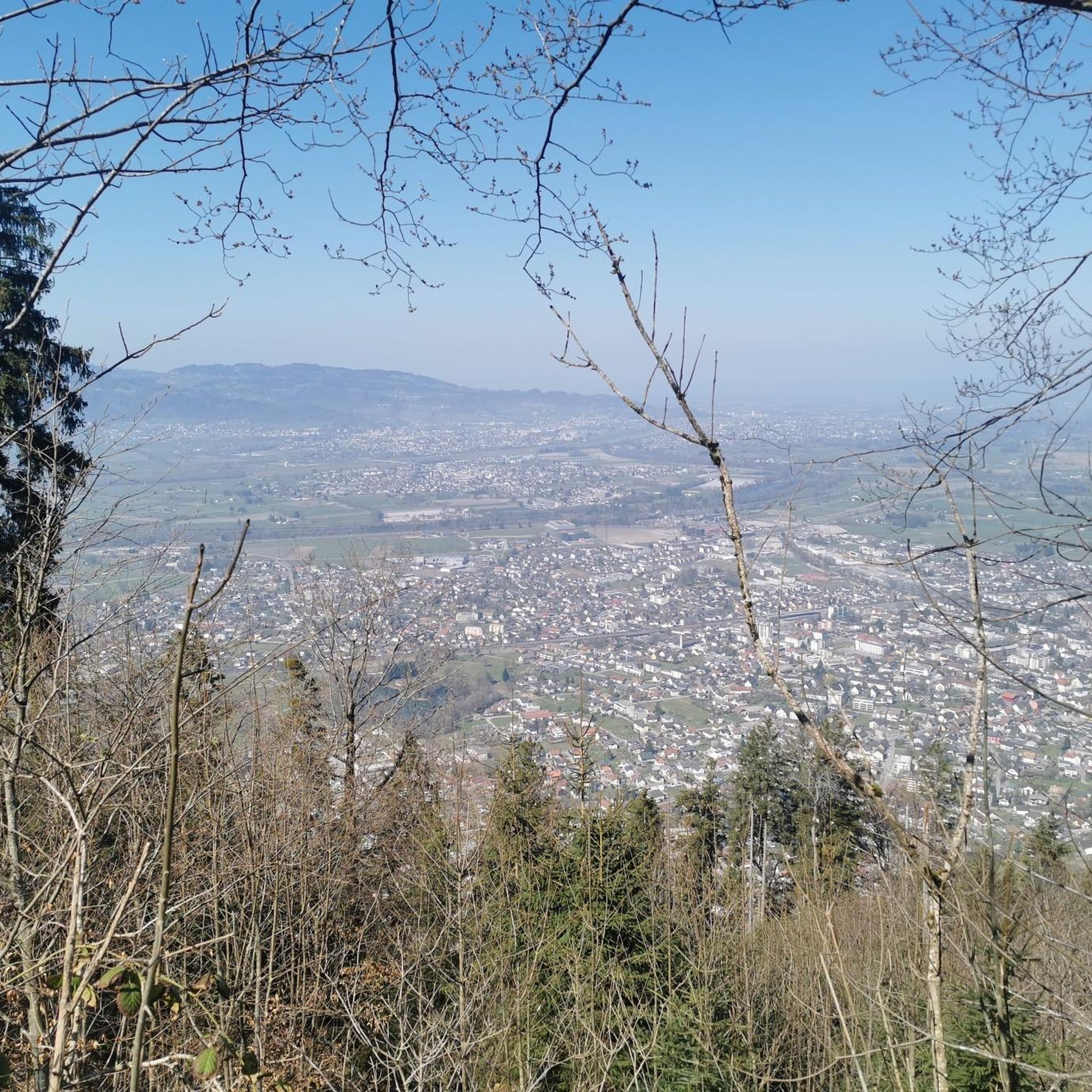
Mountain Hikes around gmina Czechowice-Dziedzice
Tips from the Community


Although Strumień, with a population of just 3,500, is one of the smallest towns in the Silesian Voivodeship, its dramatic history could easily have been shared by several large population centers. Everything here revolves around the elements – especially water: from the name of the former village situated right on the Vistula River to the numerous floods that have ravaged the town. Centuries ago, the Strumień market square was filled with houses with porches typical of flood-prone areas. Floods sometimes hit the town as often as three times a year. Although the rivers have changed over the years (today, only a five-kilometer canal called Strumień flows through the town center), and despite the commissioning of a gigantic reservoir in nearby Goczałkowice in 1956, flooding still occurs, as in May 2010, when the Strumień park was flooded. https://www.poznaj-slask.pl/rynek-w-strumieniu/
0
0

A 10-hectare breeding facility located within the historic park. The facility houses European bison along with other wildlife including red deer, fallow deer, roe deer, mouflon, and various bird species such as mallards, ruddy shelducks, Canada geese, and peacocks. Visitors can explore exhibitions about the local fauna and flora of the Pszczyna region.
3
0
Tickets are quite expensive but inside it is peace & quiet
2
0
The castle's Mirror Hall features two enormous mirrors (each 14m²) that were manufactured in Paris and transported to Pszczyna, along with five crystal chandeliers that can be lowered to floor level using pulley systems from the attic - a mechanism that still functions today from the Hochberg era.
4
0
A palace complex that evolved from a 15th-century Gothic defensive castle into an elegant residence through multiple reconstructions in Renaissance, Baroque, and French Baroque styles. The castle served as the seat of various noble families including the Promnitz, Anhalt-Köthen-Pless, and Hochberg dynasties, with its final architectural form achieved during the 1870-1876 renovation directed by French architect Hippolyte Alexandre Destailleur. During World War I (1915-1916), it housed the German Army's Great General Headquarters where Kaiser Wilhelm II, Marshal Paul von Hindenburg, and General Erich Ludendorff made crucial military decisions for the Eastern Front.
4
0

Cool and pretty market in Strumień. It is better to come in the early hours on weekends or evenings during the week, there are no cars then.
1
0

A small town with a historic market square - what more can I say, if you're in the area it's worth seeing :)
0
0
Frequently Asked Questions
What historical landmarks can I explore in and around Gmina Czechowice-Dziedzice?
The region is rich in history. You can visit the impressive Pszczyna Castle, a former magnate residence with a neo-baroque style. Another significant site is the Church of St. Catherine, a baroque brick church from the 18th century, considered the oldest temple in Czechowice-Dziedzice. The Strumień Town Square also offers a glimpse into history with its preserved medieval urban layout and a late Baroque town hall.
Are there any natural attractions or scenic viewpoints in the area?
Yes, Gmina Czechowice-Dziedzice boasts several natural highlights. The Dolina Potoku Czechowickiego (Czechowice Stream Valley) is a scenic recreational area featuring educational paths, an arboretum, and a viewing tower. This tower offers panoramic views of the Beskid Mountains and the Kotuliński Palace. The numerous fish ponds, such as Stawy Sokoły and Hałcnowiec, are characteristic natural features and important feeding grounds for water birds.
What family-friendly activities are available near Czechowice-Dziedzice?
Families will enjoy the Pszczyna Bison Show Farm, where you can see bison, mouflons, red deer, and various bird species. The Water Sports Center in Łąka, located at the Dam at Lake Łąka, provides a guarded swimming area, water equipment rentals like boats and paddle boats, and sports fields. The Czechowice Stream Valley also includes a playground for children.
Where can I enjoy water sports or swimming?
The Dam at Lake Łąka is an artificial reservoir popular for relaxation and recreation. The Water Sports Center in Łąka offers a guarded swimming area, floating jetties, and rentals for boats, kayaks, paddle boats, and windsurfing boards. It's a great spot for various water activities.
Are there opportunities for hiking or cycling around the attractions?
Absolutely. The region offers diverse terrain for outdoor enthusiasts. You can find numerous routes for hiking, gravel biking, and mountain biking. Many trails pass by natural features and historical sites, offering scenic views and varying difficulty levels.
What is the best time to visit Gmina Czechowice-Dziedzice?
The region is enjoyable throughout the year, but spring and summer are particularly pleasant for outdoor activities and exploring natural features like the Czechowice Stream Valley and Lake Łąka. The parks, such as Park Szwajcarska Dolina and Park Miejski Lasek, are also vibrant during these seasons. Historical sites are accessible year-round.
Are there any notable architectural sites besides castles and churches?
Beyond the prominent castles and churches, you can admire the Pałac Kotulińskich (Kotuliński Palace), an 18th-century classical palace, from a viewing platform. The PKP Railway Station, built in 1855, is recognized as one of Poland's most valuable railway monuments. The Walcownia Metali Dziedzice (Dziedzice Metal Rolling Mill), established in 1896, represents the region's industrial heritage.
Where can I experience local culture and traditional life?
The Market Square in Pszczyna, with its restored 18th and 19th-century tenement houses, offers a vibrant atmosphere with dining and coffee options. For a glimpse into historical local life, visit Gospoda Wawrzyńczyków, an 18th-19th century inn located in Zabrzeg.
Are there any parks or green spaces for relaxation?
Yes, Gmina Czechowice-Dziedzice offers several green spaces. Park Szwajcarska Dolina (Swiss Valley Park) is the largest recreational complex, spanning 8 hectares. Park Miejski Lasek (City Park Lasek) is another municipal park where visitors can enjoy greenery and relax amidst nature.
What unique natural phenomena or wildlife can I observe?
The numerous fish ponds, including Stawy Sokoły and Hałcnowiec, are crucial feeding grounds for many water birds. They host a unique breeding colony of night herons, making them an excellent spot for birdwatching. Additionally, the 19th meridian, which divides Poland into two equal parts, passes through the viewing tower in the Czechowice Stream Valley and the ruins of Wilczków Castle.
Are there any attractions that are wheelchair accessible?
The Market Square in Pszczyna is noted as wheelchair accessible, allowing visitors to enjoy its historic urban layout and surrounding architecture. While specific accessibility details for all sites vary, central town squares and well-maintained park paths often offer easier access.
Most popular routes around gmina Czechowice-Dziedzice
Most popular attractions around gmina Czechowice-Dziedzice

Get inspired with the komoot mobile app


Explore more
Still not found the Highlight you’re looking for? See guides of the top attractions in other regions:
